
Het snuifje — History & Facts
A wry sense of intimacy draws the viewer into this quiet interior, where every detail seems chosen to reveal the private rituals of daily life. The eye is caught first by the figure’s expression—alert, almost conspiratorial—as she pinches a bit of snuff from a tiny box. The soft ruffles of her cap and gown, the striped skirt pooling around her, and the careful arrangement of tea things on the table all speak of comfort and habit.
Light falls gently from the left, illuminating her face and the gleam of copper and porcelain, while the ornate mirror behind her reflects only a shadowy blur, as if to keep her secrets safe. The palette is warm but restrained, with creamy whites, golden browns, and a touch of blue, creating a mood of quiet amusement and domestic order. Painted in 1867, Het snuifje by Alexander Hugo Bakker Korff belongs to a Dutch tradition of genre painting that delighted in the observation of everyday life, especially in the bourgeois interiors of the nineteenth century. Such works were often collected by the rising middle class, who saw their own values and aspirations reflected in these meticulously rendered scenes.
While history has kept few traces of this particular painting’s early journey, its presence today in the collection of Rijksmuseum Twenthe invites us to linger over the small dramas and comforts that once filled these rooms. Look again at the woman’s knowing glance, and consider what stories might unfold in the quiet glow of her afternoon ritual.
More Artworks by Alexander Hugo Bakker Korff
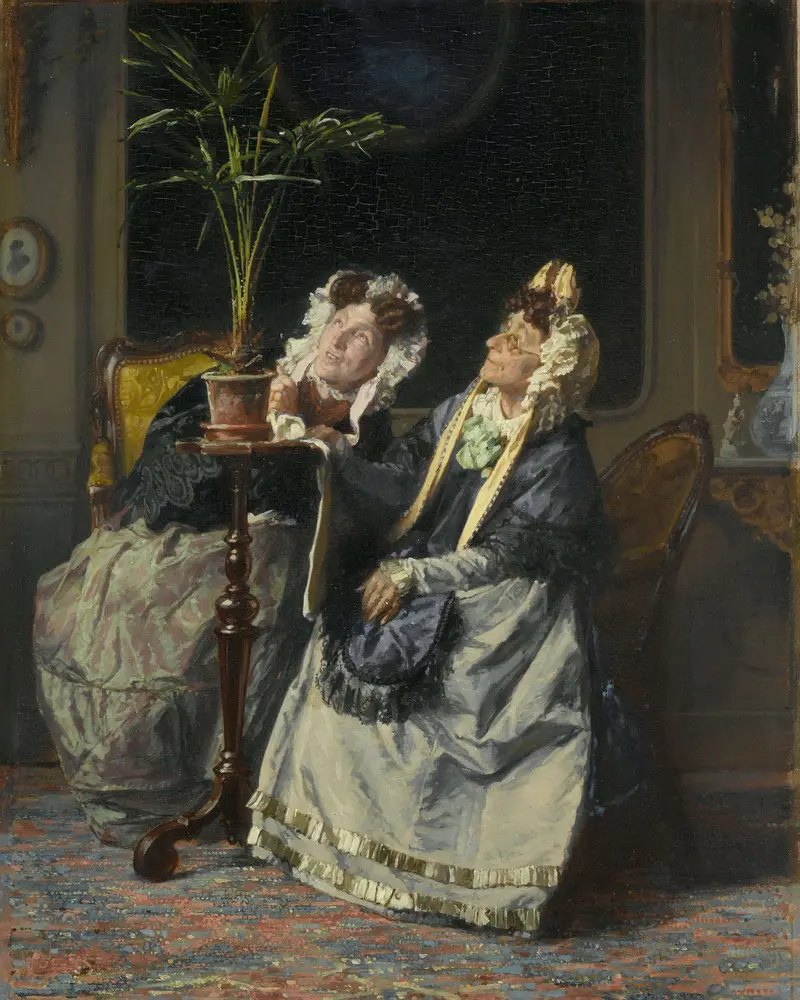
Under the Palms
Alexander Hugo Bakker Korff
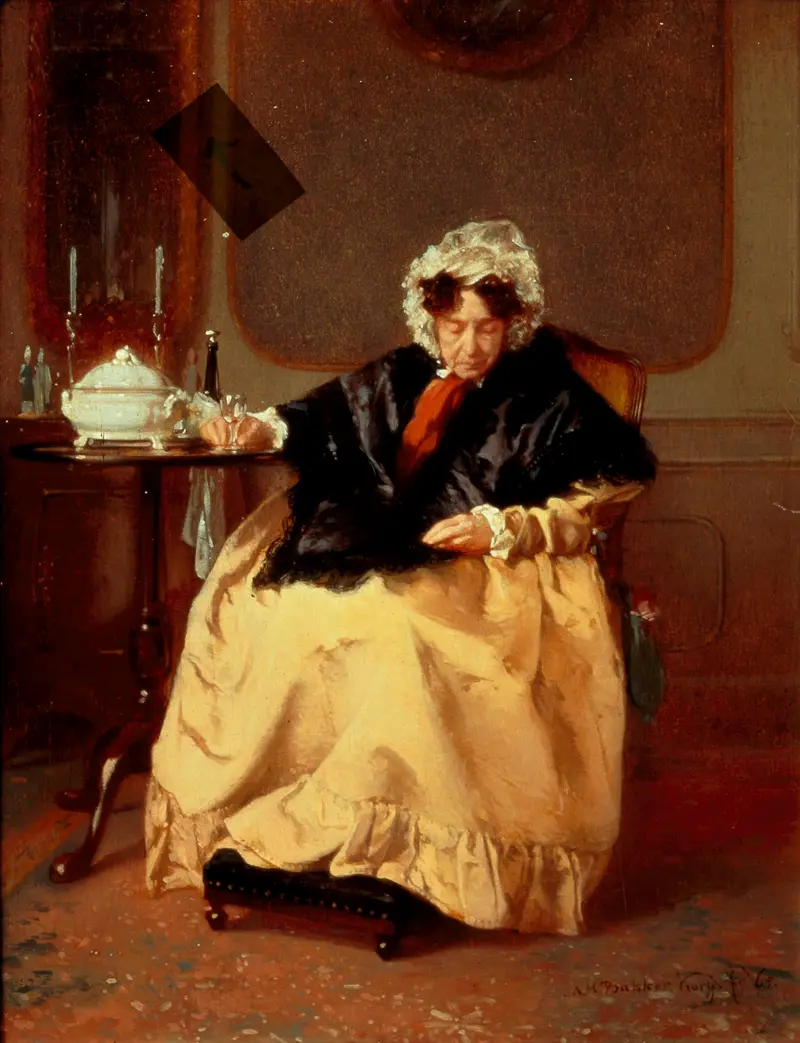
Bouillon en een glas port
Alexander Hugo Bakker Korff
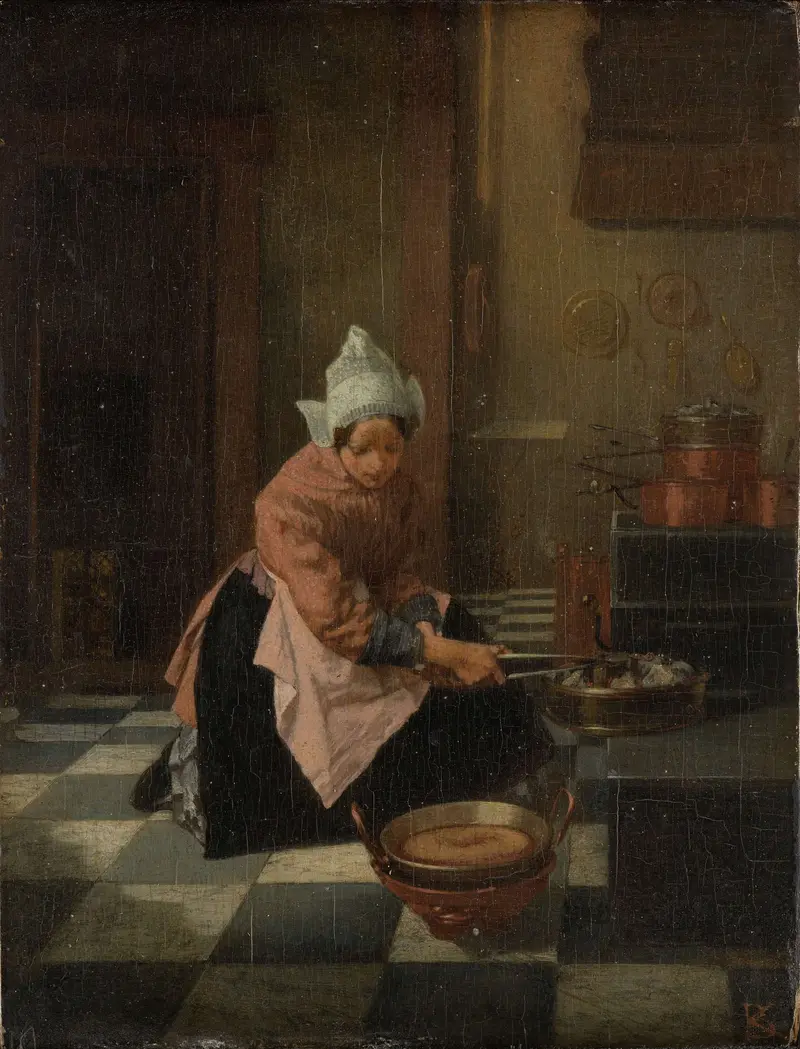
The Waffle Maker
Alexander Hugo Bakker Korff
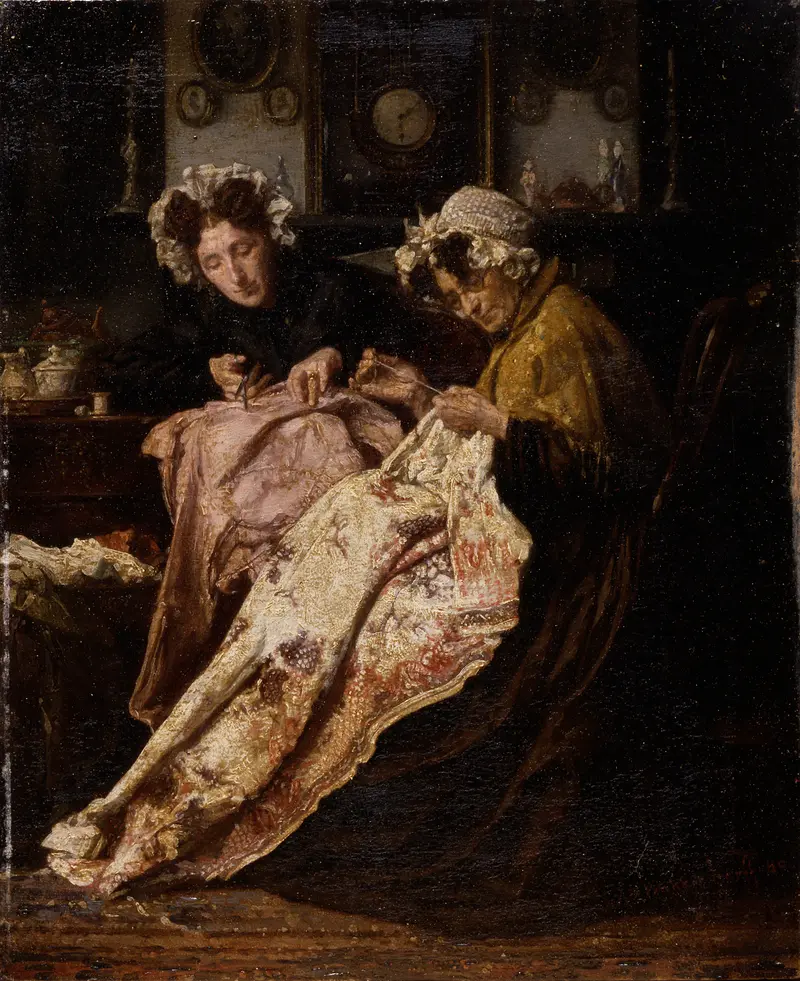
The Seamstress
Alexander Hugo Bakker Korff
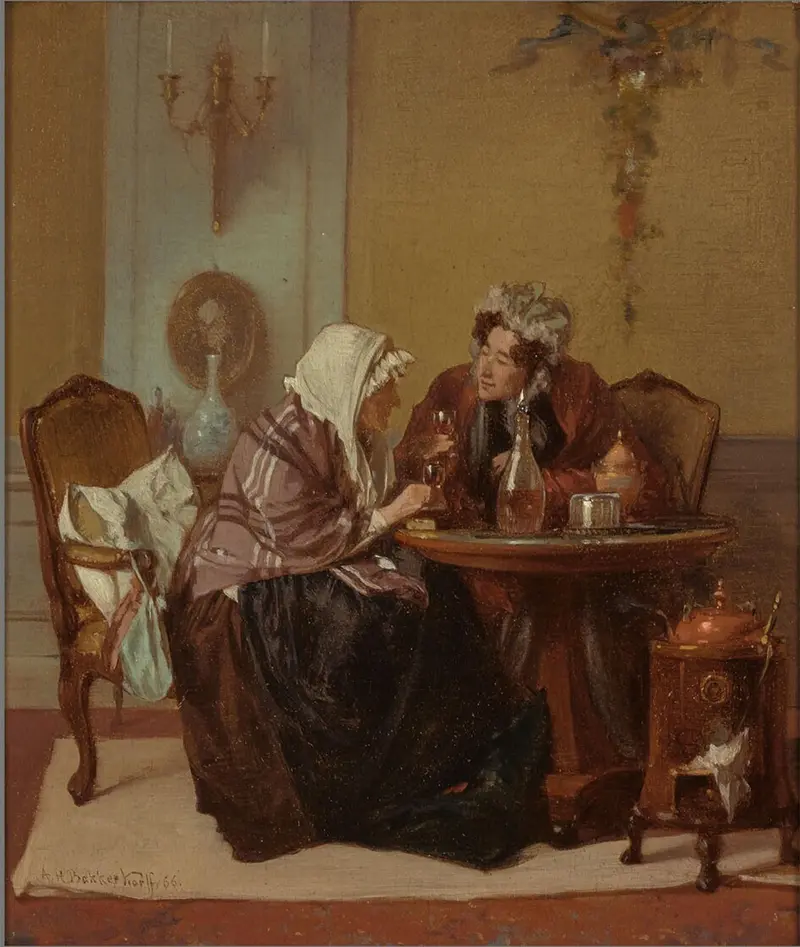
La convalescente
Alexander Hugo Bakker Korff
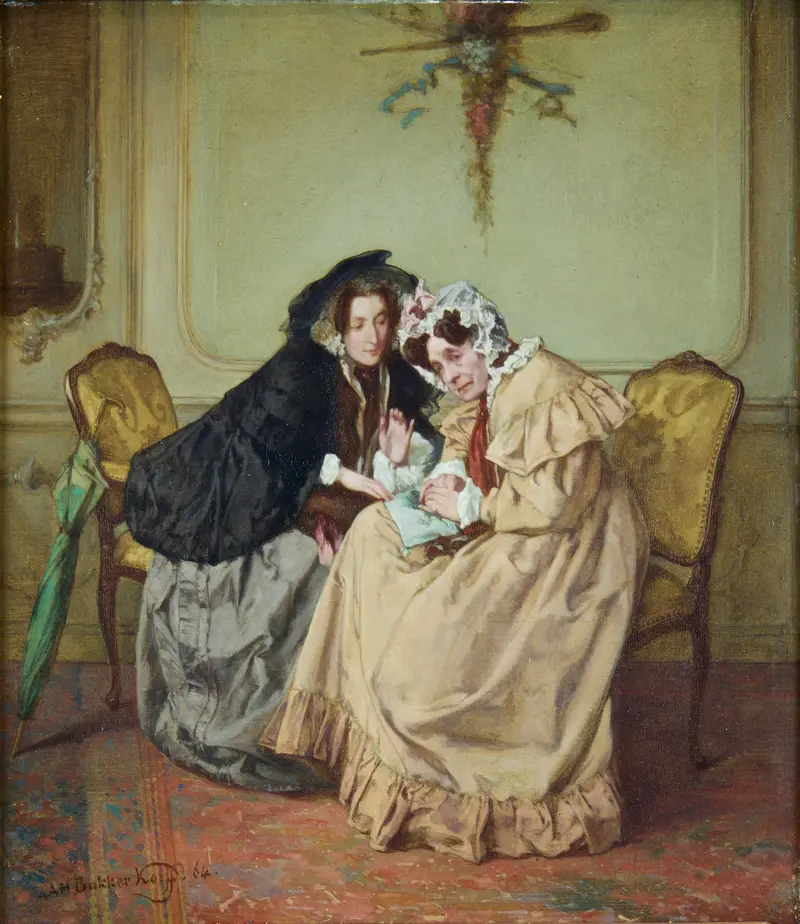
Het geheim DM 916 47 Dordrechts Museum
Alexander Hugo Bakker Korff
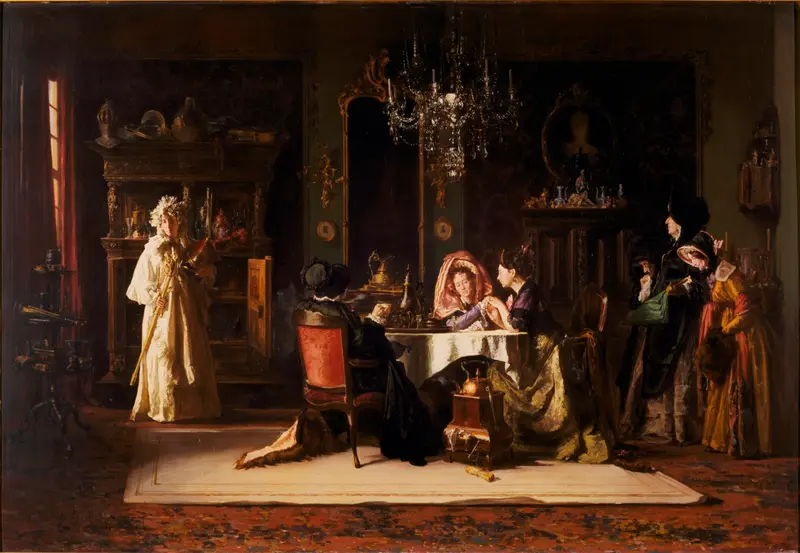
'La Fille du Héros' (The Hero's Daughter)
Alexander Hugo Bakker Korff
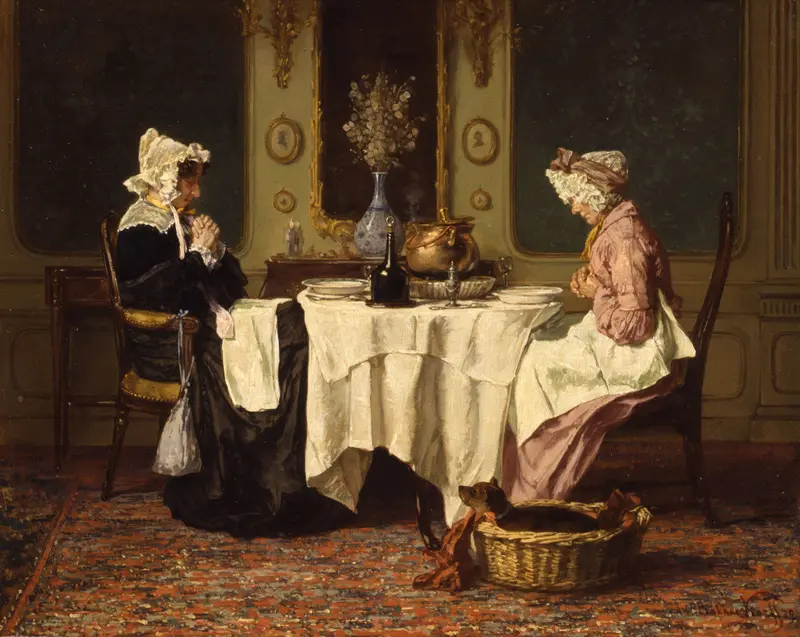
Drie oktober feest DM 938 48 Dordrechts Museum
Alexander Hugo Bakker Korff
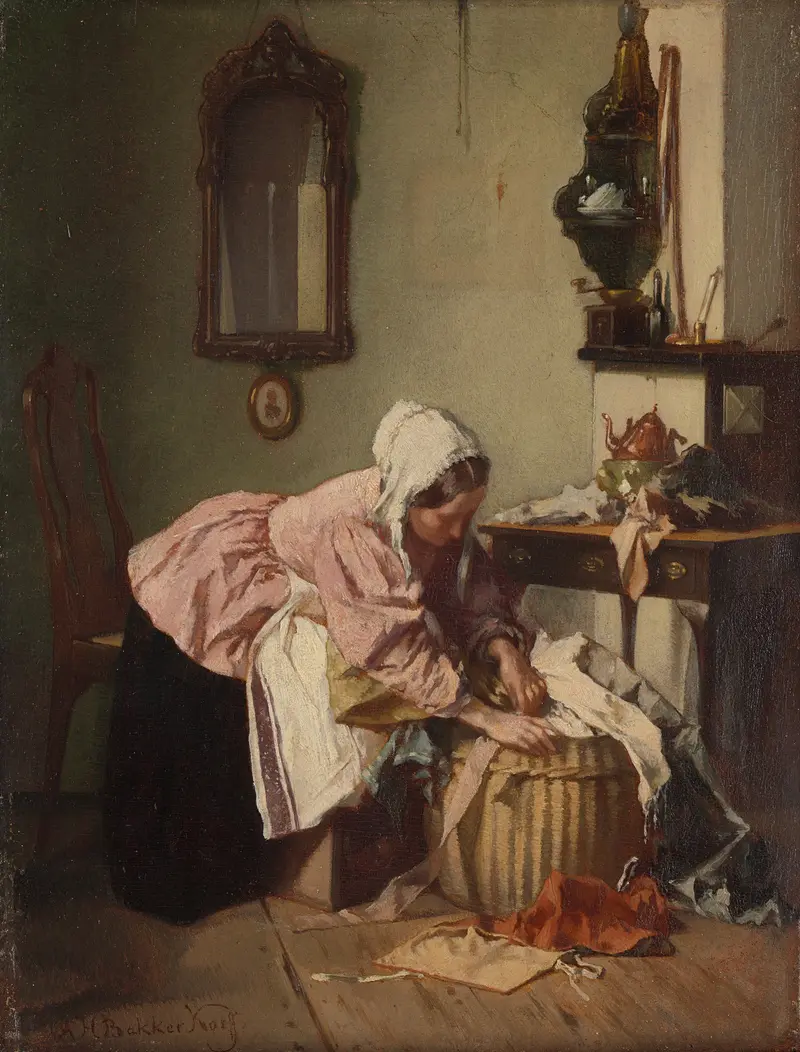
The Rag Basket
Alexander Hugo Bakker Korff
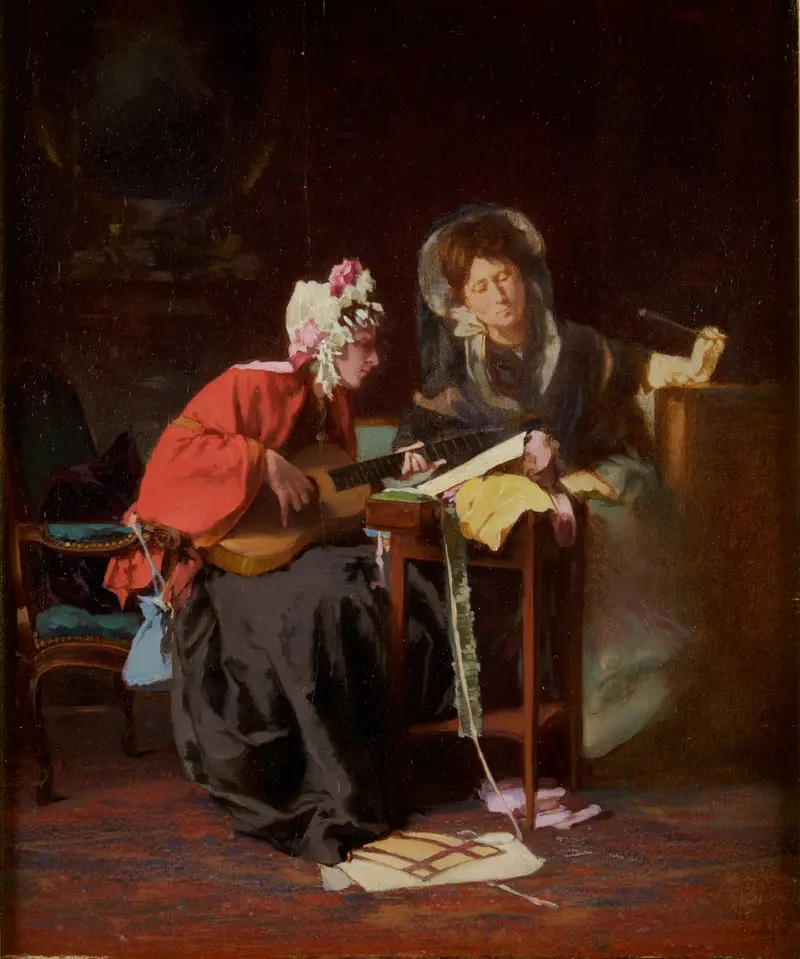
Gitaarles VBL 8 Dordrechts Museum
Alexander Hugo Bakker Korff
More Genre Scene Art

Banquet of the Officers of the St George Civic Guard
Frans Hals

Rembrandt and Saskia in the Scene of the Prodigal Son
Rembrandt van Rijn

Bal du moulin de la Galette
Pierre-Auguste Renoir

Quadrille at the Moulin Rouge
Henri de Toulouse-Lautrec

A Burial at Ornans
Gustave Courbet

When Will You Marry?
Paul Gauguin