
La convalescente — History & Facts
A hush of intimacy fills the room in La convalescente, where two women lean close across a small table, their postures drawing the viewer into a private world. The older woman, wrapped in a shawl and white cap, seems to accept a glass from her companion, her gesture tentative yet hopeful. The other, more robust and warmly dressed, offers not just the drink but a look of encouragement—her body angled forward, her face attentive.
Light falls gently over the scene, picking out the sheen of the glass and the folds of fabric, while the muted palette of browns and creams sets a mood of quiet recovery and domestic care. Every element, from the simple furnishings to the softly glowing brass urn, is arranged to focus our attention on this exchange of comfort. Created in 1866, this work by Alexander Hugo Bakker Korff belongs to a tradition of 19th-century Dutch genre painting that found its audience among the rising middle class, who prized scenes of everyday virtue and familial tenderness. Such paintings were often destined for private homes, where they offered reassurance and gentle instruction in the values of attentiveness and sympathy.
The painting now resides in the Museum Boijmans Van Beuningen, a collection known for its embrace of both the grand and the intimate. History has kept few traces of this particular scene’s models or commission, but Bakker Korff’s careful observation ensures that the small drama of care and recovery continues to draw us in, inviting us to imagine the conversation that passes between these two women.
More Artworks by Alexander Hugo Bakker Korff
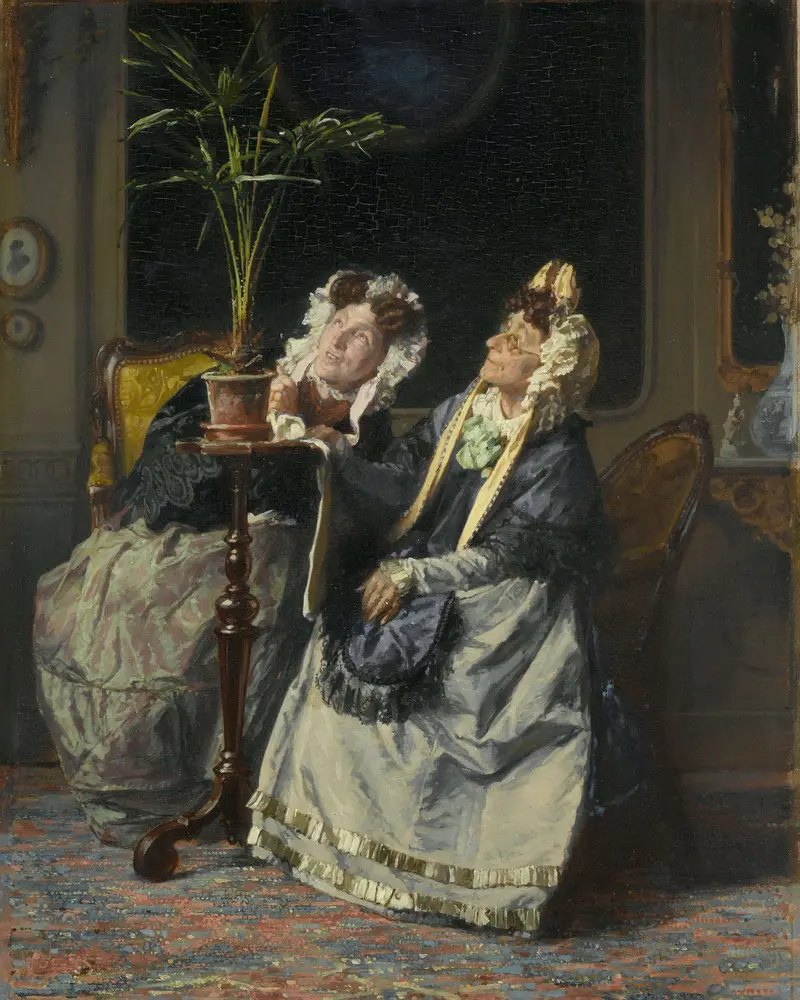
Under the Palms
Alexander Hugo Bakker Korff
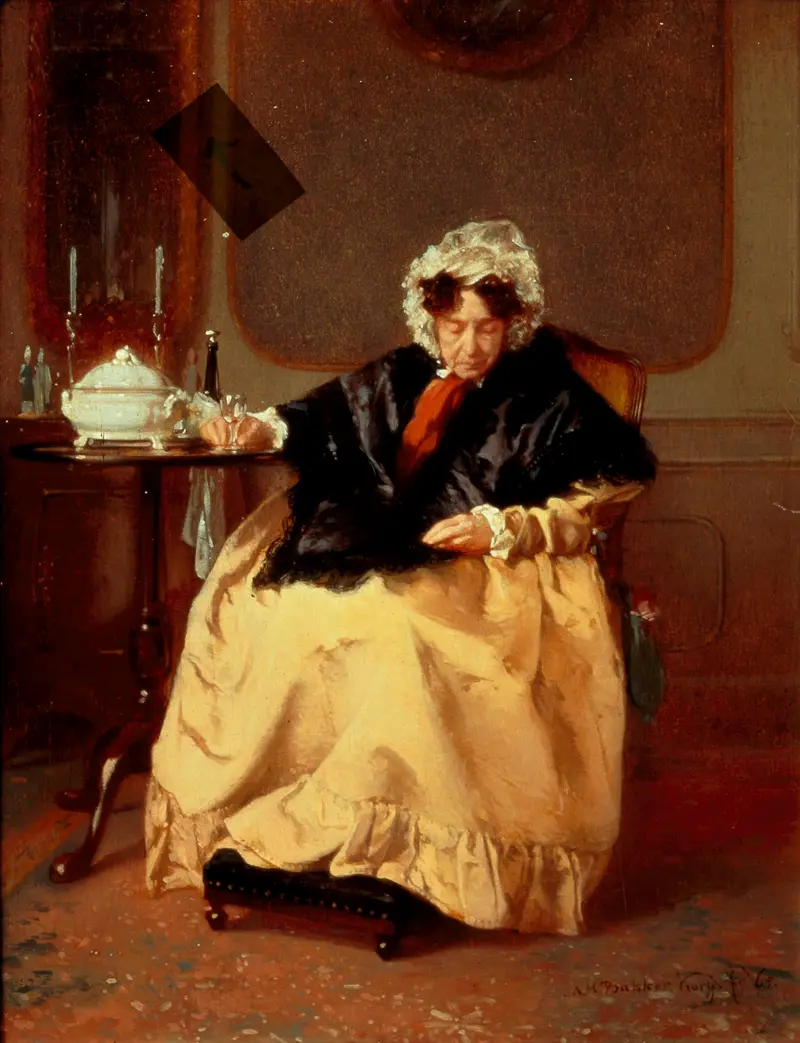
Bouillon en een glas port
Alexander Hugo Bakker Korff
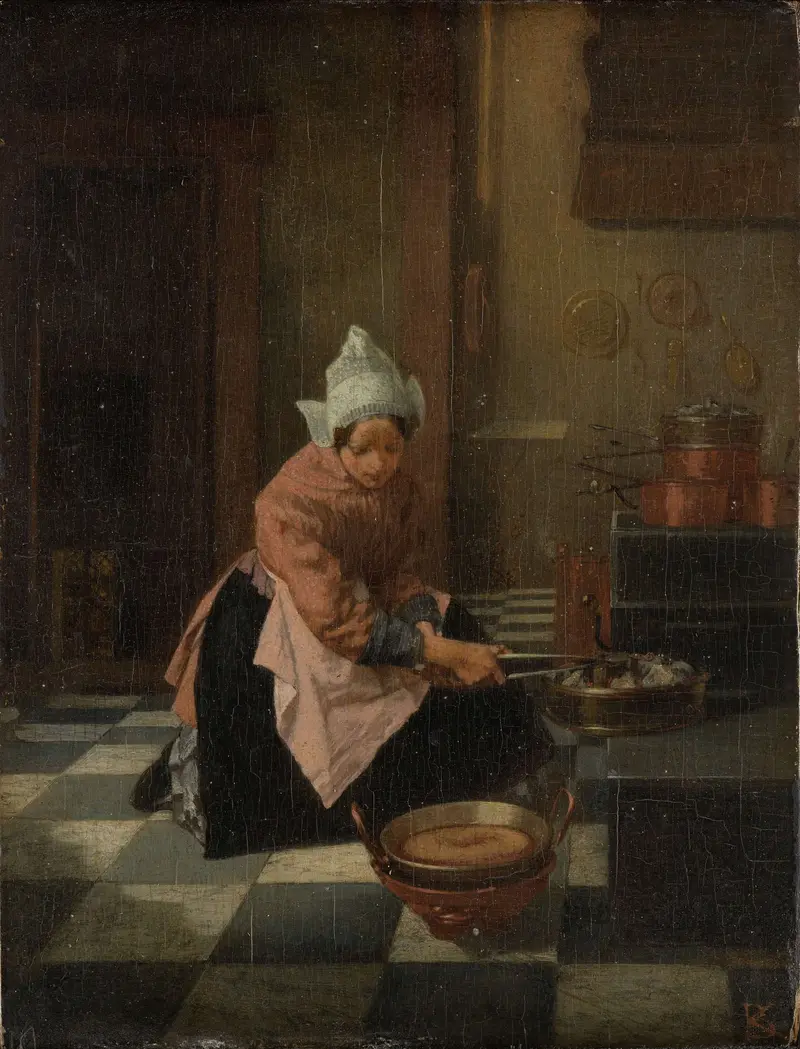
The Waffle Maker
Alexander Hugo Bakker Korff
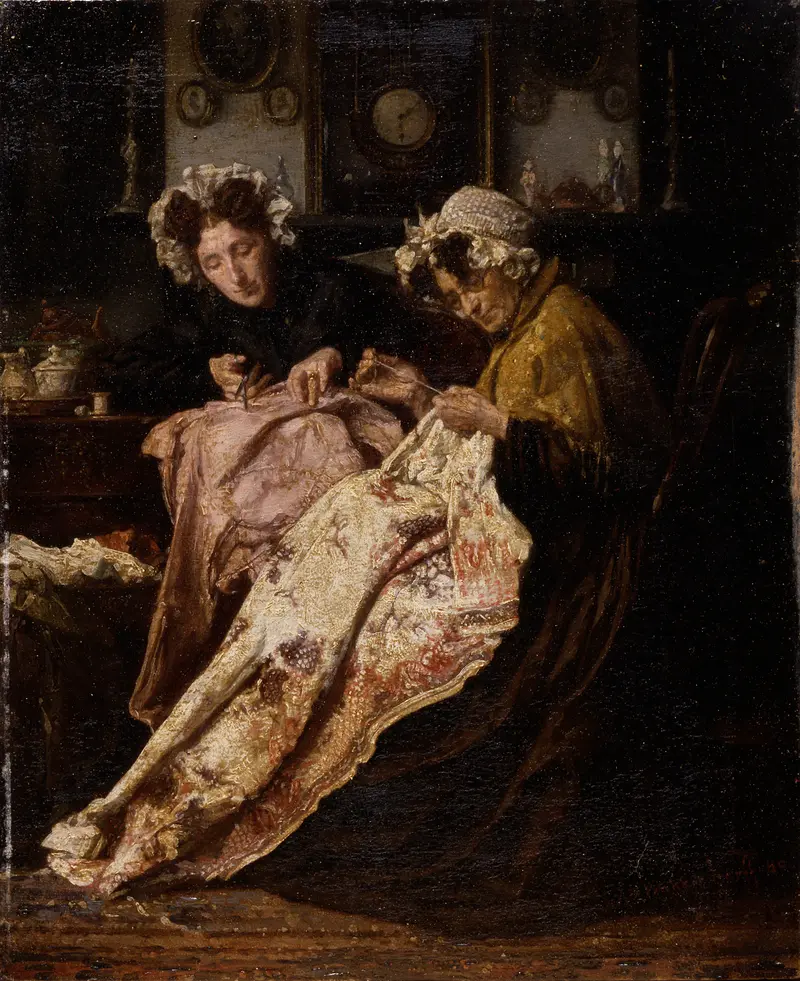
The Seamstress
Alexander Hugo Bakker Korff
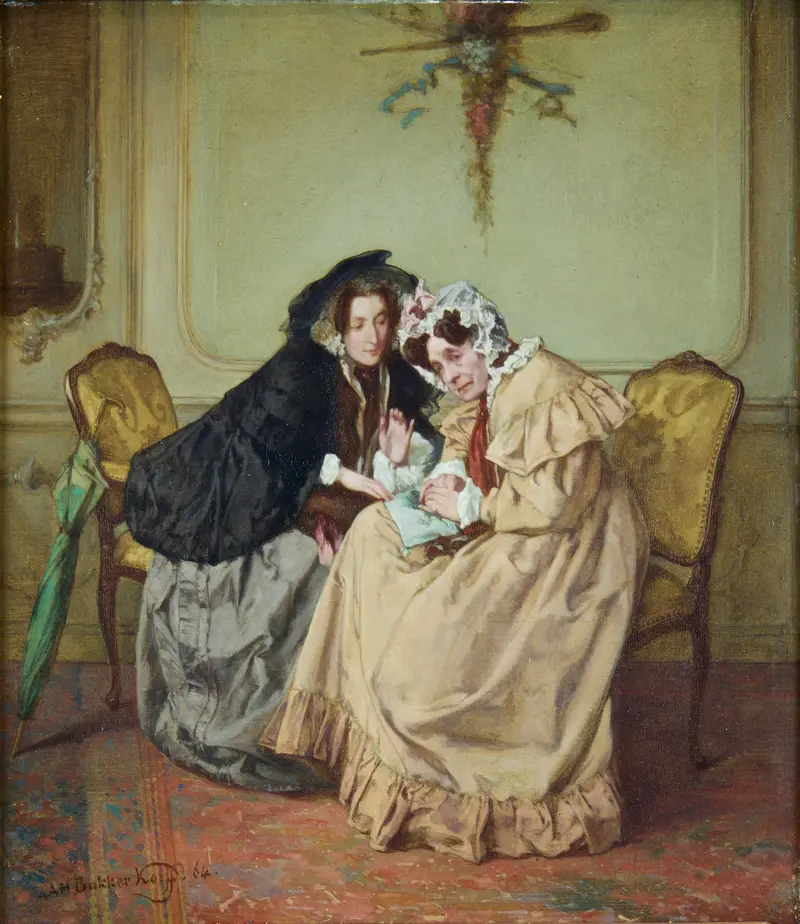
Het geheim DM 916 47 Dordrechts Museum
Alexander Hugo Bakker Korff
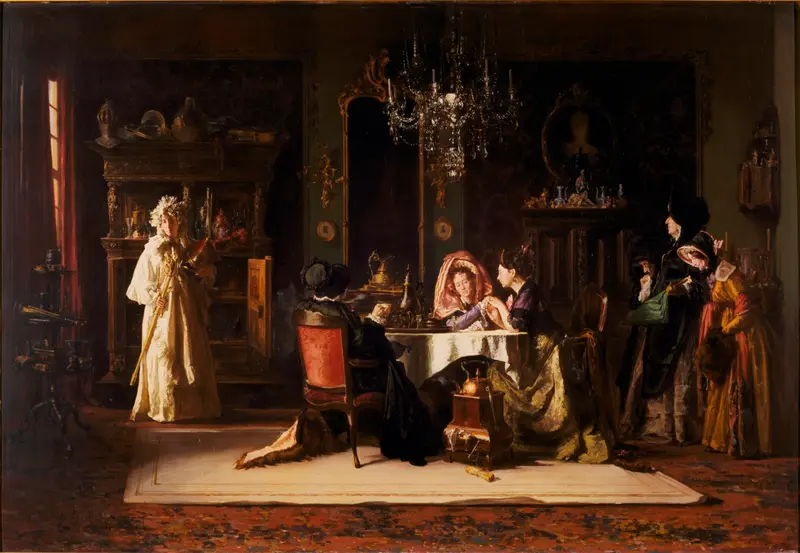
'La Fille du Héros' (The Hero's Daughter)
Alexander Hugo Bakker Korff
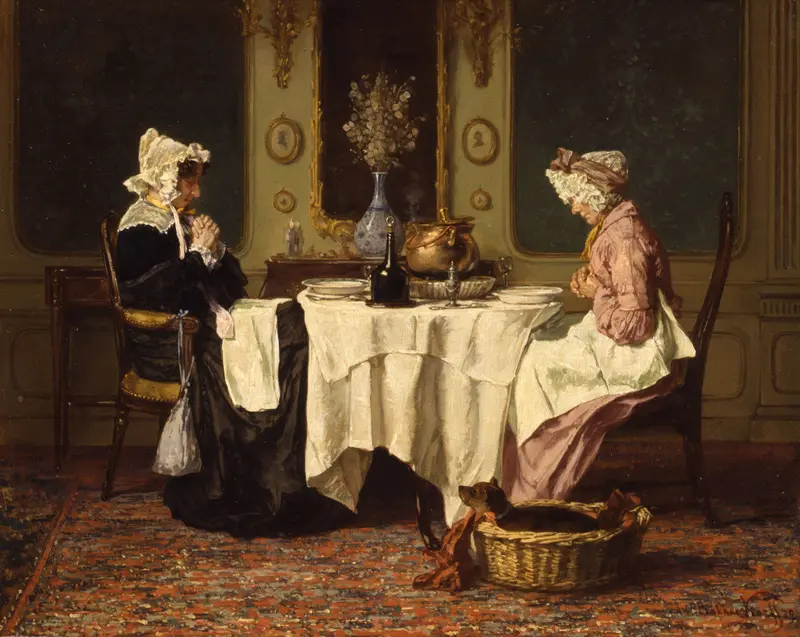
Drie oktober feest DM 938 48 Dordrechts Museum
Alexander Hugo Bakker Korff
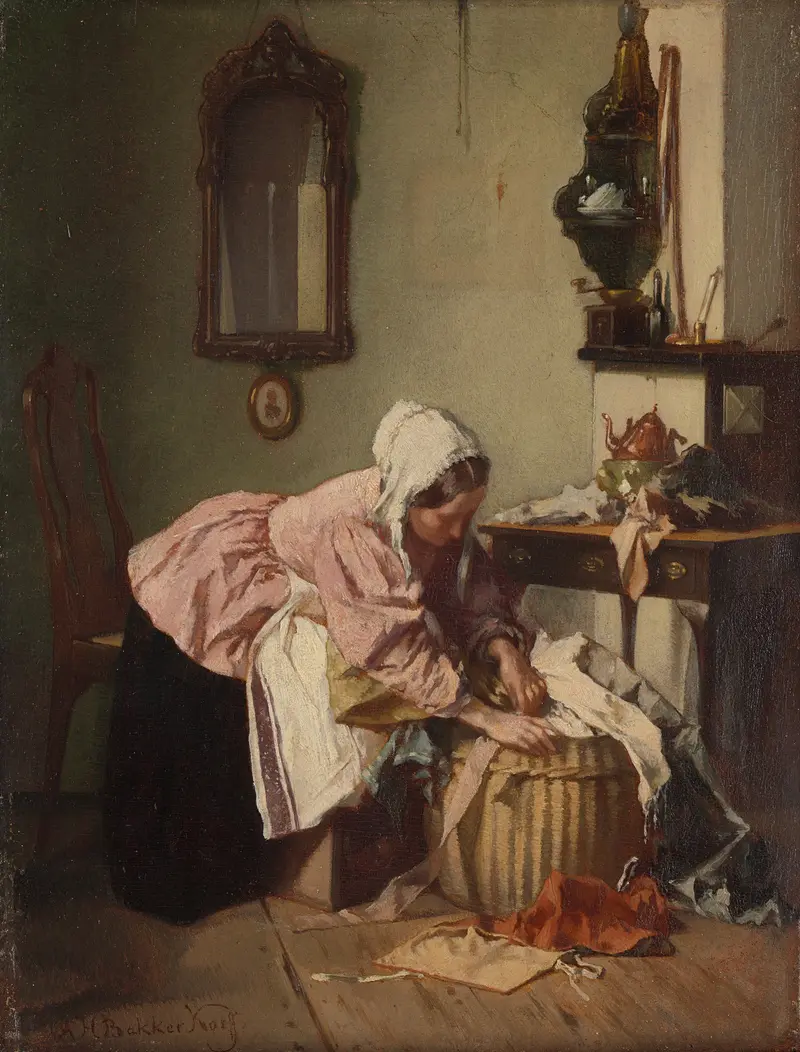
The Rag Basket
Alexander Hugo Bakker Korff
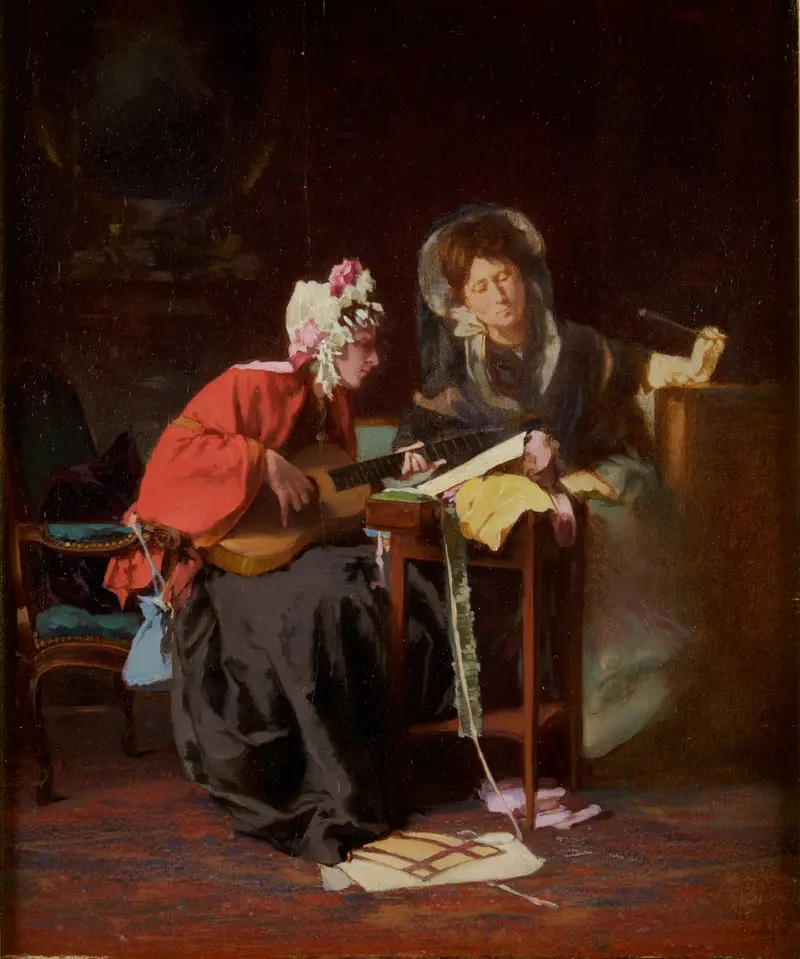
Gitaarles VBL 8 Dordrechts Museum
Alexander Hugo Bakker Korff
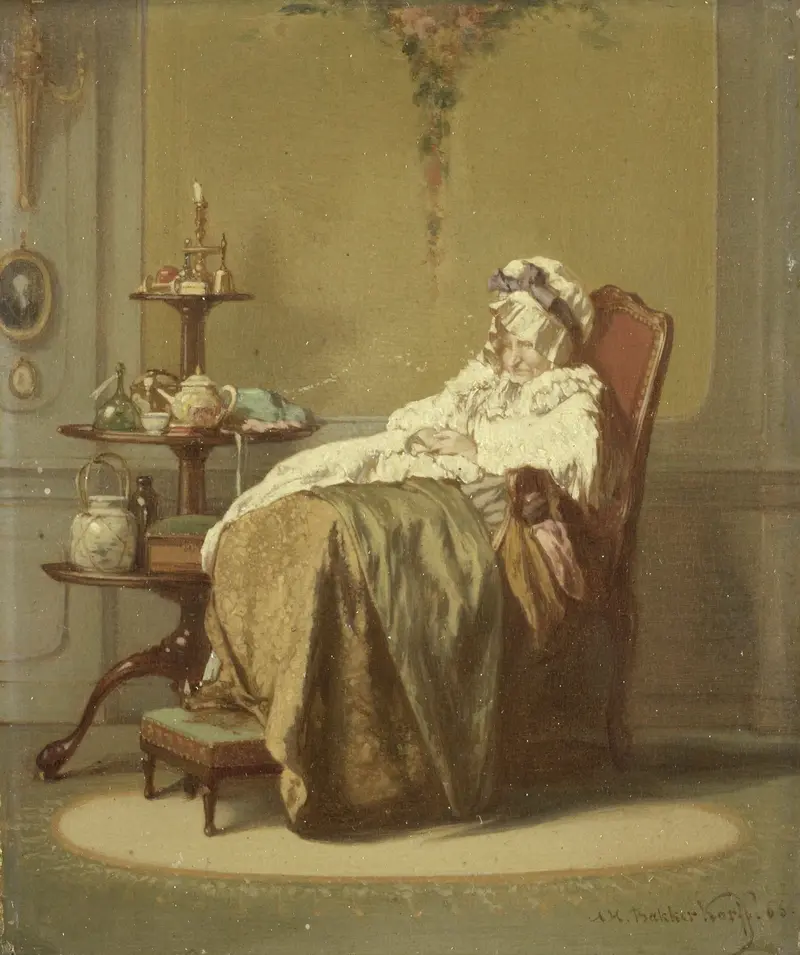
Taking a Nap
Alexander Hugo Bakker Korff
More Genre Scene Art

Banquet of the Officers of the St George Civic Guard
Frans Hals

Rembrandt and Saskia in the Scene of the Prodigal Son
Rembrandt van Rijn

Bal du moulin de la Galette
Pierre-Auguste Renoir

Quadrille at the Moulin Rouge
Henri de Toulouse-Lautrec

A Burial at Ornans
Gustave Courbet

When Will You Marry?
Paul Gauguin