
The Waffle Maker — History & Facts
A moment of quiet industry draws the viewer in: a woman, absorbed in her task, leans over a heavy iron waffle maker, her concentration as palpable as the warmth that must radiate from the hearth. The checkered tiles beneath her knees, the copper pots gleaming softly in the background, and the careful drape of her apron all speak to a world where domestic routines are both labor and ritual. The painter, Alexander Hugo Bakker Korff, chooses not the drama of grand events but the intimacy of everyday life, using the fall of light across her cap and shoulders to anchor the eye.
The palette is muted but rich, the browns and ochres lending a sense of enclosed comfort, while the geometric floor draws the viewer deeper into the scene. Painted sometime between circa 1850 and circa 1882, this work belongs to a long tradition of Dutch genre painting, where artists found dignity and even a kind of poetry in the ordinary. In the mid-nineteenth century, such scenes were both a nod to the Golden Age and a reflection of contemporary ideals about home and virtue. Collectors and the rising middle class prized these glimpses into kitchens and parlors, where the drama lay in the details—a well-scrubbed floor, the glint of copper, the absorbed expression of a cook at work.
While history has kept few traces of The Waffle Maker’s journey, it now resides in the Rijksmuseum collection, inviting us to linger over the quiet artistry of daily life.
More Artworks by Alexander Hugo Bakker Korff
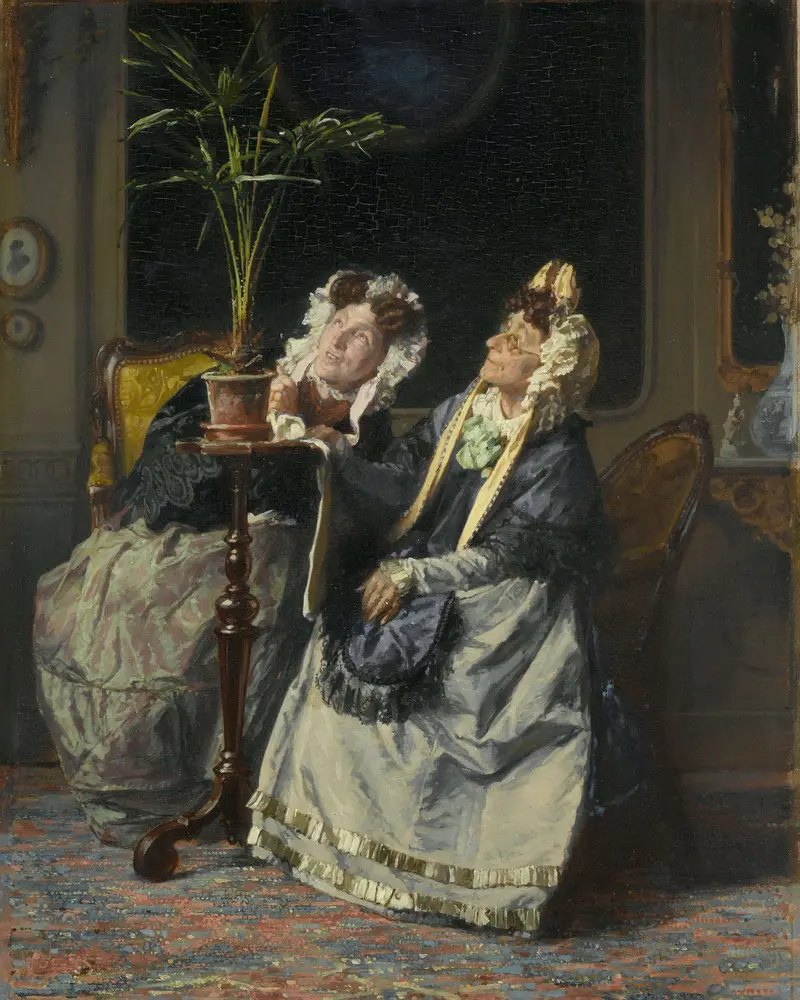
Under the Palms
Alexander Hugo Bakker Korff
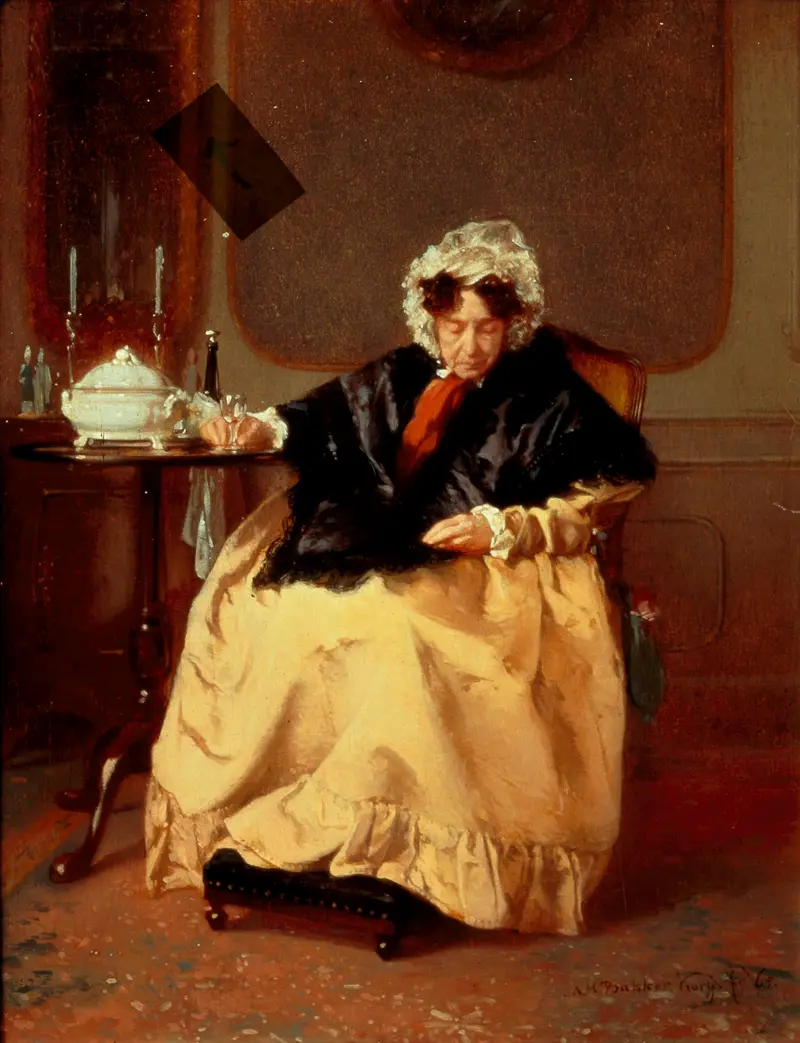
Bouillon en een glas port
Alexander Hugo Bakker Korff
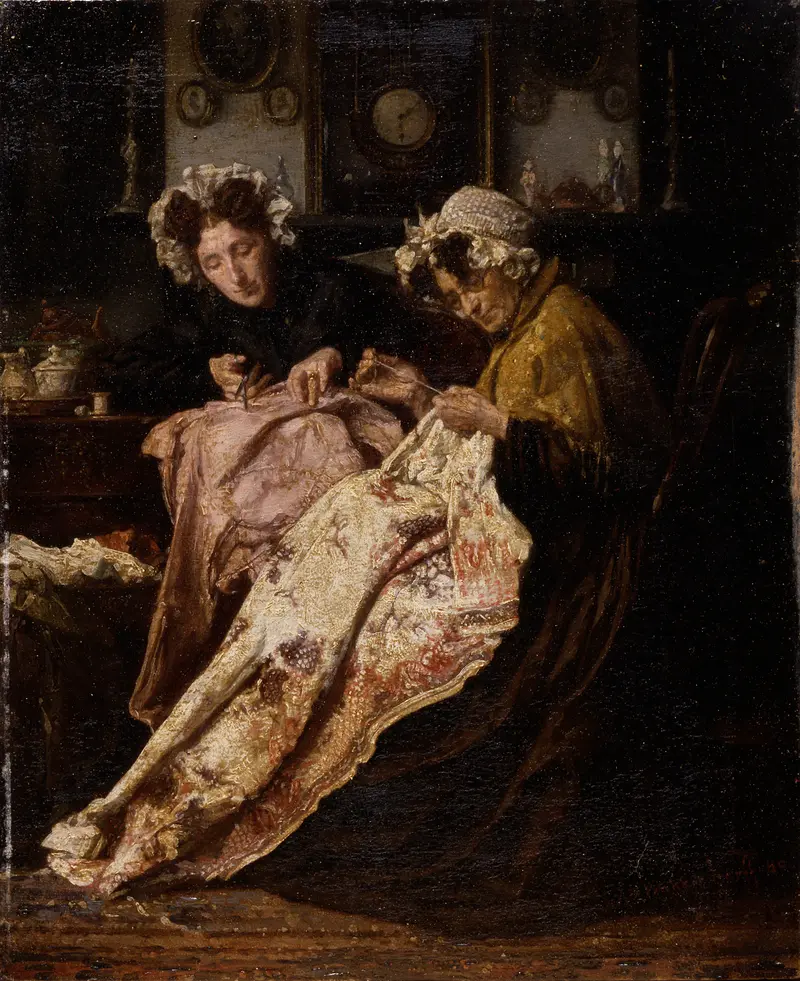
The Seamstress
Alexander Hugo Bakker Korff
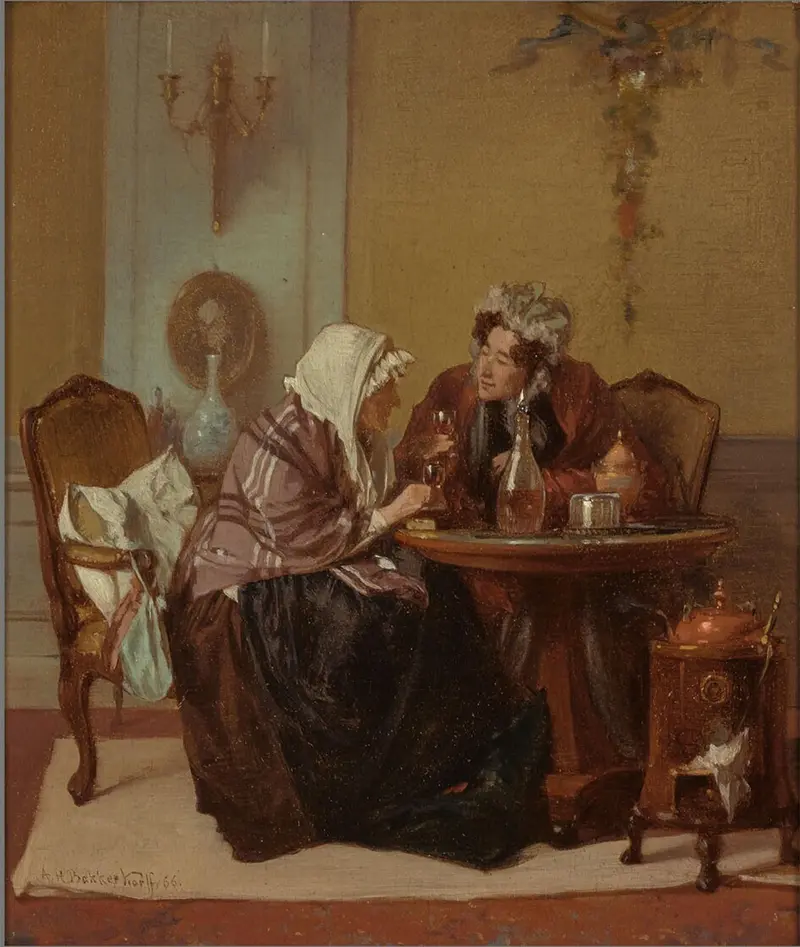
La convalescente
Alexander Hugo Bakker Korff
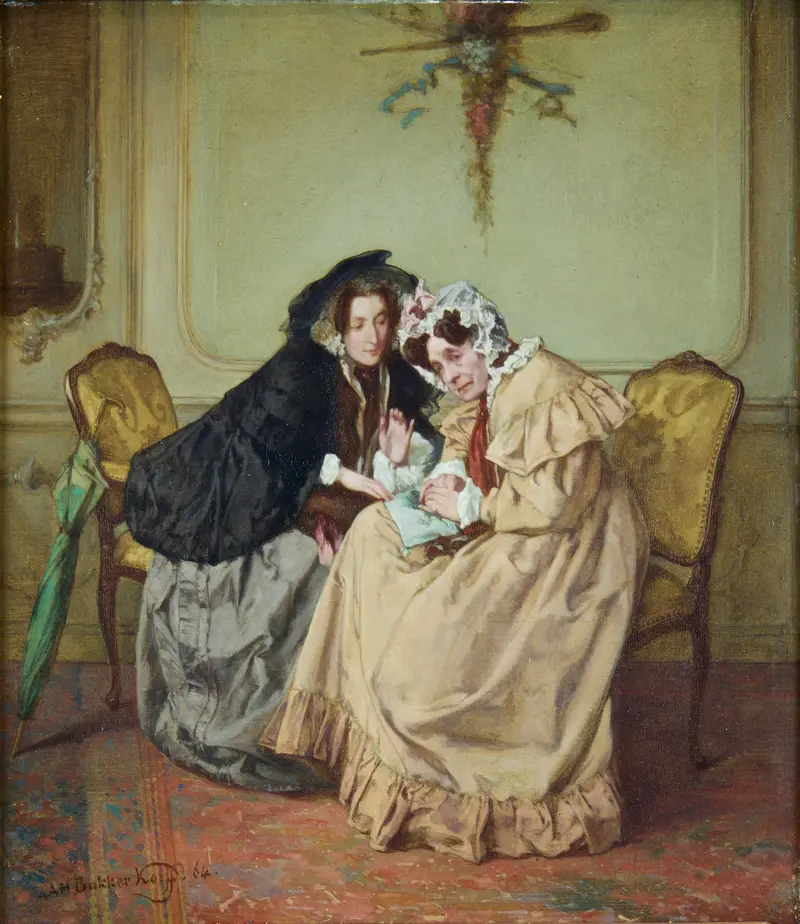
Het geheim DM 916 47 Dordrechts Museum
Alexander Hugo Bakker Korff
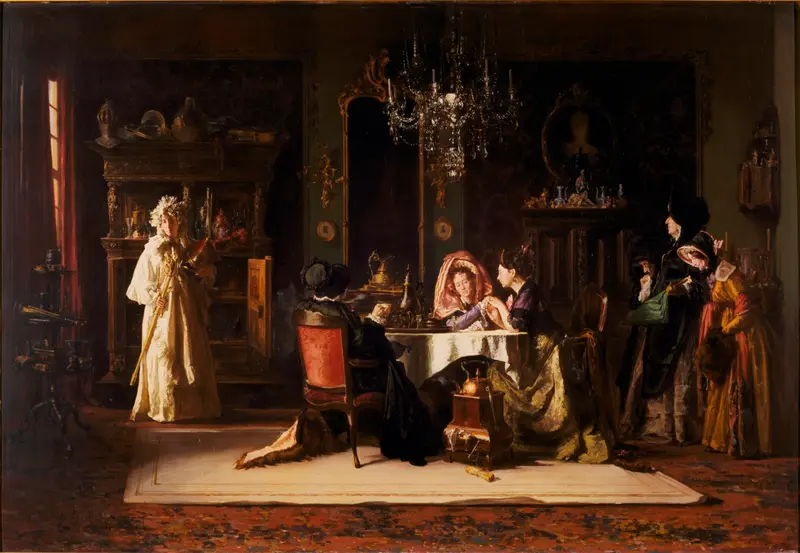
'La Fille du Héros' (The Hero's Daughter)
Alexander Hugo Bakker Korff
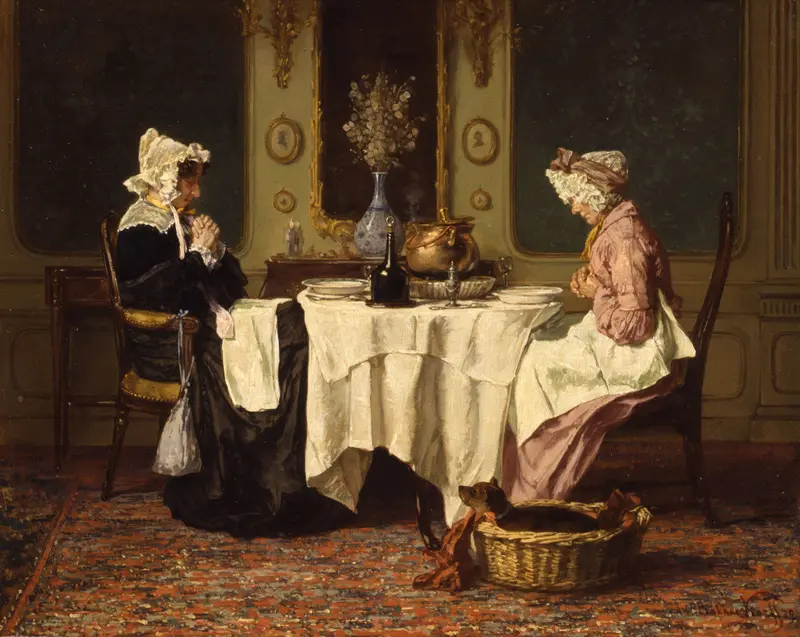
Drie oktober feest DM 938 48 Dordrechts Museum
Alexander Hugo Bakker Korff
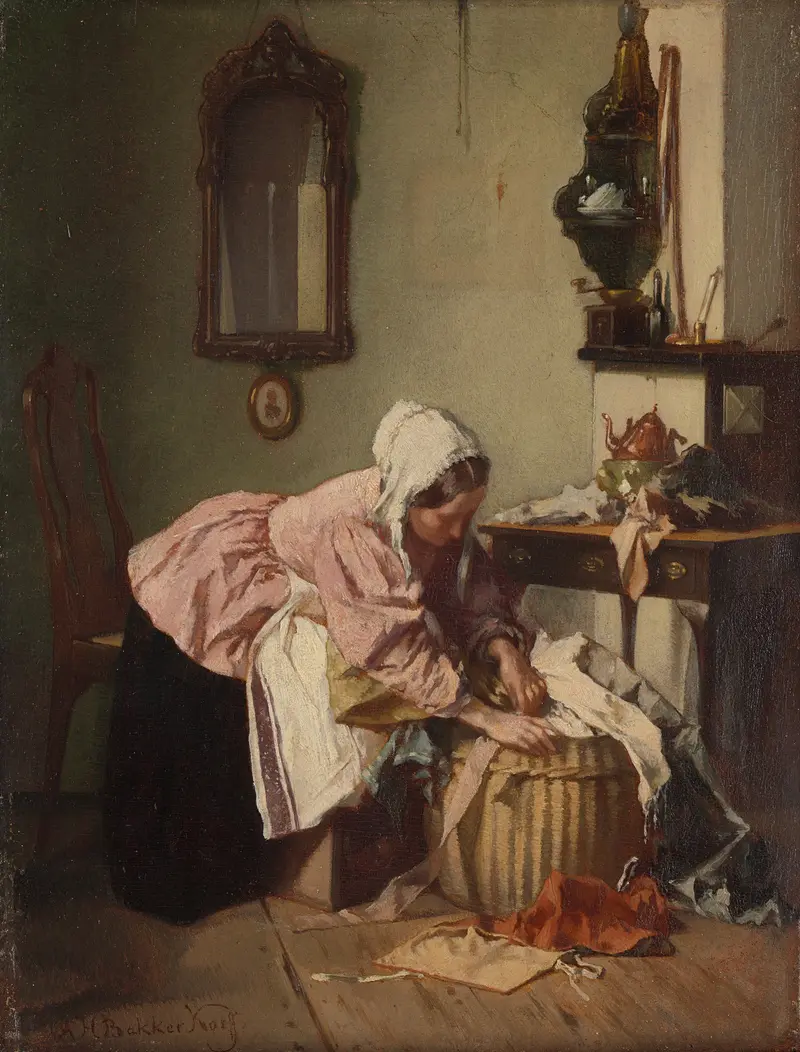
The Rag Basket
Alexander Hugo Bakker Korff
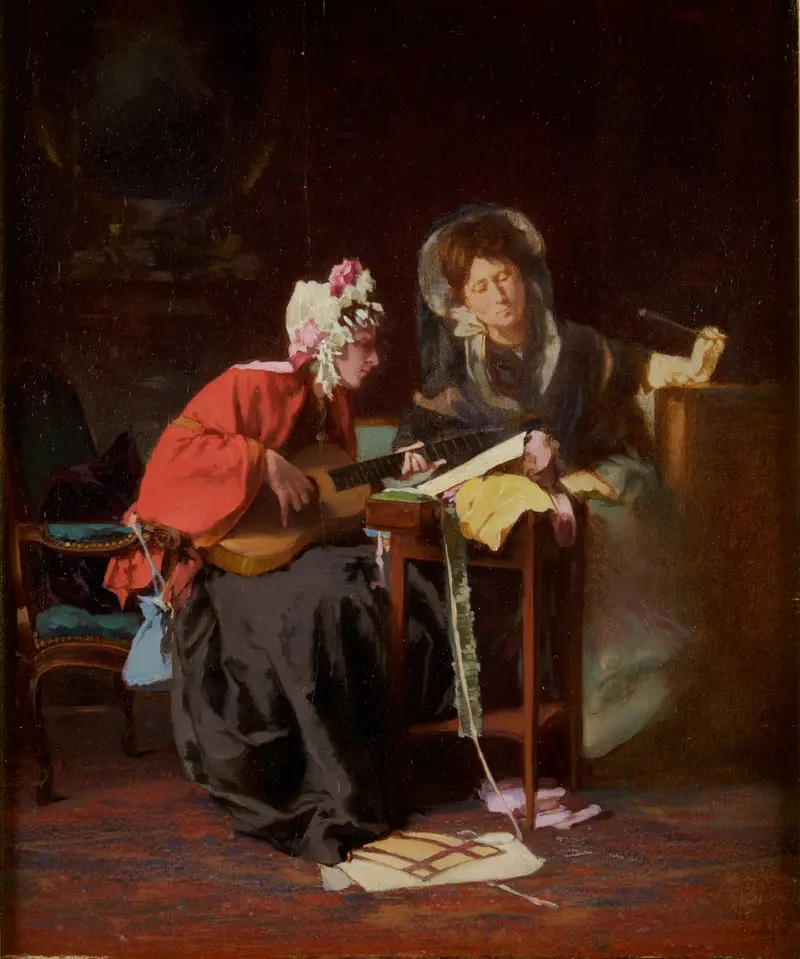
Gitaarles VBL 8 Dordrechts Museum
Alexander Hugo Bakker Korff
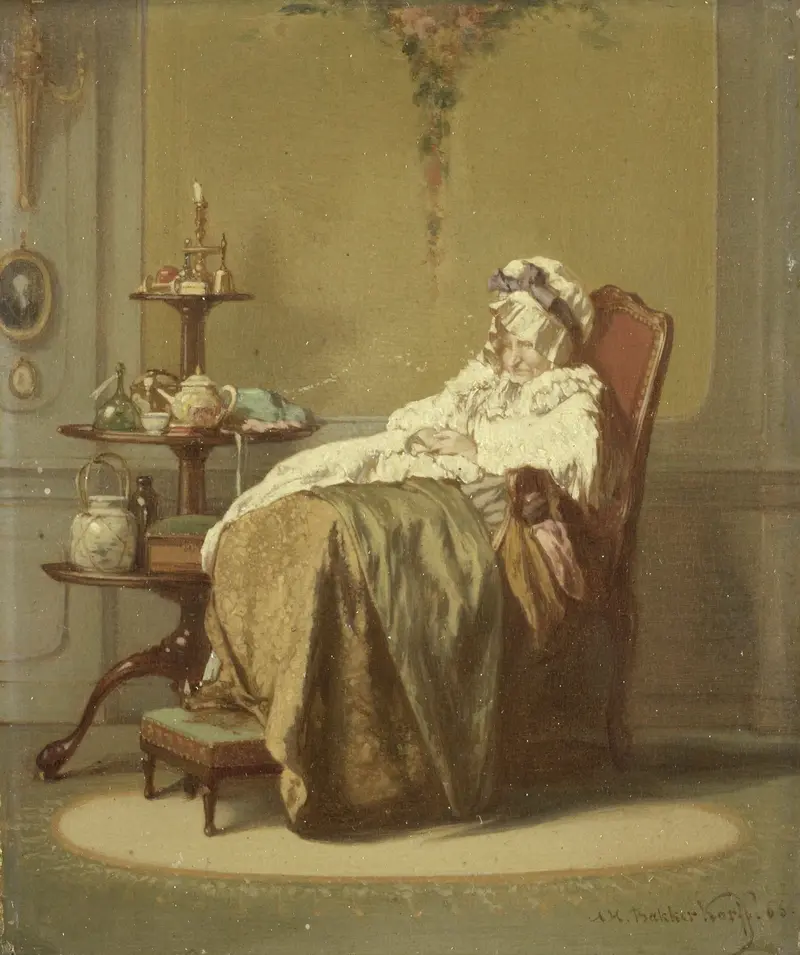
Taking a Nap
Alexander Hugo Bakker Korff
More Genre Scene Art

Banquet of the Officers of the St George Civic Guard
Frans Hals

Rembrandt and Saskia in the Scene of the Prodigal Son
Rembrandt van Rijn

Bal du moulin de la Galette
Pierre-Auguste Renoir

Quadrille at the Moulin Rouge
Henri de Toulouse-Lautrec

A Burial at Ornans
Gustave Courbet

When Will You Marry?
Paul Gauguin