
Hl. Magdalena 1762 Bavarian State Painting Collections — History & Facts
What draws the eye first is not the famous skull or the jeweled cup, but the face—flushed, luminous, and turned away, as if caught between worlds. The woman’s gaze drifts upward, heavy with longing or regret, her hands nervously entwined in her lap. Rich fabrics spill around her, their folds and colors echoing the drama of her inner turmoil.
At her elbow, a tangle of jewelry and a skull lie side by side, the vanities of her past life and the certainty of mortality set in silent argument. Light falls across her chest and face, heightening the sense of revelation, while the darkened background presses in, isolating her in her moment of reckoning. This painting belongs to the tradition of the Penitent Magdalene, a subject beloved in late Renaissance and early Baroque Europe for its blend of sensuality and repentance. Created between 1575 and 1632, this work by Abraham Janssens reflects a world fascinated by dramatic transformation—where saints were painted not as remote icons but as flesh-and-blood beings wrestling with their choices.
Such images were often commissioned for private devotion, inviting viewers to contemplate their own lives through the Magdalene’s story. Today, the painting is held in the Bavarian State Painting Collections, its origins and journey largely unrecorded, but its emotional charge undimmed: a reminder, as you look again, of the power of a single, searching glance.
More Artworks by Abraham Janssens

Jupiter Rebuked by Venus
Abraham Janssens
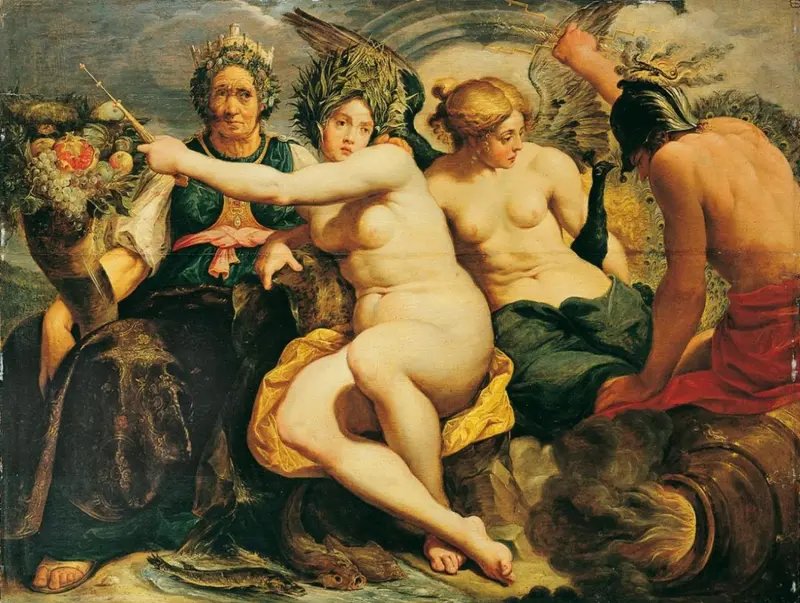
Allegorie der vier Elemente
Abraham Janssens
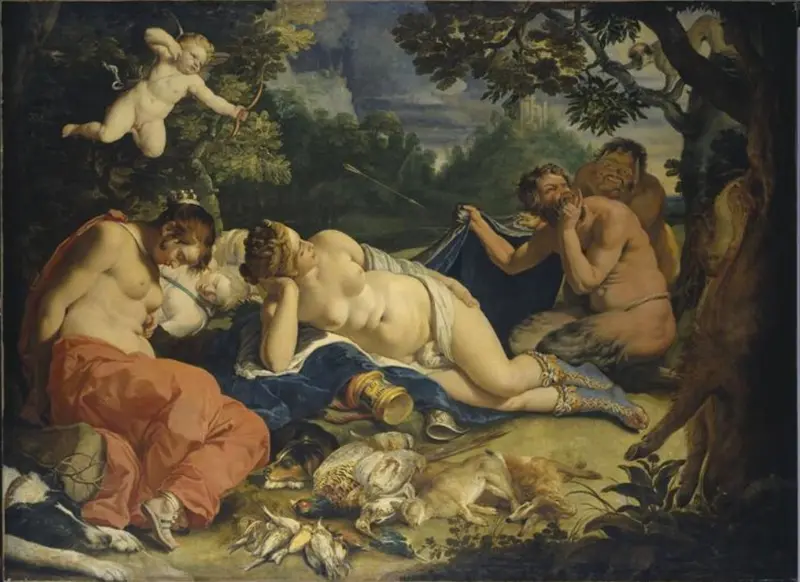
Diana and her nymphs spied on by satyrs
Abraham Janssens

Die Erweckung des Lazarus 153 Bavarian State Painting Collections
Abraham Janssens
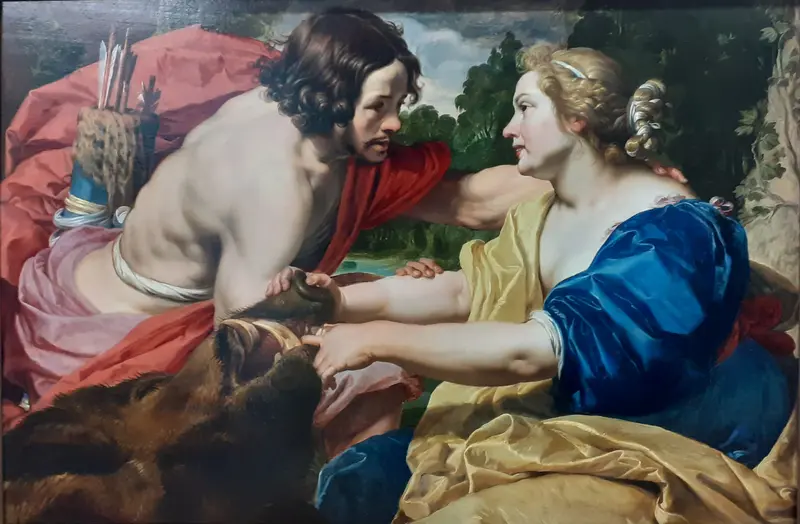
Meleager presents the head of the Calydonian Boar to Atalanta
Abraham Janssens
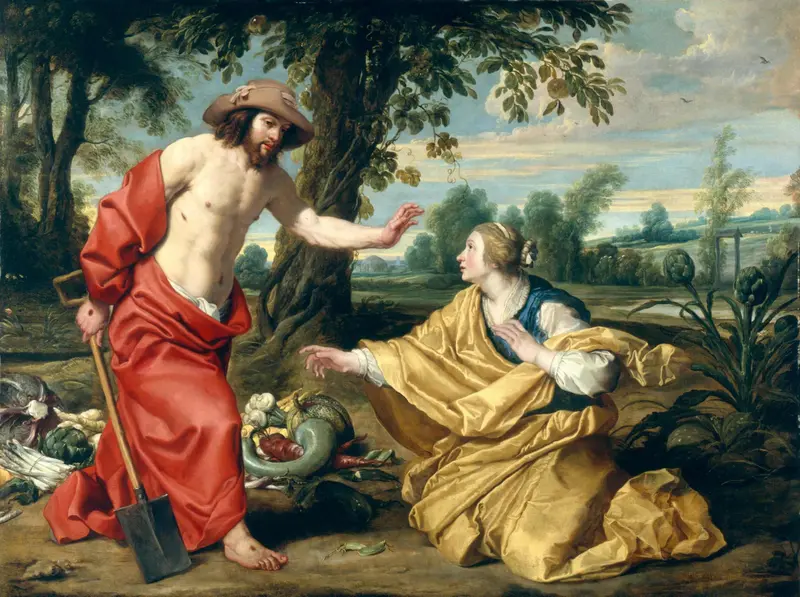
Noli me Tangere
Abraham Janssens
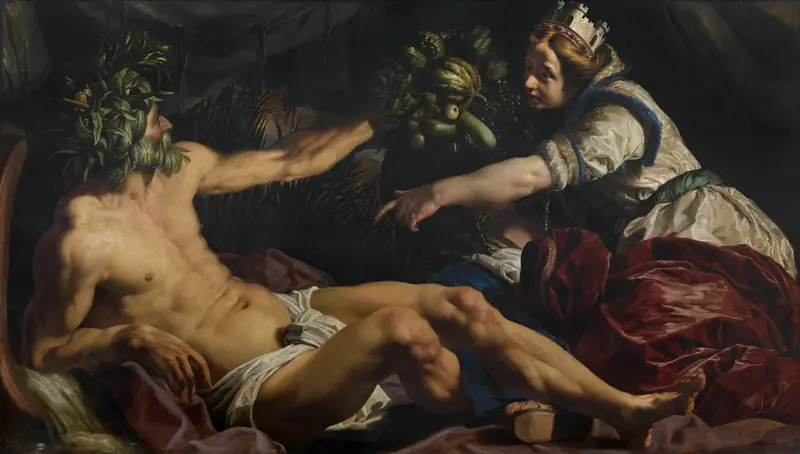
Scaldis and Antverpia
Abraham Janssens
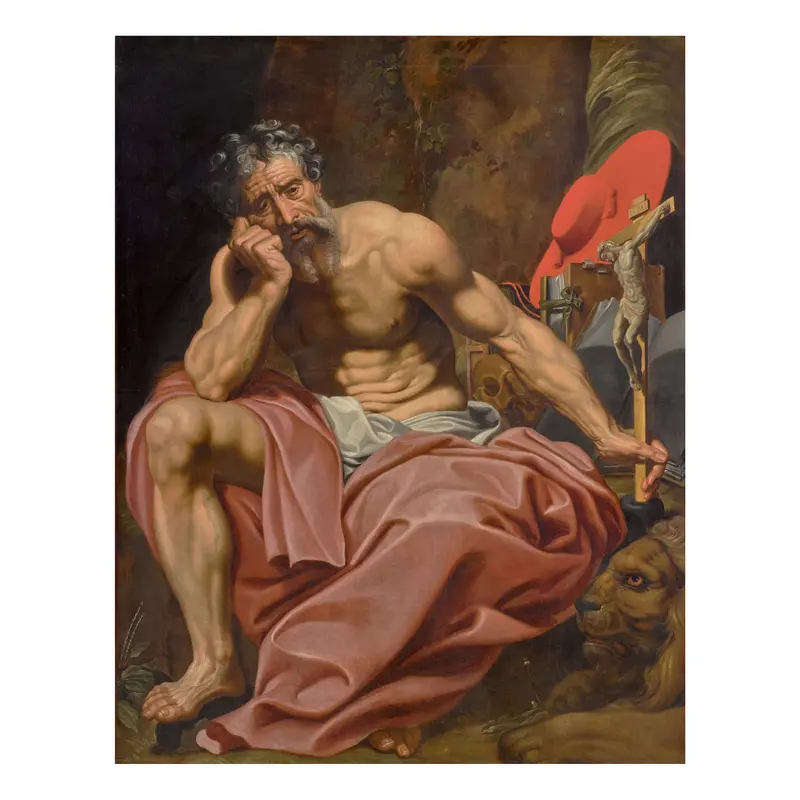
Saint Jerome
Abraham Janssens
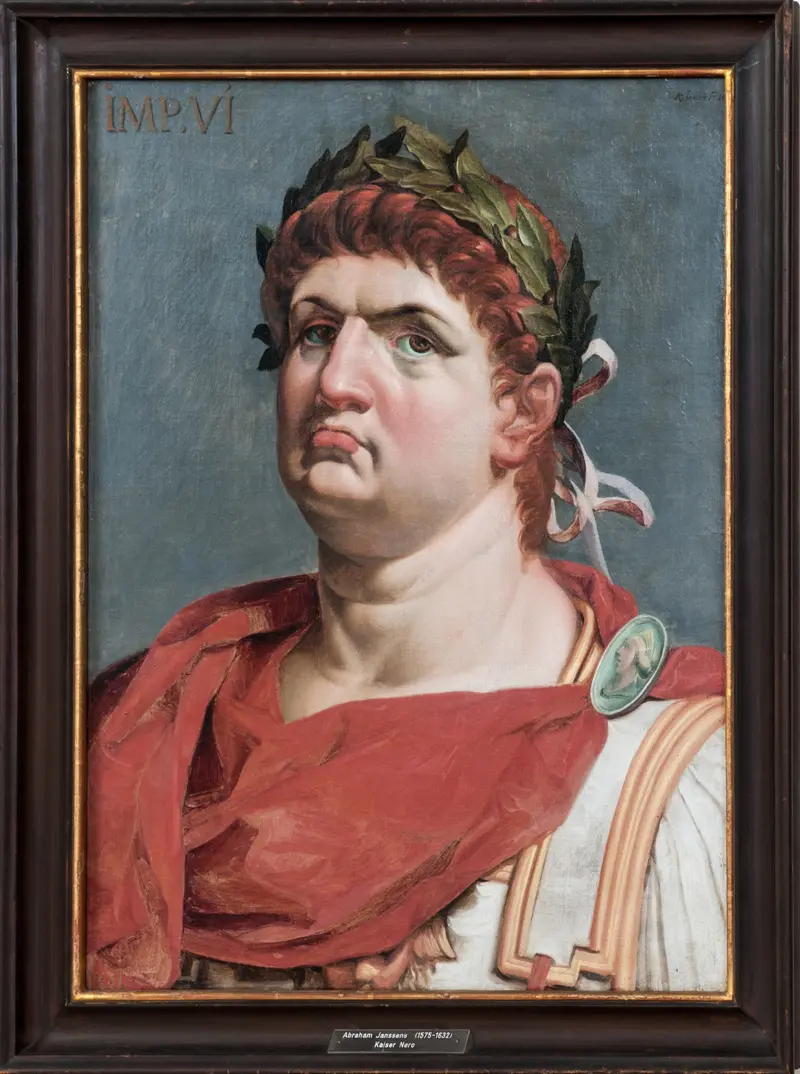
Nero
Abraham Janssens
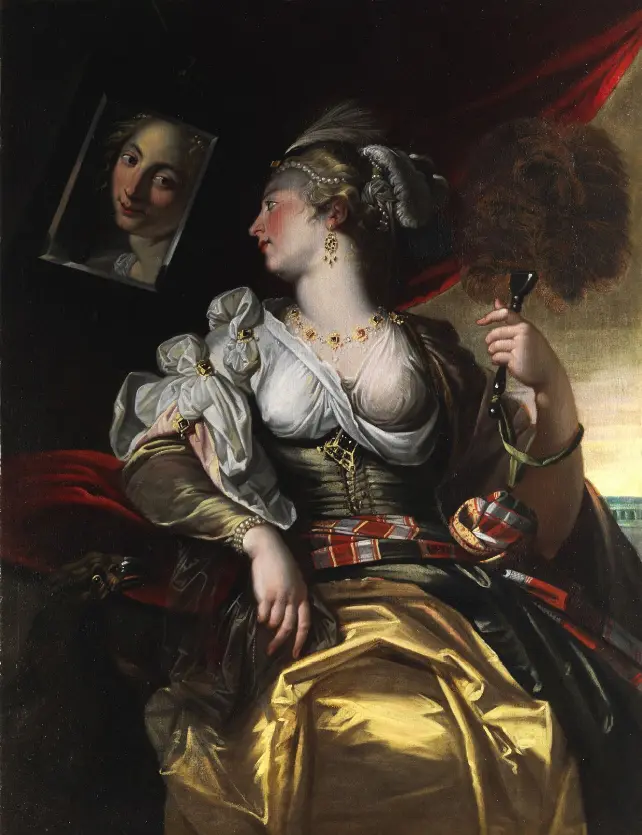
The Face
Abraham Janssens





