
Hopfenblüte Female Card Player — History & Facts
In Hopfenblüte Female Card Player, Edvard Munch presents a woman seated at a table, deeply focused on her card game. The colors are rich and bold, with deep greens and warm browns dominating the palette. The figure is depicted with expressive brushstrokes, emphasizing her concentration and the social atmosphere around her.
The setting appears intimate, suggesting a moment of leisure and engagement. The painting is executed in oil on canvas, showcasing Munch's characteristic style of bold colors and dynamic forms. The texture of the brushwork adds depth to the scene, inviting viewers to feel the tension and excitement of the game. The composition is balanced, with the player centrally positioned, drawing attention to her expression and the cards in her hand.
This work exemplifies Munch's interest in human emotions and interactions. Edvard Munch, known for his exploration of psychological themes, created Hopfenblüte Female Card Player during a period when he was experimenting with genre scenes. This painting reflects his ability to capture the nuances of everyday life, particularly the complexities of social interactions. An interesting fact about this work is that it showcases Munch's transition from more abstract themes to a focus on specific human experiences.
The painting remains in a private collection, making it less accessible to the public.
More Artworks by Edvard Munch

The Scream
Edvard Munch

The Scream (1910 version)
Edvard Munch

Despair
Edvard Munch

The Day After
Edvard Munch
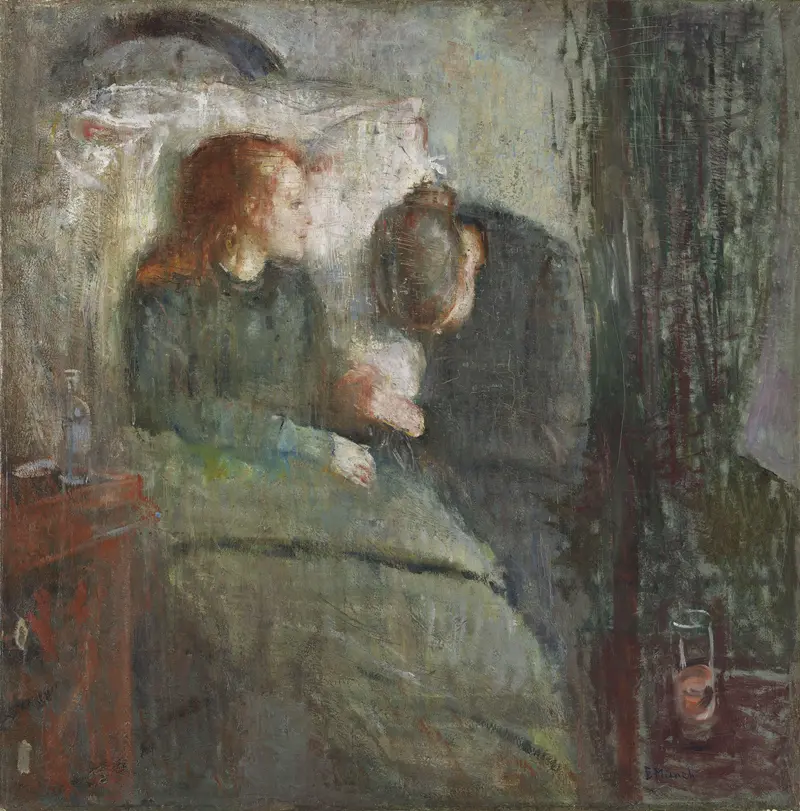
The Sick Child
Edvard Munch
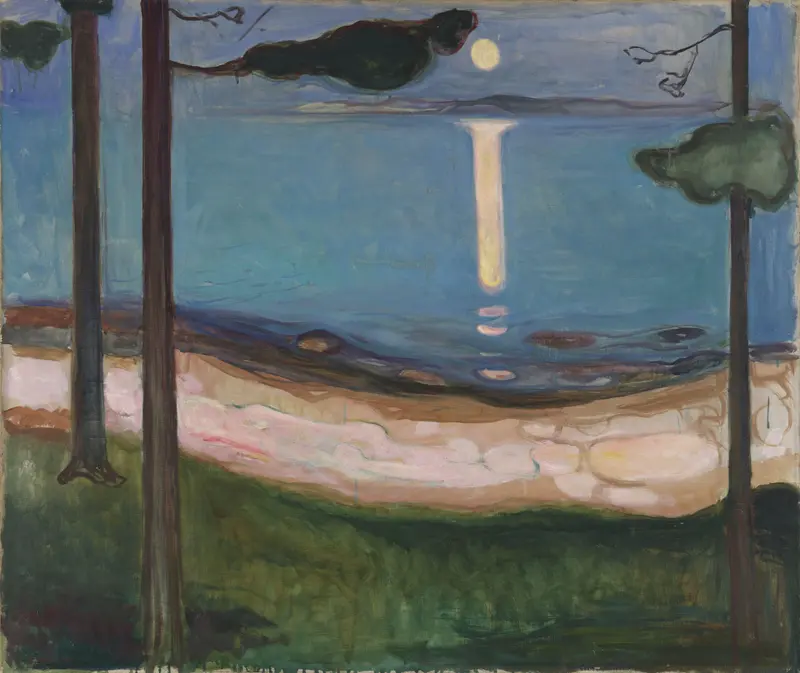
Moonlight
Edvard Munch
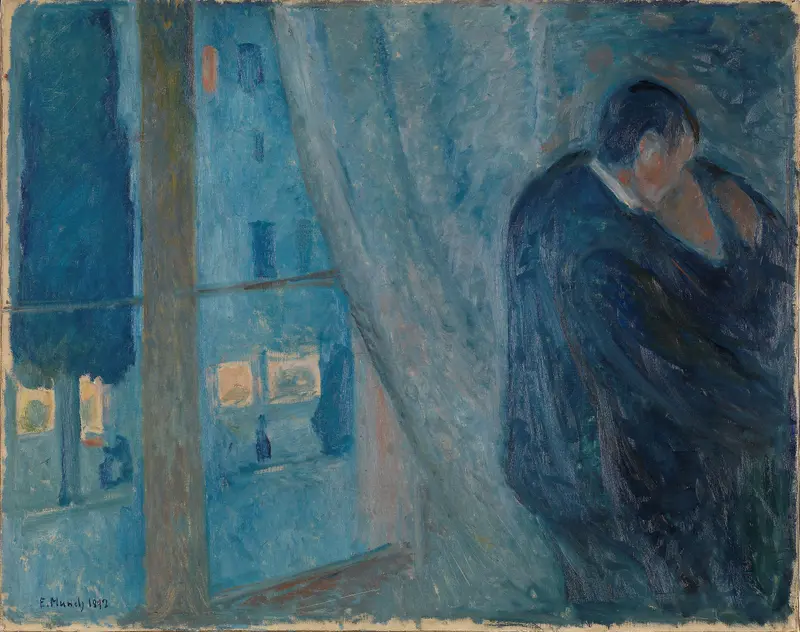
The Kiss
Edvard Munch
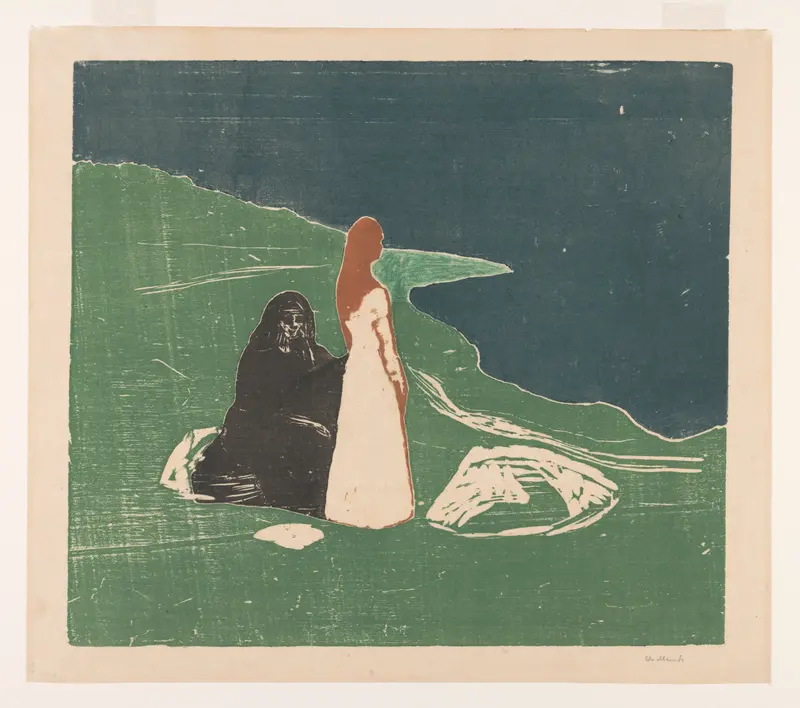
Two Women on the Shore
Edvard Munch
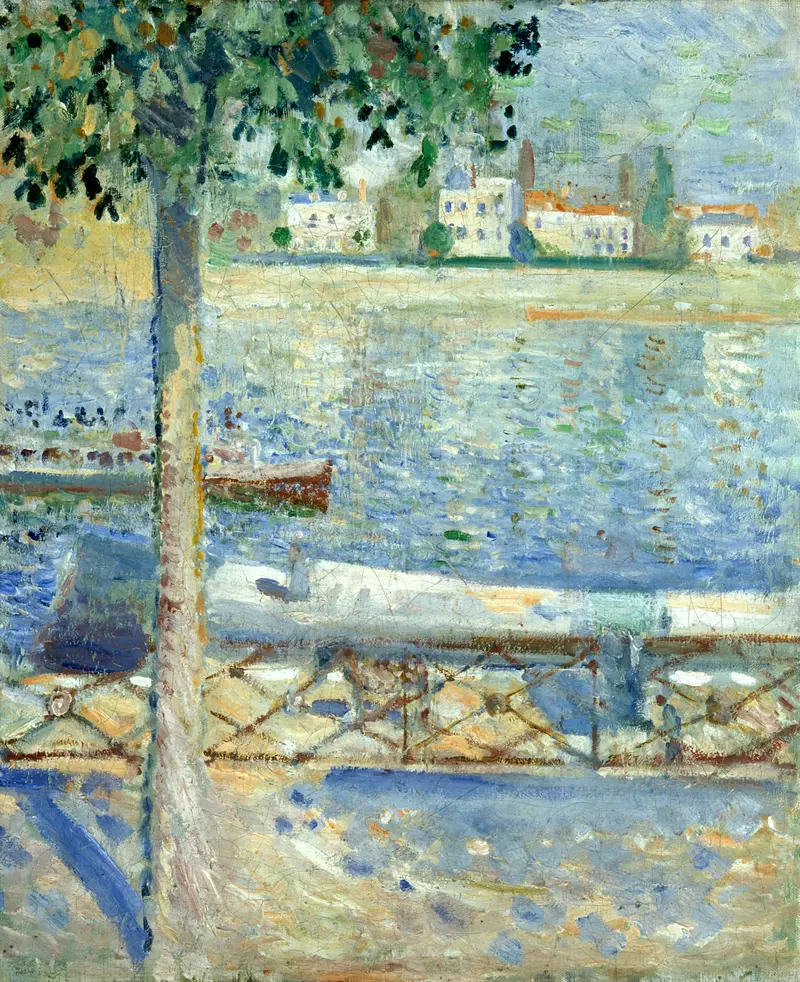
The Seine At Saint-Cloud
Edvard Munch
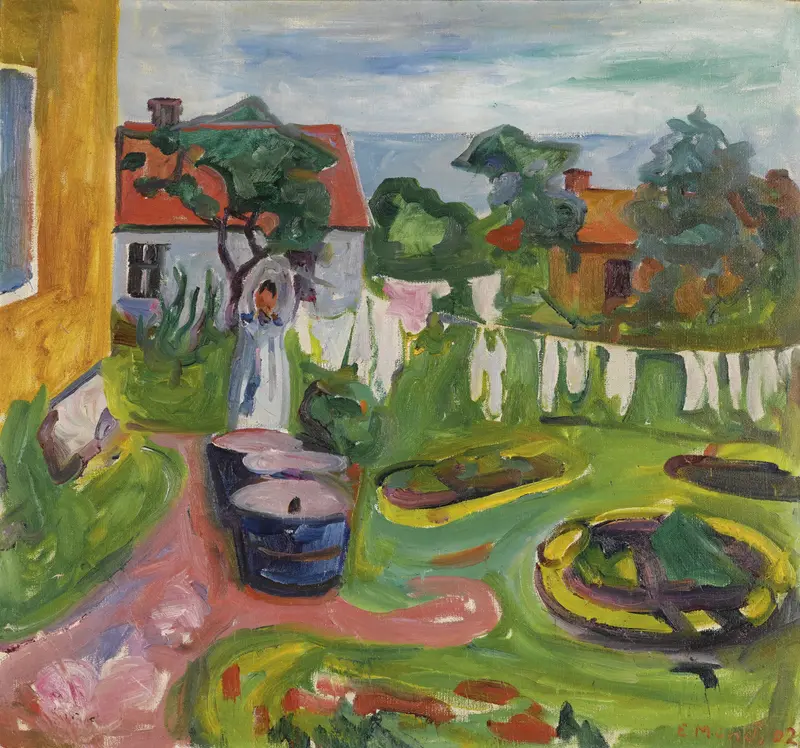
Klestørk I Åsgårdstrand (Clothes On A Line In Åsgårdstrand)
Edvard Munch
More Genre Scene Art

Banquet of the Officers of the St George Civic Guard
Frans Hals

Rembrandt and Saskia in the Scene of the Prodigal Son
Rembrandt van Rijn

Bal du moulin de la Galette
Pierre-Auguste Renoir

Quadrille at the Moulin Rouge
Henri de Toulouse-Lautrec

A Burial at Ornans
Gustave Courbet

When Will You Marry?
Paul Gauguin