
Horse Stopped by Four Young People — History & Facts
When Théodore Géricault exhibited Horse Stopped by Four Young People at the 1817 Paris Salon, critics immediately recognized its daring energy and modernity. This painting stands as one of the earliest examples of Géricault’s obsession with the horse—an animal that would haunt his imagination and reappear in his later, more famous works. The subject is not a myth or a grand historical event, but a scene drawn from contemporary life, capturing the fascination with equestrian spectacle that swept through post-Napoleonic France.
In a period still reeling from war, the image of youth and animal strength held a special charge. At the center, a powerful horse rears up, muscles taut and eyes wild, while four young men struggle to restrain it. The moment is one of suspended action: the animal’s hooves paw the air, the boys’ bodies twist and strain, each gesture a study in tension and control. Géricault’s brushwork amplifies the drama—broad, energetic strokes convey the sweat and panic of the moment, while the play of light across flanks and limbs turns the struggle into a kind of living sculpture.
Unlike George Stubbs’s serene equine portraits, Géricault’s horse is not an object of beauty but a force of nature, barely contained by human will. The exact medium of Horse Stopped by Four Young People remains uncertain, and its early history is not fully documented, but the painting is typical of Géricault’s youthful output, before his monumental The Raft of the Medusa. It reflects the artist’s training in the academic tradition, yet already hints at the emotional intensity and realism that would define the Romantic movement. Today, the work survives as a testament to Géricault’s restless spirit and his lifelong fascination with the drama of man and beast—a theme that would shape his short, brilliant career.
More Artworks by Théodore Géricault
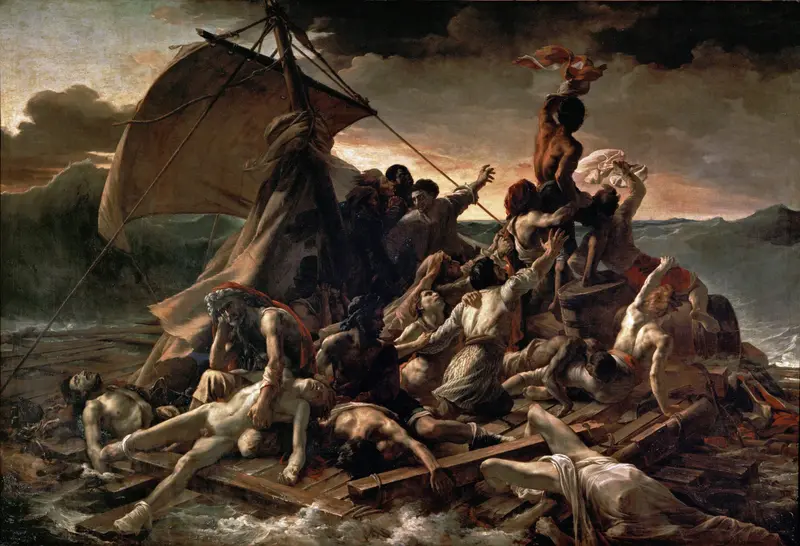
The Raft of the Medusa
Théodore Géricault

Géricault - Le naufrage du radeau de la Méduse, MBA 790
Théodore Géricault
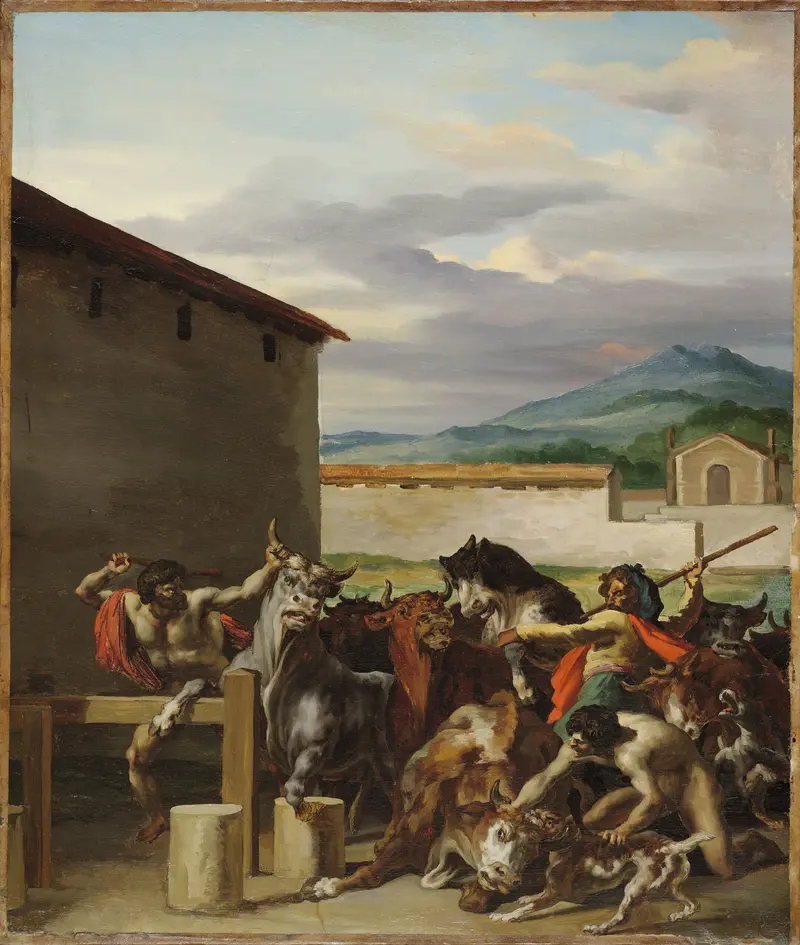
Cattle Market
Théodore Géricault
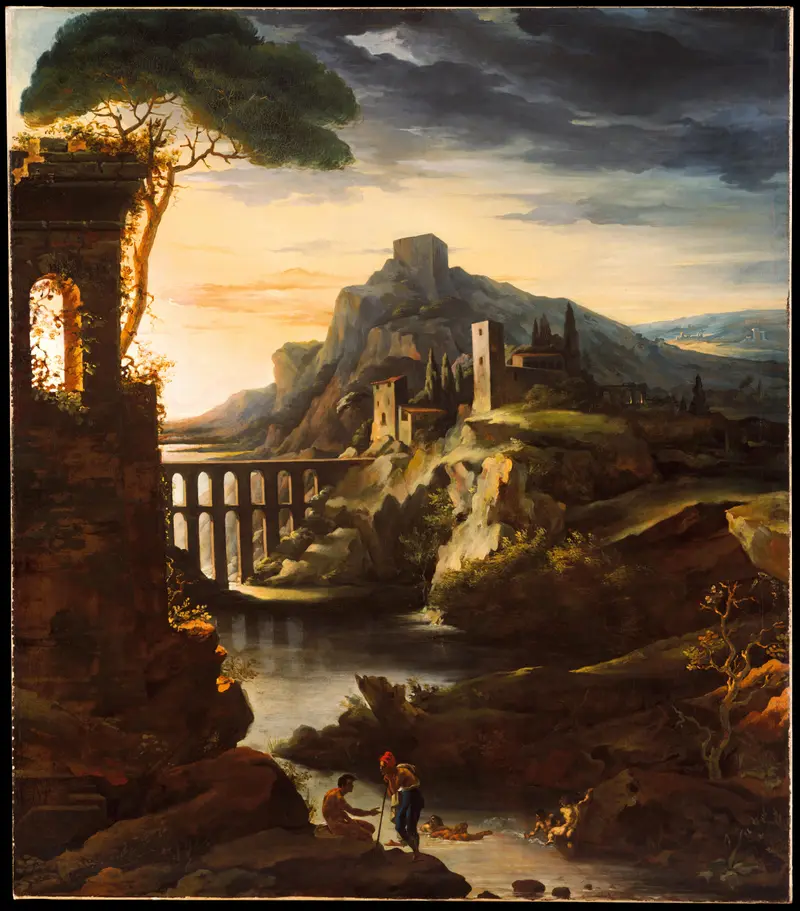
Evening; Landscape with an Aqueduct
Théodore Géricault
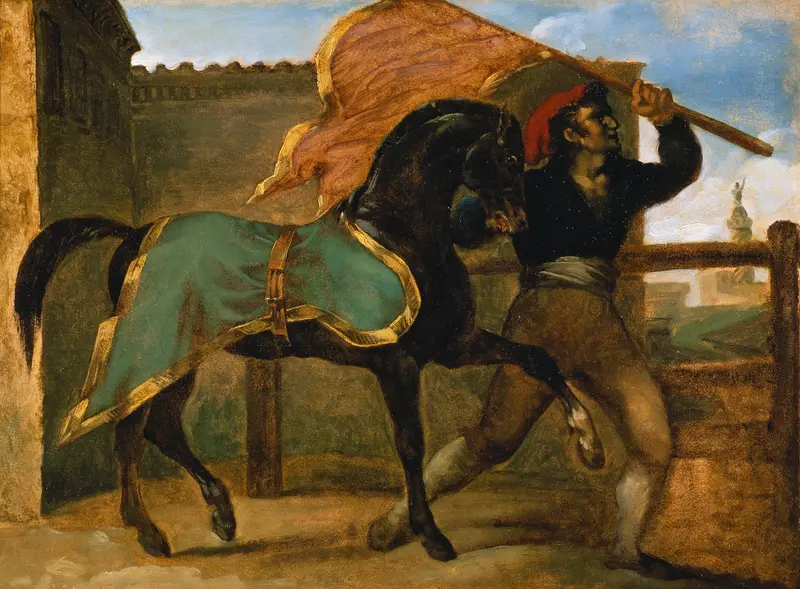
Horse Race
Théodore Géricault

Horses Standing in a Mews
Théodore Géricault
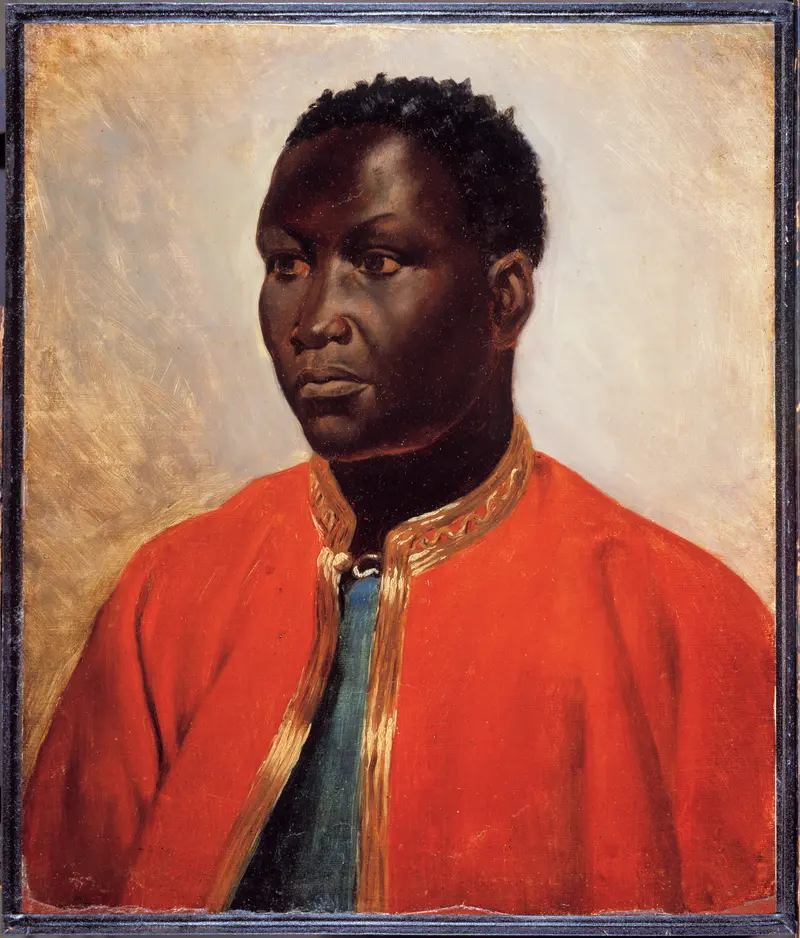
Portrait of a Negro
Théodore Géricault
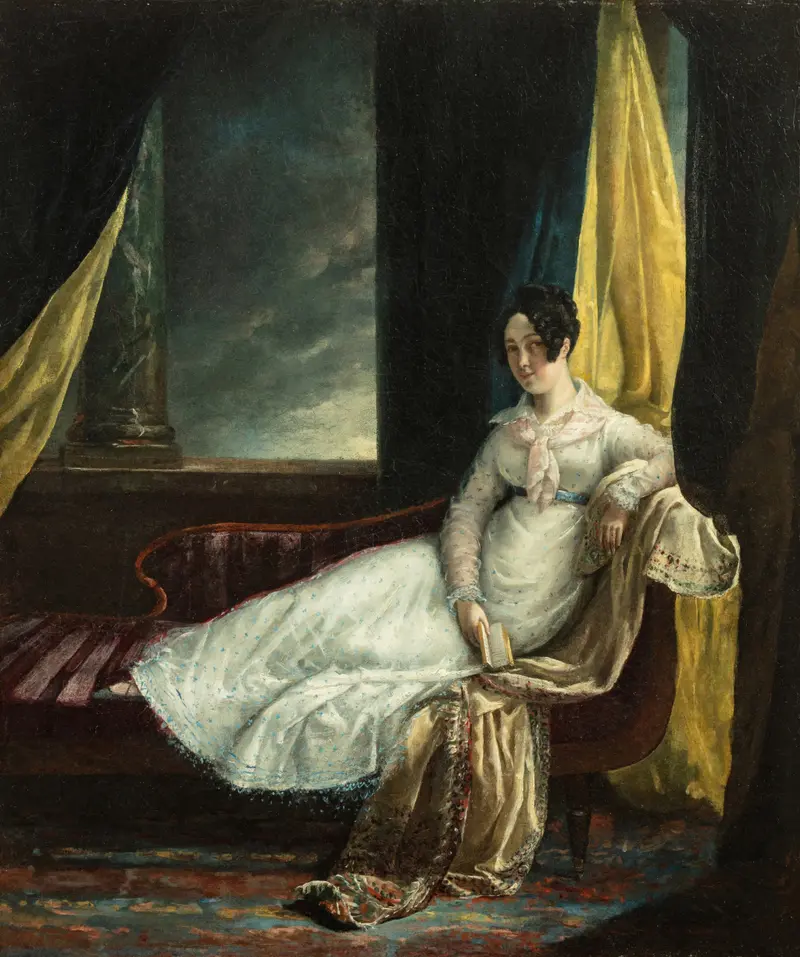
Portrait of Zoë Elmore
Théodore Géricault
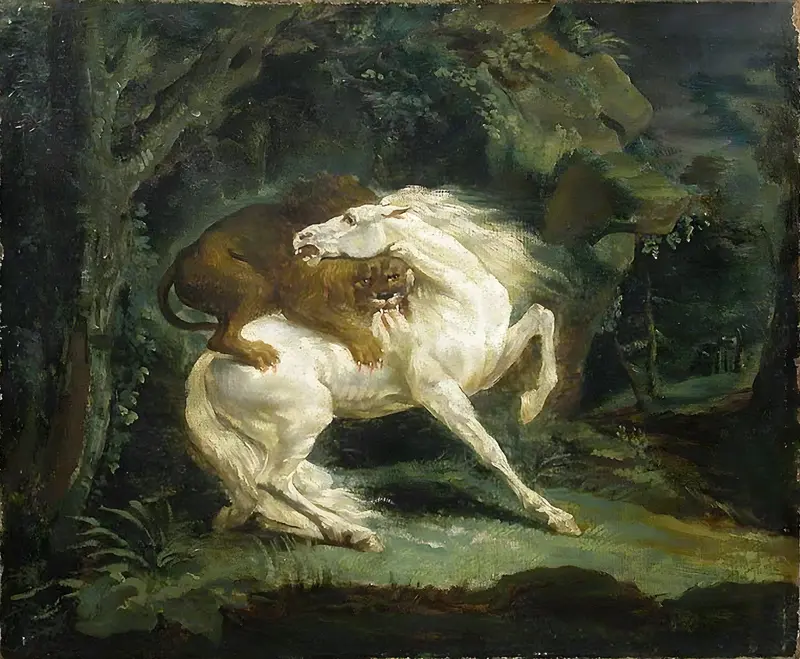
Cheval attaqué par un lion
Théodore Géricault
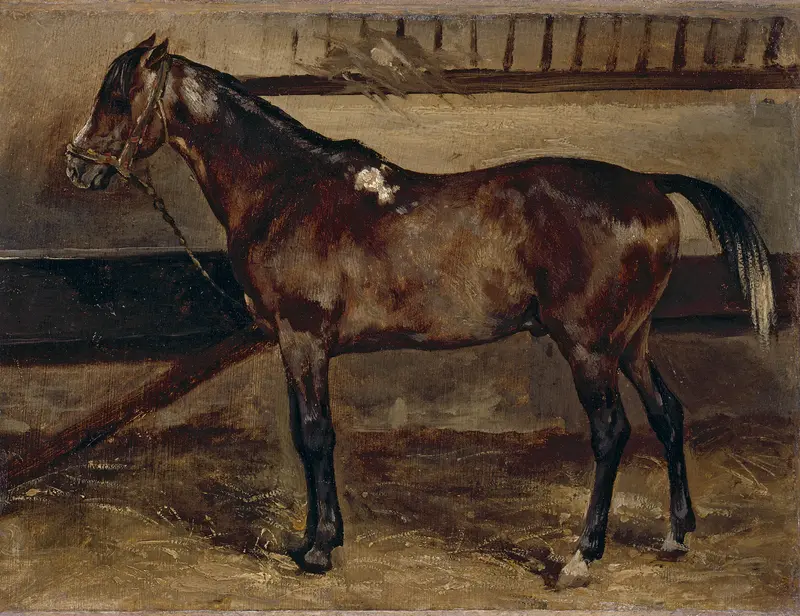
Cheval brun à l'écurie
Théodore Géricault





