
How Well We Go Together — History & Facts
Two owls, strutting across a frozen pond in human garb, fix the viewer with a gaze at once comical and faintly conspiratorial. The banner above them, inscribed in Dutch, sets the tone: “How well we go together!” Their mismatched costumes — one in a ruff and black cloak, the other in a peasant’s cap and patched jacket — are not just fanciful dress but a sly commentary. The exaggerated shoes, curling at the toes, and the determined set of their beaks suggest a parody of human vanity and social ambition.
The wintery landscape, rendered in muted browns and blues, sharpens the sense of absurdity: these are creatures out of place, yet utterly self-assured. How Well We Go Together belongs to that mischievous current in seventeenth-century Dutch art where animals play at being people, poking fun at human foibles through the safe distance of feathers and fur. Painters like Adriaen Pietersz van de Venne delighted in such visual proverbs, often for a clientele who relished wit and moral reflection in equal measure. This work, now in the Statens Museum for Kunst in Copenhagen and dated between 1604 and 1662, is a rare survivor of a genre that flourished in an age of social mobility and sharp-tongued satire.
History has kept few traces of its earliest life, but the painting’s sly humor and keen observation invite us to linger, searching for ourselves in the faces of these improbable skating partners.
More Artworks by Adriaen Pietersz van de Venne
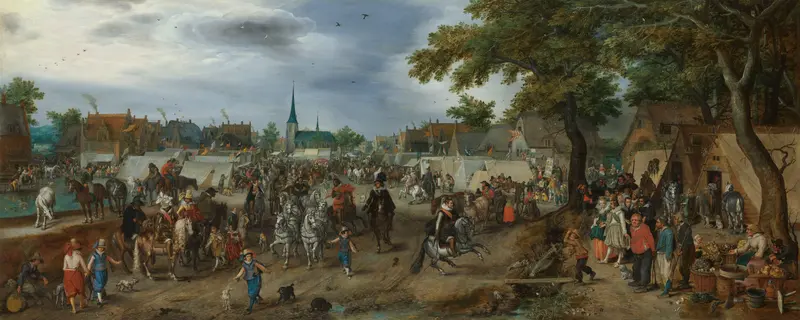
Princes Maurice and Frederick Henry at the Valkenburg Horse Fair
Adriaen Pietersz van de Venne
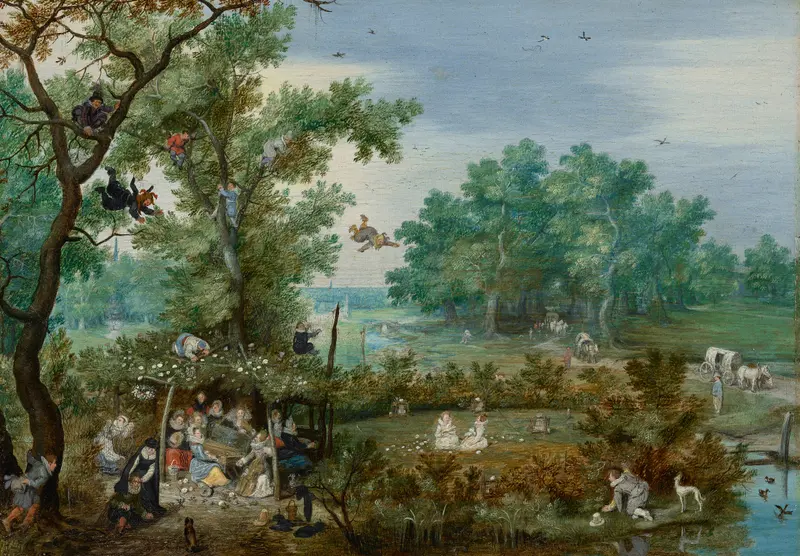
Merry Company in an Arbor
Adriaen Pietersz van de Venne
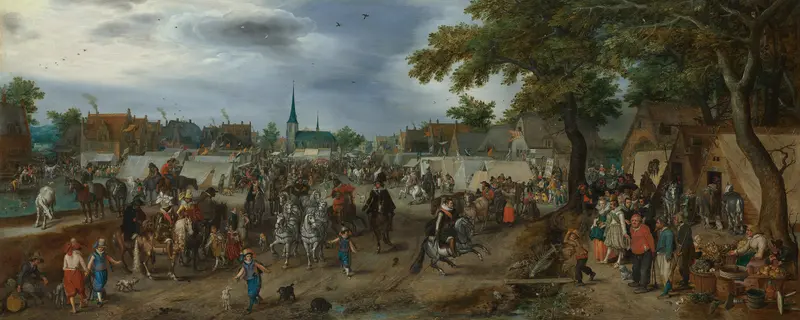
Princes Maurice and Frederick Henry at the Valkenburg Horse Fair
Adriaen Pietersz van de Venne
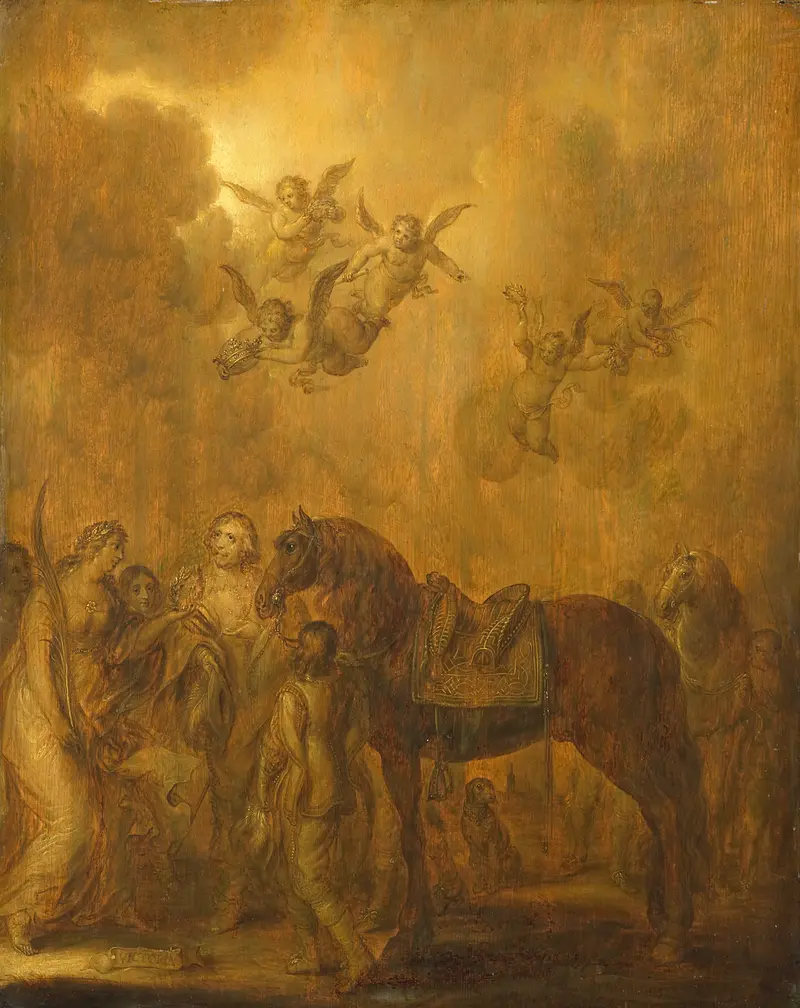
Allegory of the Stadtholdership of Prince Frederick Henry
Adriaen Pietersz van de Venne
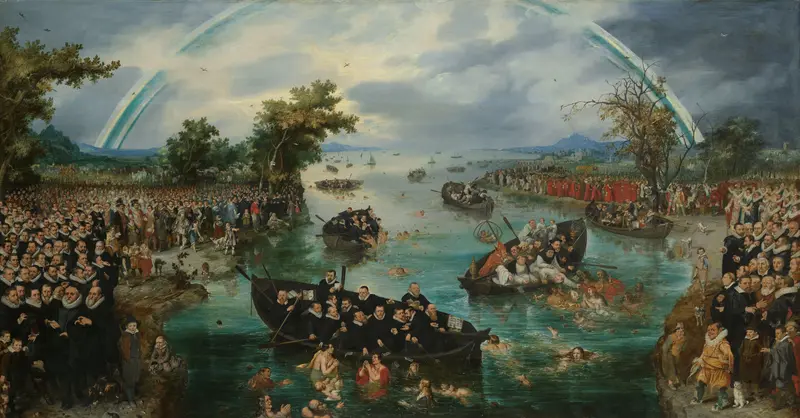
Fishing for Souls
Adriaen Pietersz van de Venne
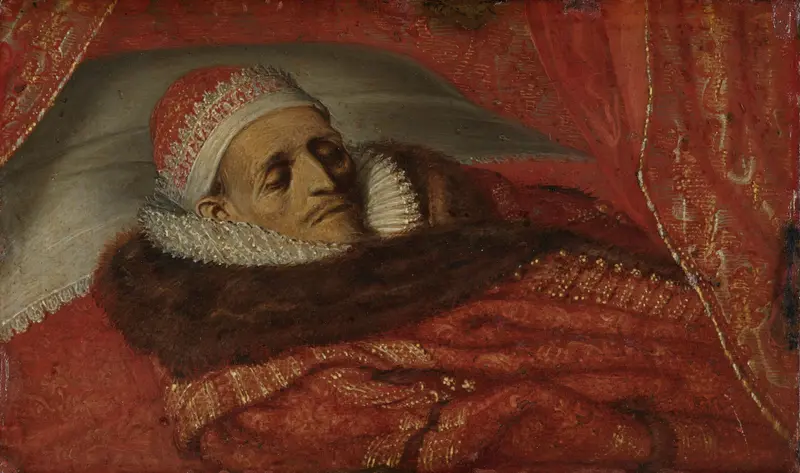
Stadtholder Prince Maurice Lying in State
Adriaen Pietersz van de Venne
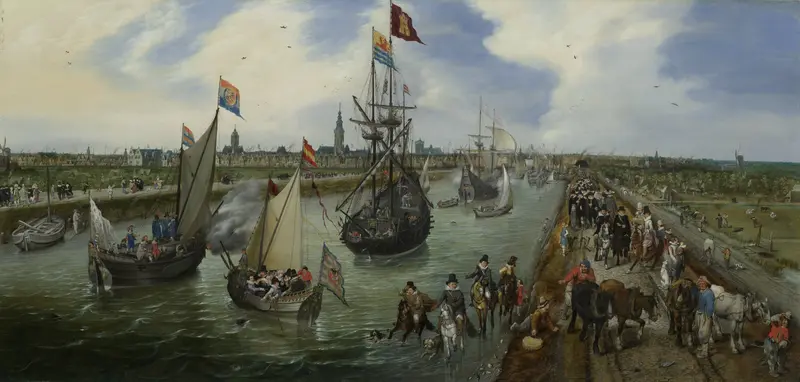
The Departure of a Dignitary from Middelburg
Adriaen Pietersz van de Venne
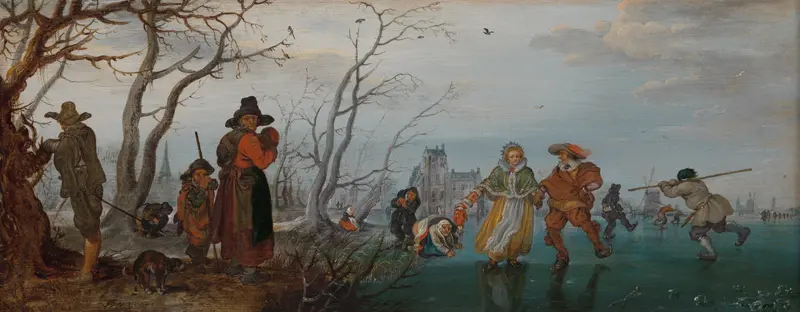
Winter
Adriaen Pietersz van de Venne

A Jeu de Paume Before a Country Palace
Adriaen Pietersz van de Venne
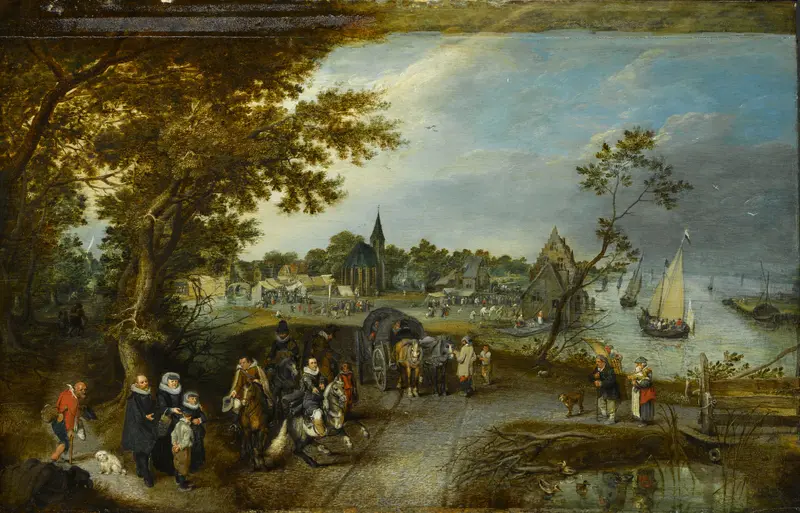
Landscape with Figures and a Village Fair (Village Kermesse)
Adriaen Pietersz van de Venne





