Hôtel à Cannes — History & Analysis
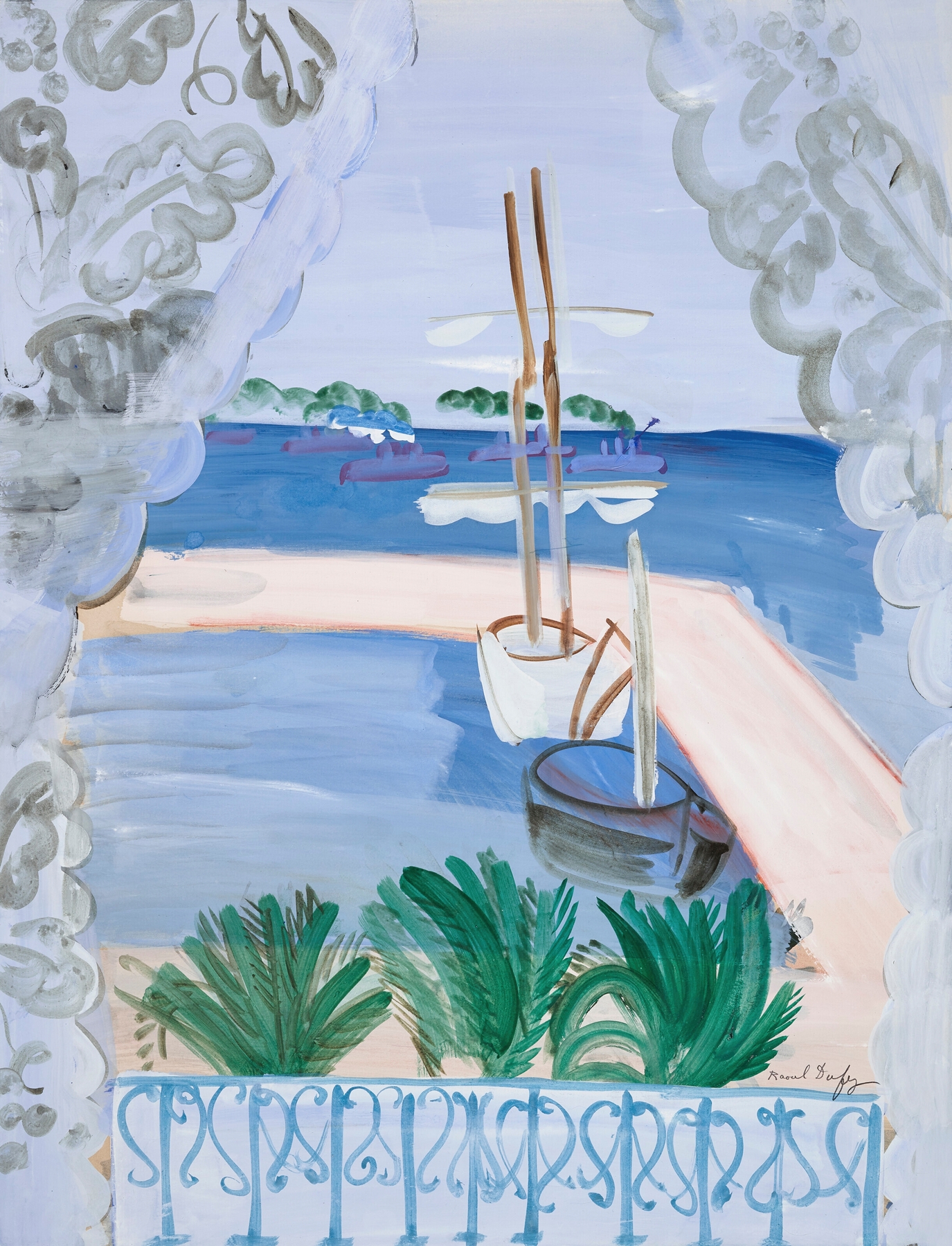
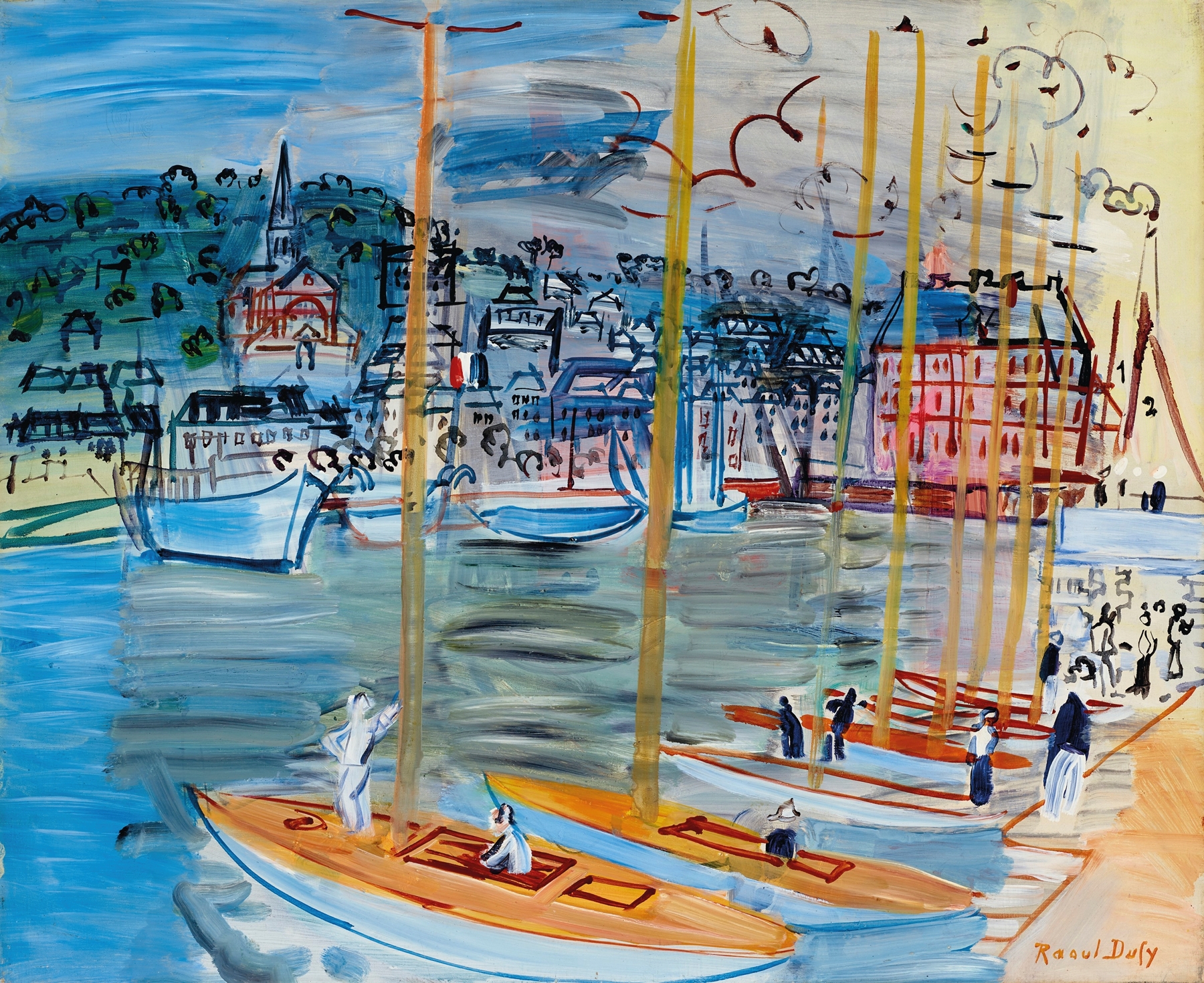
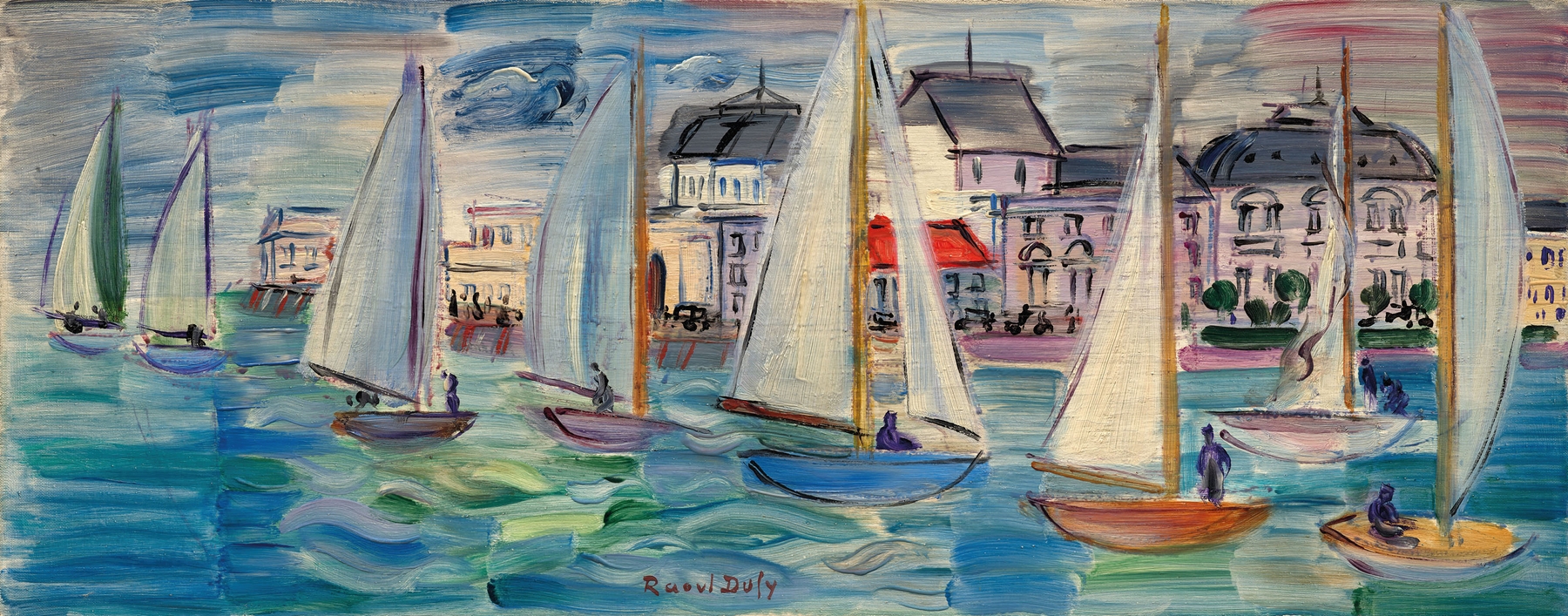
Did the painter know this moment would outlive them? In the brushstrokes of Hôtel à Cannes, time seems to suspend itself, capturing a fleeting scene of leisure and elegance that is forever enshrined in color and form. Focus on the vibrant blues and greens that wash over the canvas, evoking the Mediterranean’s warm embrace. The lush foliage in the foreground draws your attention first, inviting you to explore the lively social interactions just beyond it.
Notice how the sun-kissed figures lounge, their shadows mingling with dappled light, creating a dialogue between presence and absence. The composition is both dynamic and harmonious, with each stroke suggesting movement, echoing the whispers of a serene afternoon. Yet beneath the surface of this idyllic scene lies a tension between the ephemeral and the eternal. The carefree gestures of the figures contrast sharply with the monumental architecture of the hotel, suggesting that while moments of joy are fleeting, they are preserved in art.
The interplay between light and shadow reminds us of the passage of time, evoking nostalgia for the joys of leisure that may never return. Created in 1925, Hôtel à Cannes reflects Raoul Dufy’s commitment to capturing the essence of modern life during the post-World War I era. At this point, he was firmly established in the vibrant art scene of Paris, where he was influenced by fauvism and the burgeoning avant-garde movements. The late 1920s marked a time of artistic exploration, as Dufy sought to convey the spirit of optimism and beauty that resonated in the air following the war’s devastation.