
The Soul of the Rose — History & Facts
The first thing that draws the eye in The Soul of the Rose is the quiet intensity of the woman's gesture: she leans into the bloom, eyes closed, as if the scent holds a memory or a secret meant only for her. The artist, John William Waterhouse, frames her in a walled garden, the roses climbing around her, their pale petals echoing the softness of her skin. Her copper hair, gathered and threaded with pearls, glows against the muted stone and terracotta, while her robe—patterned in gold and blue—catches the afternoon light.
Every detail, from the careful tilt of her head to the gentle splay of her fingers on the vine, invites us to imagine what she feels in this moment of stillness, suspended between the world of the senses and the world of thought. Painted in 1908, this work belongs to a moment when British art was steeped in nostalgia for myth, poetry, and romance. The Pre-Raphaelite movement, with which Waterhouse is often associated, favored lush color, intricate detail, and subjects drawn from literature or legend. Such paintings were often commissioned by private collectors seeking beauty and escape in an age of rapid industrial change.
Today, The Soul of the Rose is part of the Art Renewal Center collection, a reminder of how, even as history sweeps forward, artists and viewers alike return to the garden for solace. Notice how the painting lingers in your mind, the scent of roses almost real.
More Artworks by John William Waterhouse
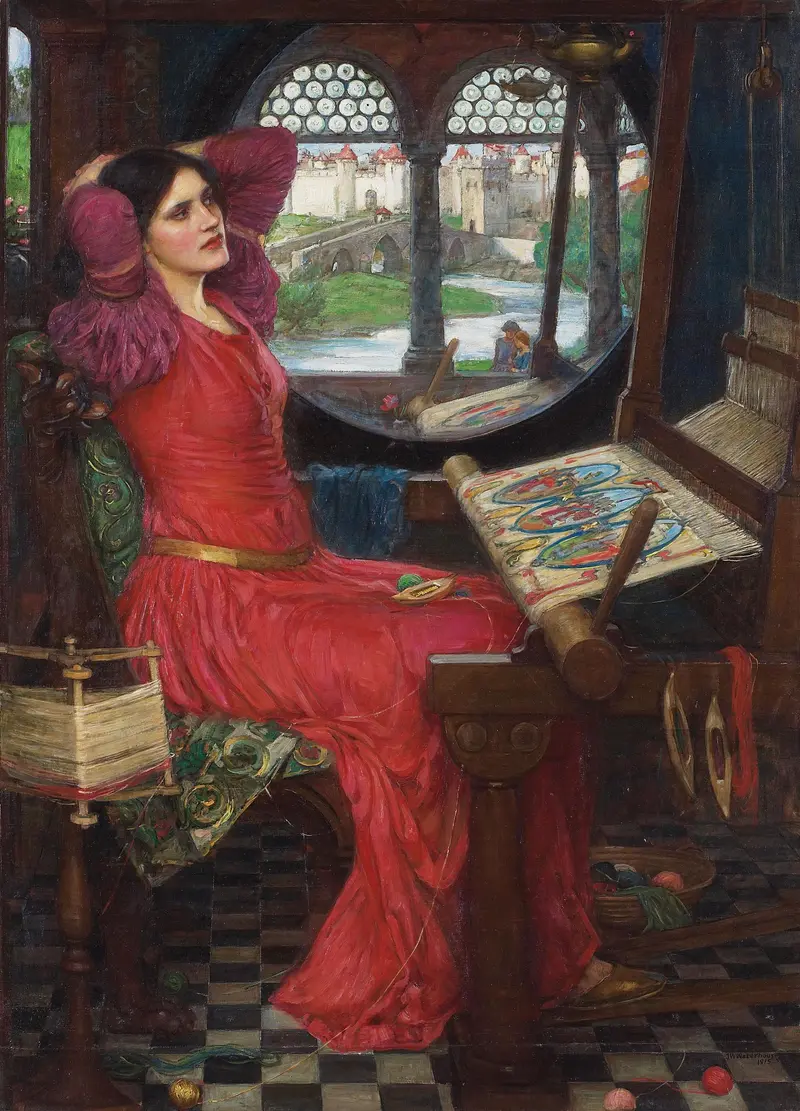
'I Am Half-Sick of Shadows,' Said the Lady of Shalott
John William Waterhouse

The Favourites of the Emperor Honorius, 1883
John William Waterhouse
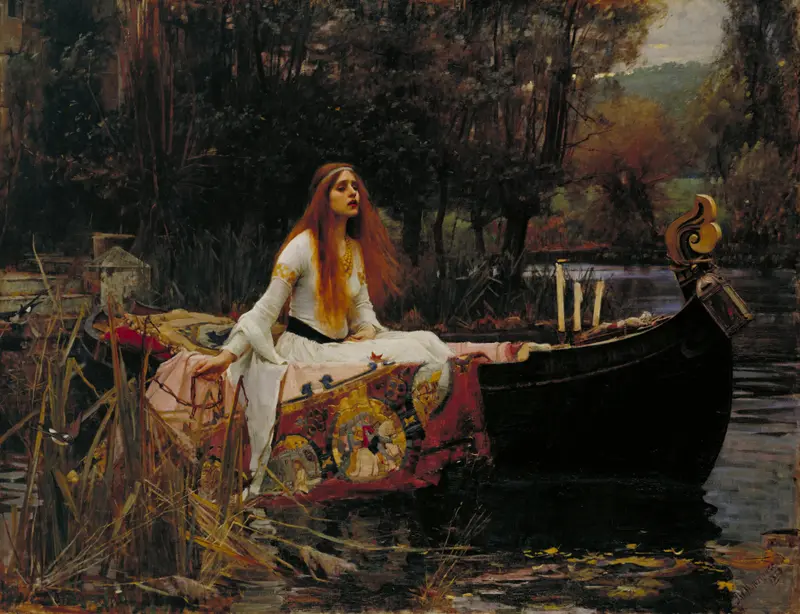
The Lady of Shalott
John William Waterhouse
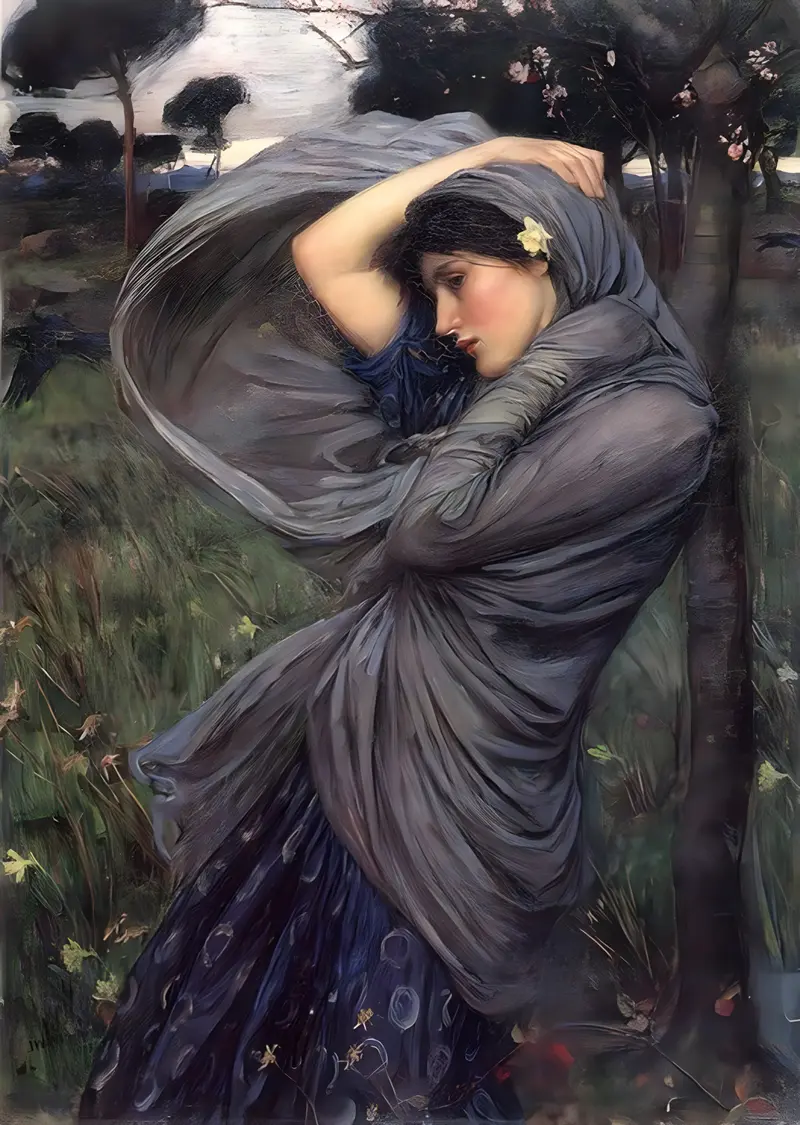
Boreas
John William Waterhouse
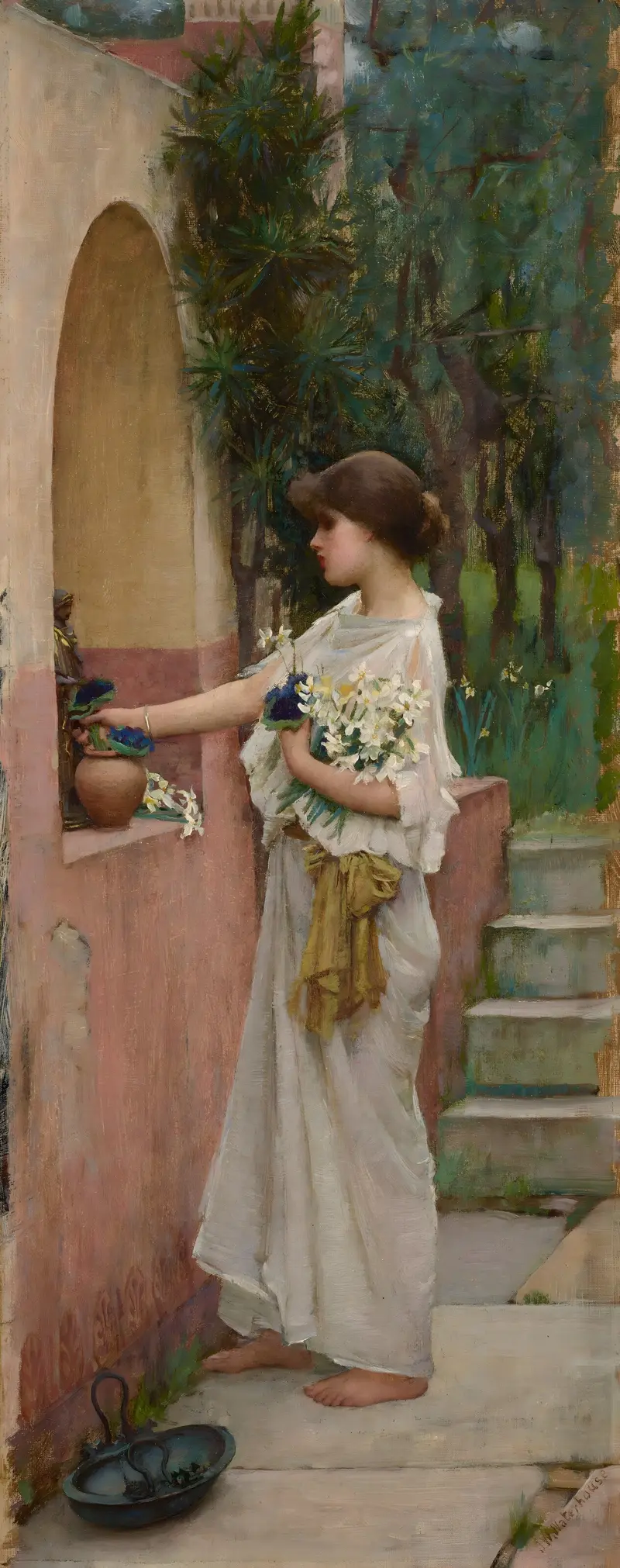
A Roman Offering
John William Waterhouse
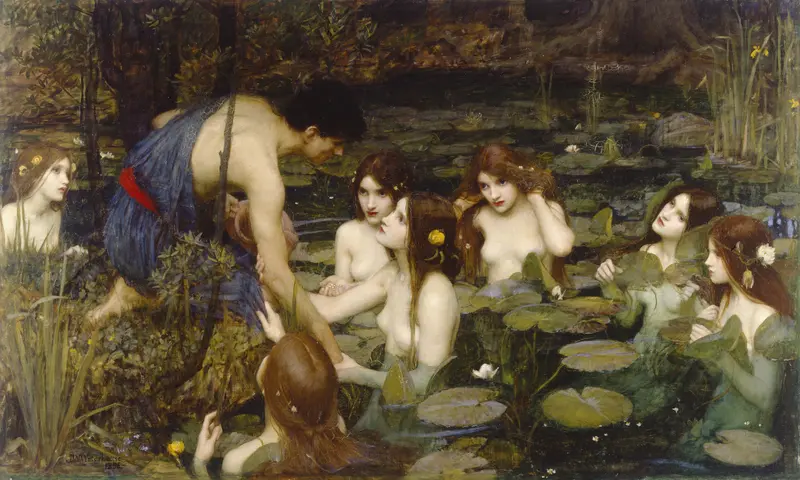
Hylas and the Nymphs
John William Waterhouse
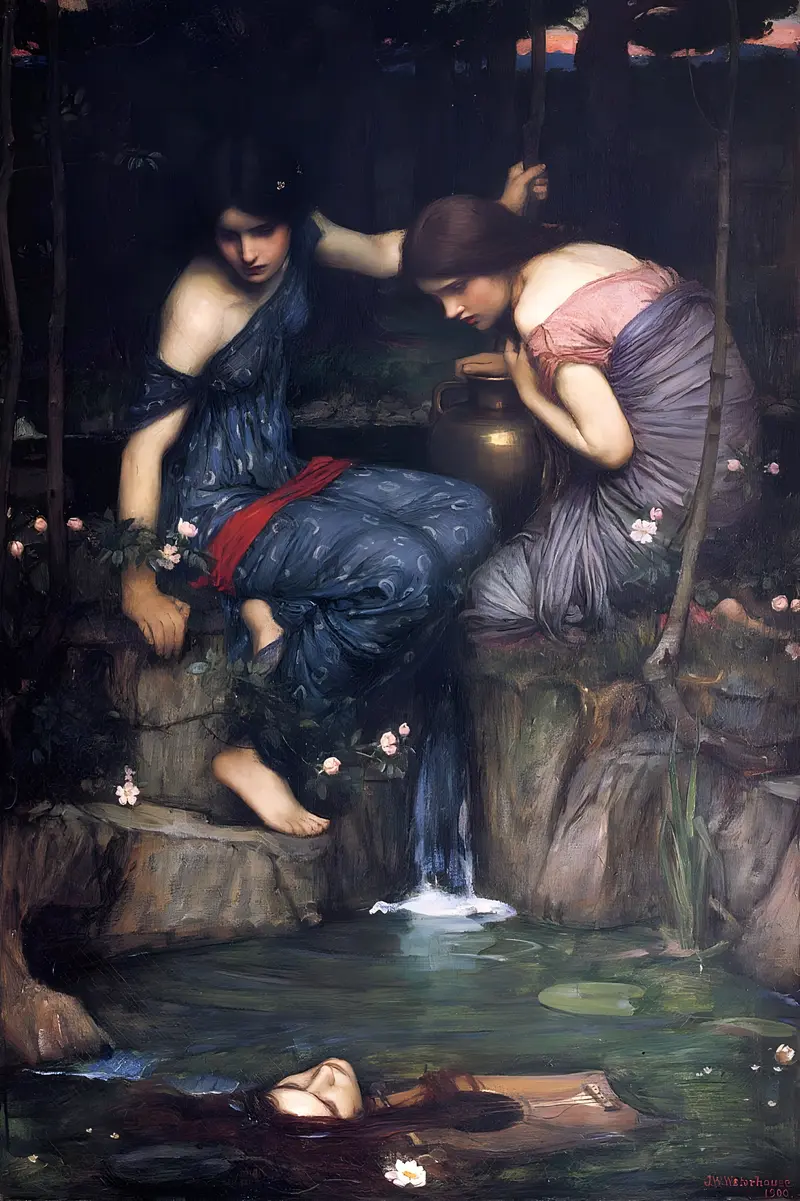
Nymphs Finding the Head of Orpheus
John William Waterhouse
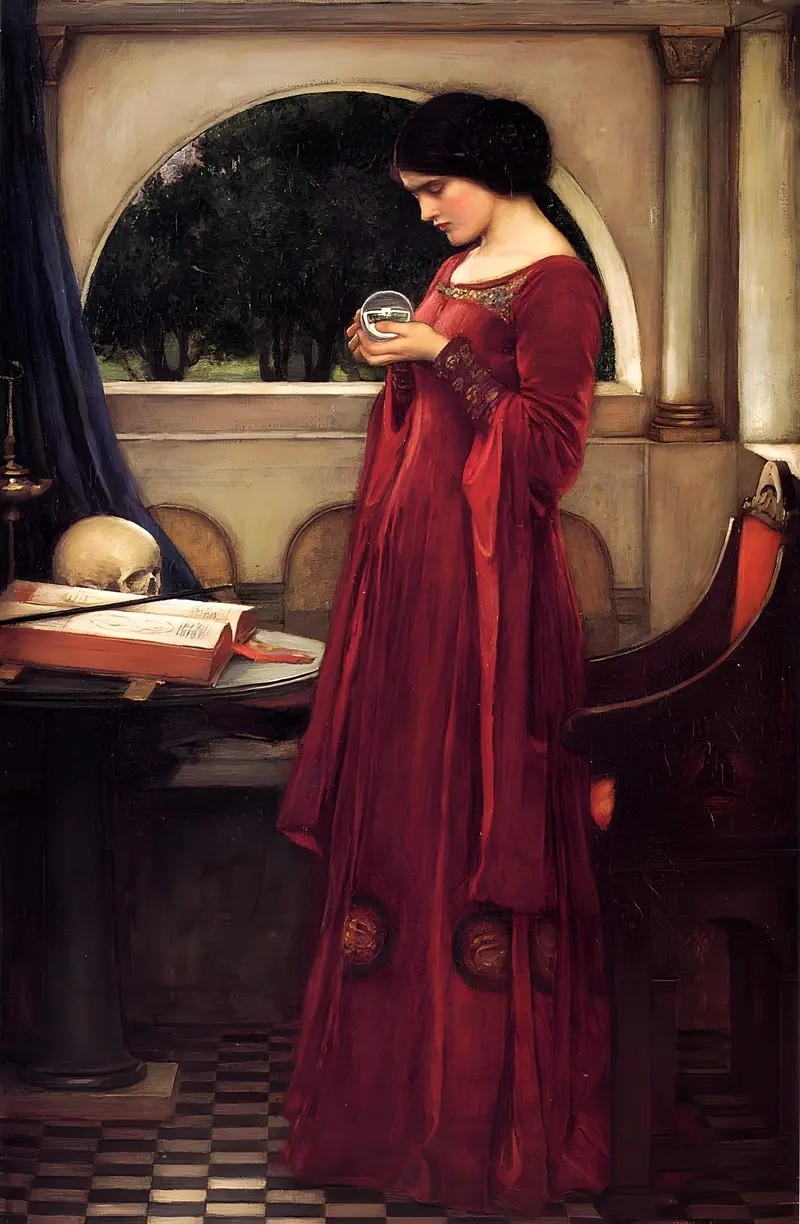
The Crystal Ball
John William Waterhouse
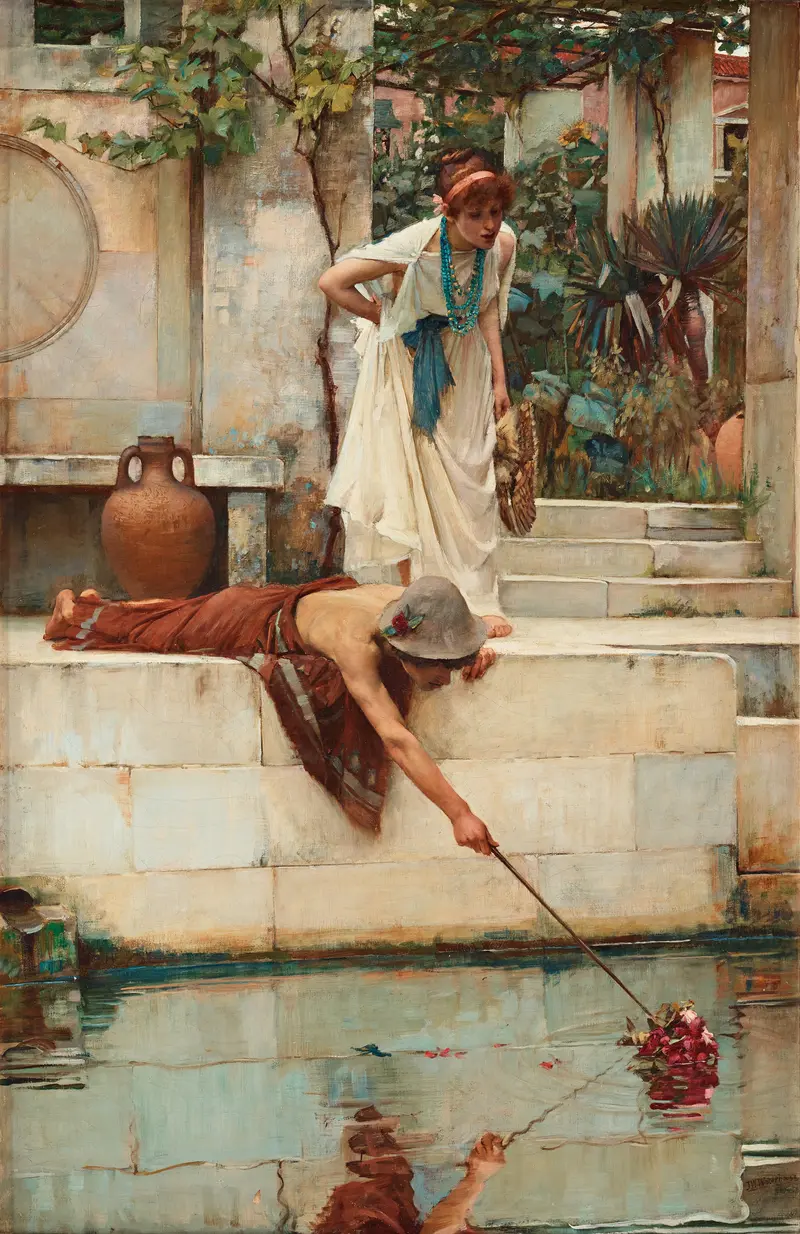
The Rescue
John William Waterhouse
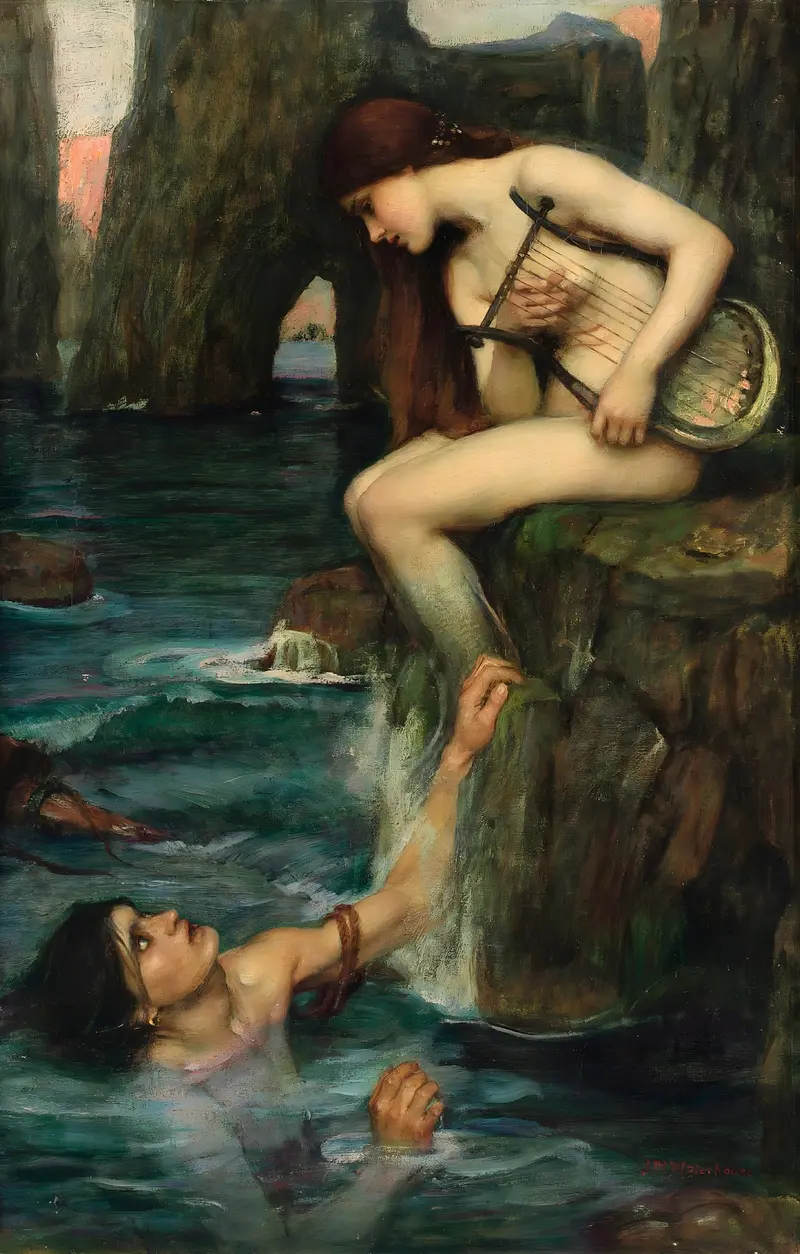
The Siren, 1900
John William Waterhouse



