Discover insights about this artwork
Icarus — History & Facts
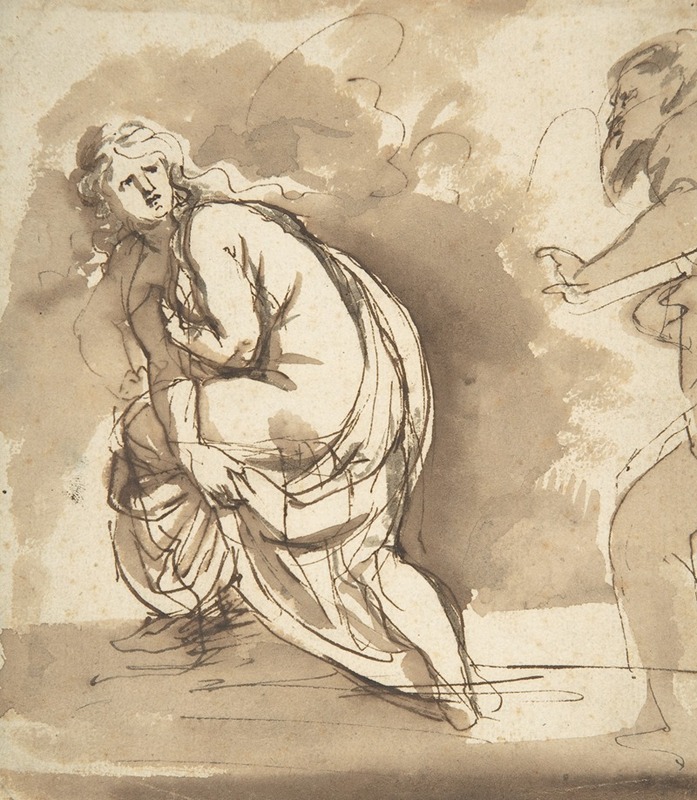
In Icarus, Henri Matisse uses vibrant colors to depict the mythological figure of Icarus. The painting features bold blues and yellows, creating a striking contrast. Icarus is shown falling from the sky, surrounded by abstract forms that suggest movement and chaos.
The overall composition is dynamic, drawing the viewer's eye across the canvas. The painting is executed in oil on canvas, a medium that allows Matisse to achieve rich textures and vivid colors. The dimensions are approximately 100 x 80 cm, making it a substantial work that commands attention. Matisse's characteristic use of simplified forms and flat areas of color is evident throughout the piece.
This approach reflects the modernist style that he is known for. Henri Matisse created Icarus during a period when he was exploring new artistic directions. This work is part of a series that reflects his interest in mythology and the human experience. An interesting fact about this painting is that it was inspired by the ancient Greek myth of Icarus, who flew too close to the sun.
Matisse's interpretation focuses on the emotional aspect of the myth rather than the literal narrative.
More Artworks by Henri Matisse
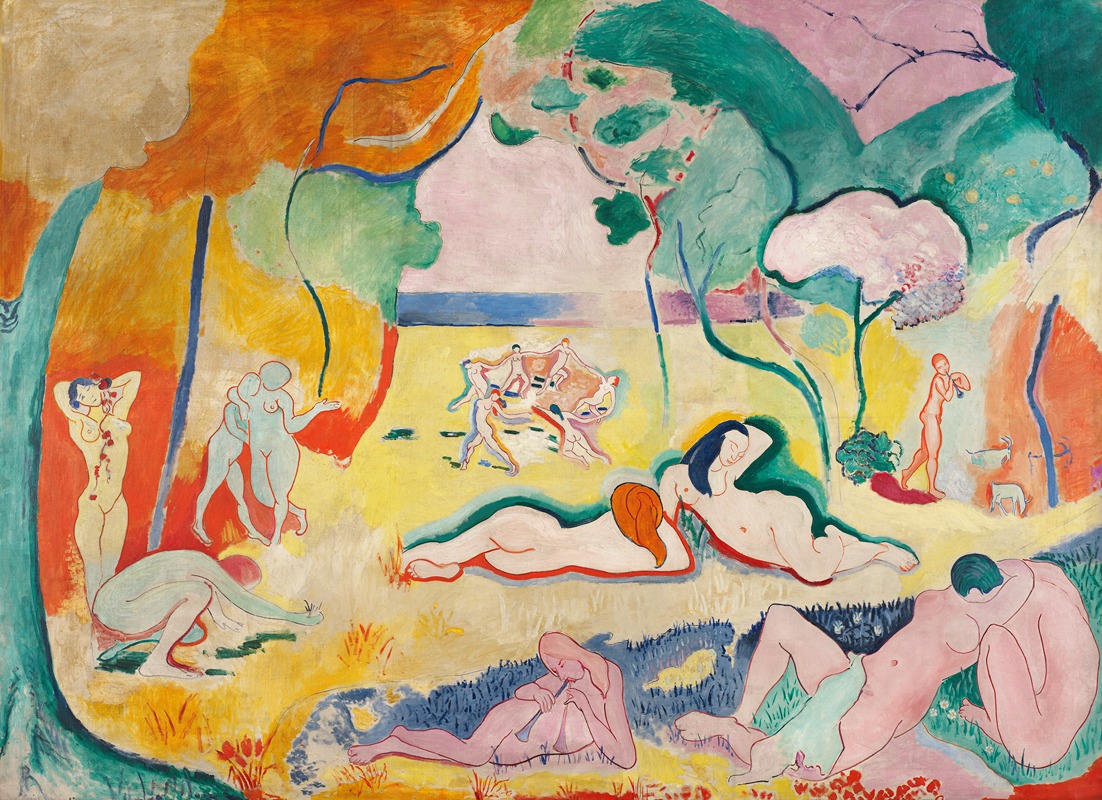
Le Bonheur de vivre, also called The Joy of Life
Henri Matisse
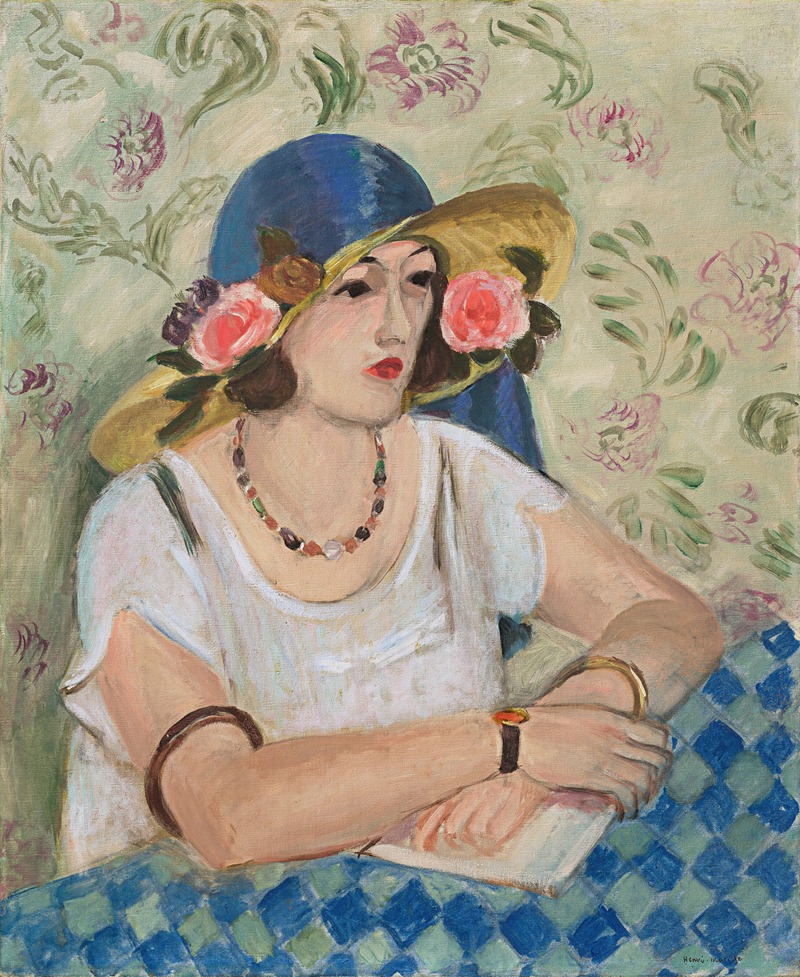
Femme au chapeau fleuri
Henri Matisse
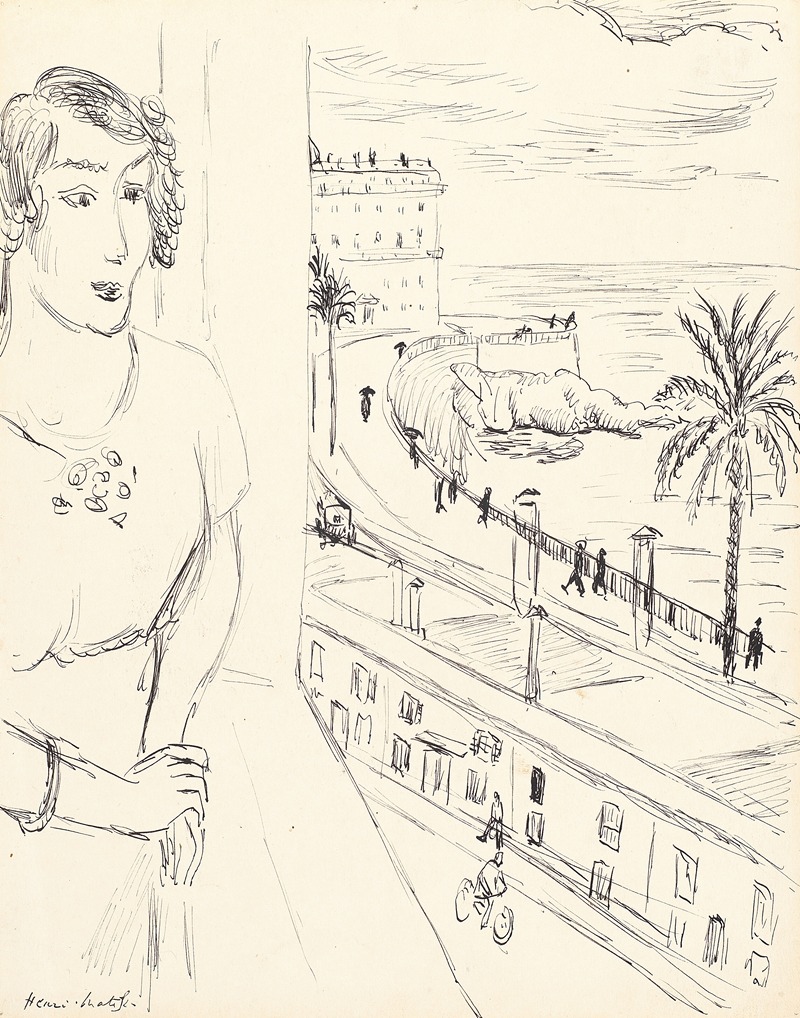
Femme près de la fenêtre, Nice
Henri Matisse
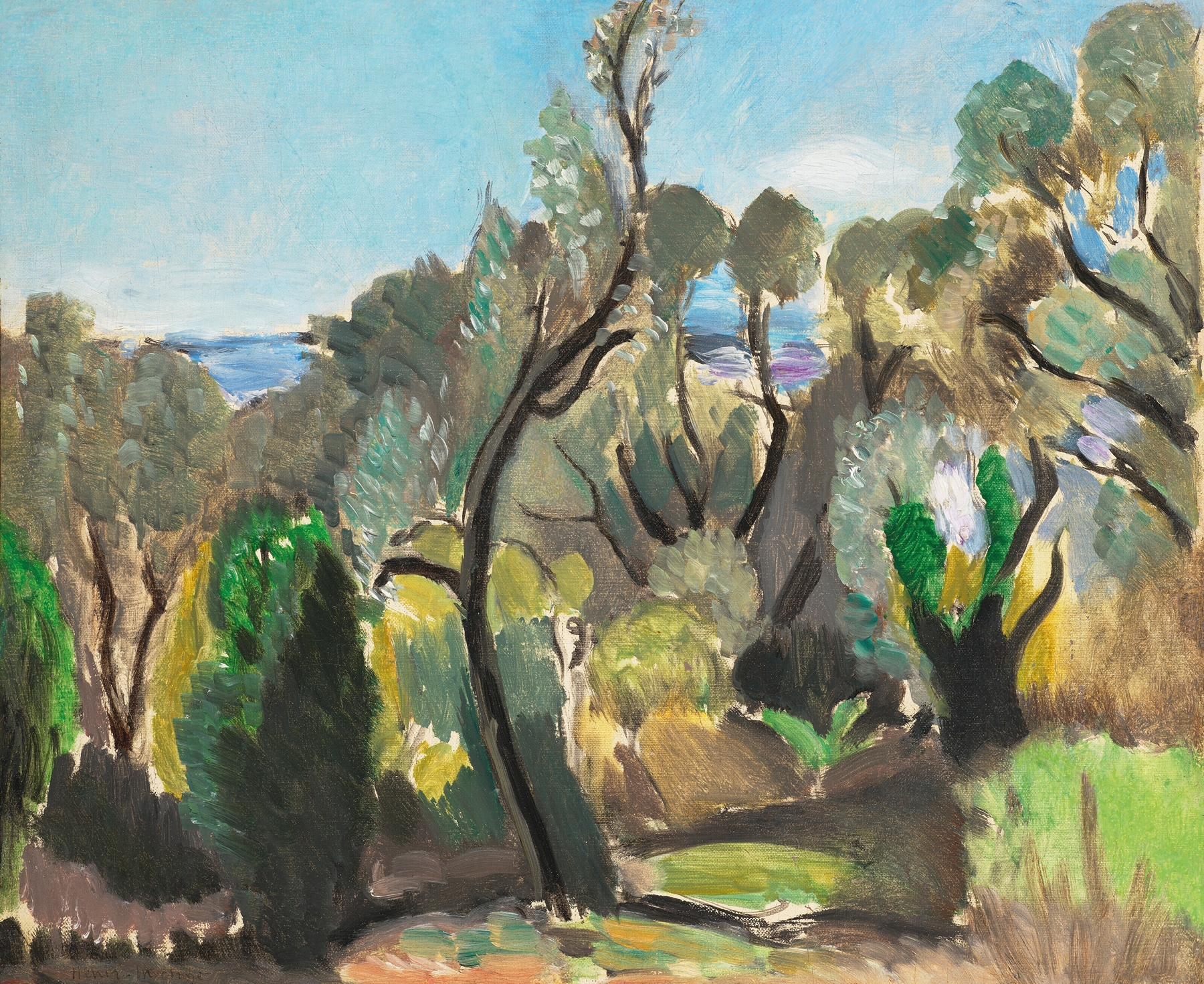
Paysage aux environs de Nice ou Les Oliviers ou Coin du Mont-Boron
Henri Matisse
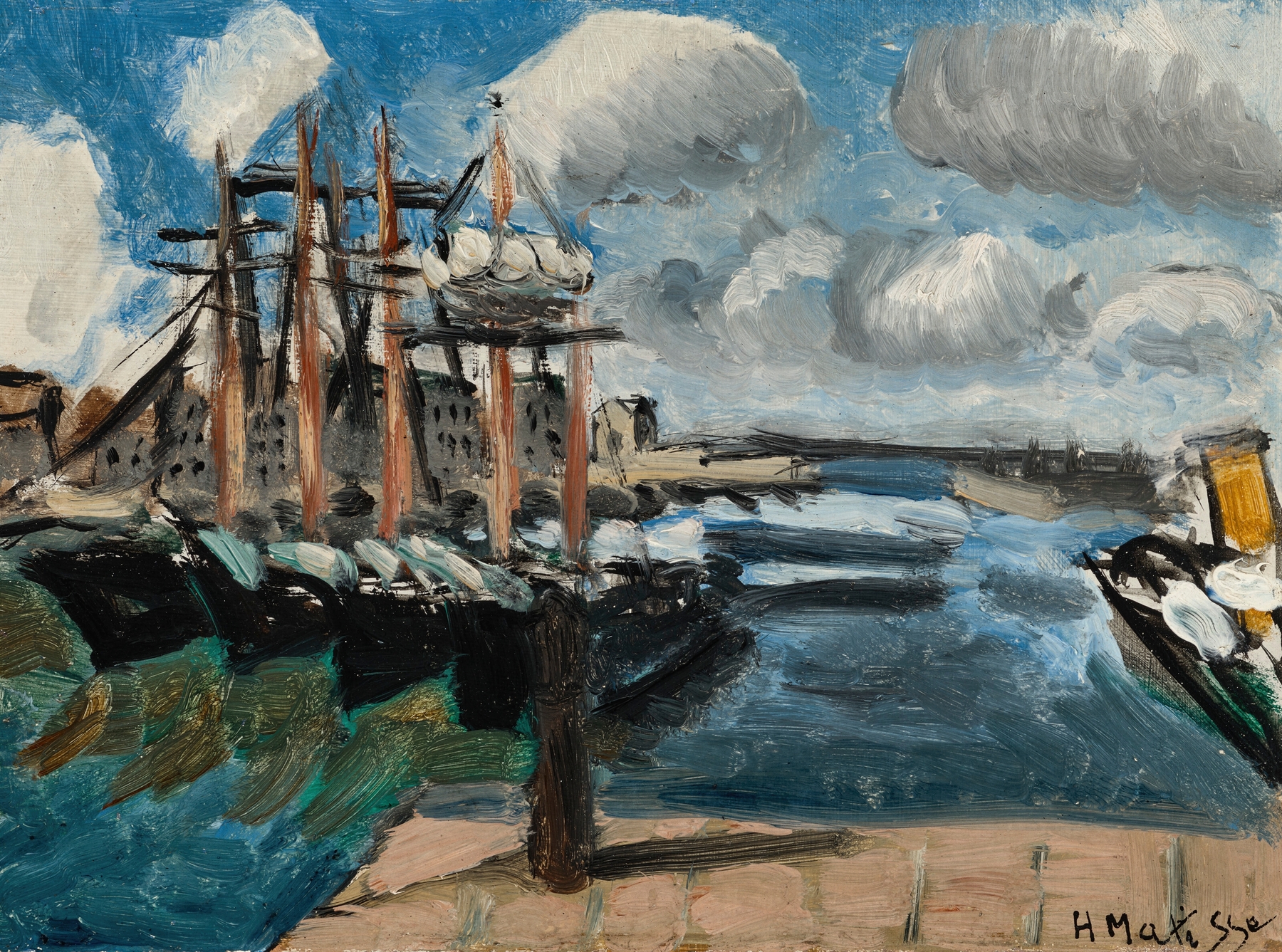
Port de Cherbourg
Henri Matisse
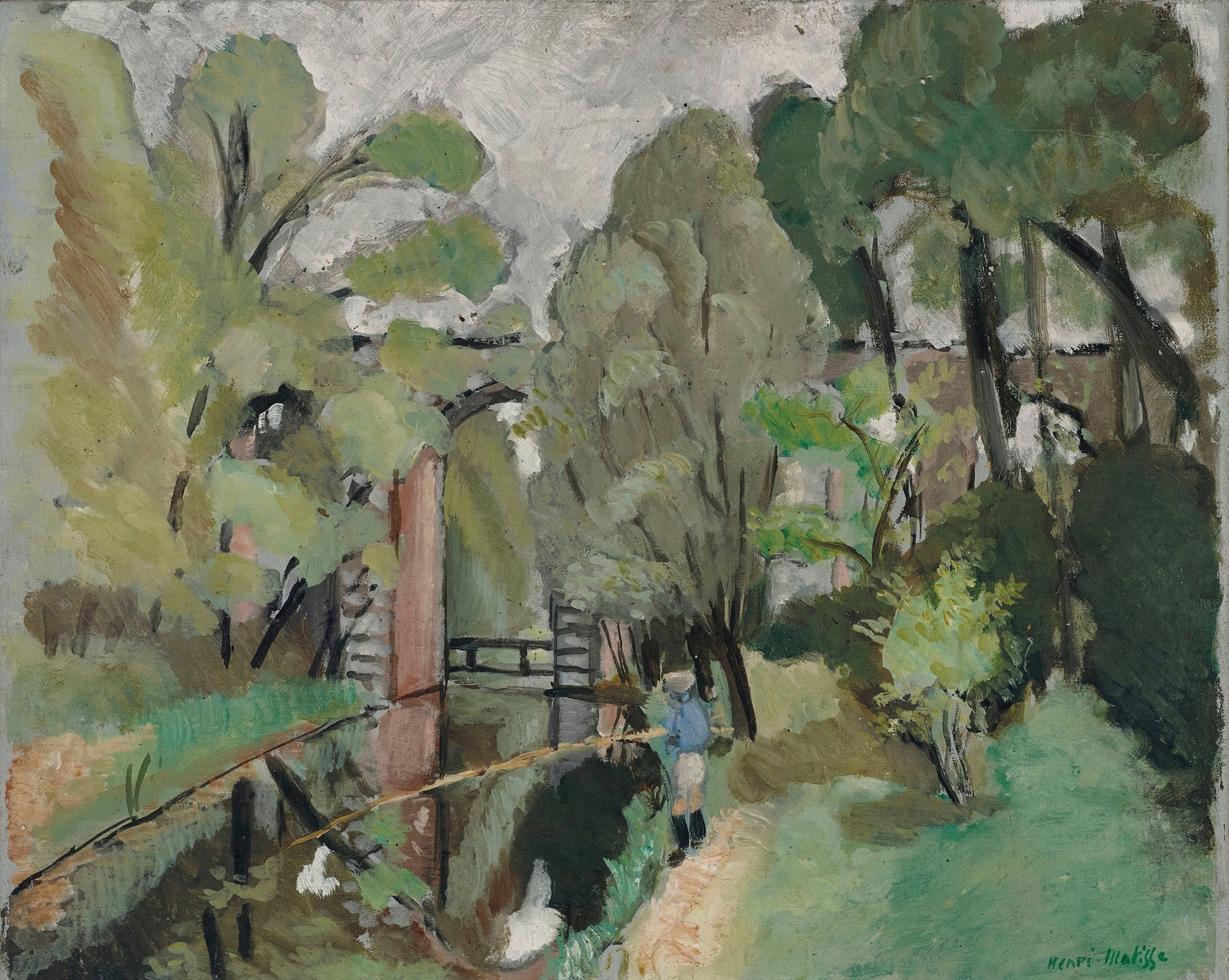
Le Petit pêcheur, Maintenon
Henri Matisse
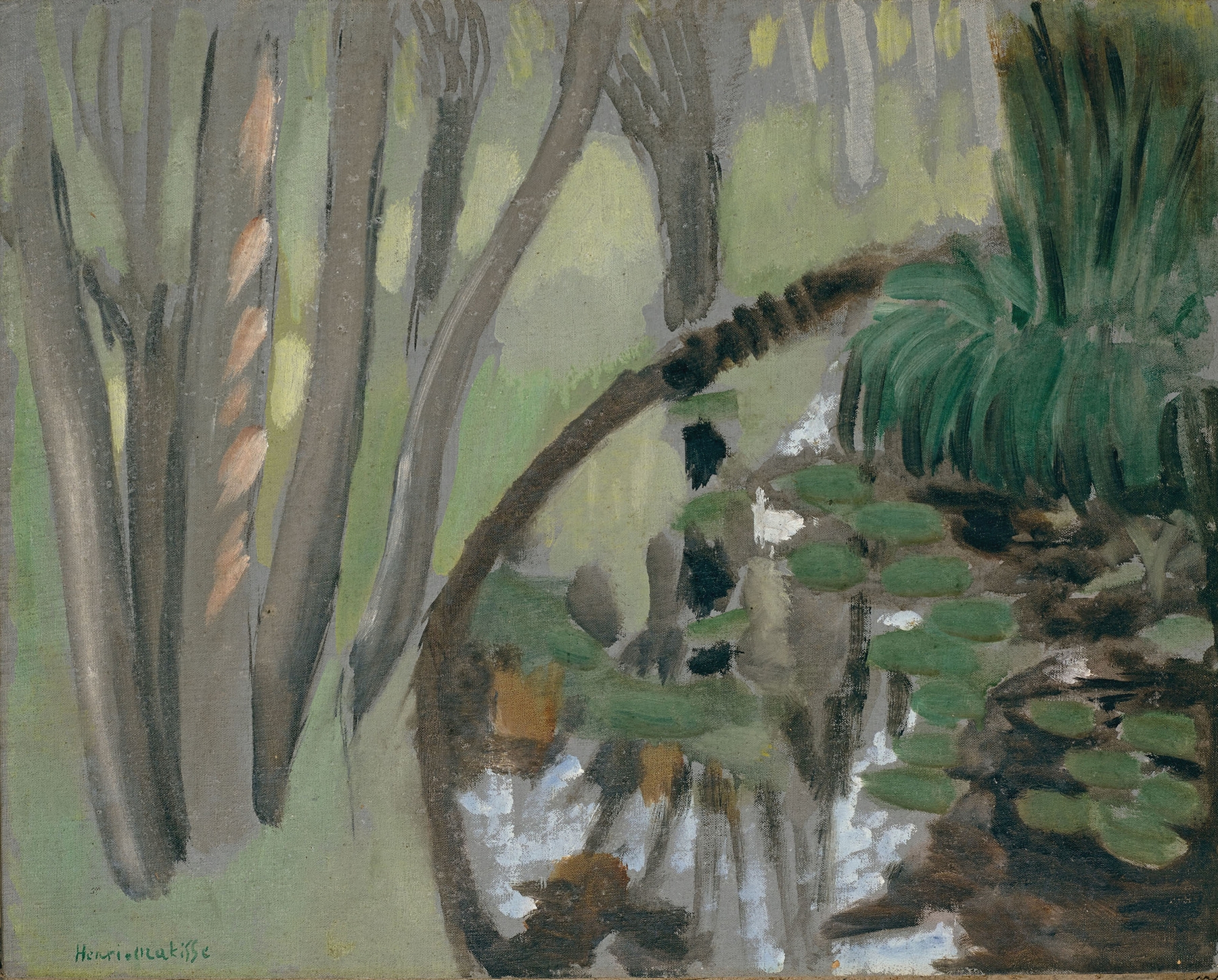
Le ruisseau, Maintenon
Henri Matisse
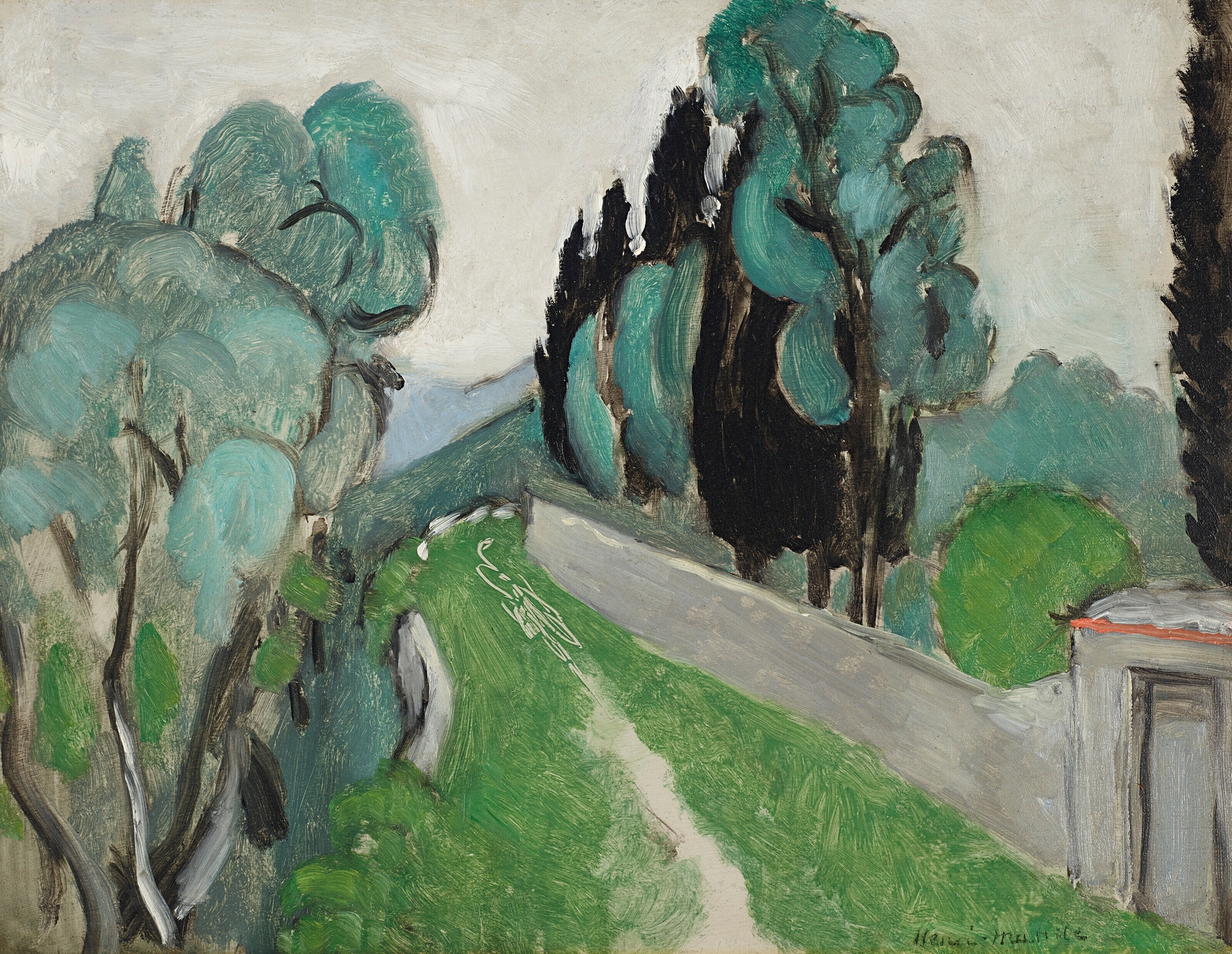
Paysage avec cyprès et oliviers aux environs de Nice
Henri Matisse
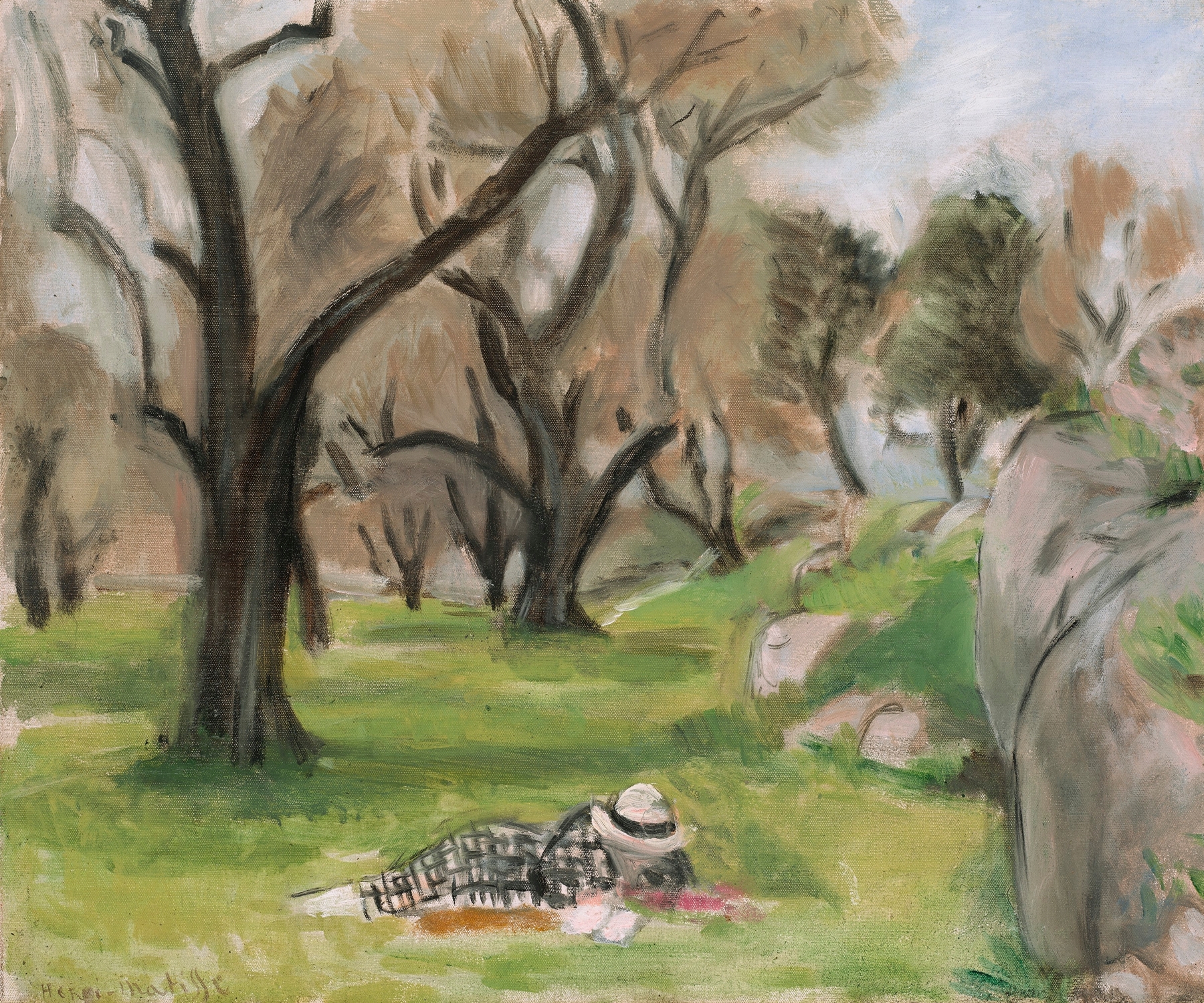
Paysage du Midi
Henri Matisse
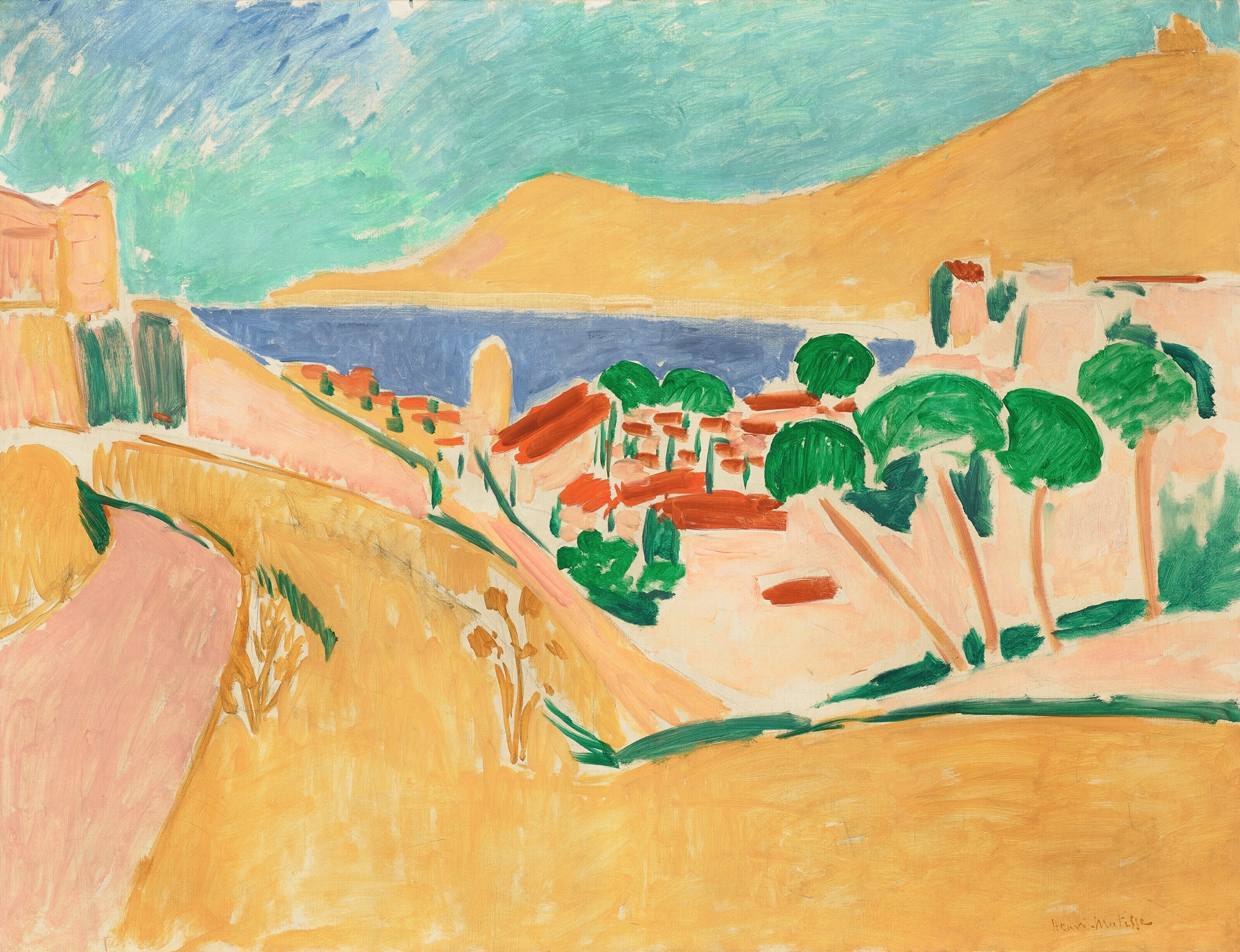
Collioure en août
Henri Matisse