
In a Park — History & Facts
Sunlight seems to pool in the grass, drawing your eye first to the gentle, almost private moment between a woman and a child nestled in her lap. The woman’s dark dress anchors the scene, her striped hat a flicker of brightness amid the lush, almost wild greenery. Nearby, a small black dog sits alert, as if guarding this quiet domestic world.
The brushwork is loose, the edges soft, so that the boundaries between figures and nature blur—suggesting a world where leisure and the landscape are inseparable. The little girl at the edge of the clearing, clutching her hat, seems to hover between joining the group and wandering deeper into the green, her presence a whisper of curiosity and independence. Painted in 1874, In a Park belongs to a moment when artists like Berthe Morisot were redefining what could be seen and celebrated in art. Rather than grand history or myth, these painters turned their attention to the fleeting pleasures of modern life—afternoons in public gardens, the intimacy of family, the play of light on grass and skin.
Such scenes were rarely commissioned; instead, they reflected the artist’s own world and the new freedoms of the era. Today, the work resides in the Petit Palais, Paris, a quiet testament to how a single afternoon, seen through Morisot’s eyes, can become as worthy of contemplation as any epic. Look again at the dappled light, the quick strokes: the real story here is how everyday moments become extraordinary.
More Artworks by Berthe Morisot

The Harbor at Lorient
Berthe Morisot
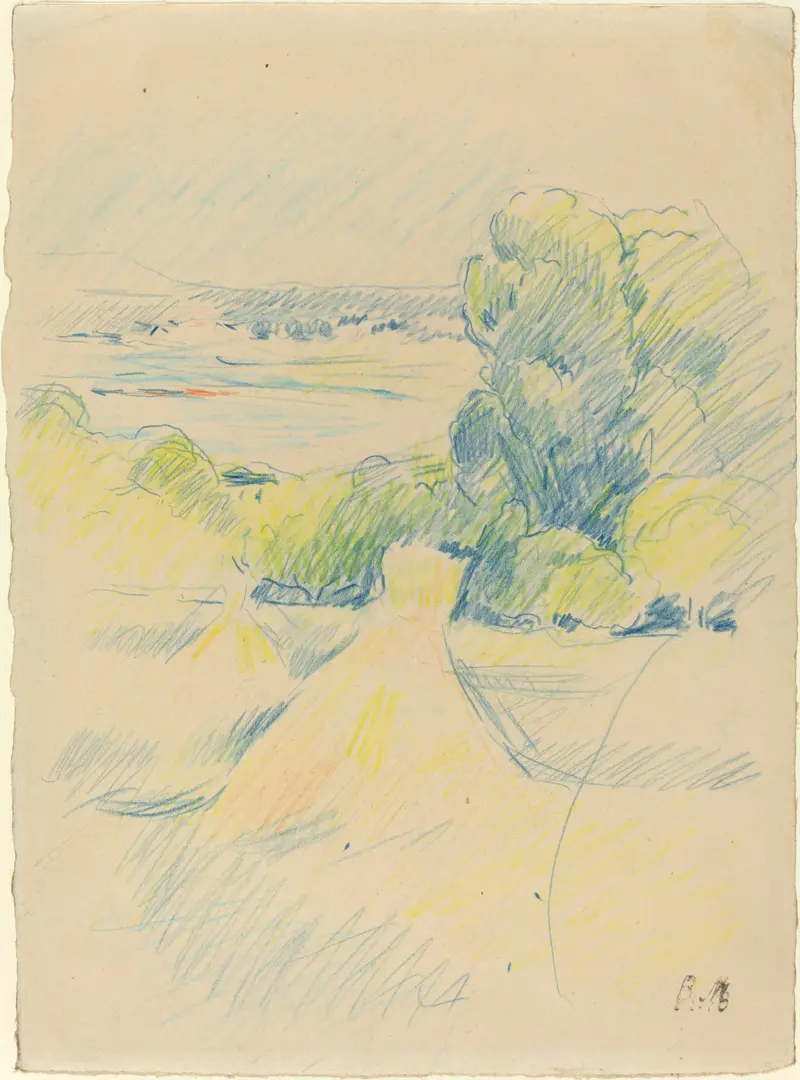
Landscape
Berthe Morisot

Hanging the Laundry out to Dry
Berthe Morisot

Woman in a Garden
Berthe Morisot

Young Girl with Hat
Berthe Morisot
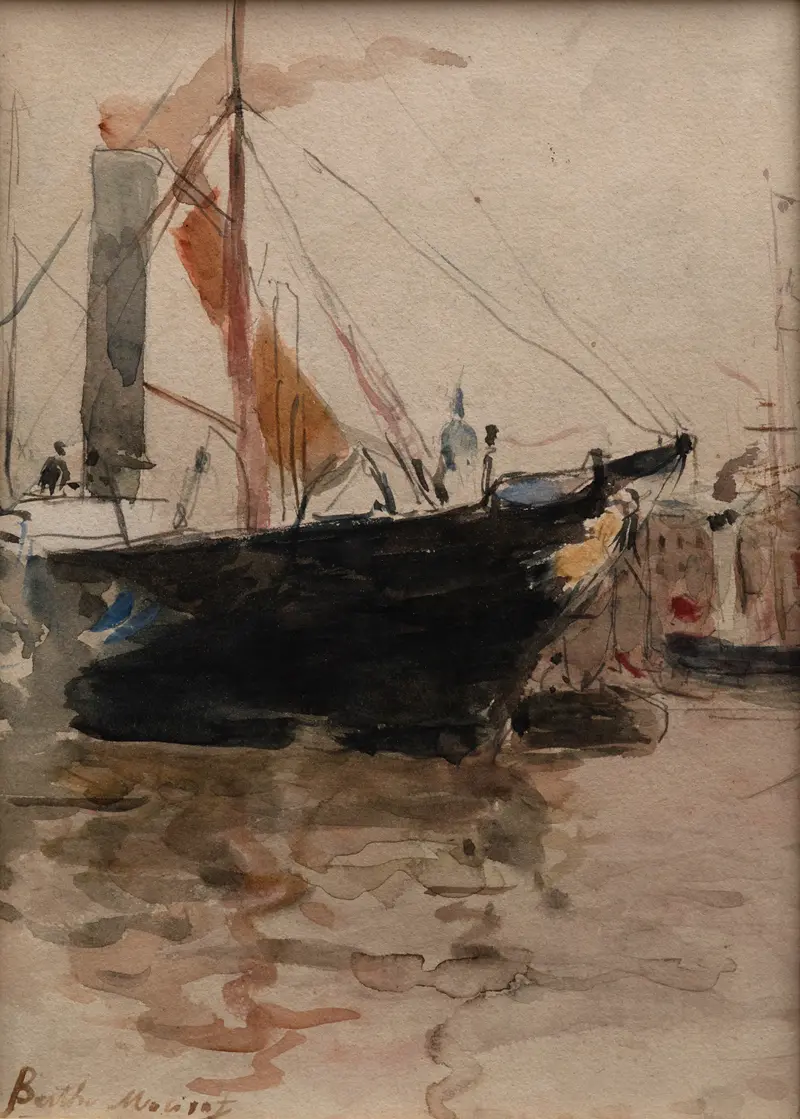
Harbor Scene, Isle of Wight
Berthe Morisot
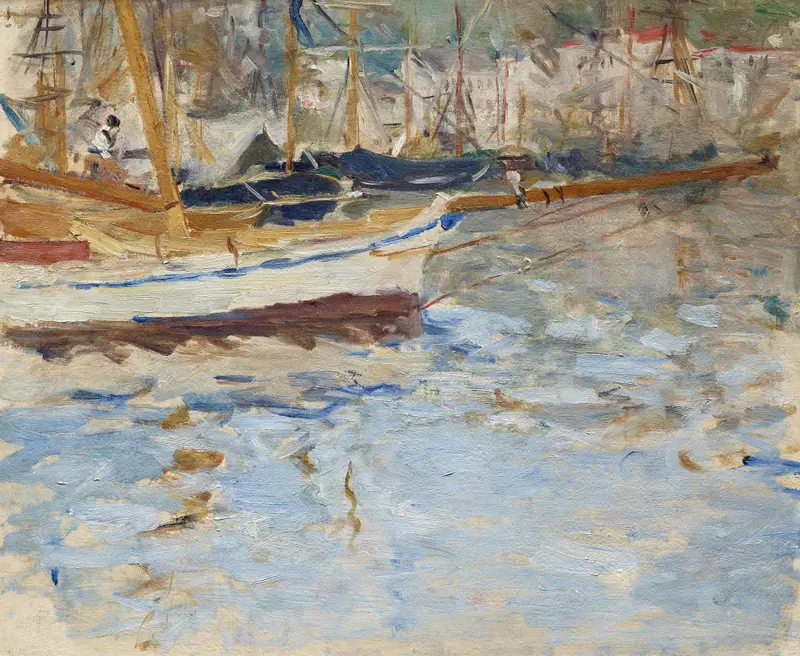
The Port of Nice
Berthe Morisot
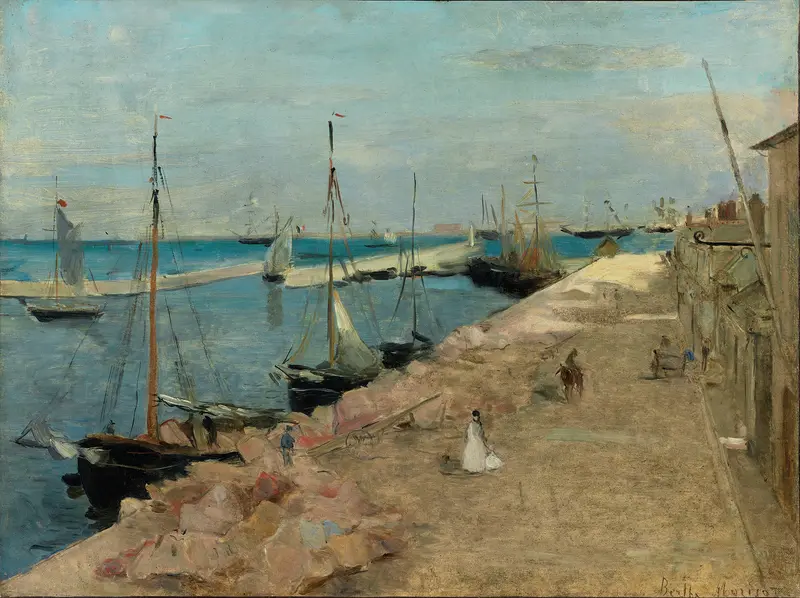
The Harbor at Cherbourg
Berthe Morisot

The Mother and Sister of the Artist
Berthe Morisot
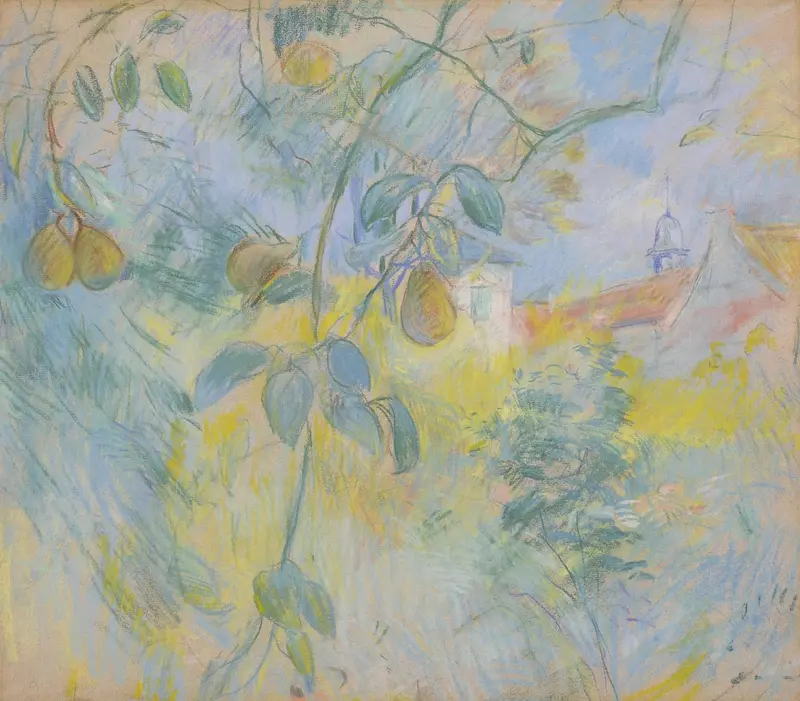
Les Poires
Berthe Morisot
More Genre Scene Art

Banquet of the Officers of the St George Civic Guard
Frans Hals

Rembrandt and Saskia in the Scene of the Prodigal Son
Rembrandt van Rijn

Bal du moulin de la Galette
Pierre-Auguste Renoir

Quadrille at the Moulin Rouge
Henri de Toulouse-Lautrec

A Burial at Ornans
Gustave Courbet

When Will You Marry?
Paul Gauguin