
In the Bois de Boulogne — History & Facts
A flicker of movement and a hush of conversation: the most striking thing in In the Bois de Boulogne is the way two women seem to dissolve into the garden itself. The eye is drawn first to the vivid blue of the seated figure’s dress, then to the delicate exchange—a flower, perhaps, or a secret—between her and her companion. The brushwork is quick, almost restless, as if the painter is racing to catch the moment before it vanishes.
Light splinters through the foliage, dappling the women and the grass, and the background melts into a haze of green and blue. Nothing here is rigid; even the figures are shaped by the air and the light, their outlines blurred by the painter’s hand. It is a painting that invites you to lean in, to listen, to wonder what words or laughter pass between these two. This is the world of Berthe Morisot—a founding member of the Impressionist group, whose work was once described as the very essence of the movement.
In 1880, when Morisot exhibited this painting among twelve others, critics called the Impressionist style “feminine,” a label meant to diminish but which now reads as a tribute to her sensitivity to fleeting experience and color. Paintings like this were not grand commissions but glimpses of modern life, made for a new kind of audience eager to see their own world reflected in art. The Bois de Boulogne, a fashionable Parisian park, was a favorite haunt for such scenes—places where the boundaries between public and private, nature and society, were as fluid as Morisot’s brushstrokes.
History has kept few traces of the exact stories behind these figures, but the painting’s freshness endures: an invitation to lose yourself in a summer afternoon.
More Artworks by Berthe Morisot

The Harbor at Lorient
Berthe Morisot
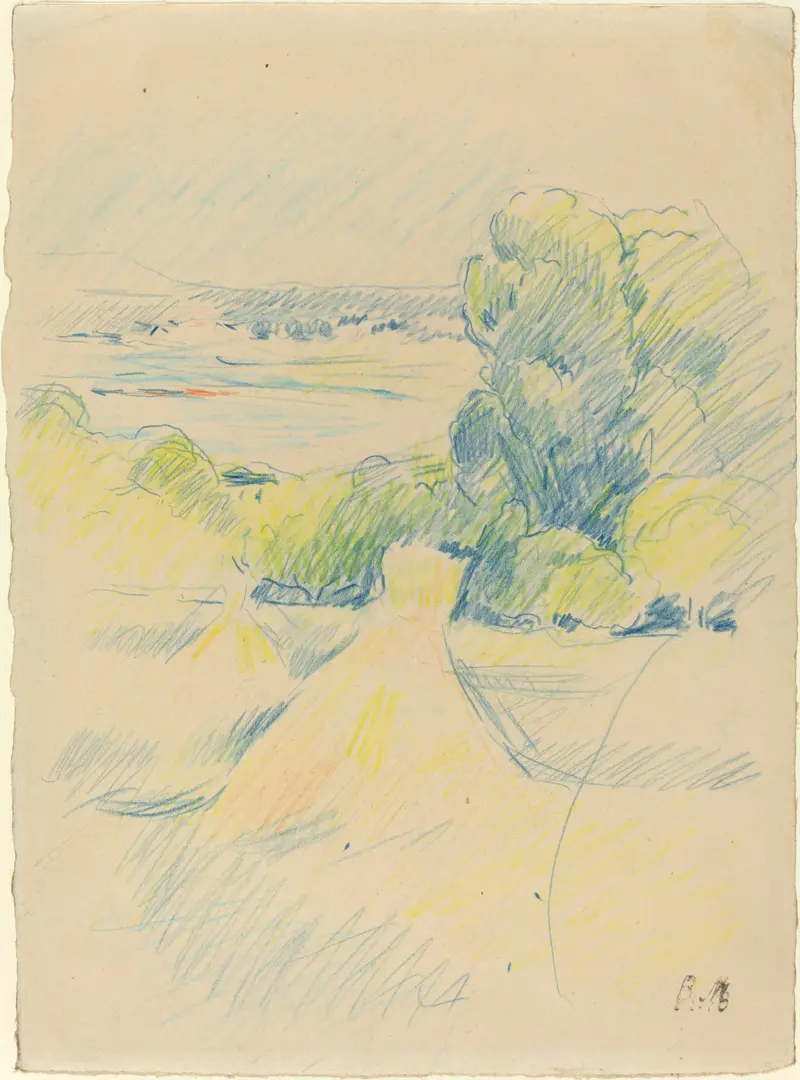
Landscape
Berthe Morisot

Hanging the Laundry out to Dry
Berthe Morisot

Woman in a Garden
Berthe Morisot

Young Girl with Hat
Berthe Morisot
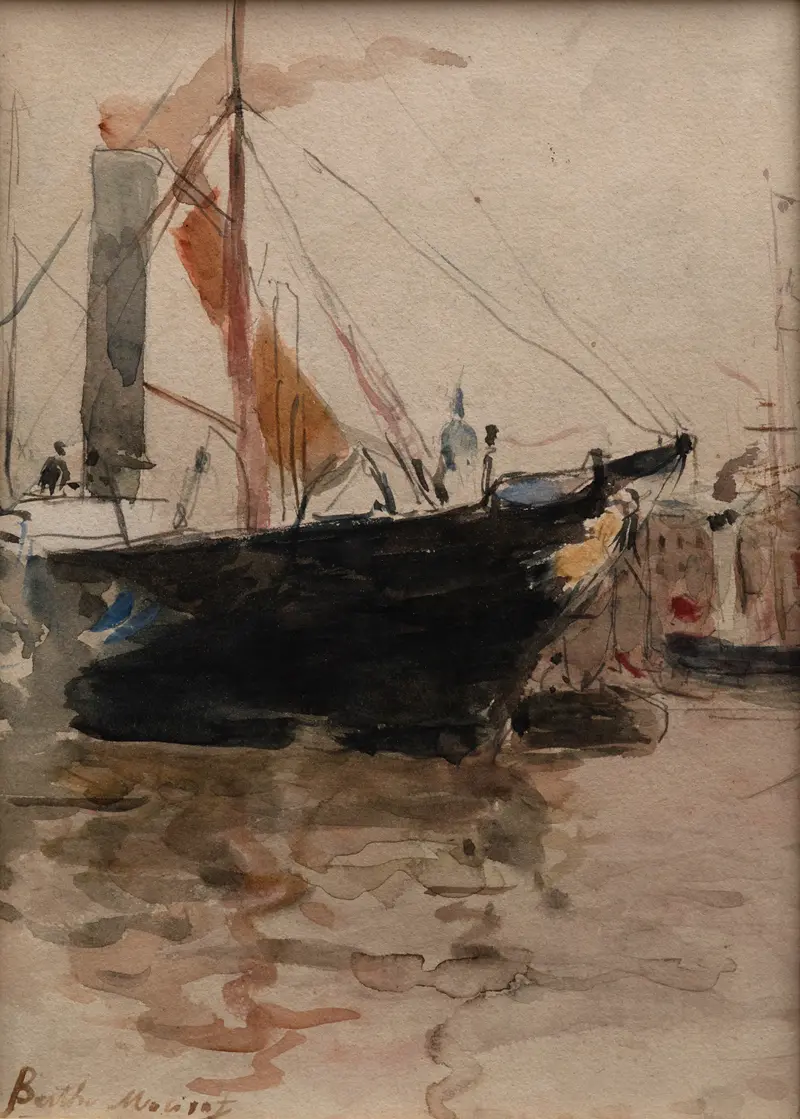
Harbor Scene, Isle of Wight
Berthe Morisot
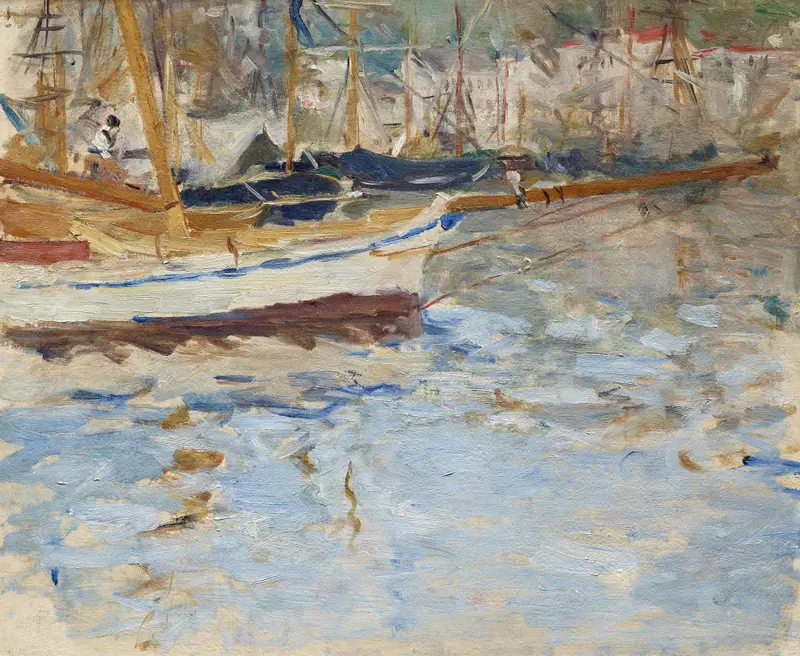
The Port of Nice
Berthe Morisot
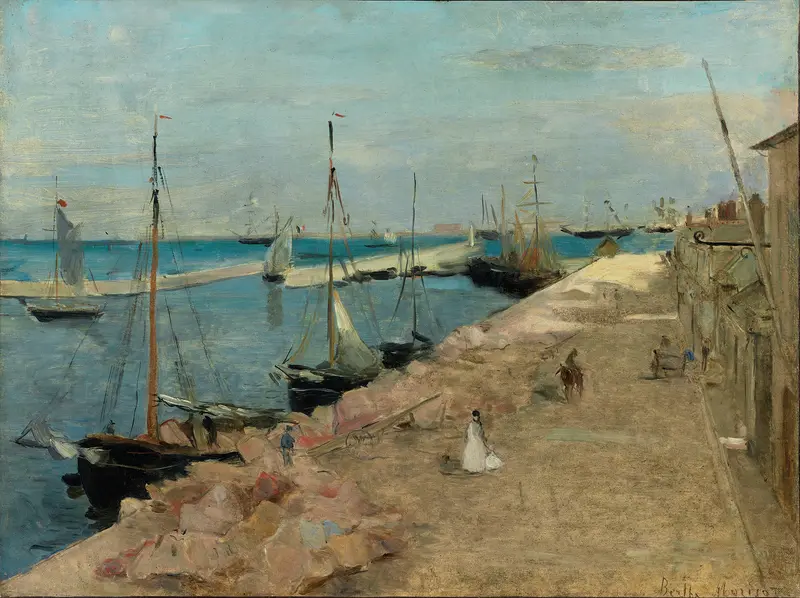
The Harbor at Cherbourg
Berthe Morisot

The Mother and Sister of the Artist
Berthe Morisot
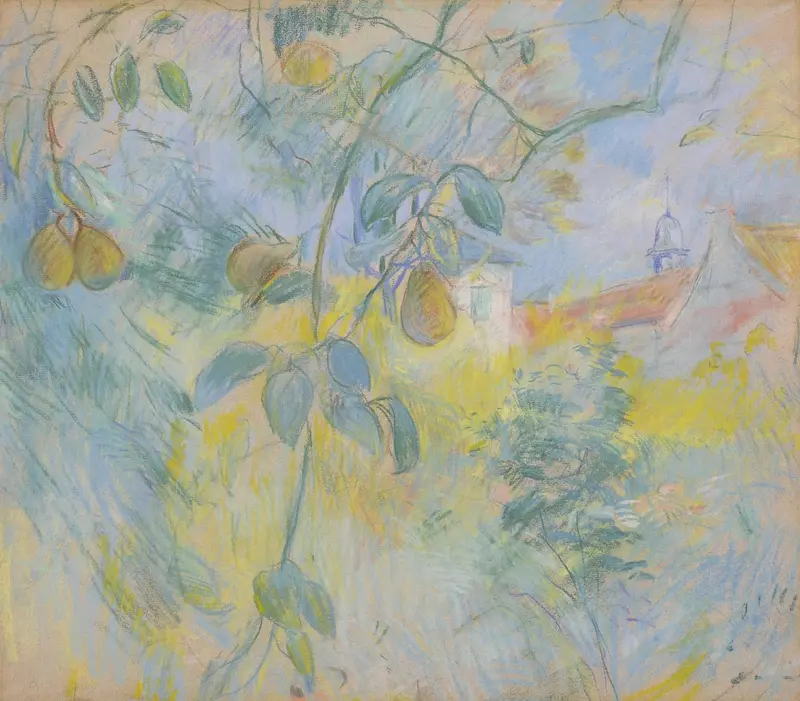
Les Poires
Berthe Morisot
More Genre Scene Art

Banquet of the Officers of the St George Civic Guard
Frans Hals

Rembrandt and Saskia in the Scene of the Prodigal Son
Rembrandt van Rijn

Bal du moulin de la Galette
Pierre-Auguste Renoir

Quadrille at the Moulin Rouge
Henri de Toulouse-Lautrec

A Burial at Ornans
Gustave Courbet

When Will You Marry?
Paul Gauguin