
In the Garden — History & Facts
When Mary Cassatt exhibited In the Garden in 1903, she was already celebrated as one of the few women at the heart of the Impressionist movement. What makes this work especially remarkable is its timing: painted just after Cassatt’s major solo exhibition at Durand-Ruel in Paris, it reflects her mature style and her enduring fascination with intimate scenes of women and children. The painting’s provenance is less documented than some of her other works, adding to the intrigue—scholars still debate whether it was first shown in Paris or New York, as Cassatt maintained strong ties to both cities.
What is certain is that In the Garden encapsulates the quiet revolution Cassatt brought to the depiction of domestic life. The scene unfolds in a sun-dappled garden, where a woman and a young girl are absorbed in a shared moment. Cassatt chooses the instant when the child, intent on a cluster of flowers, leans forward, her small hand outstretched, while the woman—perhaps her mother or governess—watches with gentle encouragement. The interplay of light and shadow across their faces and dresses, rendered in loose, vibrant strokes, draws the viewer’s eye to the intimacy of their bond.
The garden itself, lush and slightly untamed, frames the figures in a private world apart from society’s gaze. Unlike Renoir’s more theatrical outdoor scenes, Cassatt’s approach is quieter, focusing on observation and affection rather than spectacle. As with many works by Mary Cassatt, the precise early history of In the Garden is not fully documented, but it likely passed through the hands of private collectors before entering a museum collection. Cassatt’s career at this point was marked by both critical recognition and personal challenges, including declining eyesight that would eventually curtail her painting.
This work stands as a testament to her late style: confident, tender, and rooted in the everyday lives of women and children. Today, In the Garden is celebrated not only for its artistry but also for its role in redefining the possibilities of modern painting.
More Artworks by Mary Cassatt

The Child's Bath
Mary Cassatt
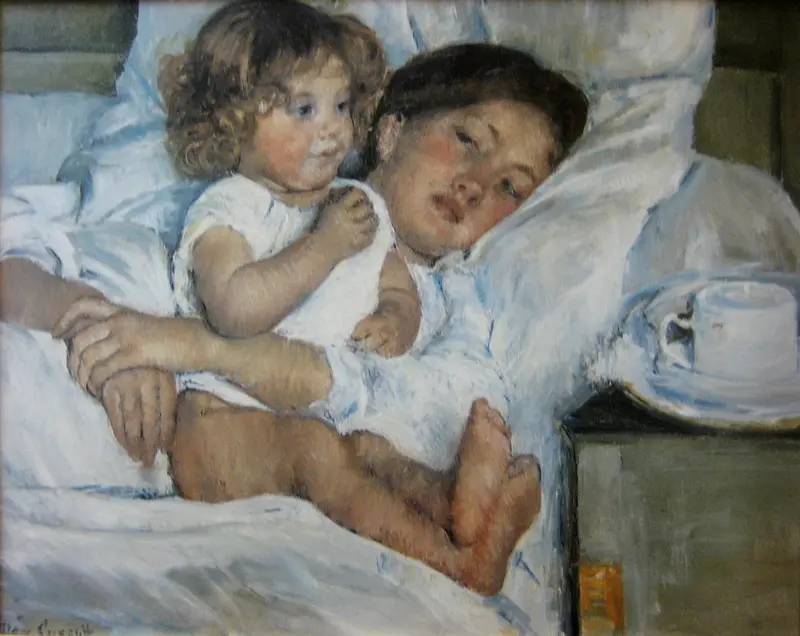
Breakfast in Bed
Mary Cassatt

Mother and Child (Baby Getting Up from His Nap)
Mary Cassatt
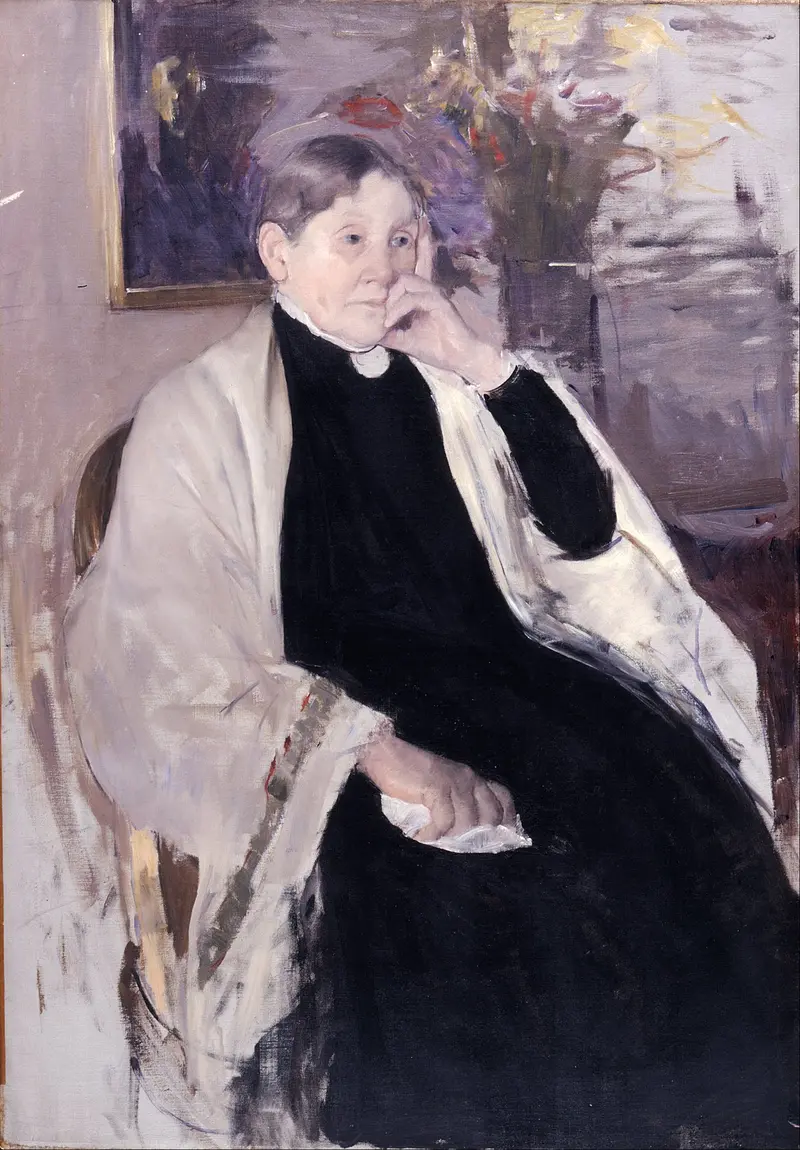
Mrs. Robert S. Cassatt, the Artist's Mother
Mary Cassatt
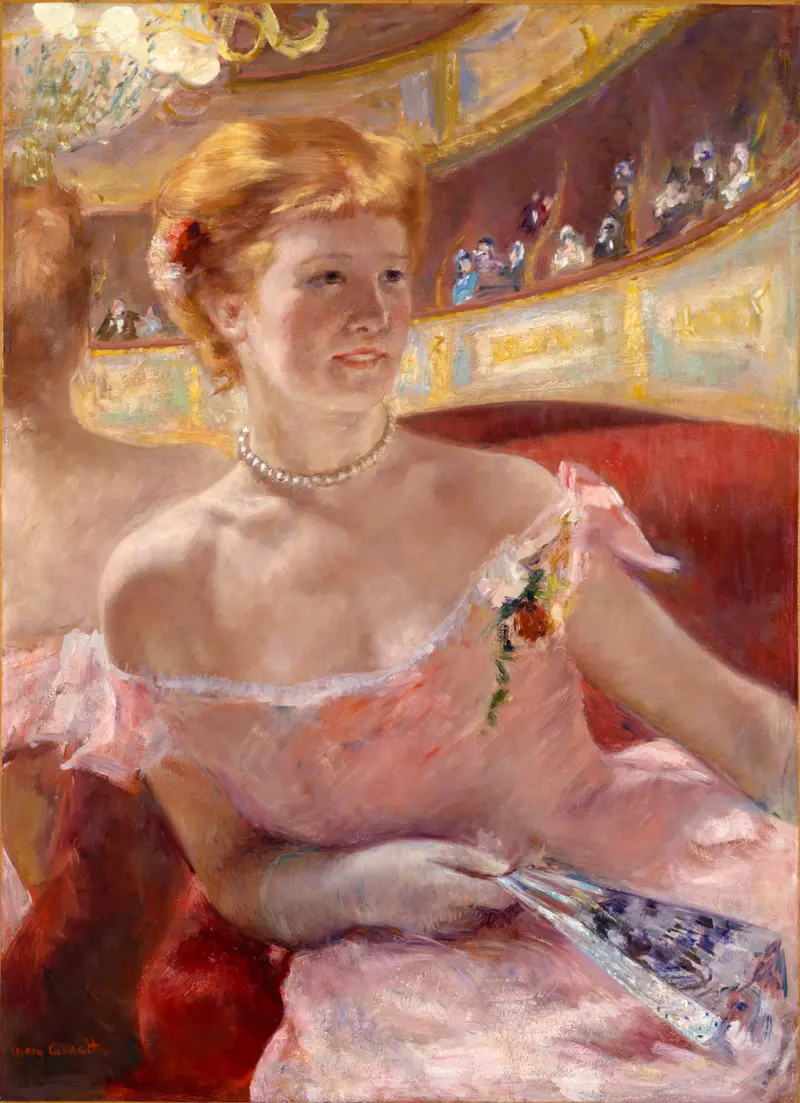
Woman with a Pearl Necklace in a Loge
Mary Cassatt
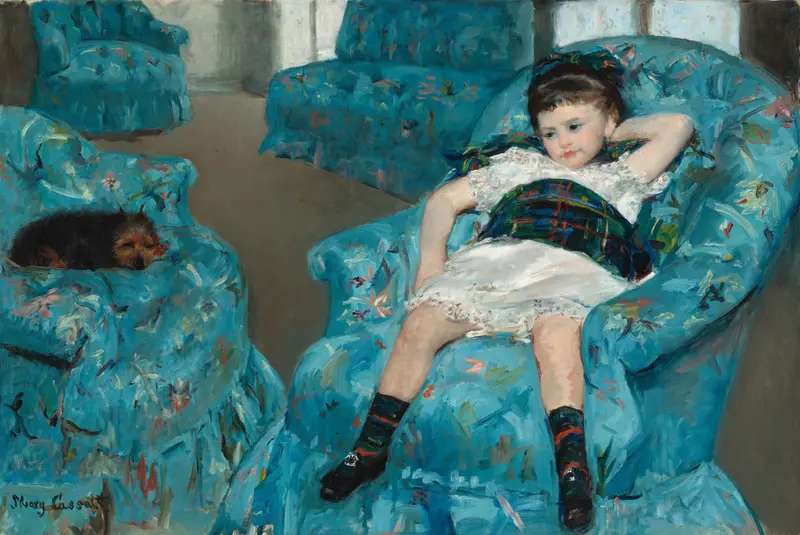
Little Girl in a Blue Armchair
Mary Cassatt
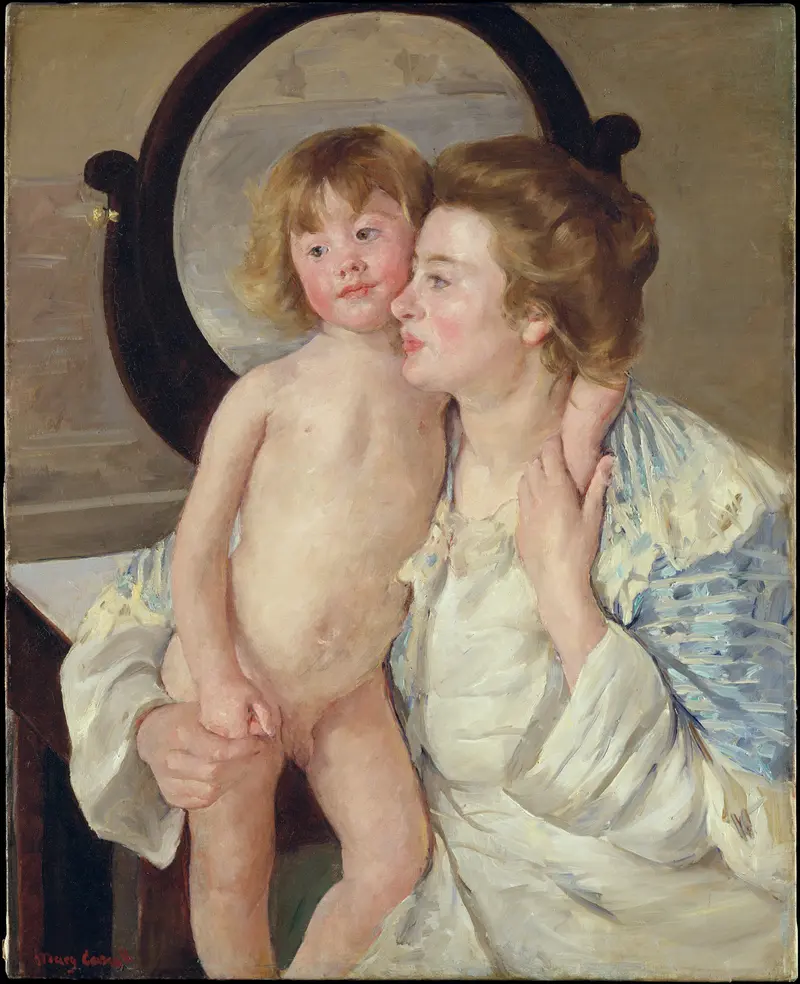
Mother and Child (The Oval Mirror)
Mary Cassatt
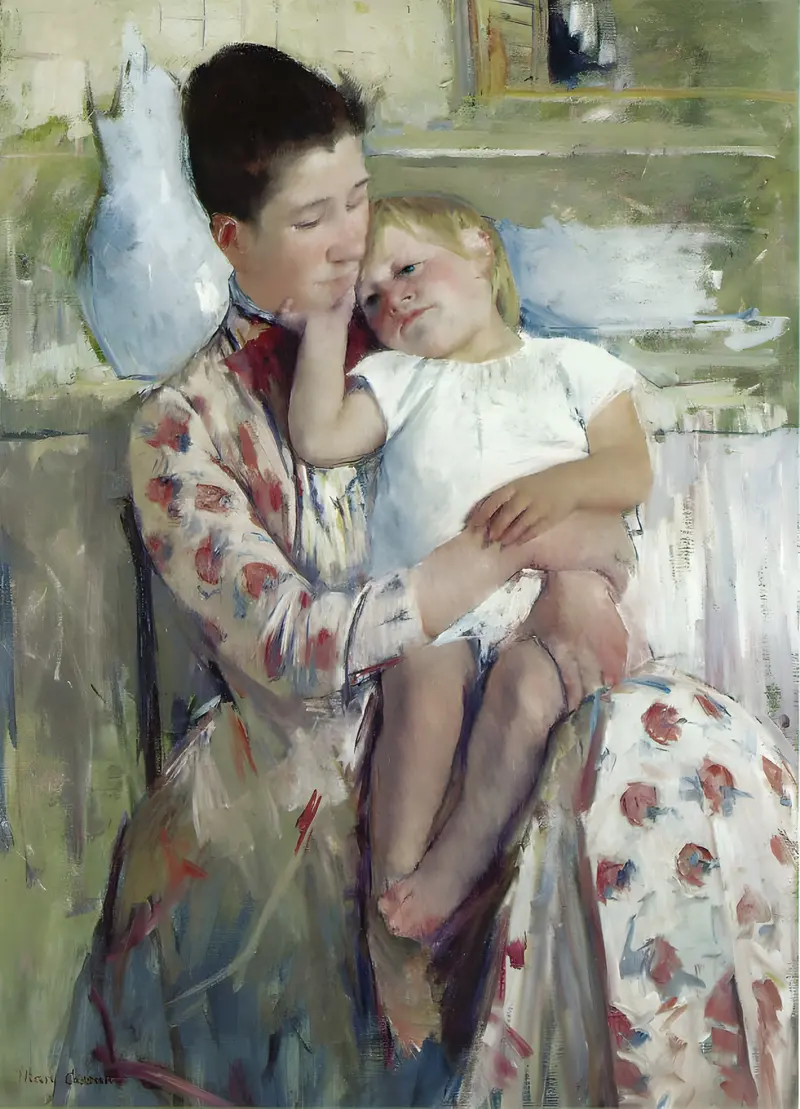
Mother and Child
Mary Cassatt
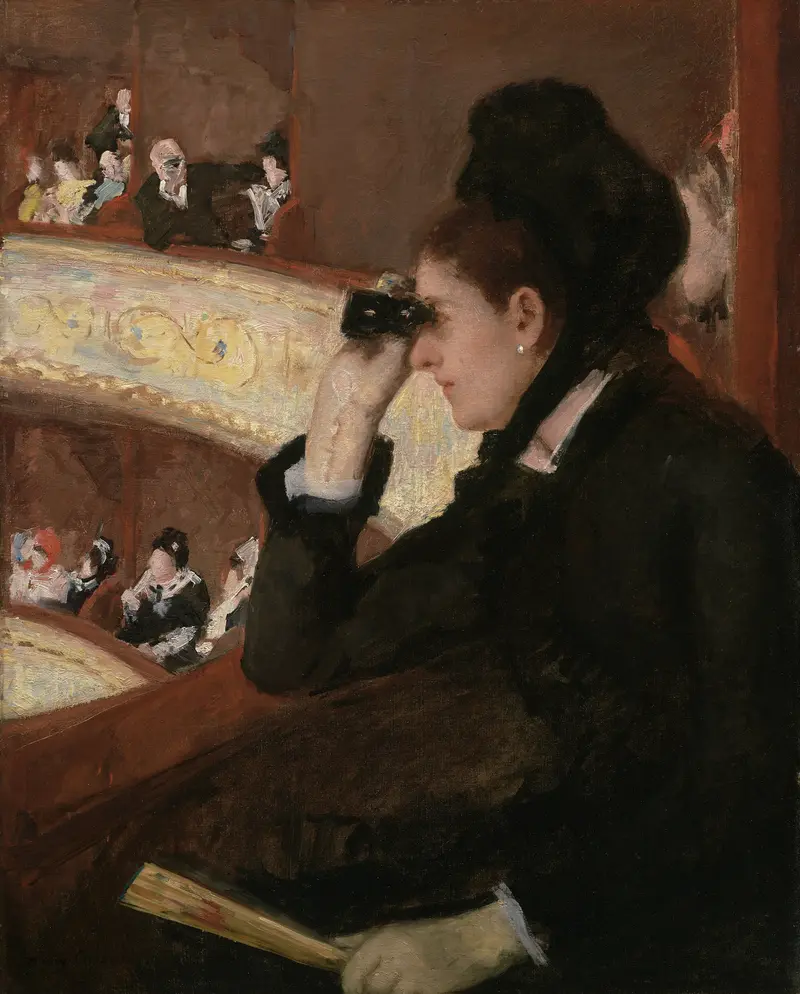
In The Loge
Mary Cassatt
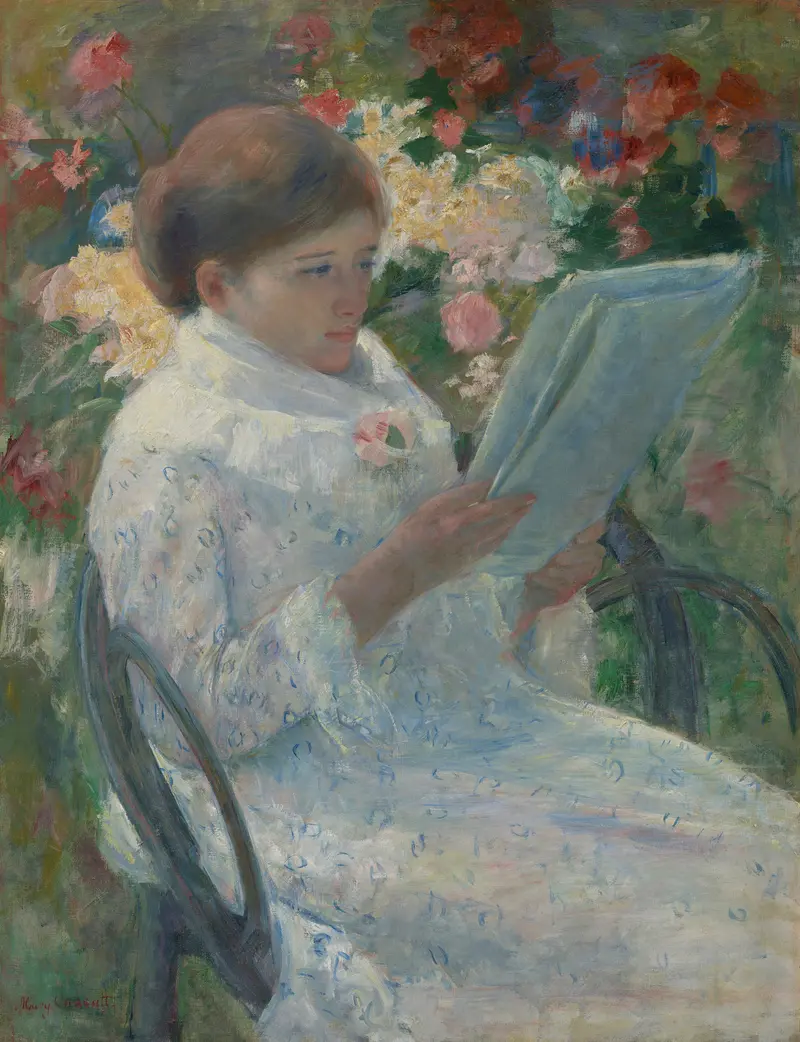
On a Balcony
Mary Cassatt
More Genre Scene Art

Banquet of the Officers of the St George Civic Guard
Frans Hals

Rembrandt and Saskia in the Scene of the Prodigal Son
Rembrandt van Rijn

Bal du moulin de la Galette
Pierre-Auguste Renoir

Quadrille at the Moulin Rouge
Henri de Toulouse-Lautrec

A Burial at Ornans
Gustave Courbet

When Will You Marry?
Paul Gauguin