
In the Park — History & Facts
What draws the eye first in In the Park is not a single figure, but the shimmering, almost dreamlike haze that seems to envelop the entire scene. The figures—women in sumptuous, flowing dresses—emerge from the darkness as if conjured by memory, their gestures caught between conversation and reverie. One woman’s hand is raised, perhaps in gentle persuasion or greeting, while a loyal dog stands alert at their side, anchoring the group to the earth.
The thick, swirling brushwork blurs boundaries, making the park itself feel alive and restless, as if the foliage and shadows might shift at any moment. Light pools on the faces and fabrics, drawing attention to the intimacy of their gathering, while the deep greens and golds suggest the fading sun of a late afternoon. Painted between 1875 and 1880, this work by Adolphe Joseph Thomas Monticelli belongs to a period when artists across Europe were reimagining the possibilities of color and texture. Monticelli, known for his bold impasto and jewel-like palette, often painted scenes of leisure and sociability, echoing the tastes of a bourgeoisie eager to see themselves reflected in art.
While little is recorded about the specific history of this painting, its presence today in the Thielska Galleriet speaks to the enduring appeal of such moments—fleeting, opulent, and tinged with nostalgia. The painting invites us to linger, to let our eyes adjust to its shadows, and to imagine the stories whispered beneath the trees.
More Artworks by Adolphe Monticelli

Portrait of a Lady
Adolphe Monticelli
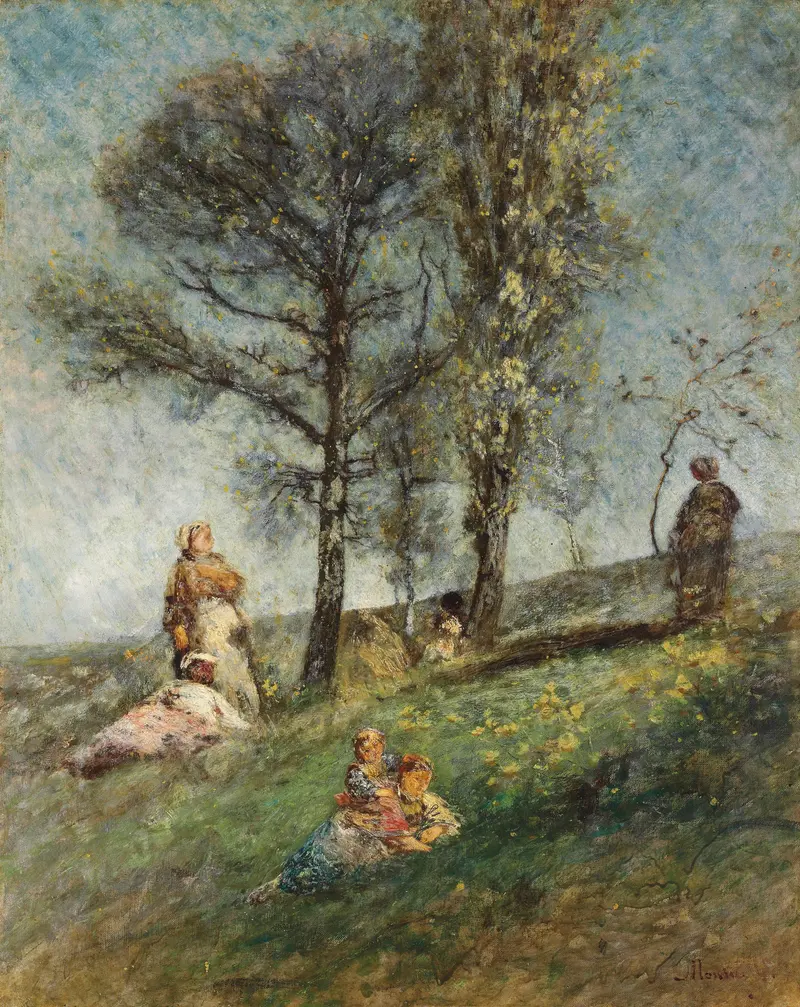
A Young Family Under Trees On A Hill
Adolphe Monticelli

Fête d'Après-Midi
Adolphe Monticelli
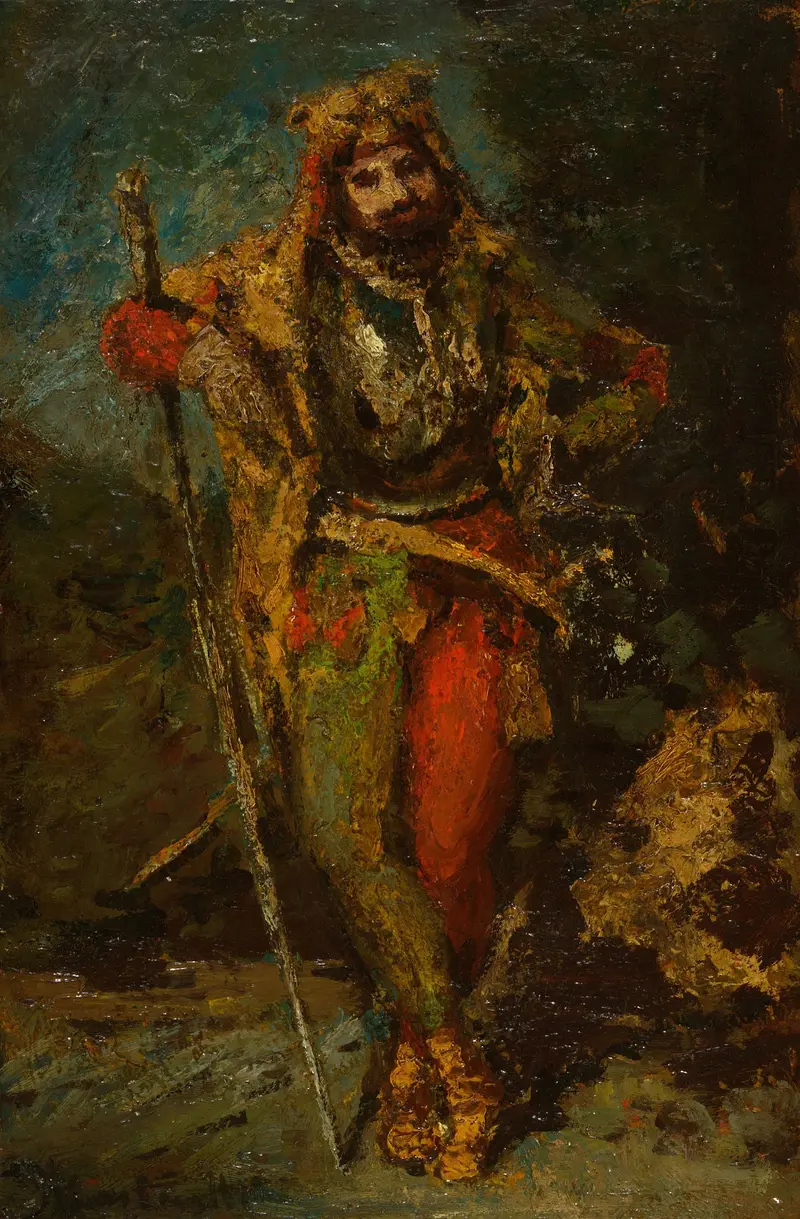
Mephisto from the Opera Faust
Adolphe Monticelli
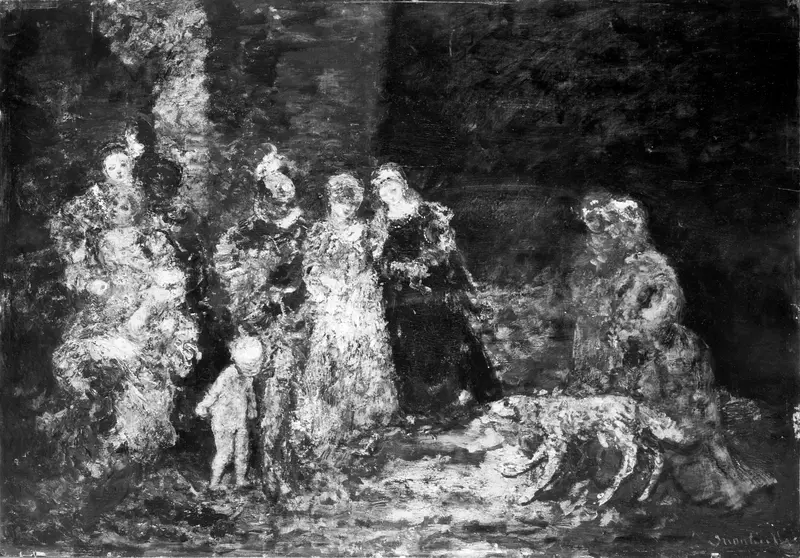
The Fairies
Adolphe Monticelli
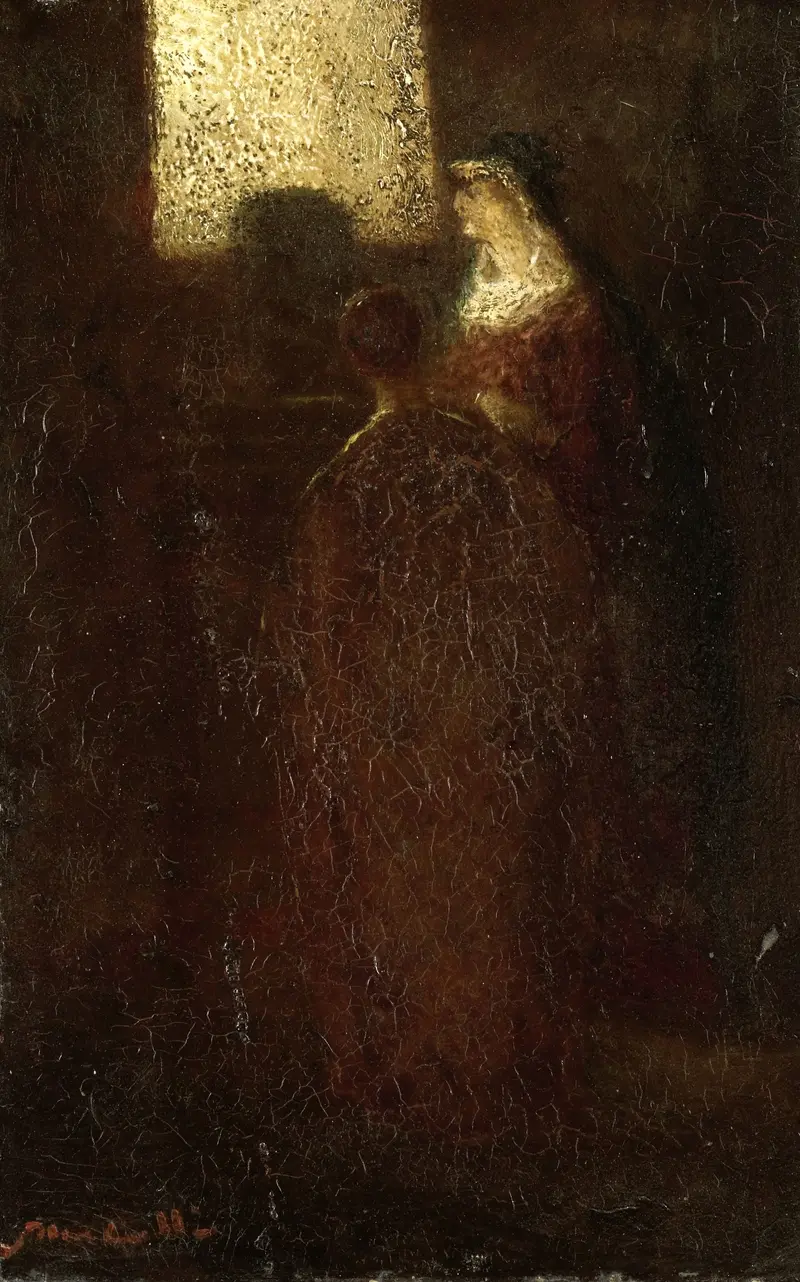
Aan het altaar
Adolphe Monticelli
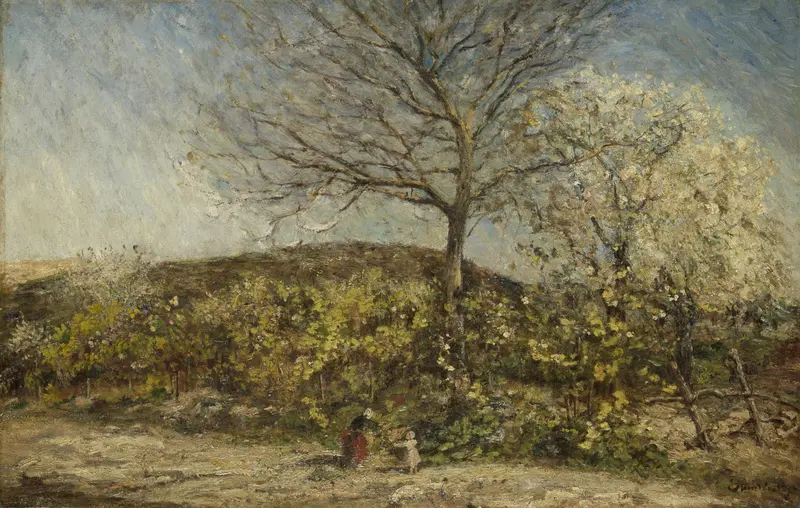
Landschap met bloeiende boomgaard
Adolphe Monticelli
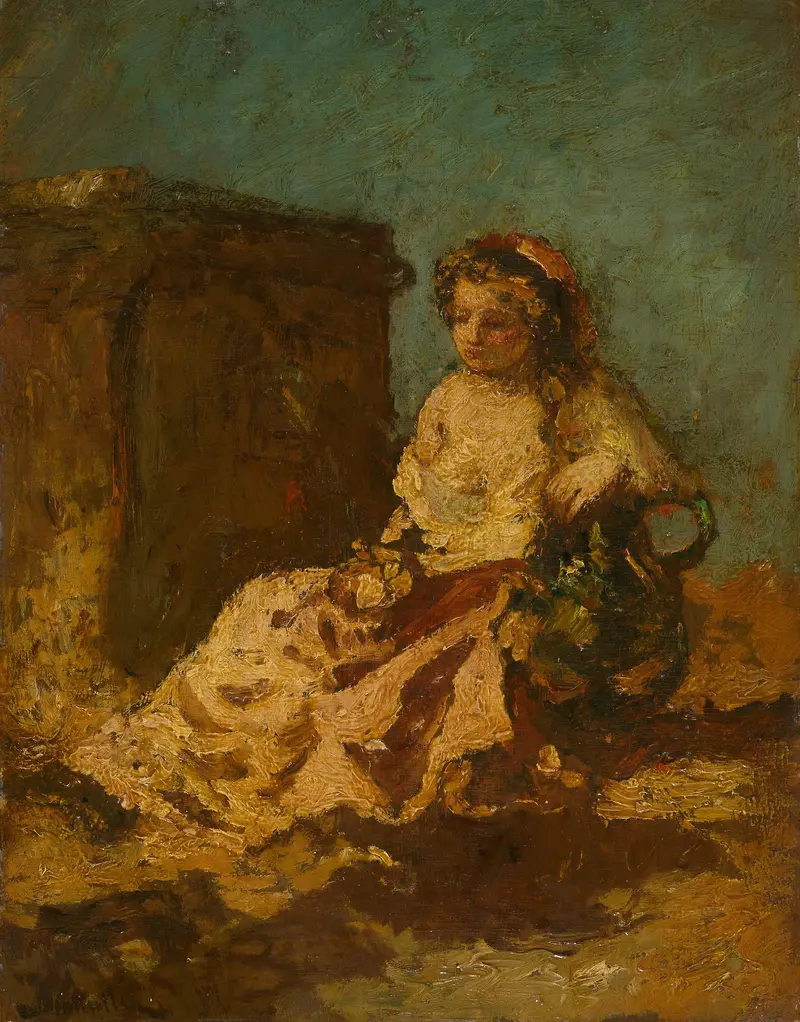
Meditation (Seated Woman)
Adolphe Monticelli
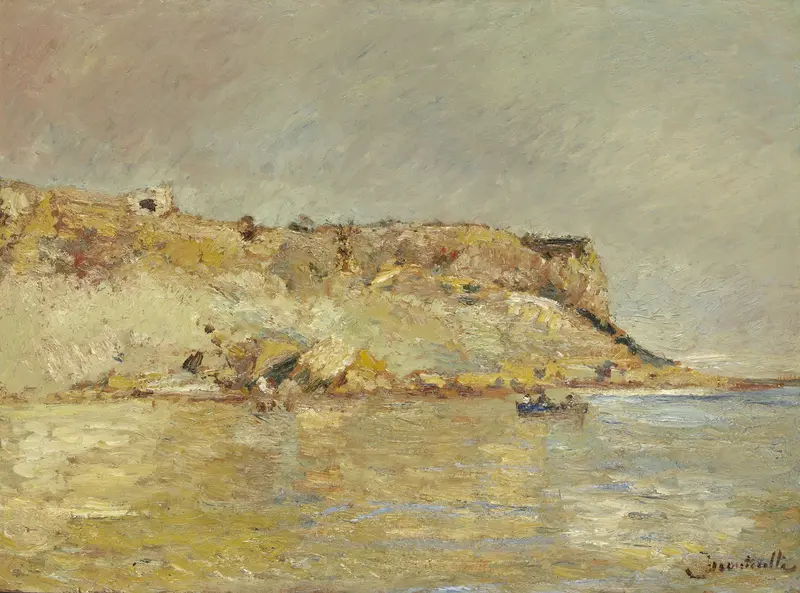
Coastal Mountains
Adolphe Monticelli
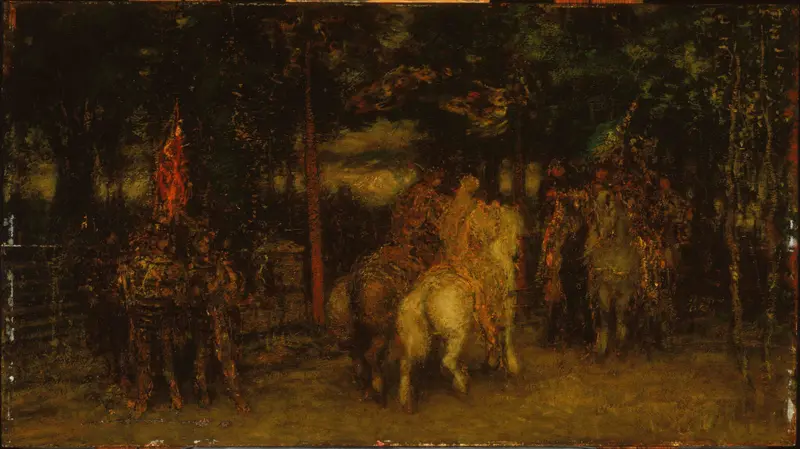
Landscape with Figures
Adolphe Monticelli
More Genre Scene Art

Banquet of the Officers of the St George Civic Guard
Frans Hals

Rembrandt and Saskia in the Scene of the Prodigal Son
Rembrandt van Rijn

Bal du moulin de la Galette
Pierre-Auguste Renoir

Quadrille at the Moulin Rouge
Henri de Toulouse-Lautrec

A Burial at Ornans
Gustave Courbet

When Will You Marry?
Paul Gauguin