
Italian girl — History & Facts
What first draws the eye in Italian girl by Akseli Gallen-Kallela is the way the sitter’s profile emerges from the shadows, her gaze fixed somewhere beyond the edge of the canvas. The light falls gently across her cheek and the crisp white of her blouse, guiding us to the thoughtful set of her mouth and the quiet strength in her posture. Her hands rest on a large, rough-hewn jug, fingers curled around its rim as if pausing in the midst of daily work.
The brushwork is loose and energetic around the edges, but tightens at her face, inviting us to linger on the contrast between her soft features and the earthy textures of her clothing and vessel. The palette—warm ochres, deep reds, and greens—evokes the sunlit southern landscapes that so often captivated northern artists on their travels. Painted between 1884 and 1889, this work belongs to a period when artists like Gallen-Kallela sought authenticity in scenes of everyday life, often turning to southern Europe for inspiration. Portraits of local women, rendered with both dignity and intimacy, were popular among artists studying abroad, serving as studies in character as well as light.
The genre reflects a broader 19th-century fascination with the “picturesque” and the honest labor of rural people, a subject that appealed to collectors seeking both beauty and a sense of truth. Today, Italian girl is held in a private collection, its presence on bukowskis.com a reminder that many such works, though less documented, still speak directly to us through their painterly immediacy and the quiet stories they contain.
More Artworks by Akseli Gallen-Kallela
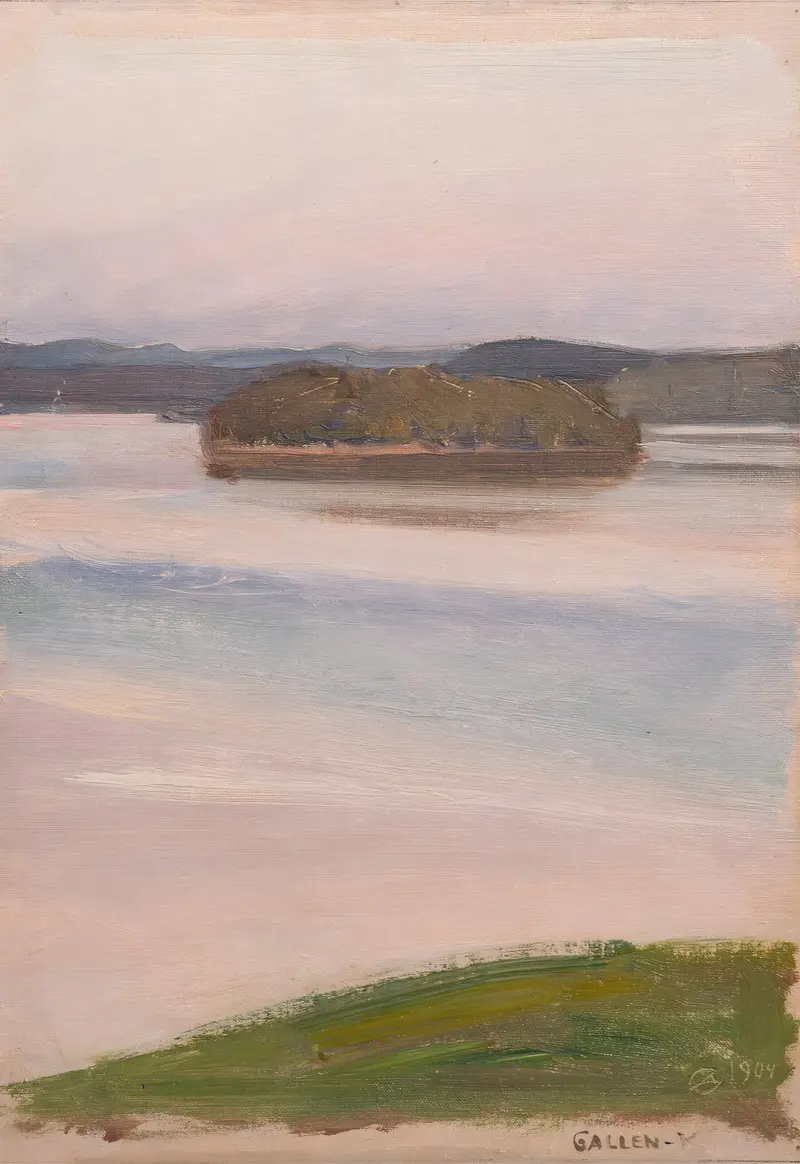
Lake Keitele
Akseli Gallen-Kallela
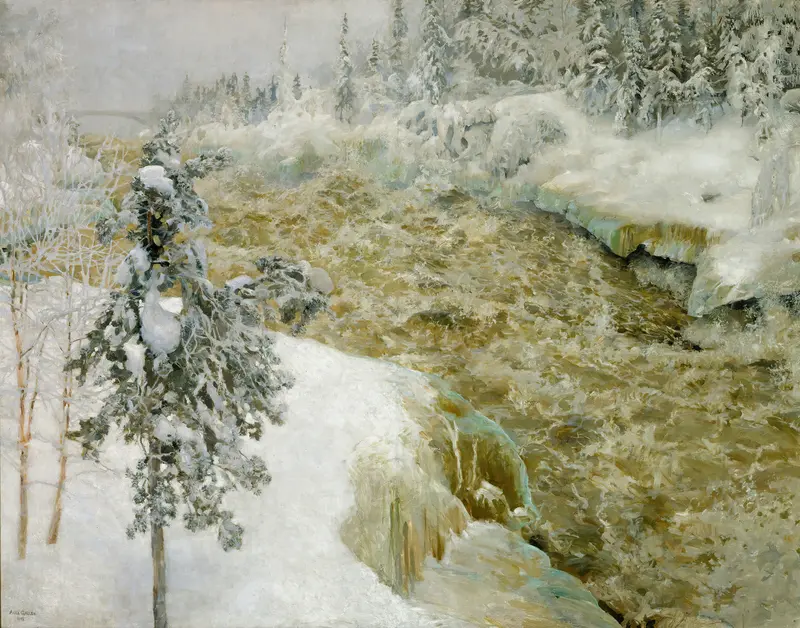
Imatra Falls in Snow ; Imatra in Winter
Akseli Gallen-Kallela
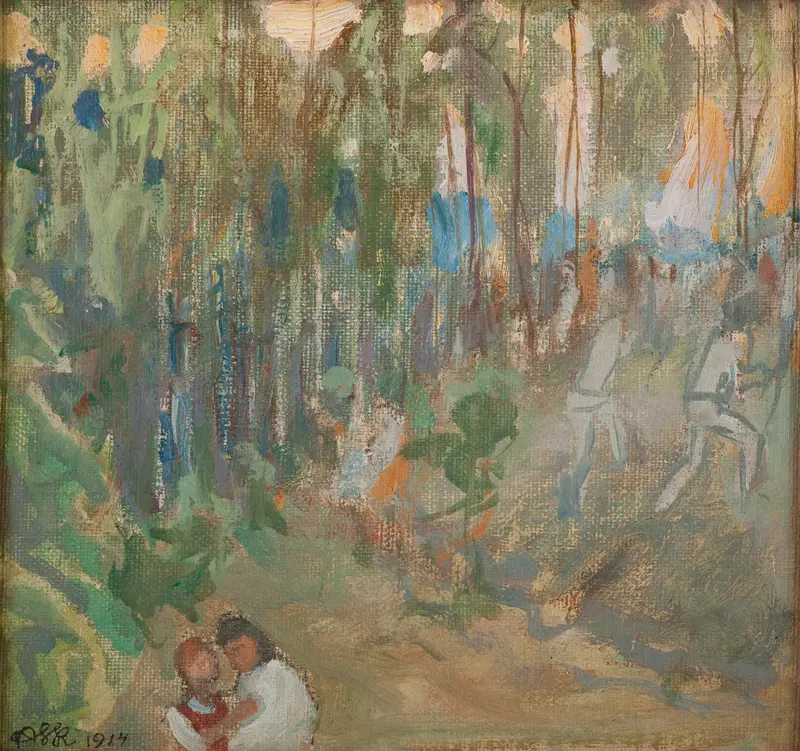
Vainovalkeat
Akseli Gallen-Kallela
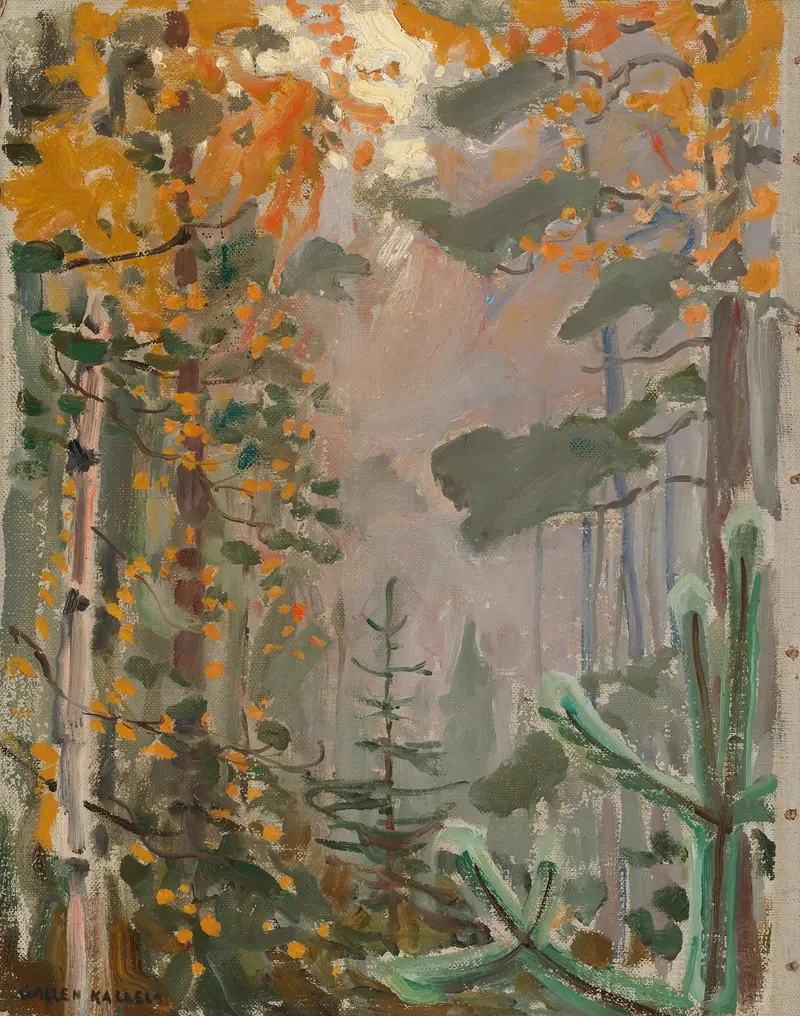
Autumn Landscape
Akseli Gallen-Kallela
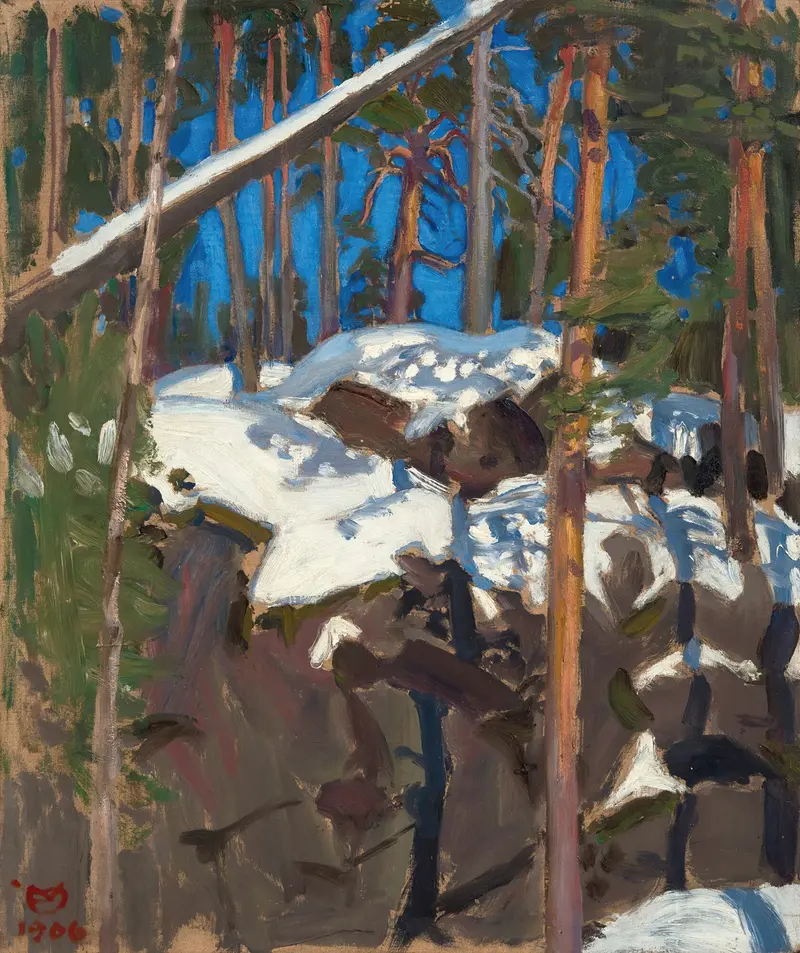
Spring Sun At Konginkangas
Akseli Gallen-Kallela
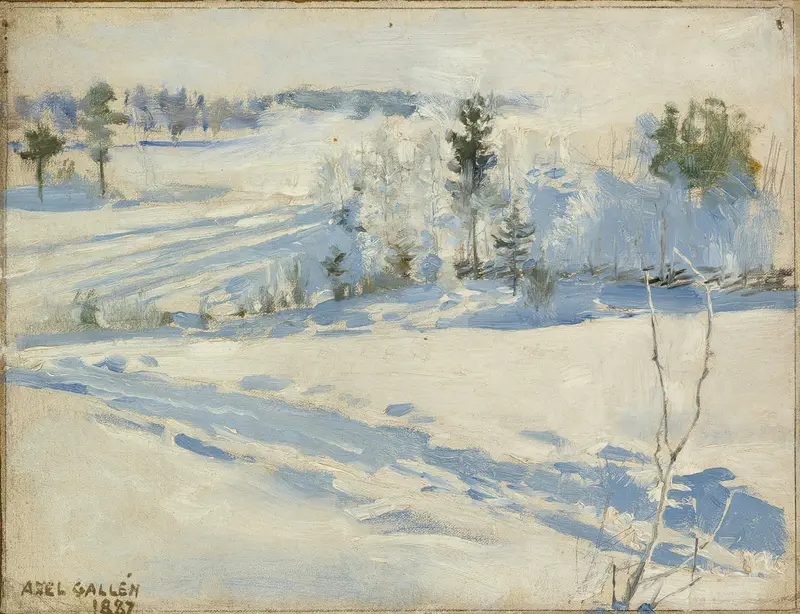
Winter Landscape
Akseli Gallen-Kallela

First Snow
Akseli Gallen-Kallela
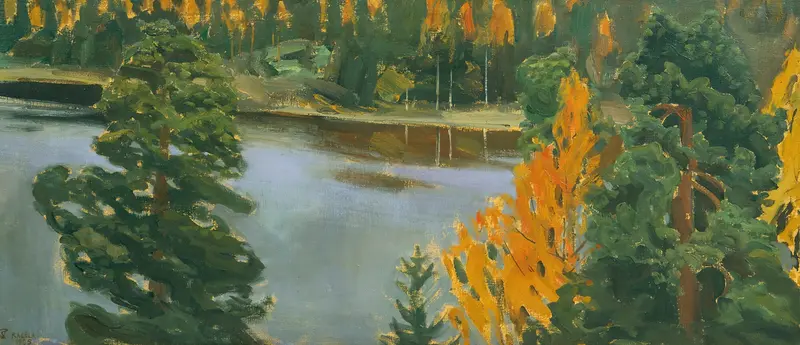
Lake View In Autumn
Akseli Gallen-Kallela
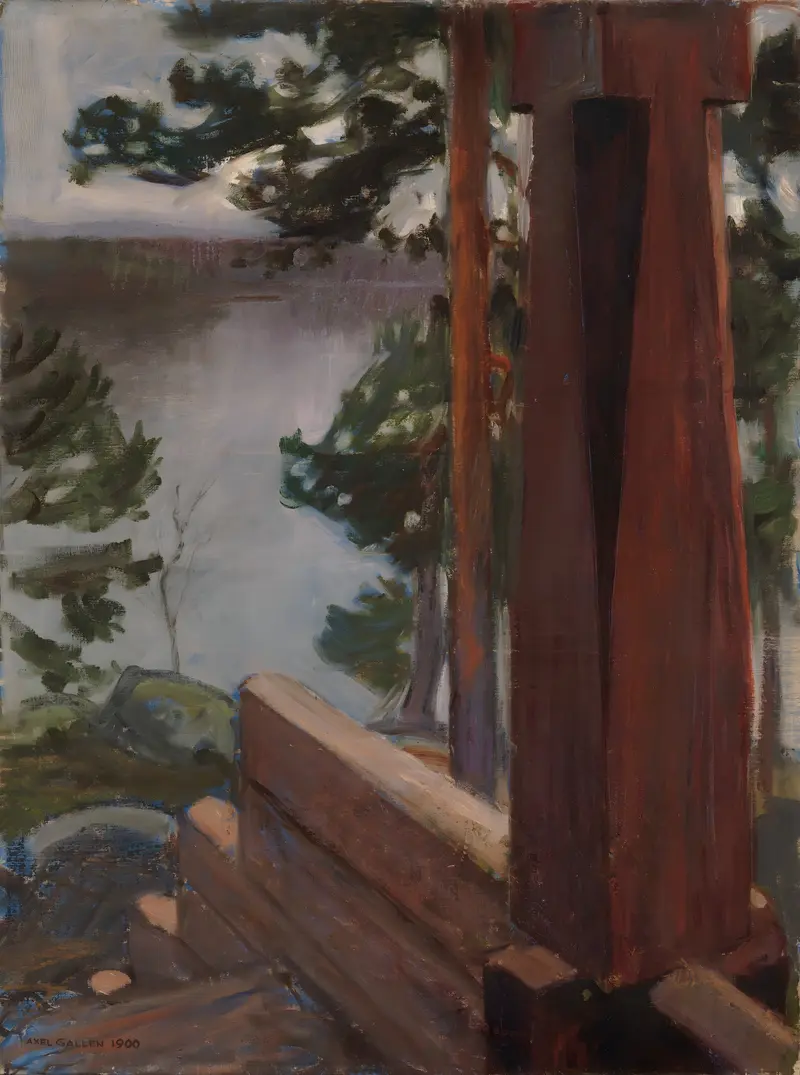
The Kalela Porch
Akseli Gallen-Kallela

Light Behind The Clouds
Akseli Gallen-Kallela





