
Izebel en koning Achab — History & Facts
Could a single brushstroke hold eternity? In Izebel en koning Achab, the tension between power and violence is rendered with a skill that transcends mere representation. Look to the left at the imposing figure of Izebel, her gaze fierce and unwavering as she stands confidently beside King Ahab. Notice the rich, dark colors of her attire, contrasting sharply with the lighter hues surrounding her, which reflect a somber atmosphere. The intricate details in her gown, coupled with the delicate handling of light falling upon her skin, draw the eye, revealing the artist’s deft command of texture and form.
Each brushstroke is intentional, creating a dynamic interplay between the subjects that evokes their troubling relationship. Delve deeper into the scene, and you’ll discover the underlying violence that pulses through the composition. The tension in their body language—Izebel's assertive stance and Ahab’s subservient posture—hints at a complex dynamic of manipulation and control. The backgrounds are rendered with a hazy ambiguity, reinforcing a sense of foreboding.
One can almost hear the whispers of betrayal woven into the fabric of their dialogue, as the very air seems charged with an uneasy silence. Lucas van Leyden painted this work between 1515 and 1519, during a time when the Northern Renaissance was at its peak. His approach to narrative storytelling within artwork was innovative, reflecting the growing demand for moral and historical themes in painting. As a pioneer in the use of engraving and a prominent figure in Dutch art, his exploration of complex human emotions in this piece not only highlights his technical prowess but also signals a shift towards deeper psychological representations in the artistic discourse of the era.
More Artworks by Lucas van Leyden
Browse all →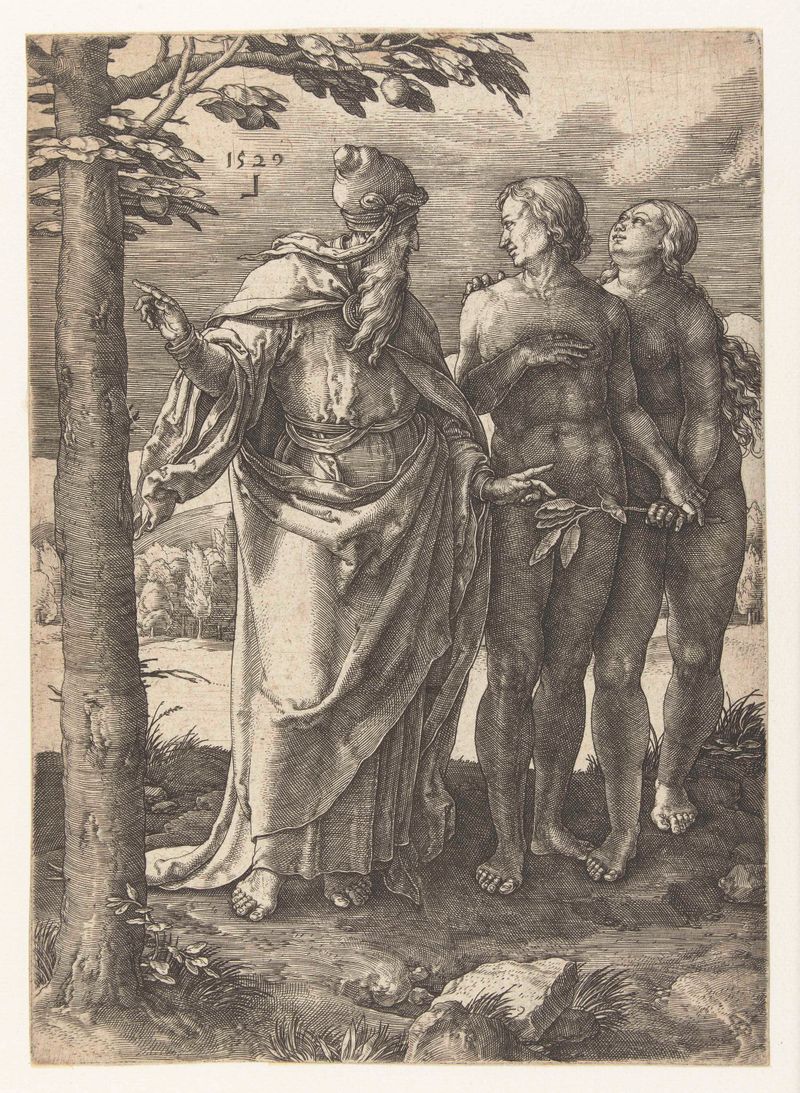
Het eerste verbod
Lucas van Leyden
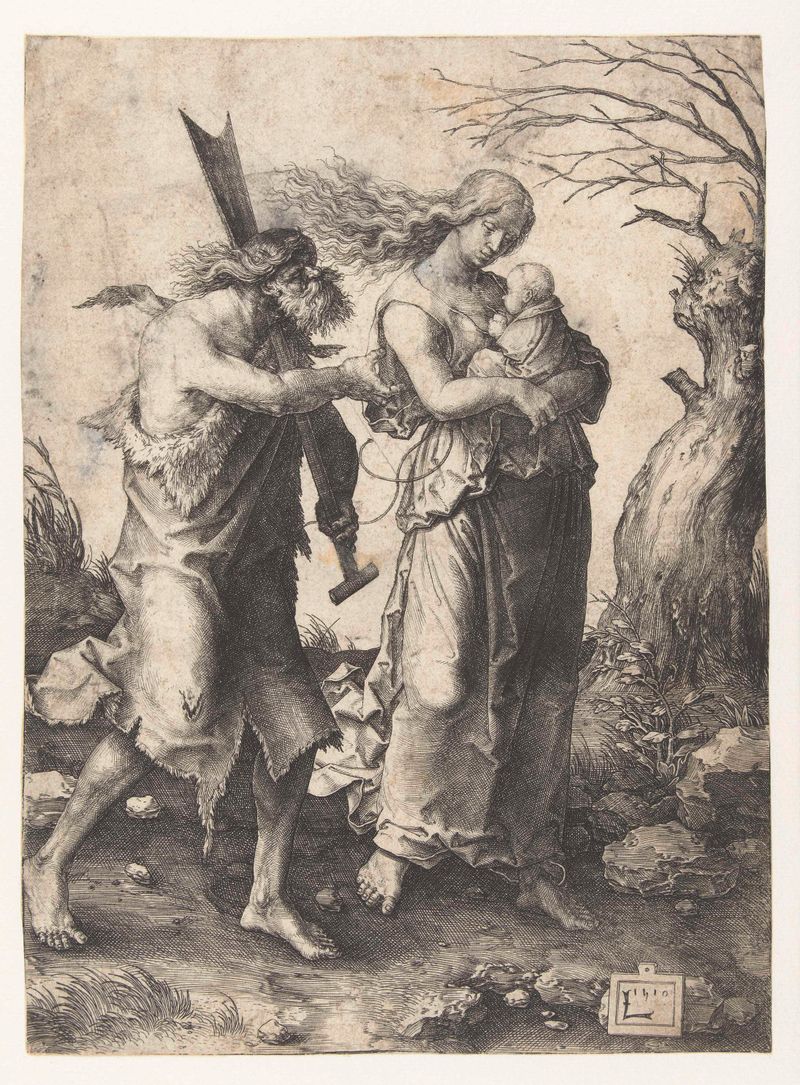
Adam en Eva na de verdrijving uit het paradijs
Lucas van Leyden
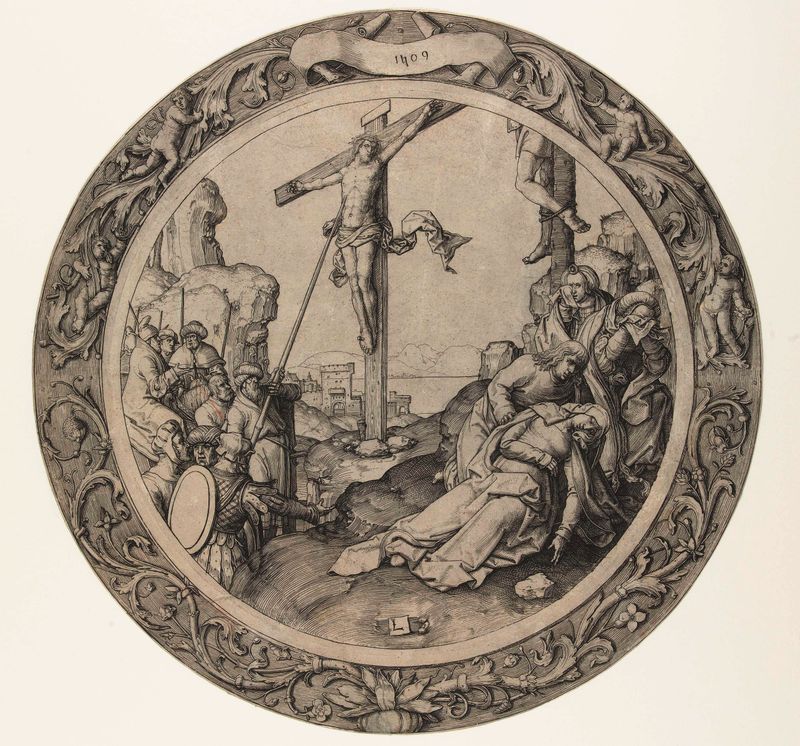
De kruisiging
Lucas van Leyden
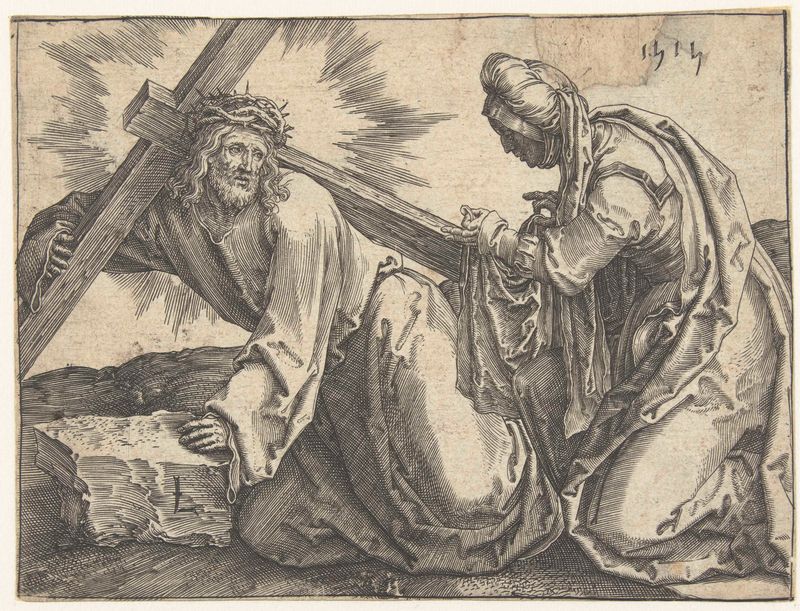
Kruisdraging
Lucas van Leyden
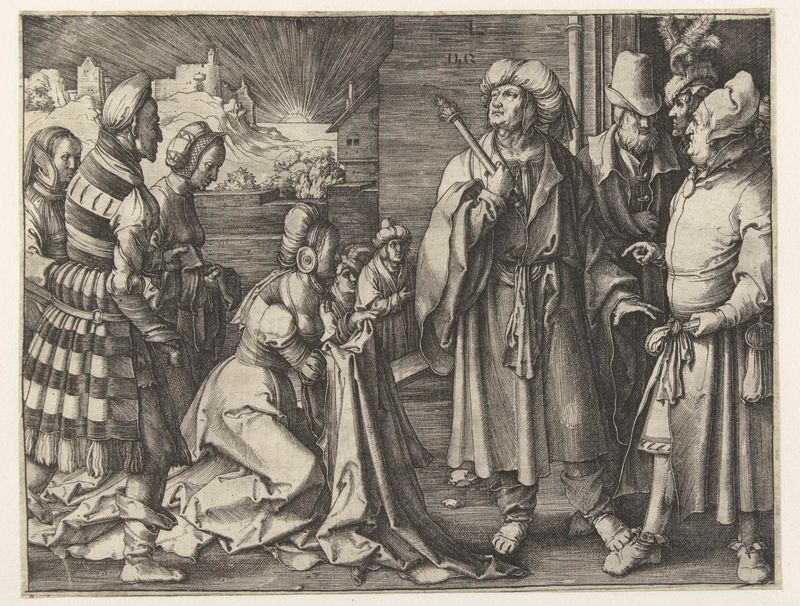
De vrouw van Potifar beschuldigt Jozef
Lucas van Leyden
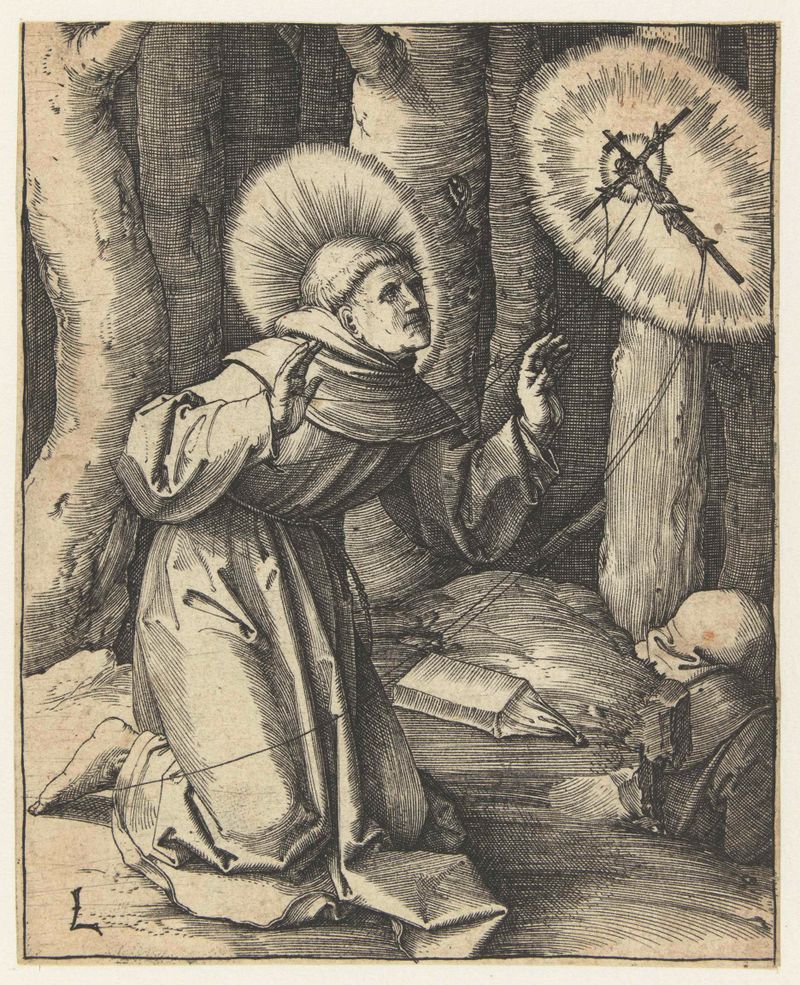
De stigmatisatie van de heilige Franciscus
Lucas van Leyden
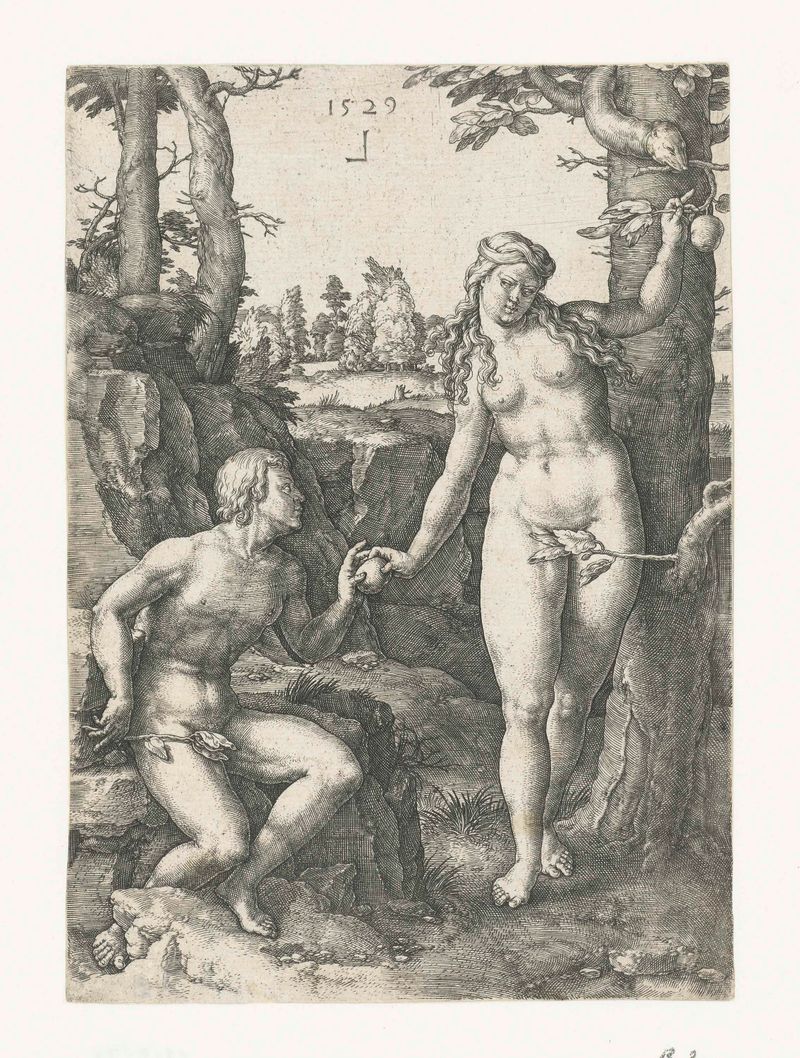
De zondeval
Lucas van Leyden
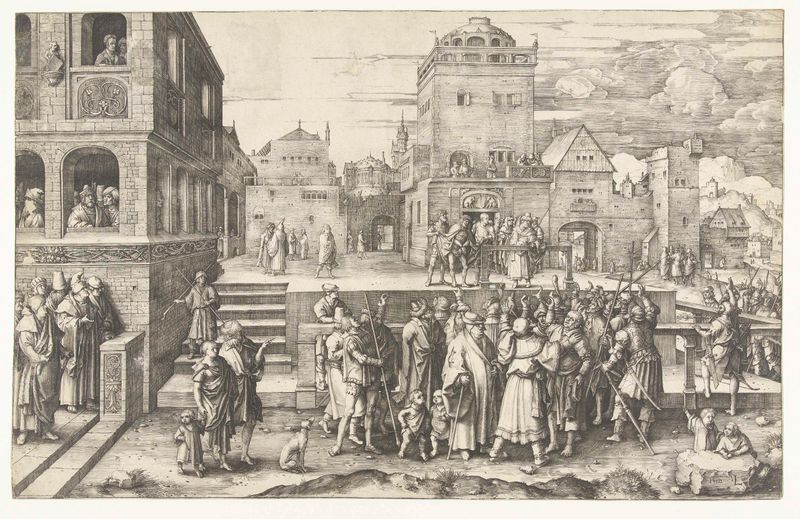
De grote Ecce Homo
Lucas van Leyden
Maria met kind
Lucas van Leyden

Doornenkroning
Lucas van Leyden
More Historical Art
Browse all →
The Night Watch Militia Company of District II under the Command of Captain Frans Banninck Cocq
Rembrandt van Rijn
Lincoln Memorial
Henry Bacon
The Third of May 1808
Francisco de Goya

Isaac and Rebecca, Known as ‘The Jewish Bride’
Rembrandt van Rijn
The Charge of the Mamelukes (1814)
Francisco de Goya

De vier ruiters van de apocalyps
Albrecht Dürer