
Izebel en koning Achab — History & Facts
In a realm where reality wavers, illusion dances at the edges of perception. Here, the vivid interplay of color and shadow invites us to question the boundaries of truth, beckoning us deeper into its visual embrace. Look to the left at the striking figure of Jezebel, her gaze piercing through the viewer with an intensity that demands attention. The rich, deep reds of her robes contrast sharply with the muted earth tones encircling her, drawing our eyes immediately to her commanding presence.
Notice the delicate detailing in the fabric, each fold a testament to the artist’s skill, while the soft light caresses her features, illuminating the subtle mix of defiance and seduction. The composition itself, with the figures arranged in a triangular format, creates a dynamic tension that pulls us into the narrative. Beneath the surface, we witness a layered narrative unfolding. The juxtaposition between the opulence of Jezebel's attire and the somber countenance of King Ahab hints at a power struggle, a poignant commentary on the dynamics of control and submission.
The tension in their postures and expressions reflects an uneasy alliance, revealing the fragile balance between desire and ambition. Each detail, from the rich textures to the expressive gestures, conveys the underlying currents of manipulation and fate that bind them together in this moment. During the years 1515 to 1519, Lucas van Leyden was at the height of his career in the Northern Renaissance, creating works that married religious themes with human emotion. Working in Leiden, he was influenced by the burgeoning dialogue between art and humanism, navigating a world where narrative-driven scenes began to dominate.
This artwork captures both the essence of biblical storytelling and the complex interplay of personal relationships, marking a significant evolution in his artistic journey.
More Artworks by Lucas van Leyden
Browse all →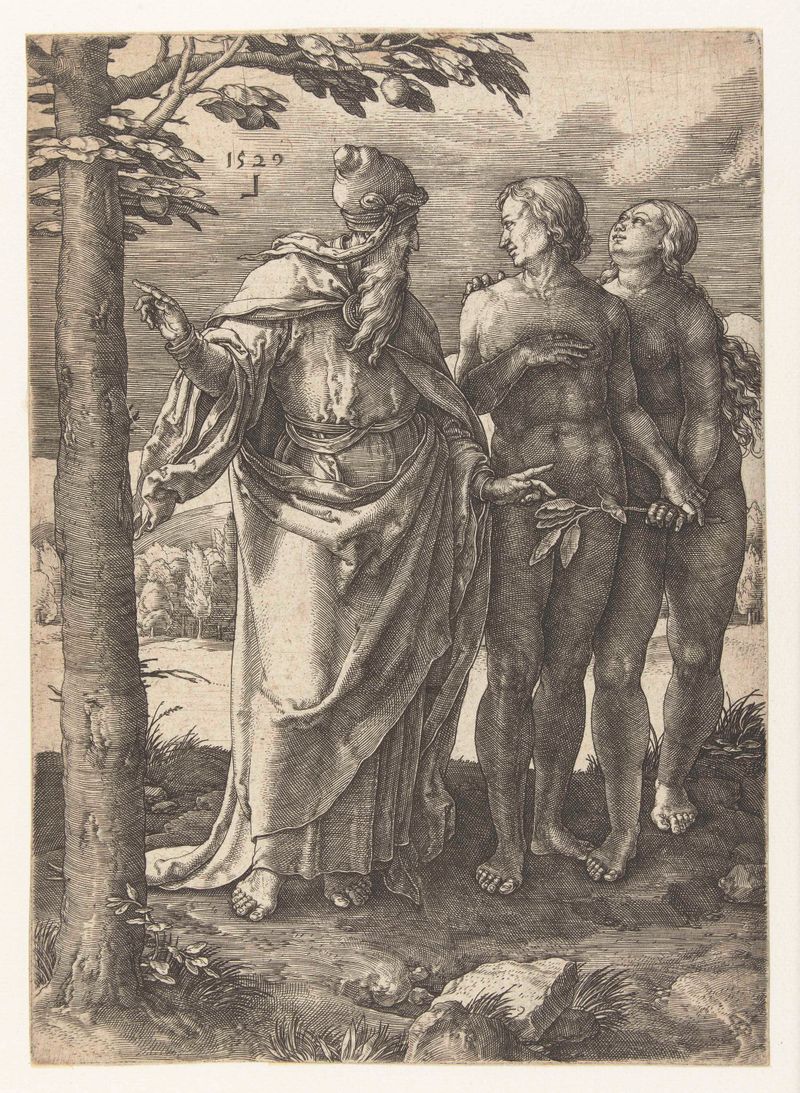
Het eerste verbod
Lucas van Leyden
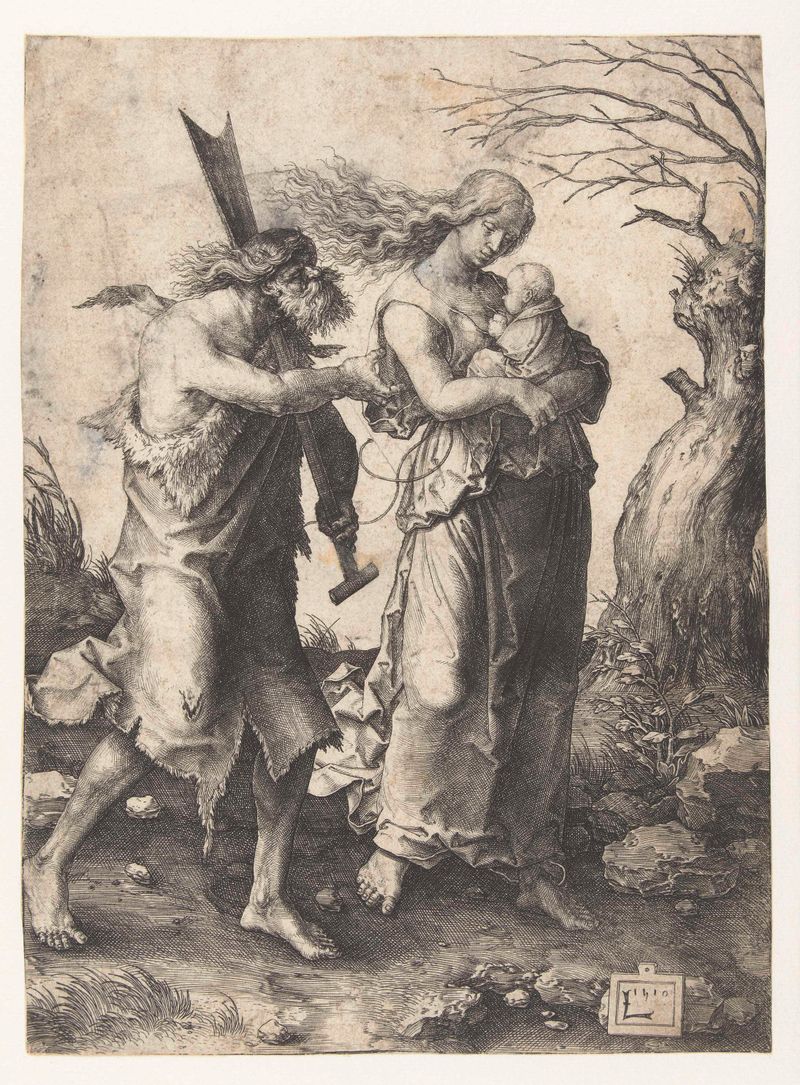
Adam en Eva na de verdrijving uit het paradijs
Lucas van Leyden
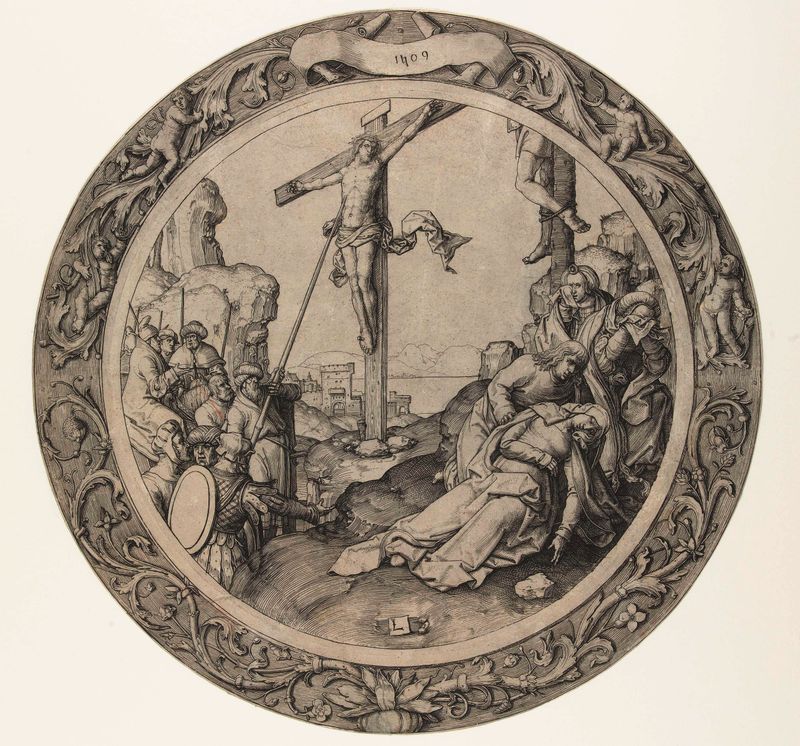
De kruisiging
Lucas van Leyden
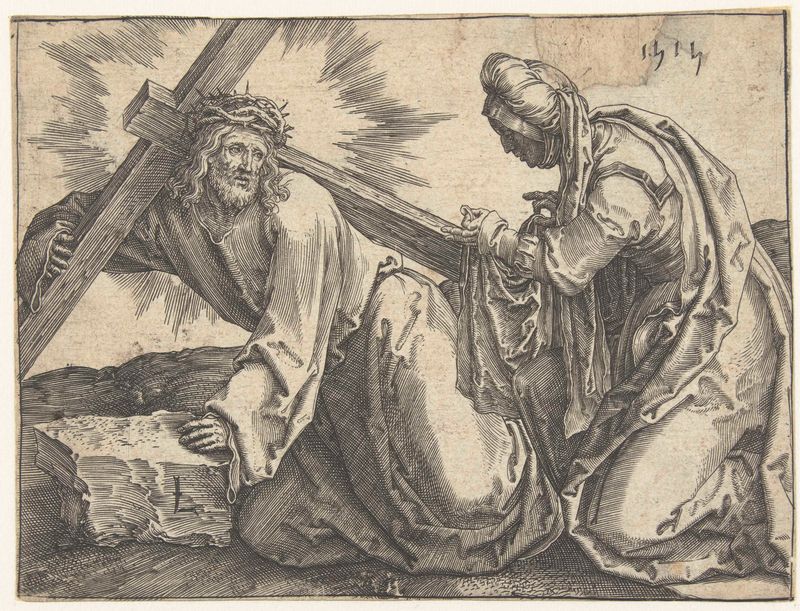
Kruisdraging
Lucas van Leyden
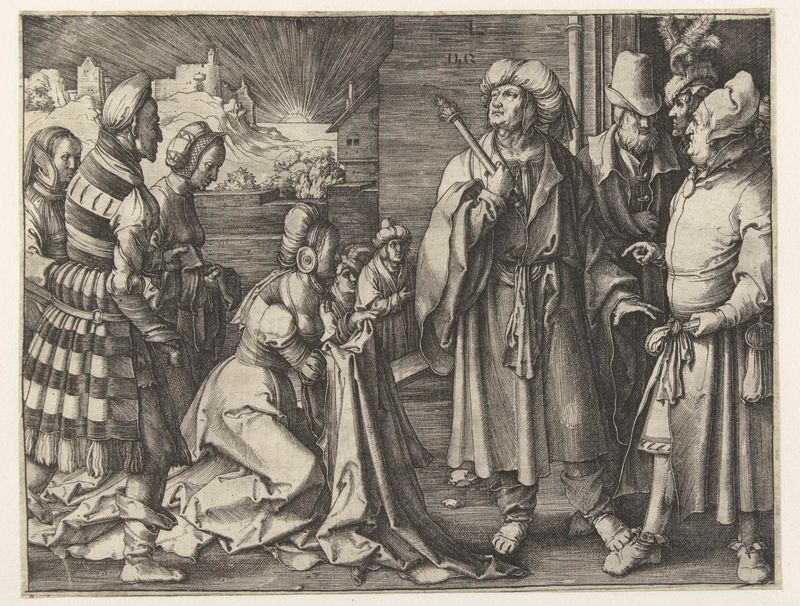
De vrouw van Potifar beschuldigt Jozef
Lucas van Leyden
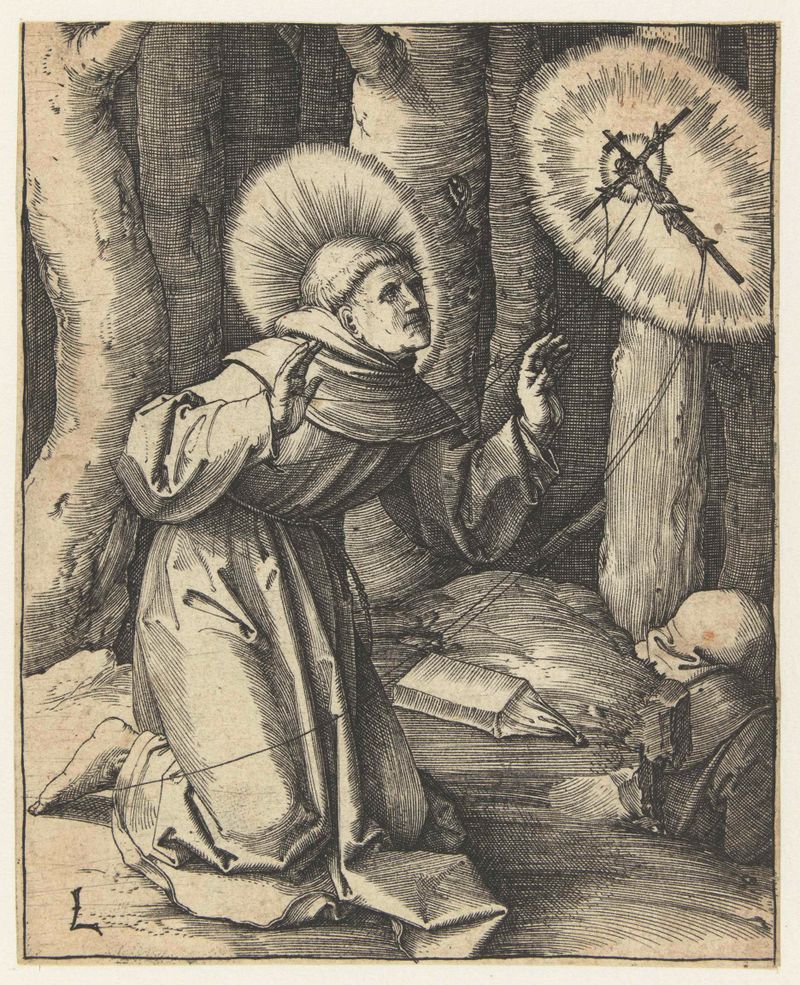
De stigmatisatie van de heilige Franciscus
Lucas van Leyden
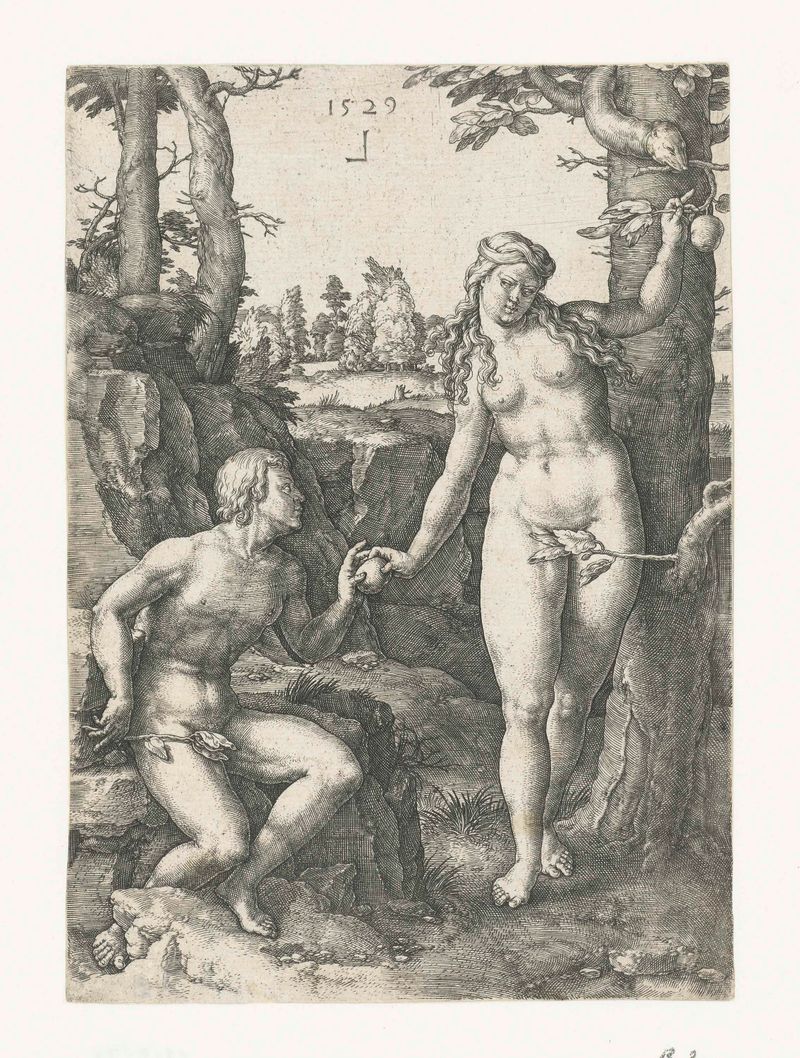
De zondeval
Lucas van Leyden
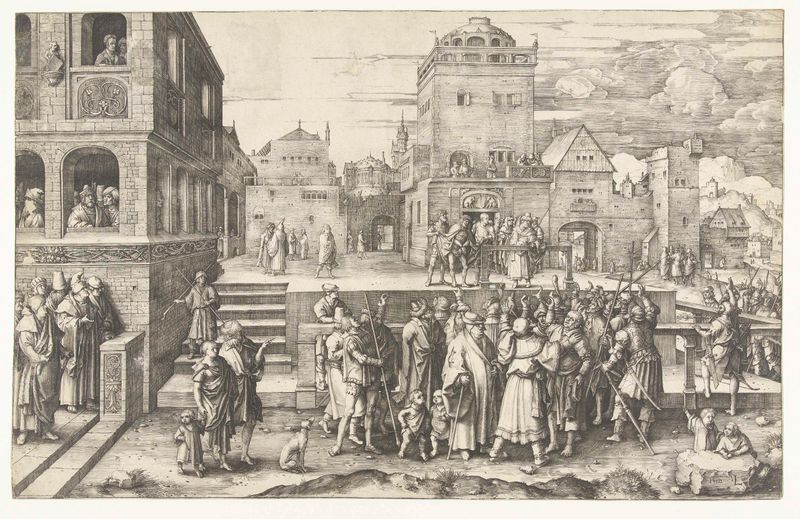
De grote Ecce Homo
Lucas van Leyden
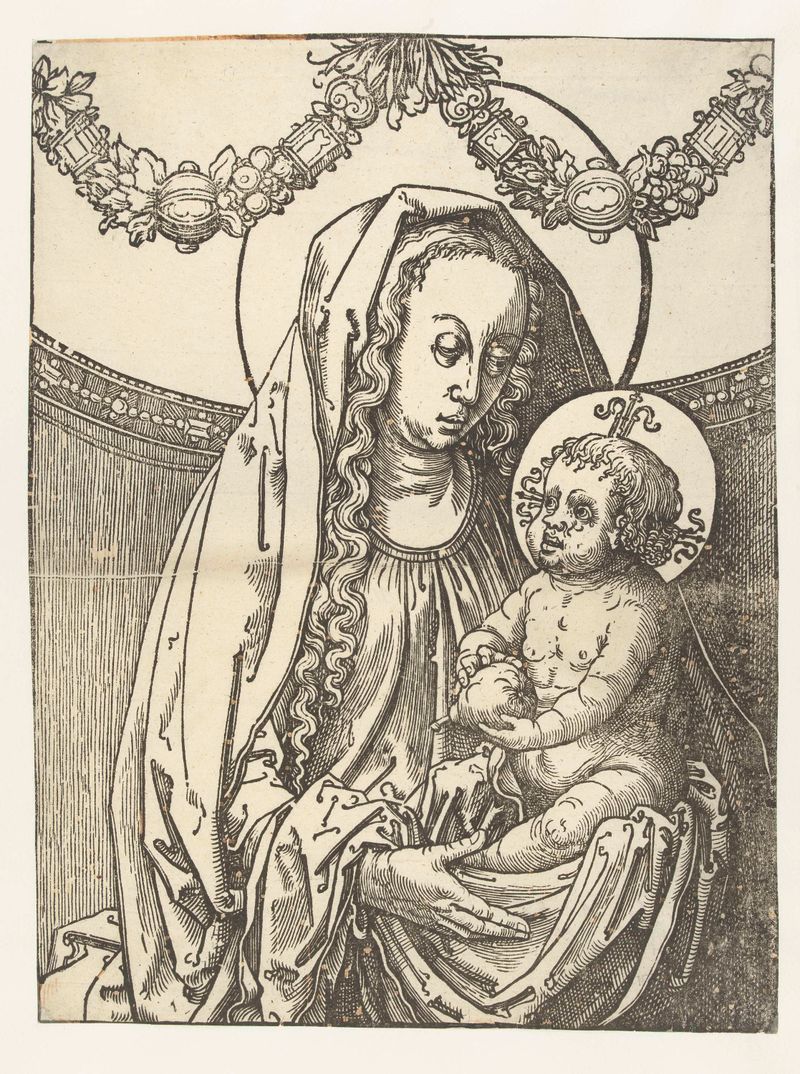
Maria met kind
Lucas van Leyden

Doornenkroning
Lucas van Leyden
More Historical Art
Browse all →
The Night Watch Militia Company of District II under the Command of Captain Frans Banninck Cocq
Rembrandt van Rijn

Lincoln Memorial
Henry Bacon

The Third of May 1808
Francisco de Goya

Isaac and Rebecca, Known as ‘The Jewish Bride’
Rembrandt van Rijn

The Charge of the Mamelukes (1814)
Francisco de Goya

De vier ruiters van de apocalyps
Albrecht Dürer