
Jeroboam Sacrificing to Idols — History & Facts
In 1752, a young Jean-Honoré Fragonard—later famed for his playful Rococo scenes—won the prestigious Prix de Rome with Jeroboam Sacrificing to Idols. This early triumph marked his entry into the French Academy and secured his place among the most promising painters of his generation. The subject was a set piece for ambitious artists, demanding both dramatic composition and moral clarity, and Fragonard’s interpretation impressed the jury with its energy and theatricality.
The painting stands as a rare glimpse into Fragonard’s formative years, before he turned to the lighter, amorous themes that would define his mature style. The canvas captures the biblical king Jeroboam at the very moment he leads his people astray, erecting golden calves for worship in defiance of Jerusalem’s temple. Fragonard sets the scene in a tumult of figures: priests in elaborate robes, incense curling through the air, and the king himself caught between regal authority and anxious hesitation. The golden idols gleam atop a makeshift altar, their shine a visual lure and a warning.
Light streams down, illuminating Jeroboam’s outstretched hand as he gestures toward the forbidden sacrifice—a gesture echoing the grand manner of Nicolas Poussin, but with a restless energy unique to Fragonard. Every detail, from the anxious onlookers to the scattered ritual vessels, underscores the tension between faith and hubris. The original medium of Jeroboam Sacrificing to Idols is not definitively recorded, though it was likely oil on canvas, the standard for academic competitions of the time. After its success at the Prix de Rome, the painting’s whereabouts became uncertain; it may have remained in the Academy or entered a private collection, as was common for student works.
Today, it survives as a testament to Fragonard’s academic rigor and ambition before his Roman sojourn transformed his style. While the painting is less known than his later Rococo masterpieces, it offers a vital link to the artist’s early ambitions and the competitive world of mid-18th-century French art.
More Artworks by Jean-Honoré Fragonard
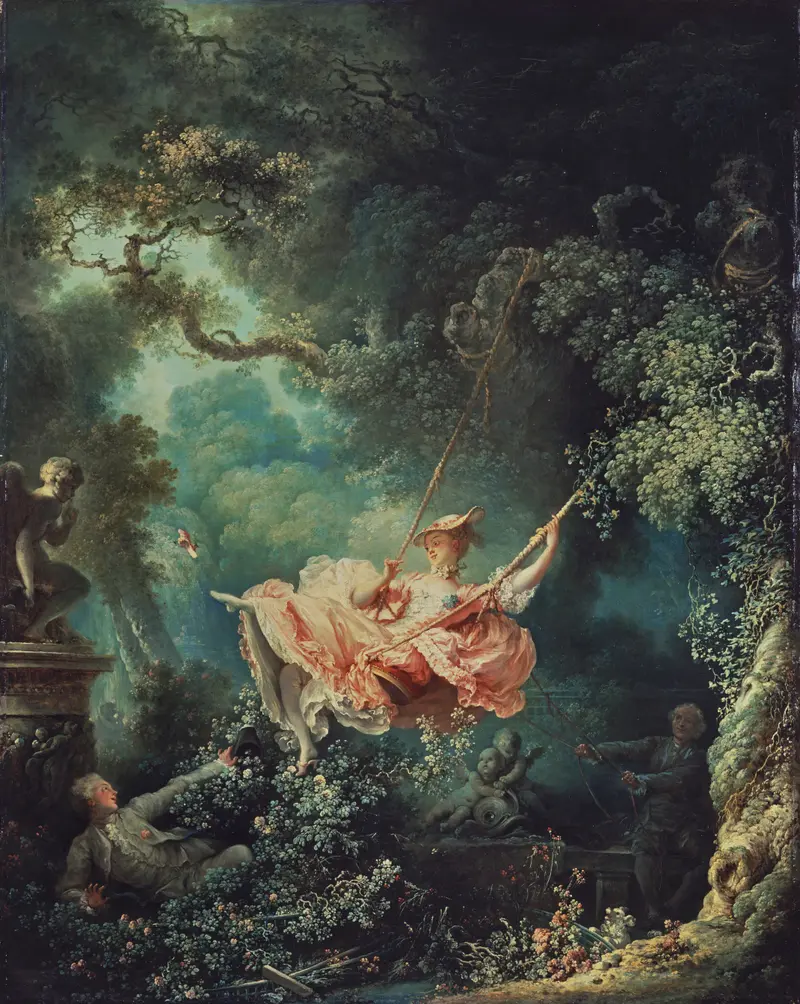
The Swing
Jean-Honoré Fragonard

The Swing
Jean-Honoré Fragonard
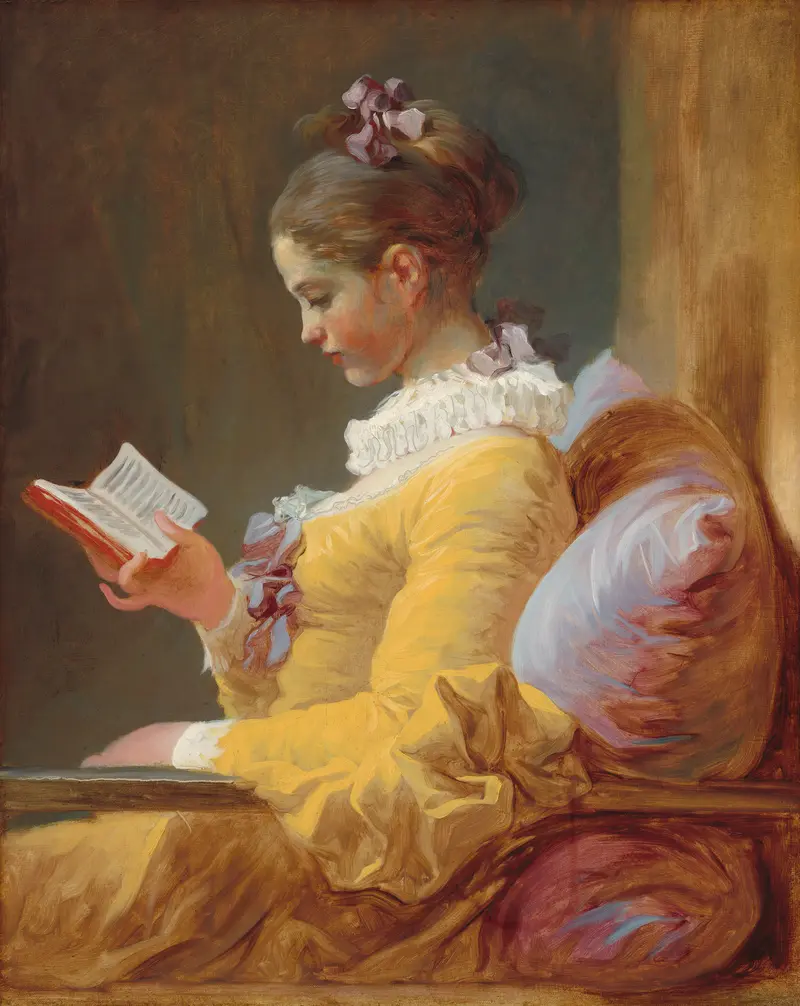
A Young Girl Reading
Jean-Honoré Fragonard
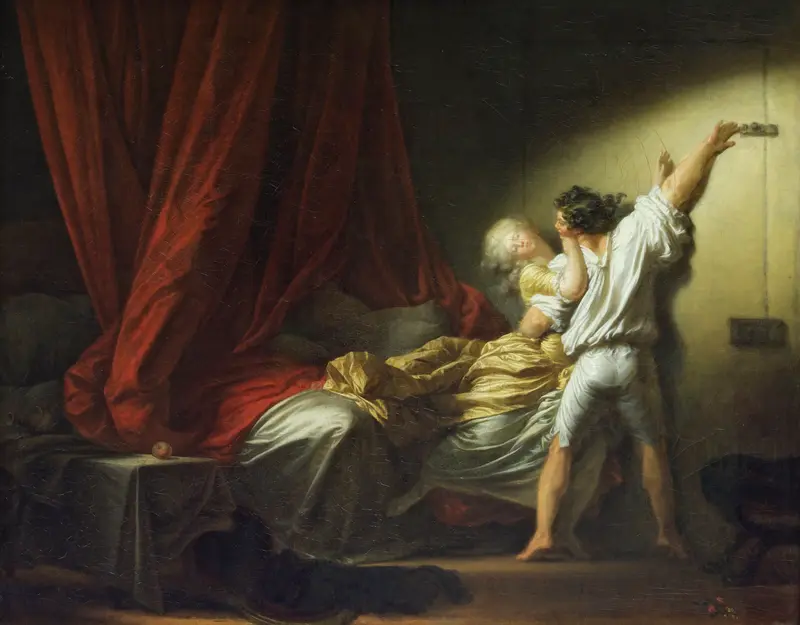
The Lock
Jean-Honoré Fragonard
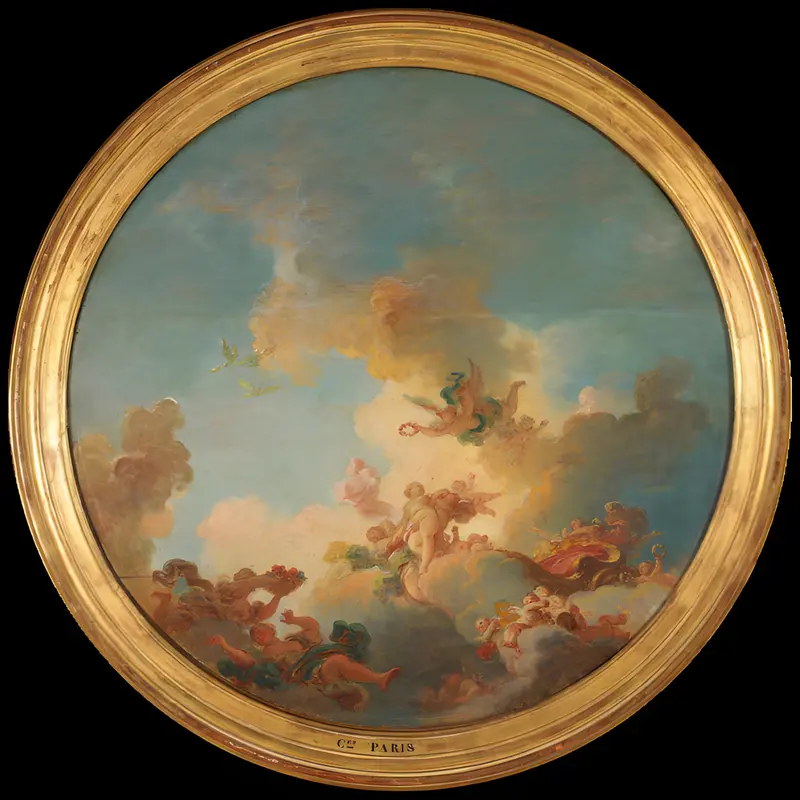
The Triumph of Venus
Jean-Honoré Fragonard
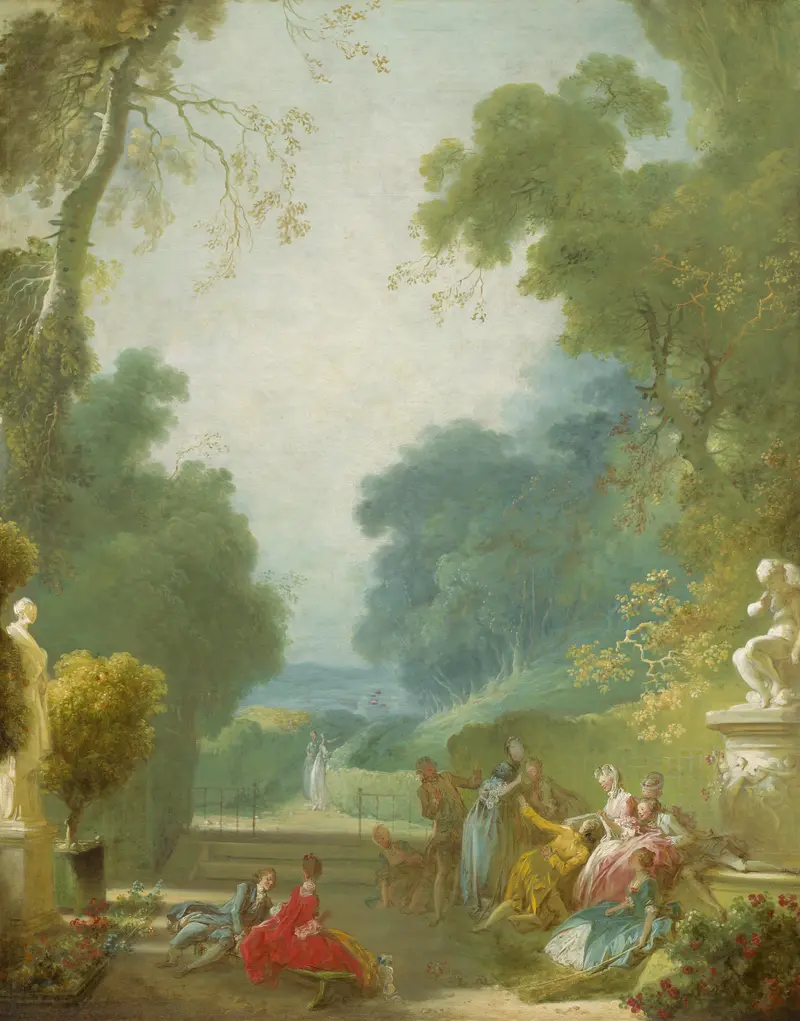
A Game of Hot Cockles
Jean-Honoré Fragonard
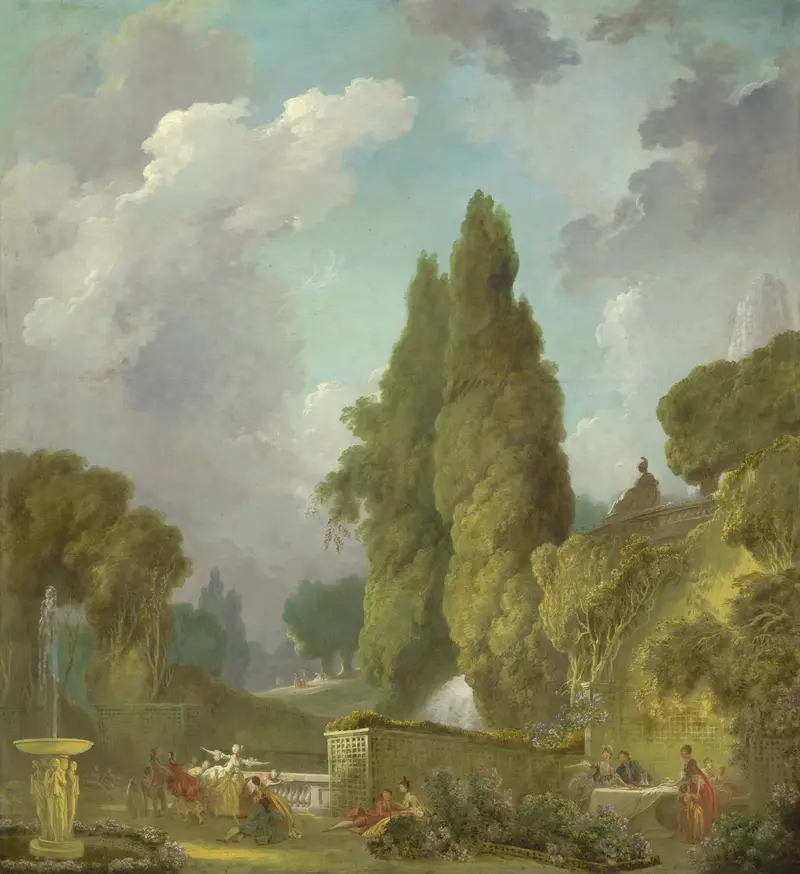
Blindman’s Buff
Jean-Honoré Fragonard
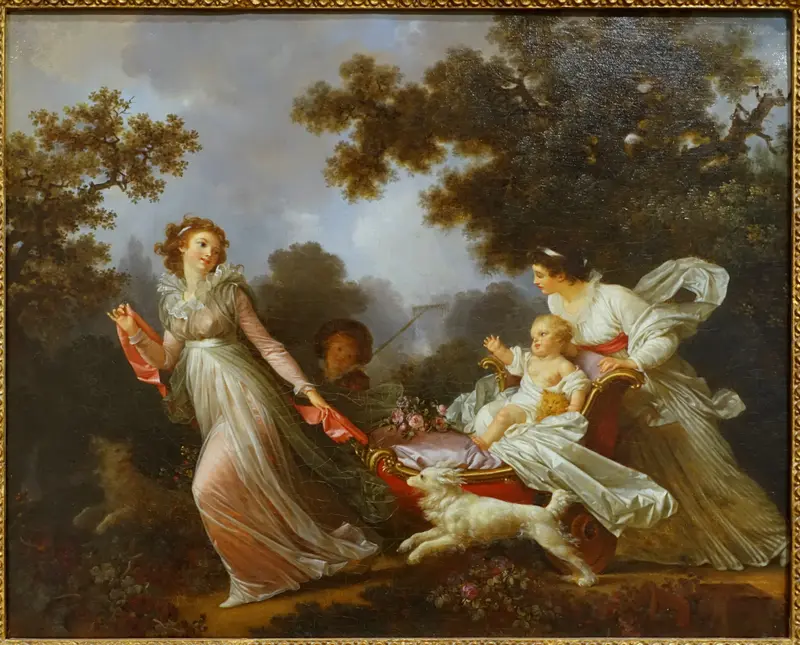
The Beloved Child
Jean-Honoré Fragonard
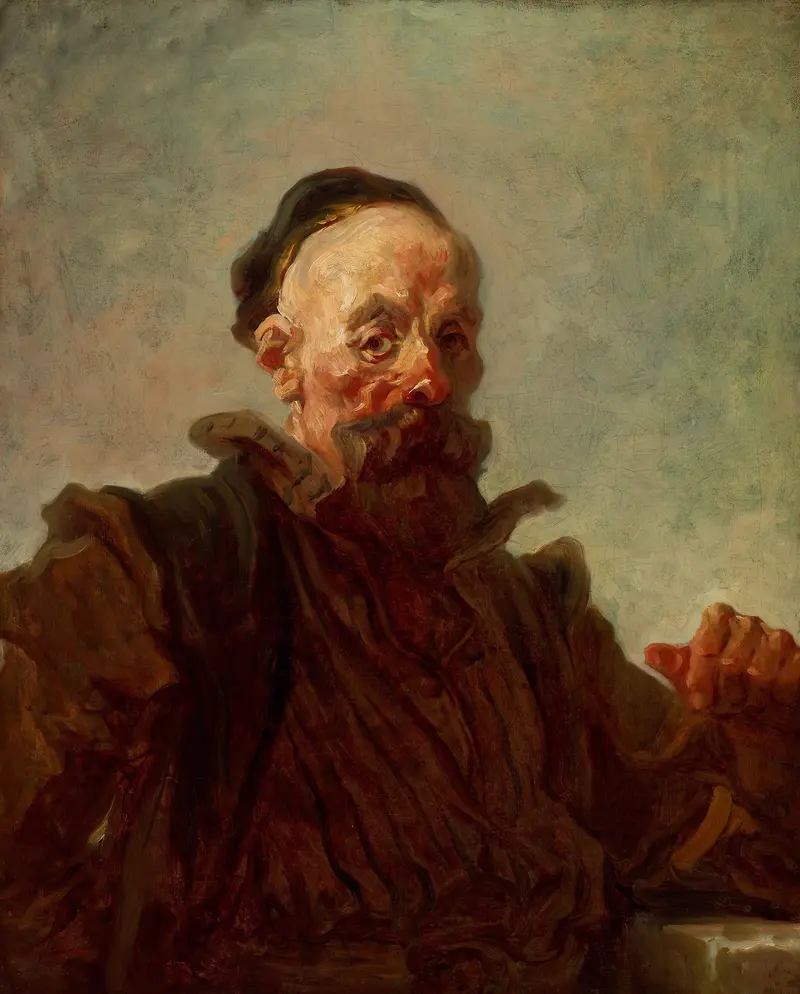
Portrait of a Man in Costume
Jean-Honoré Fragonard
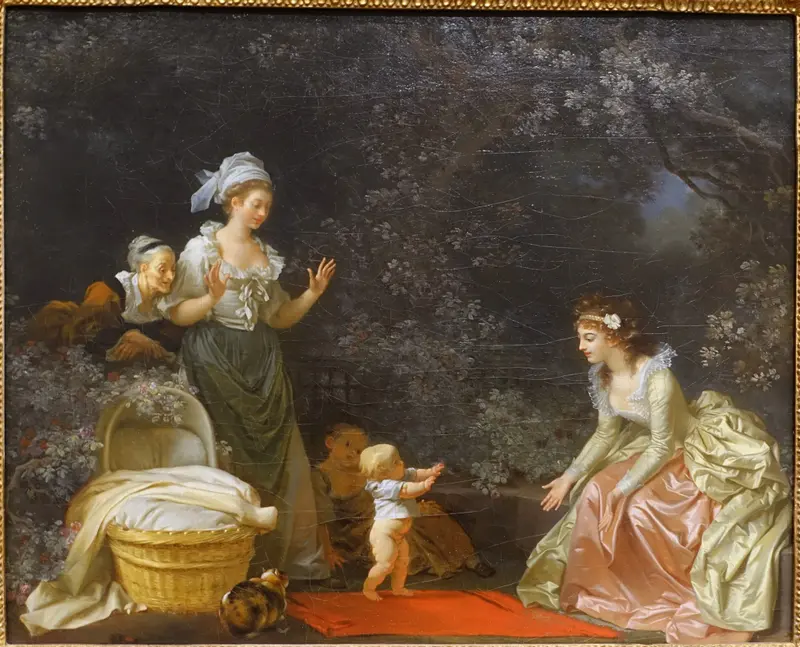
The First Steps
Jean-Honoré Fragonard





