
Jeune paysanne — History & Facts
When Jeune paysanne emerged in the mid-17th century, it stood apart from the grand portraits and courtly scenes that defined Diego Velázquez’s years in Rome. Unlike his regal commissions, this small, intimate work has sparked debate among scholars: was it painted as a study for a larger composition, or as a finished portrait of an anonymous Roman girl? The uncertainty is heightened by the lack of documentation—no record of commission, no mention in the artist’s correspondence—leaving the sitter’s identity and the painting’s original purpose a mystery that continues to intrigue. The painting captures a young peasant woman at a moment of quiet reflection, her gaze turned away from the viewer, lips slightly parted as if caught mid-thought. Her headscarf and simple dress mark her as a figure from everyday life, not nobility, and the soft, natural light falling across her face highlights the delicate modeling of her features.
The loose brushwork, especially in the hands and fabric, suggests immediacy and presence, drawing the viewer into an almost private encounter. Unlike the idealized peasant girls of Murillo, Velázquez’s subject is rendered with a frank realism—neither sentimentalized nor caricatured, but observed with empathy and restraint. The journey of Jeune paysanne through history is less documented than many of Velázquez’s Spanish works. Its medium is still debated among experts, with some suspecting it may be oil on canvas, while others suggest a different support.
The painting’s understated subject and style have led to questions about its attribution over the centuries, though consensus now firmly places it within Velázquez’s Roman period of 1649–1651. Today, it stands as a testament to the artist’s fascination with ordinary life, a rare and quietly powerful example of his ability to find dignity and depth outside the world of kings and courtiers.
More Artworks by Diego Velázquez

Las Meninas
Diego Velázquez
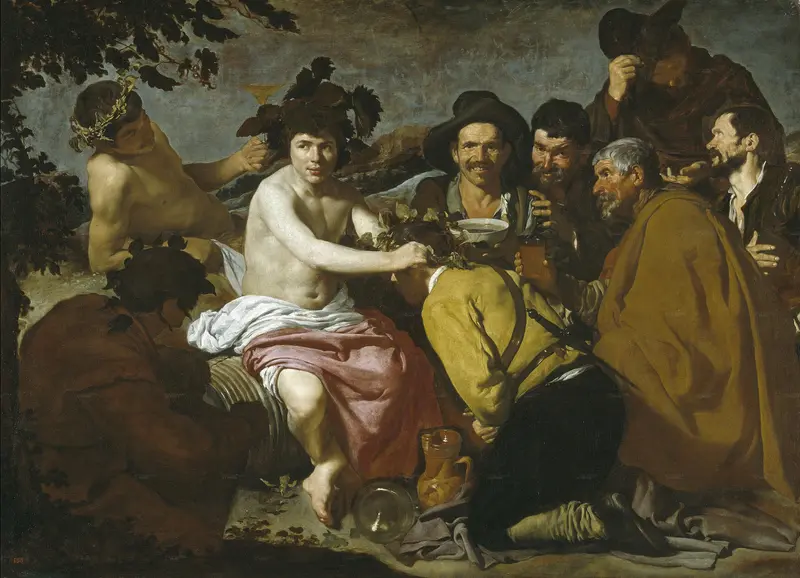
The Triumph of Bacchus
Diego Velázquez
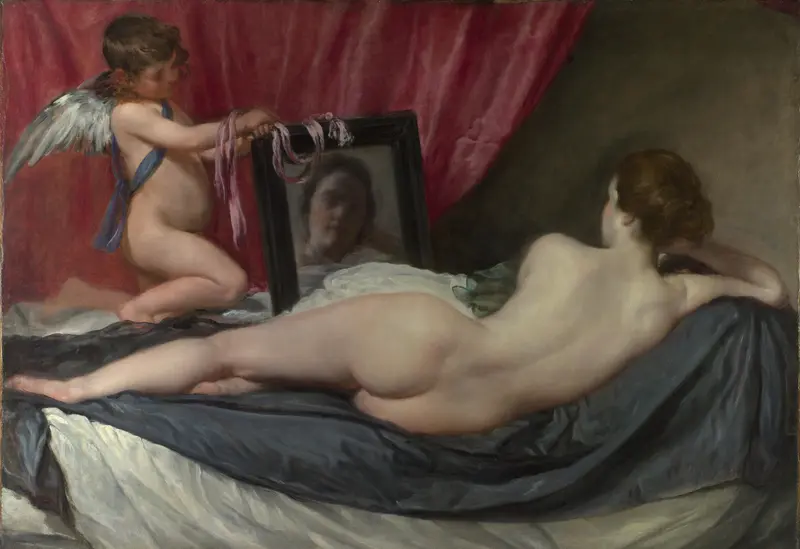
Rokeby Venus
Diego Velázquez
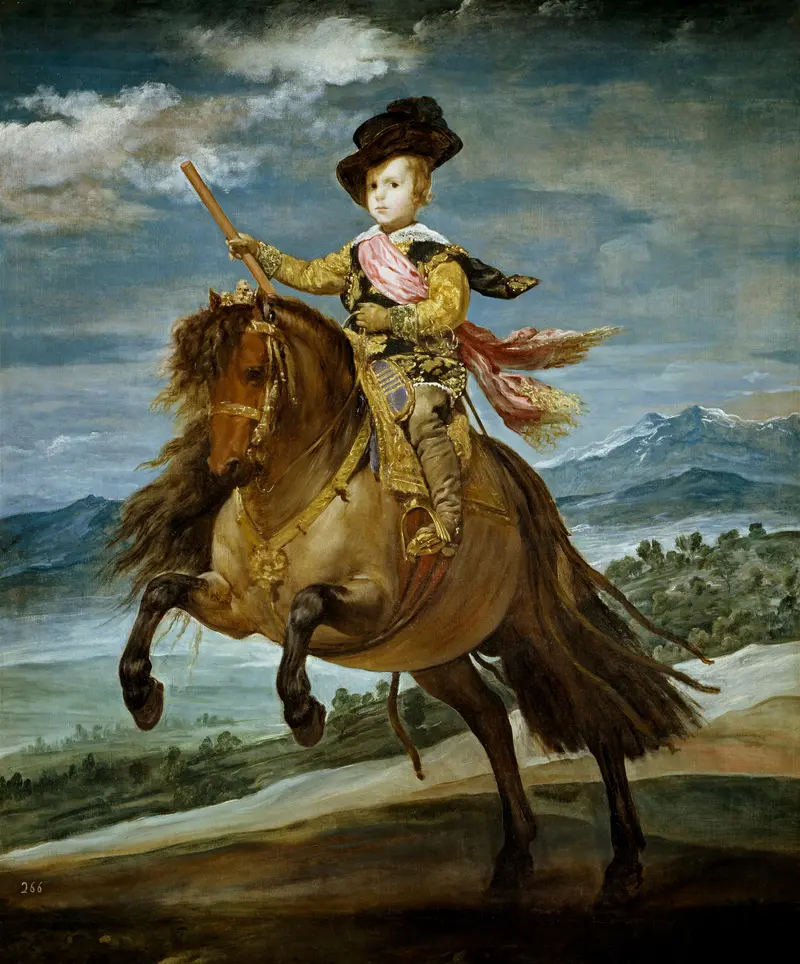
Equestrian Portrait of Prince Balthasar Charles
Diego Velázquez
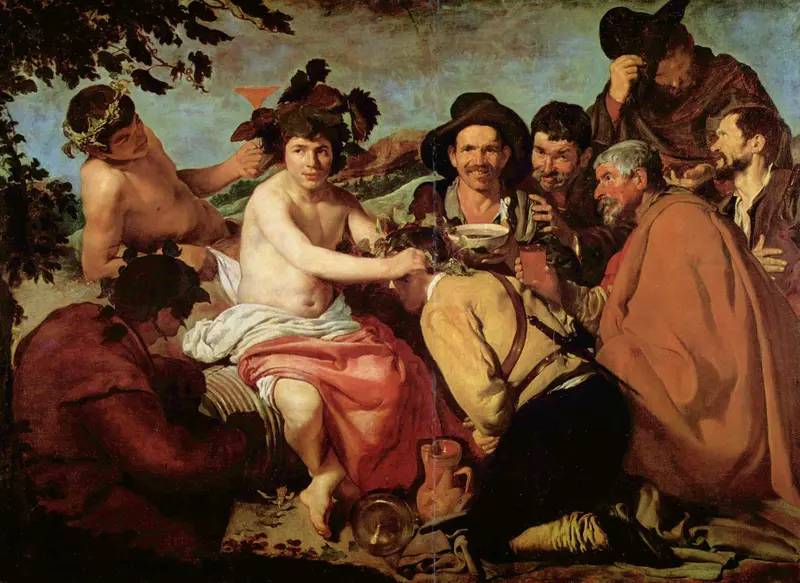
Bacchus
Diego Velázquez
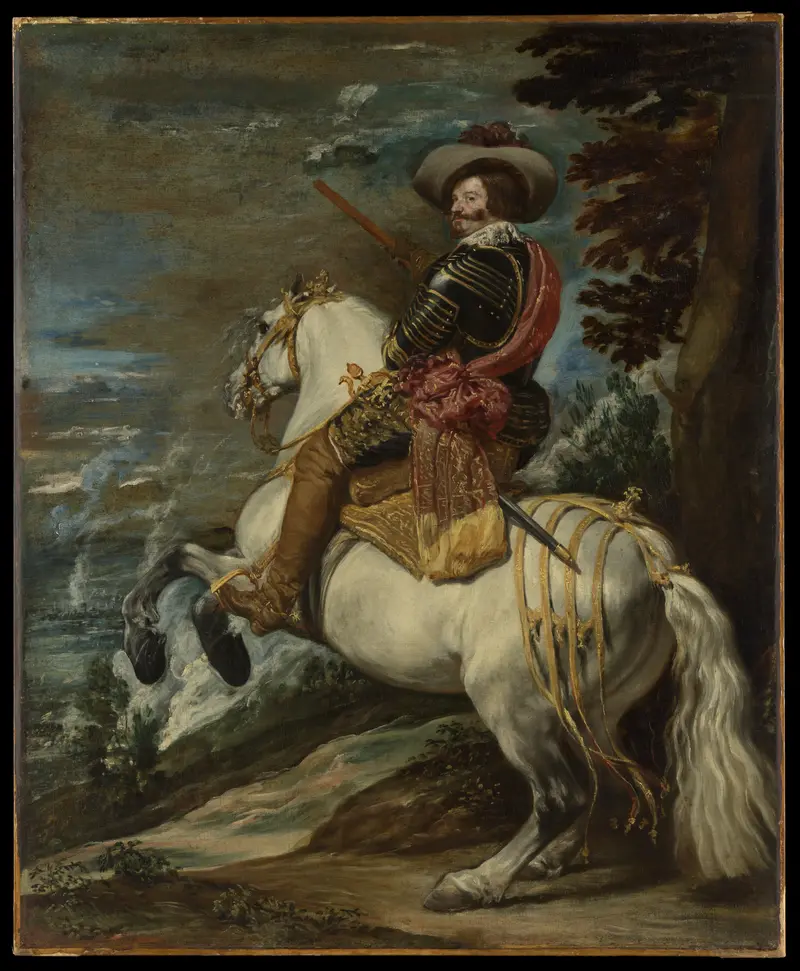
Don Gaspar de Guzmán (1587–1645), Count-Duke of Olivares
Diego Velázquez
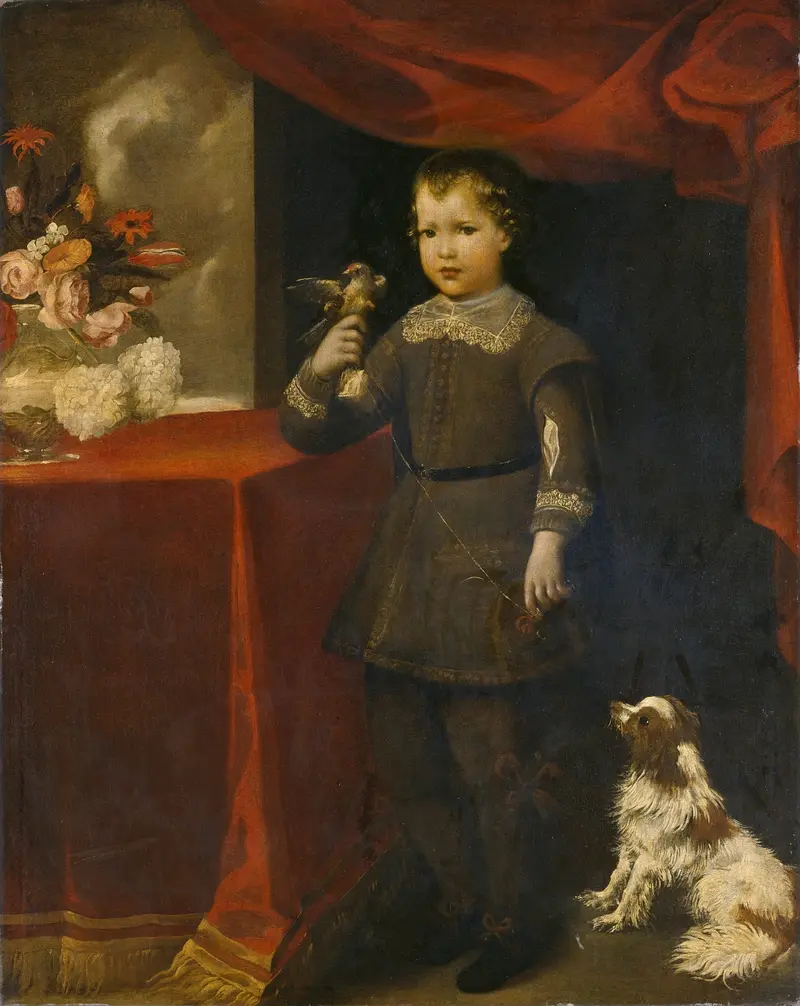
El príncipe Baltasar Carlos de Austria
Diego Velázquez
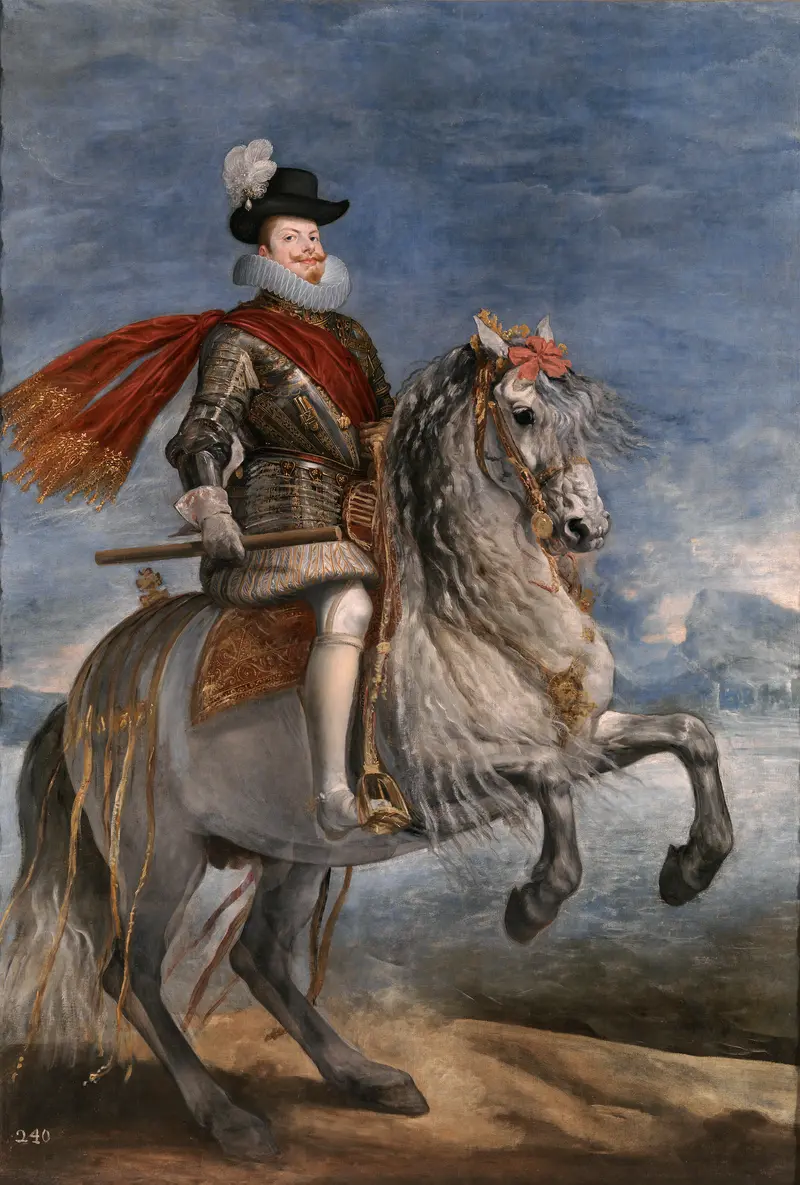
Equestrian Portrait of Philip III
Diego Velázquez
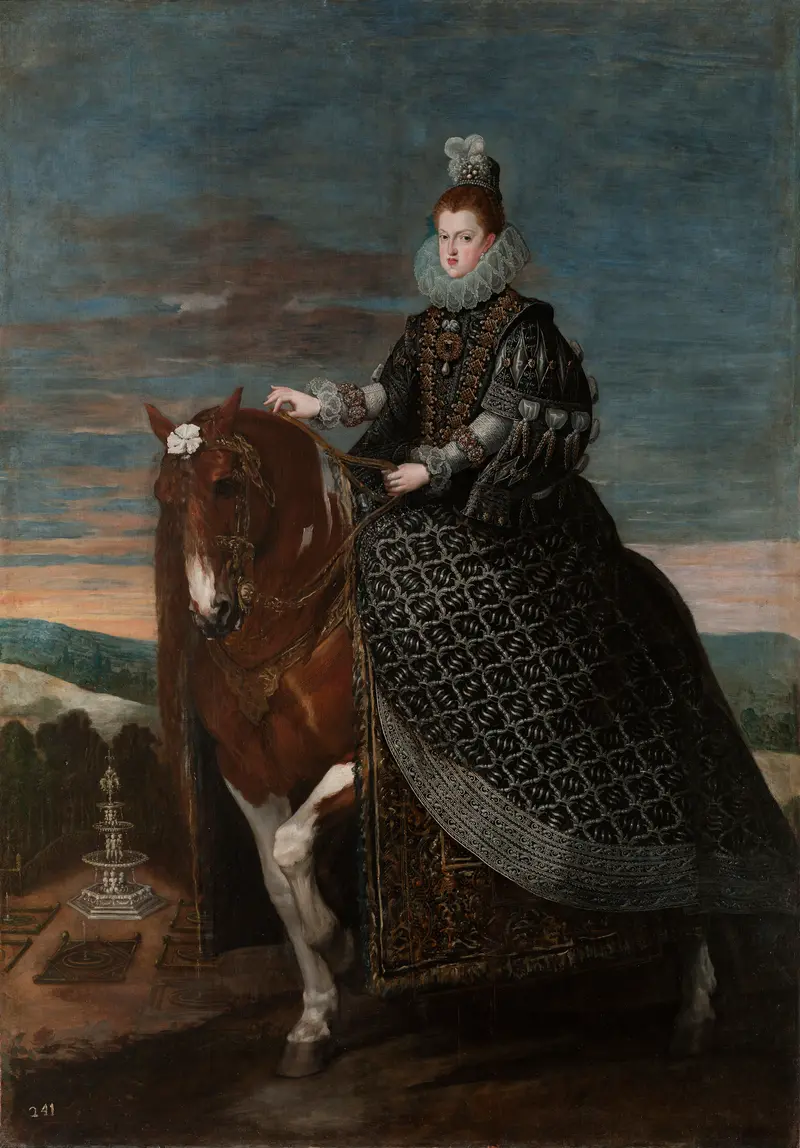
Equestrian Portrait of Margarita of Austria
Diego Velázquez
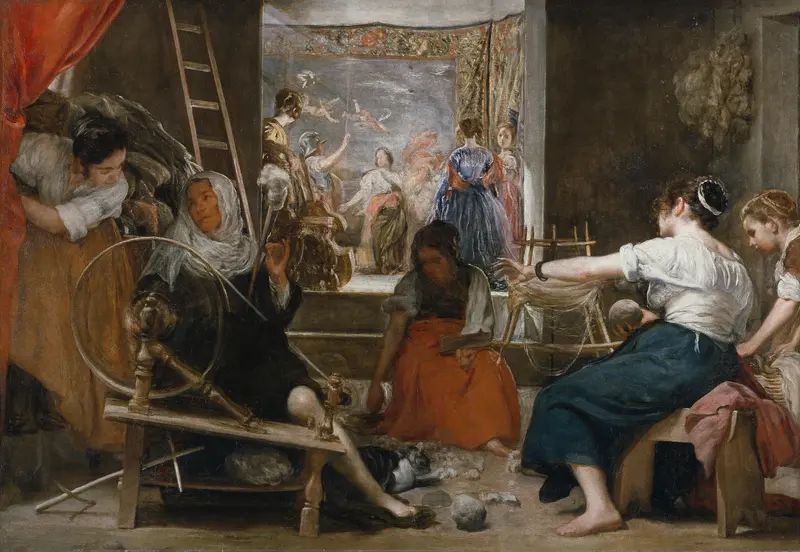
Las Hilanderas
Diego Velázquez




