
Jewess — History & Facts
When Amedeo Modigliani first exhibited Jewess in Paris in 1908, critics were unsettled by its raw, unvarnished portrayal. This was the first painting he signed with his own name, marking a decisive break from his academic training in Italy and signaling his embrace of the Parisian avant-garde. The sitter’s identity remains unknown, but the work’s title and style sparked debate about Modigliani’s own Jewish heritage and the role it played in his art.
Some contemporaries accused him of “barbaric” distortion, while others saw in the painting a modern icon. The woman in Jewess sits upright, her face elongated, with almond-shaped eyes that seem both distant and searching. Modigliani’s brush flattens the features, emphasizing the sitter’s angular nose and pursed lips, while the background dissolves into muted, earthy tones. The thick outlines and mask-like face recall African sculpture, which Modigliani admired, but also echo the psychological intensity found in Paul Cézanne’s portraits.
Unlike traditional portraits that flatter, this work confronts the viewer with the sitter’s solemn dignity, her gaze both vulnerable and defiant. The medium of Jewess is uncertain—some suggest oil on canvas, others believe it may be tempera—but its early date places it at the threshold of Modigliani’s mature style. The painting’s provenance is not fully documented; it passed through several private collections before entering the public eye. Today, it is recognized as a turning point in Modigliani’s career, foreshadowing the iconic portraits and nudes that would follow.
Its boldness and ambiguity continue to invite both admiration and debate, making it a key work for understanding the artist’s evolution.
More Artworks by Amedeo Modigliani
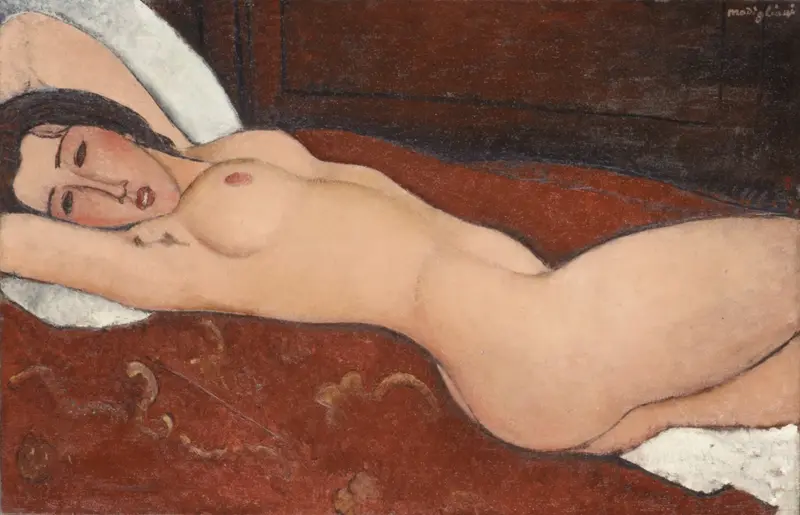
Reclining Nude
Amedeo Modigliani

Portrait Of Jeanne Hébuterne
Amedeo Modigliani

Jeanne Hébuterne
Amedeo Modigliani
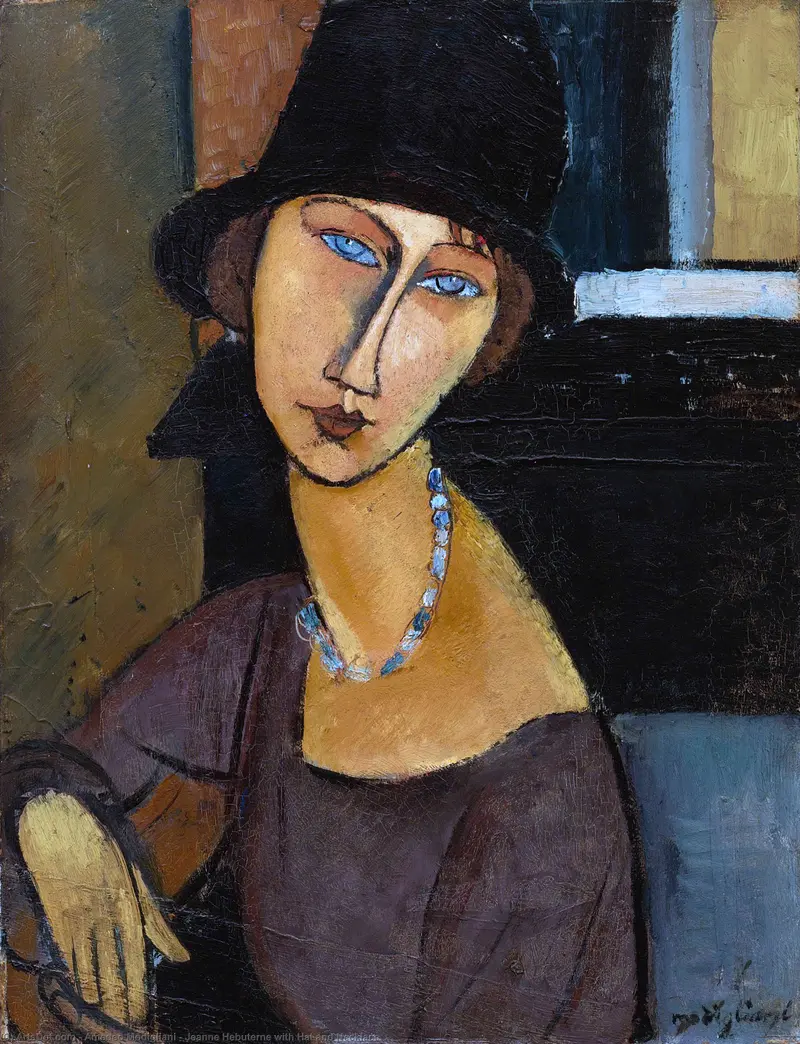
Jeanne Hébuterne with Hat and Necklace
Amedeo Modigliani
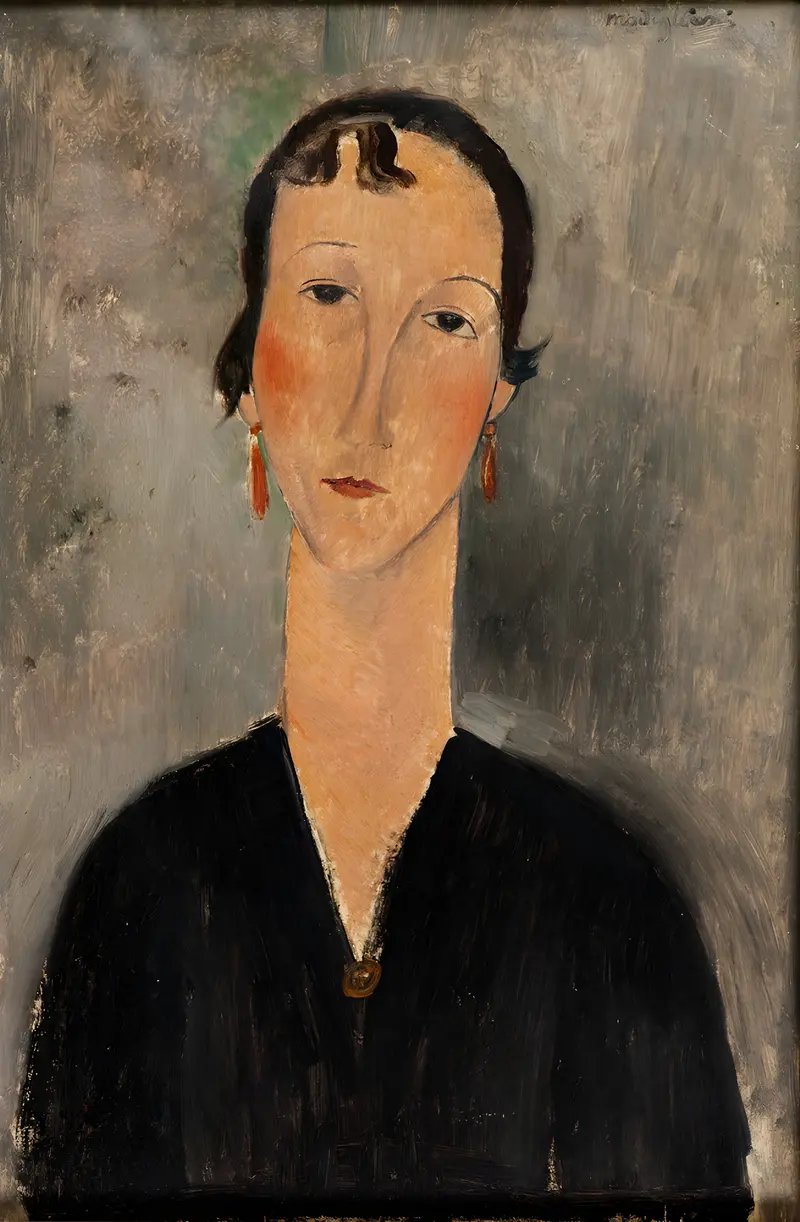
Femme aux boucles d'oreilles
Amedeo Modigliani
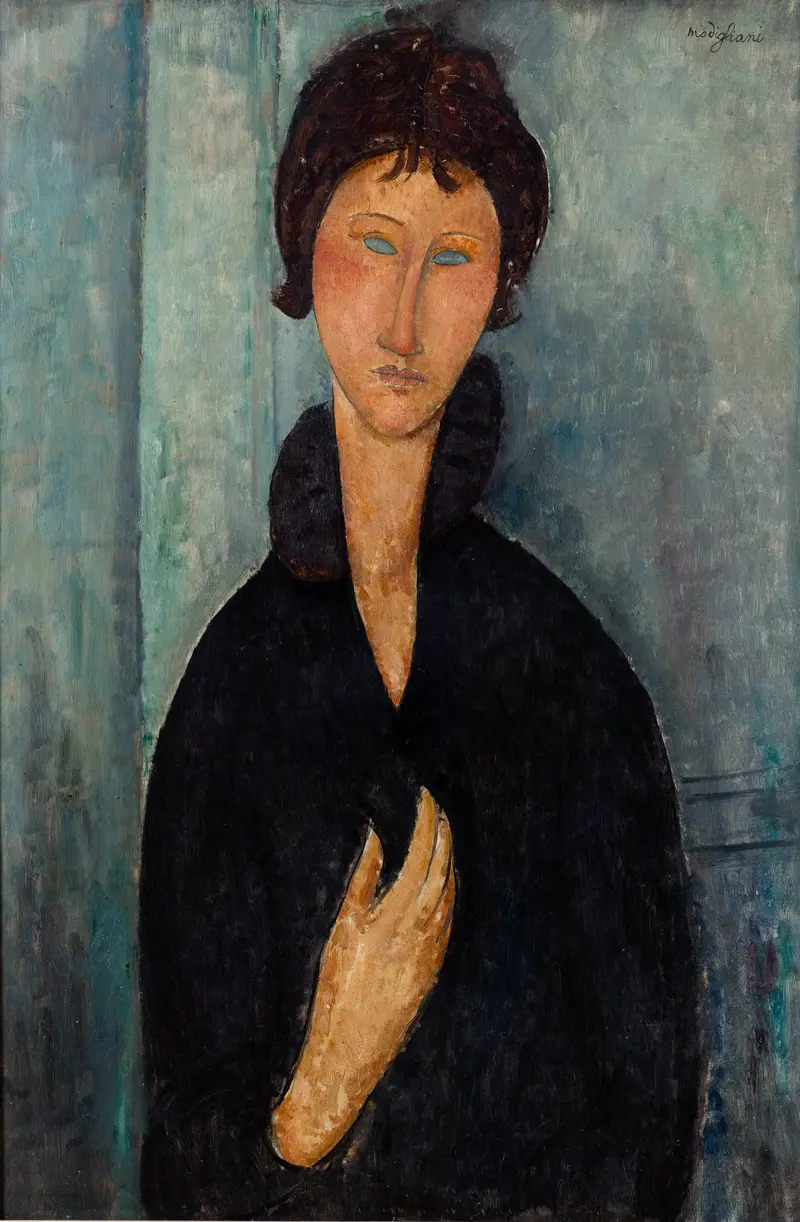
Femme aux yeux bleus
Amedeo Modigliani
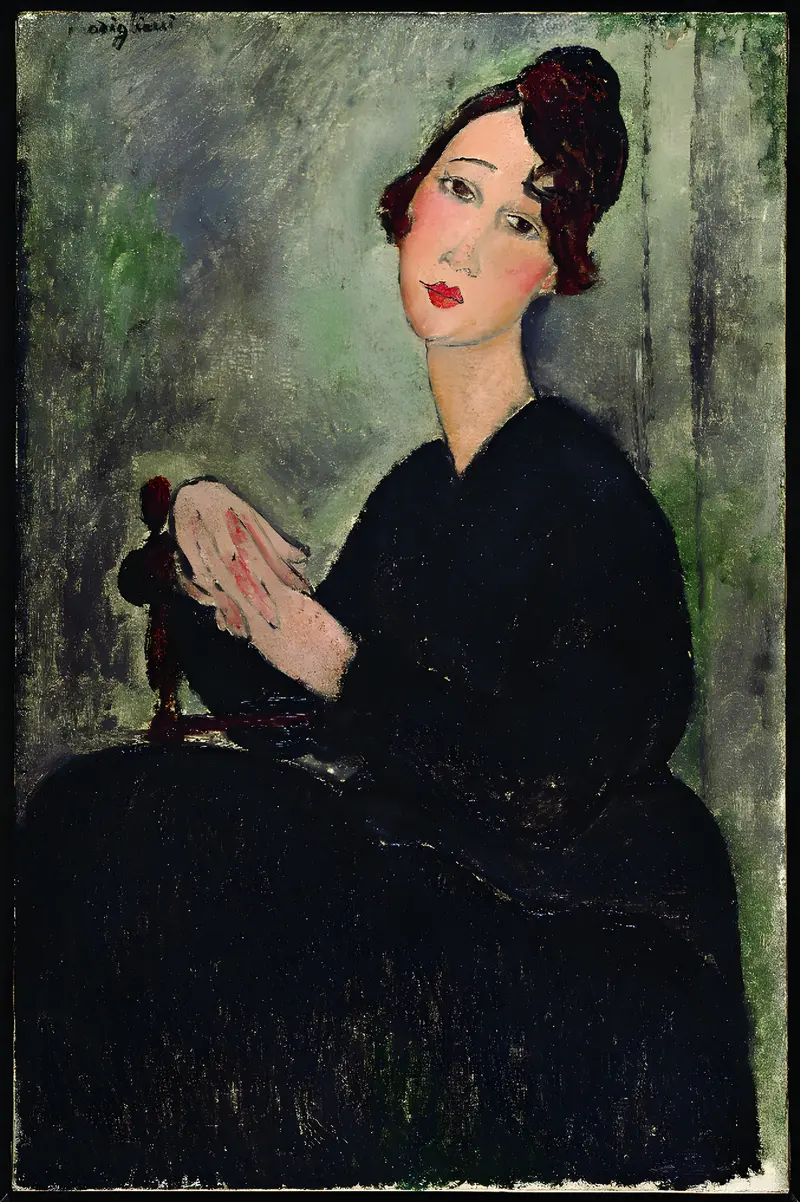
Portrait of Dedie
Amedeo Modigliani
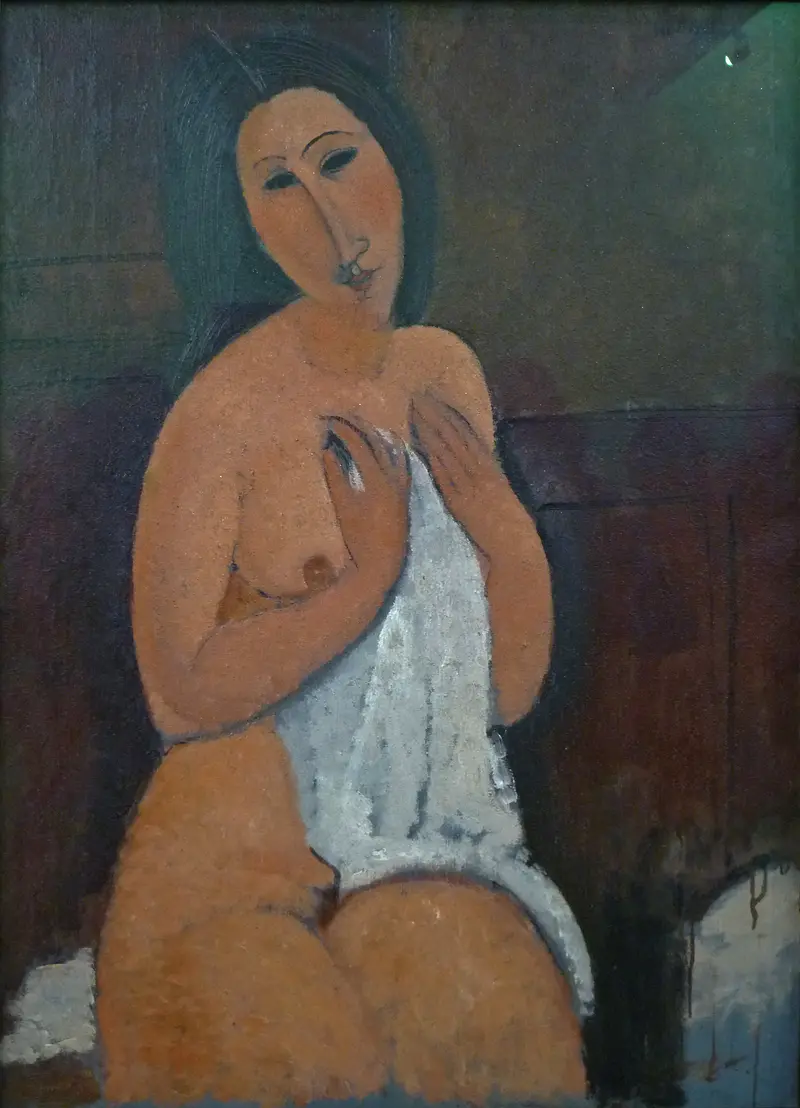
Seated nude with shirt
Amedeo Modigliani
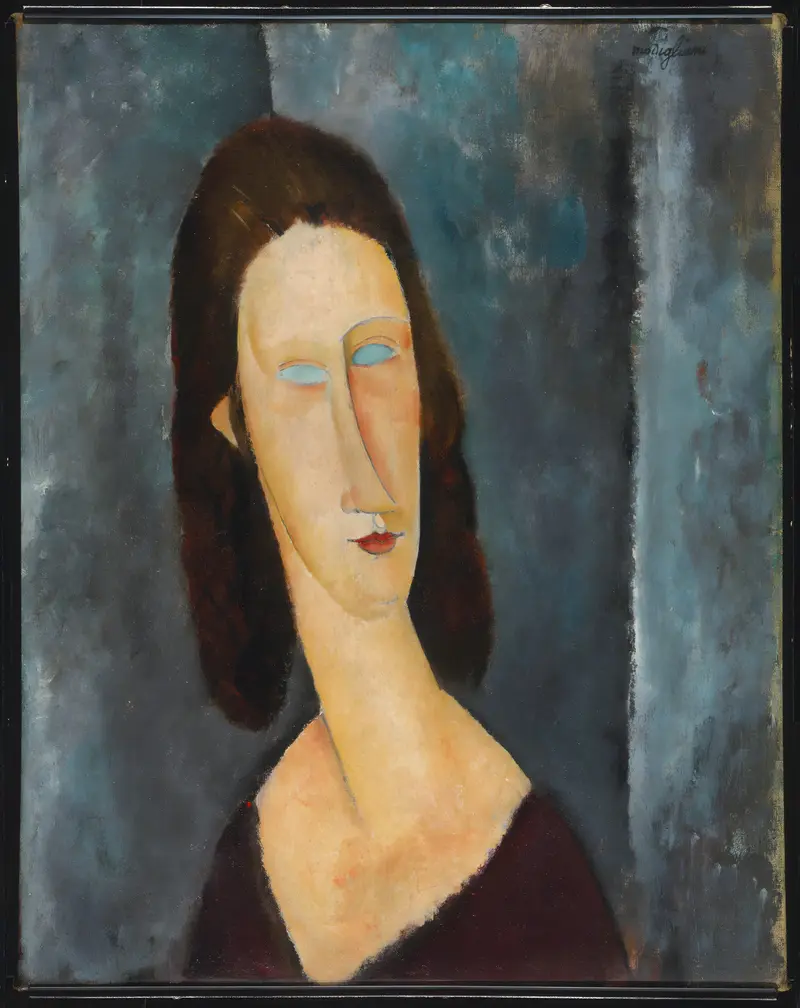
Blue Eyes (Portrait of Madame Jeanne Hébuterne)
Amedeo Modigliani
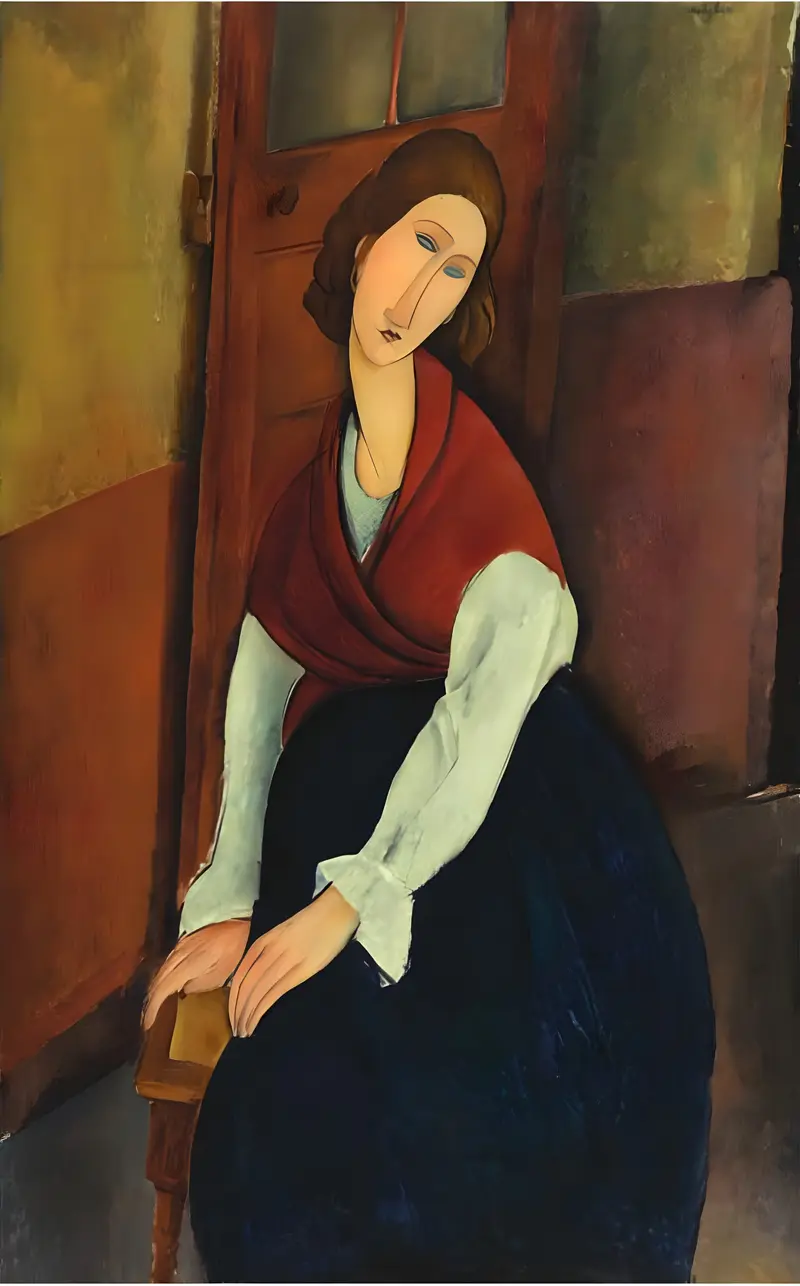
Jeanne Hebuterne in Red Shawl
Amedeo Modigliani





