
Jozef ontvlucht de vrouw van Potifar — History & Facts
In the echoes of a moment suspended, the weight of desire and betrayal lingers in the air. The tension hangs like the faintest whisper, poised between innocence and guilt, decay and renewal. Focus on the powerful figures frozen in their struggle: to the right, Joseph, his youthful countenance marred by the urgency of escape, casts a glance steeped in fear and resolve. Look closely at the rich, somber tones that envelop the background, contrasting with the vibrant fabric of Potiphar's wife, whose outstretched arm embodies both allure and desperation.
The deliberate brushwork reveals an intricate dance of emotion, where light streams in from above, illuminating the turmoil in their expressions, as though the very truth of their actions is captured in this fleeting moment. Delve deeper into the layers of meaning; decay is echoed in the tattered edges of the curtains, symbolizing the moral degradation entwined in this tale of unchecked lust and treachery. The expression on Joseph’s face speaks volumes of his inner turmoil, caught between societal expectations and personal integrity, while Potiphar’s wife embodies the relentless pull of temptation — a potent reminder of the fragility of virtue amidst desire. These contrasts pulse throughout the composition, highlighting the precarious nature of human relationships and the consequences of abandoned ethics. Lucas van Leyden created this work in 1512, a time when he resided in the vibrant artistic hub of Leiden, Netherlands.
As an emerging master of his era, he found inspiration in Biblical tales, weaving them into the fabric of Renaissance thought. This painting, rich in narrative and emotion, reflects not just a moment in the life of Joseph, but also a broader commentary on the human condition, echoing the complexities of love and betrayal amid the shifting currents of 16th-century art.
More Artworks by Lucas van Leyden
Browse all →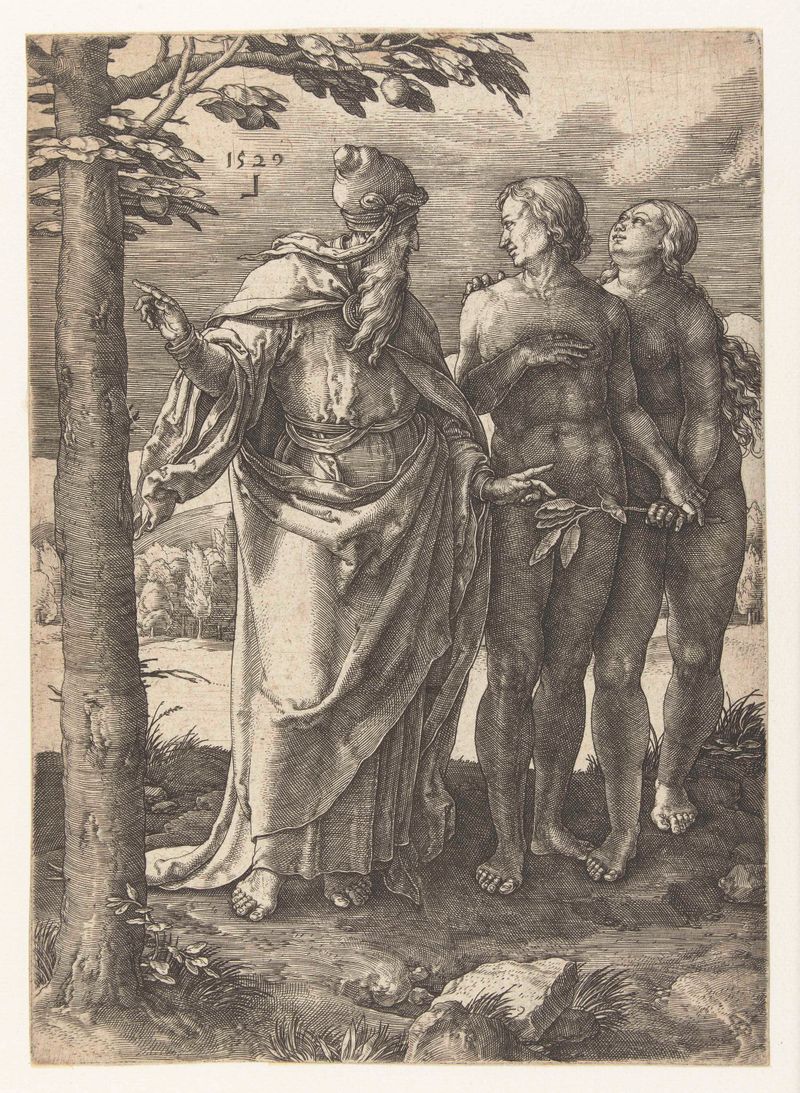
Het eerste verbod
Lucas van Leyden
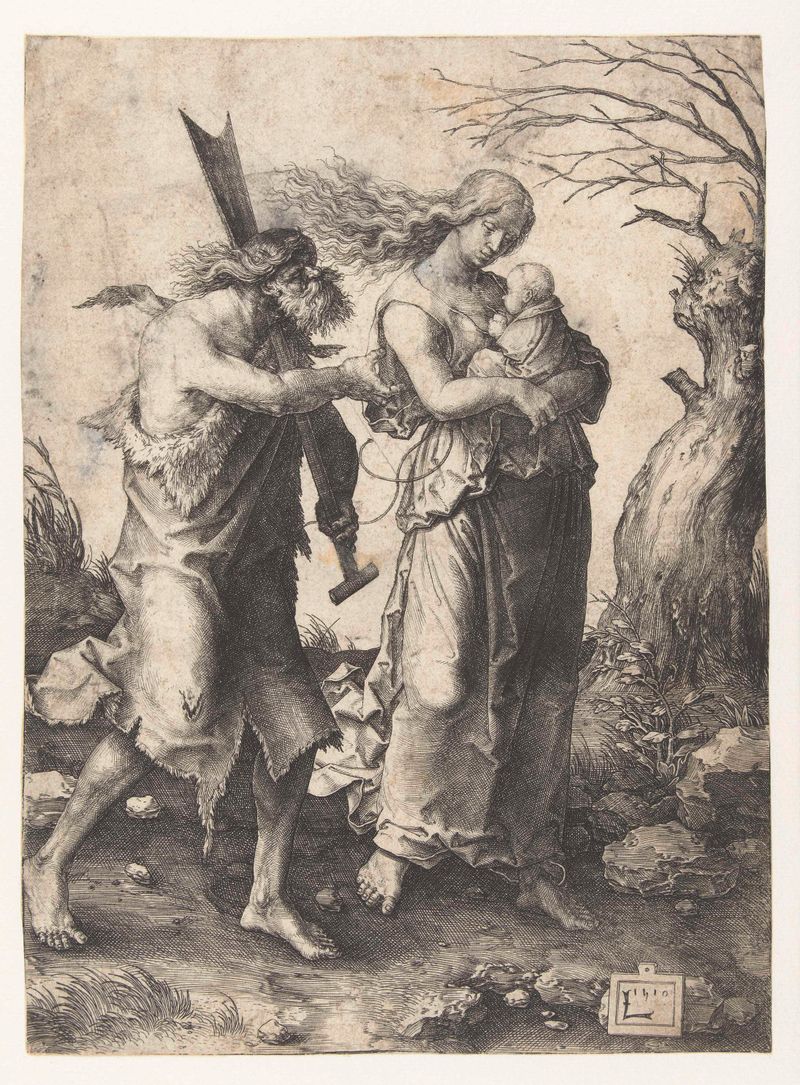
Adam en Eva na de verdrijving uit het paradijs
Lucas van Leyden
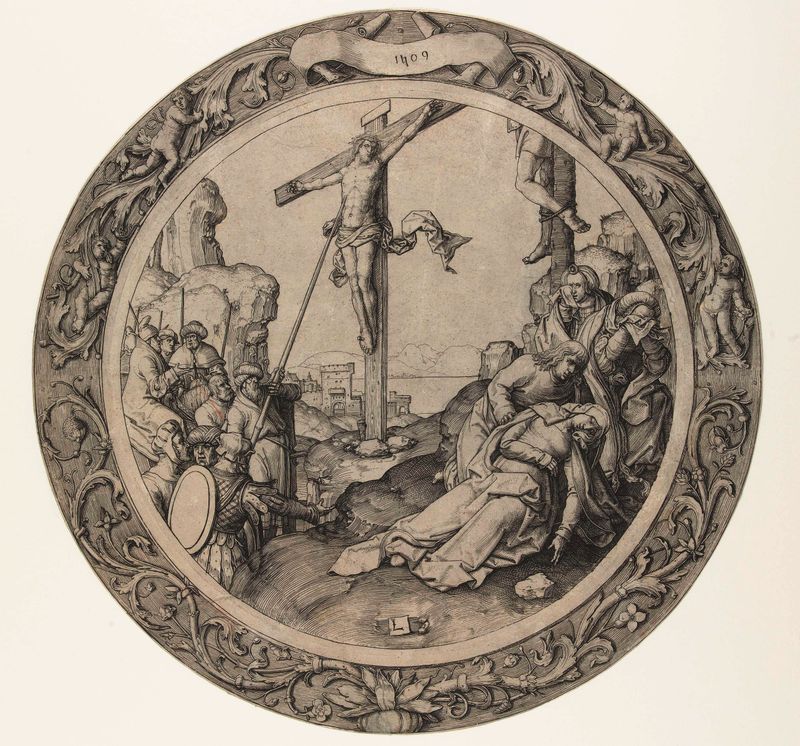
De kruisiging
Lucas van Leyden
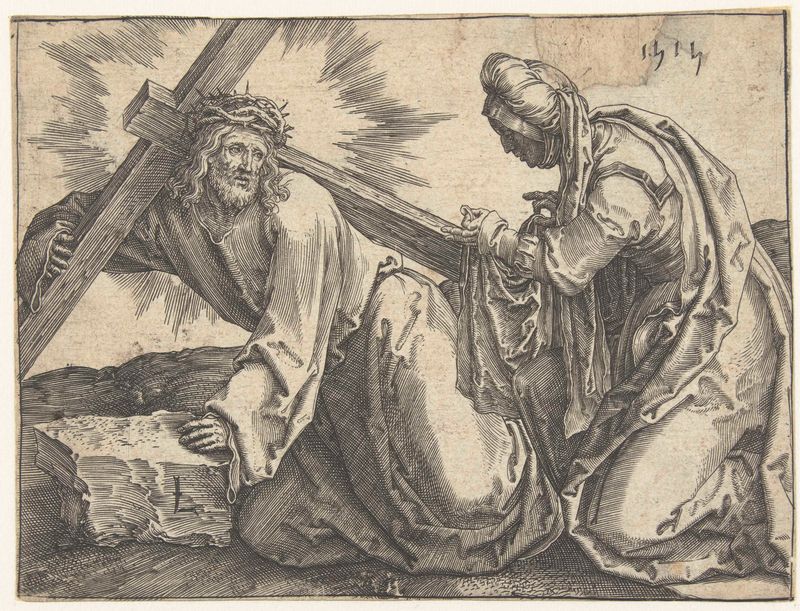
Kruisdraging
Lucas van Leyden
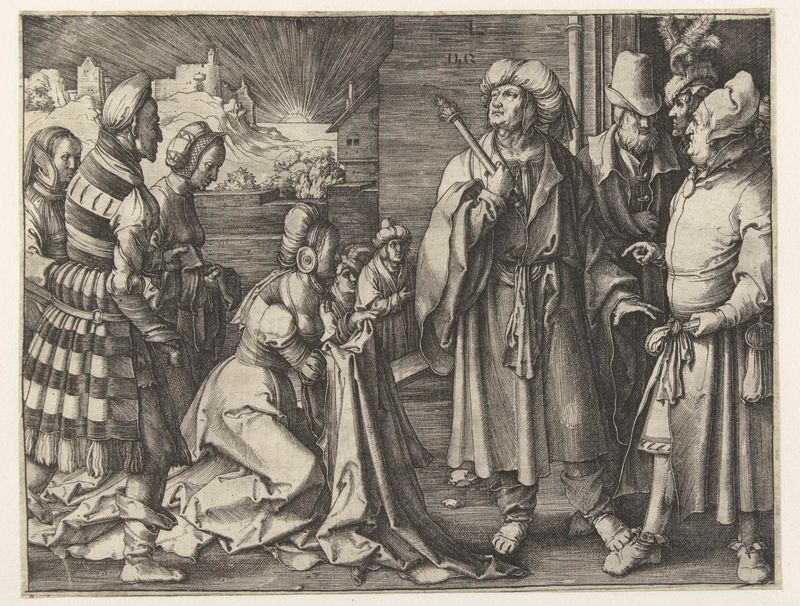
De vrouw van Potifar beschuldigt Jozef
Lucas van Leyden
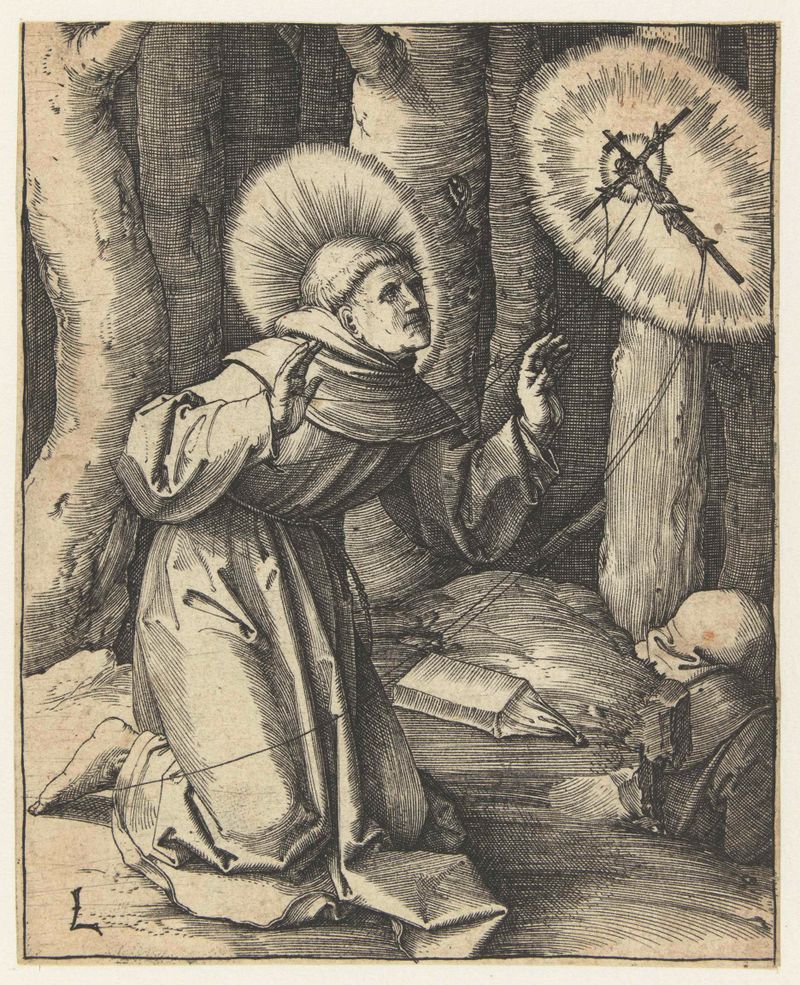
De stigmatisatie van de heilige Franciscus
Lucas van Leyden
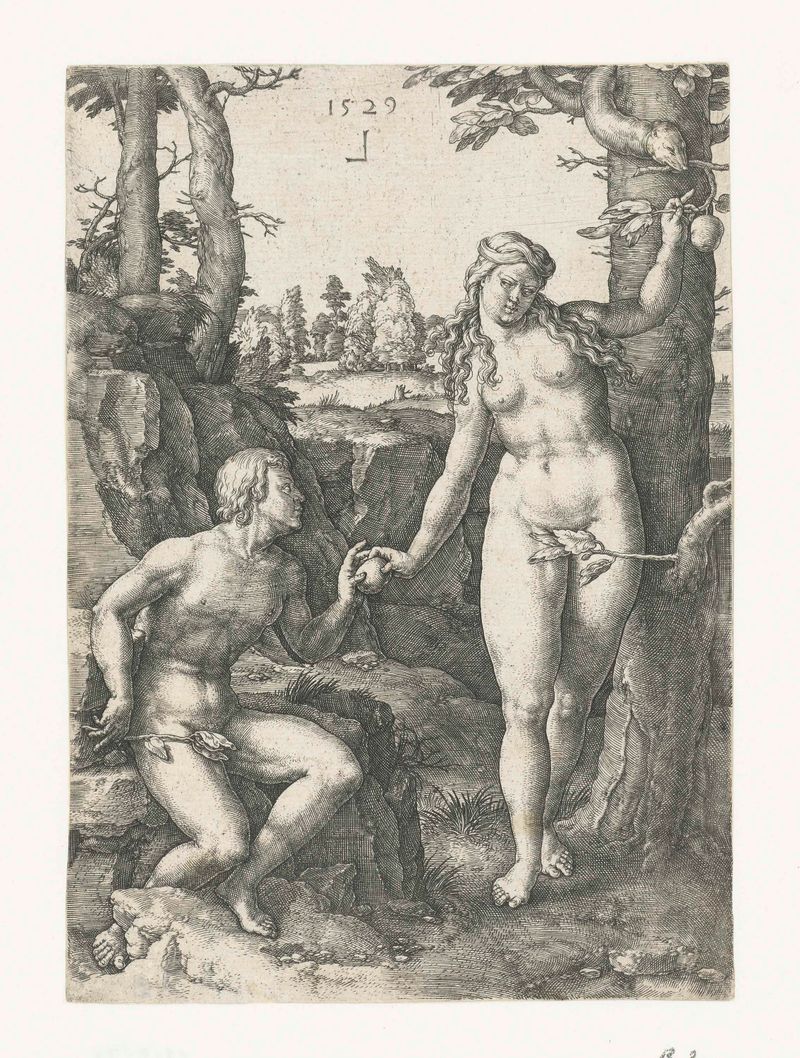
De zondeval
Lucas van Leyden
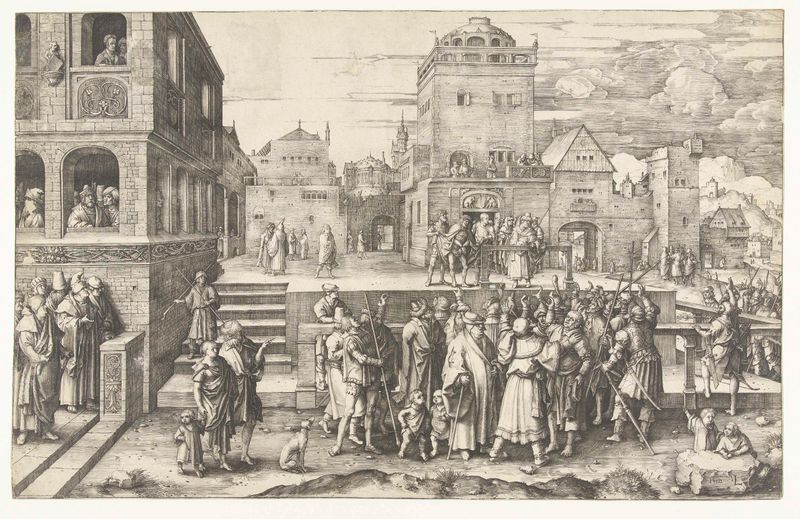
De grote Ecce Homo
Lucas van Leyden
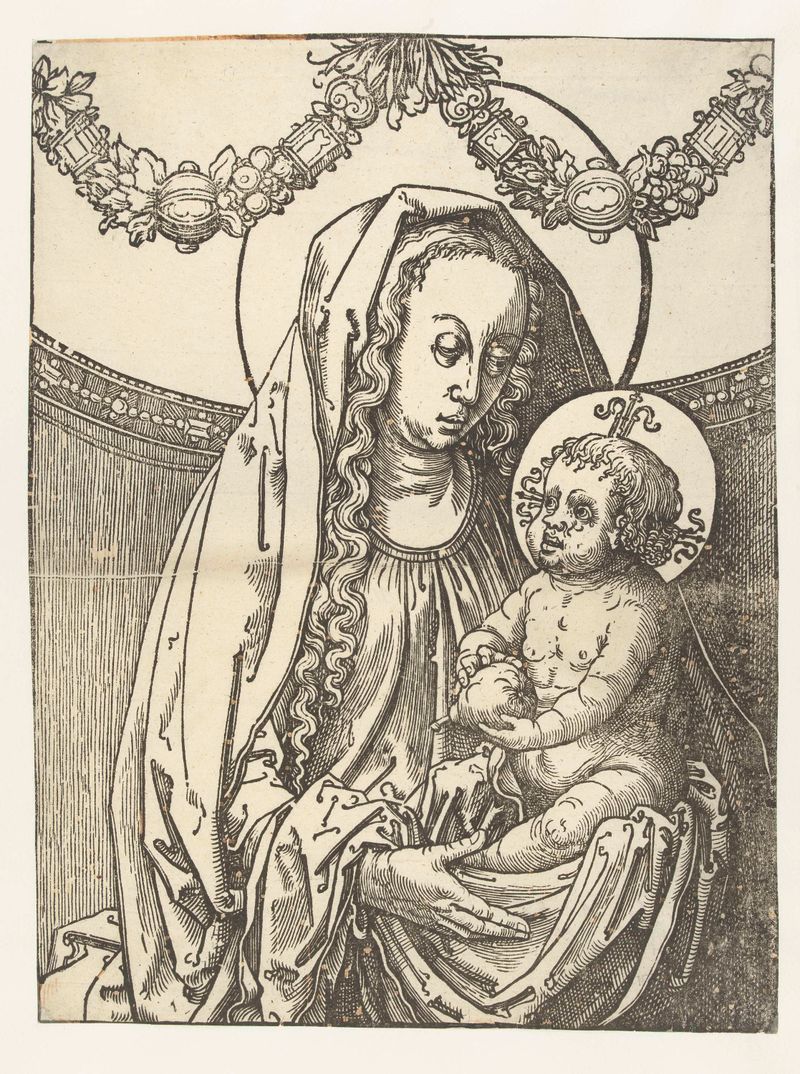
Maria met kind
Lucas van Leyden

Doornenkroning
Lucas van Leyden
More Historical Art
Browse all →
The Night Watch Militia Company of District II under the Command of Captain Frans Banninck Cocq
Rembrandt van Rijn

Lincoln Memorial
Henry Bacon

The Third of May 1808
Francisco de Goya

Isaac and Rebecca, Known as ‘The Jewish Bride’
Rembrandt van Rijn

The Charge of the Mamelukes (1814)
Francisco de Goya

De vier ruiters van de apocalyps
Albrecht Dürer