
Jupiter and Juno — History & Facts
Few works by Raphael have sparked as much debate among art historians as Jupiter and Juno. The painting’s authorship and date remain elusive, with scholars divided over whether it is an autograph work or a product of his workshop. What is certain is that this depiction of the king and queen of the gods has been admired for centuries, inspiring copies and engravings throughout Europe.
Its fame was such that even Giorgio Vasari, in his Lives of the Artists, mentioned the fascination with Raphael’s mythological subjects, although he did not single out this particular painting by name. At the heart of the scene, Raphael captures the divine couple at a moment of uneasy intimacy. Jupiter, enthroned and muscular, extends his arm in a gesture of authority, while Juno, regal and composed, turns her gaze toward him—her hand lightly touching his, suggesting both partnership and tension. The eagle at Jupiter’s side, clutching a thunderbolt, proclaims his power, while Juno’s peacock fans its iridescent tail, a symbol of her pride and vigilance.
The painter chooses a moment of negotiation, rather than confrontation, between the two gods—a contrast to the stormy scenes depicted by Tintoretto or Rubens, who favored drama over diplomacy in their versions of the myth. The painting’s early history is uncertain, but it is generally believed to have been created during Raphael’s Roman period, when mythological subjects were in vogue among humanist patrons. Its journey through collections is poorly documented, with some scholars suggesting it may have once belonged to a member of the Farnese family, renowned collectors of Renaissance art. Today, Jupiter and Juno is often discussed in studies of Raphael’s approach to classical themes, standing as a testament to his ability to blend ideal beauty with psychological nuance.
Its attribution continues to be a subject of scholarly inquiry, reflecting the enduring fascination with both the painting and its elusive creator.
More Artworks by Raphael

Madonna of the Goldfinch
Raphael

Madonna with the Fish
Raphael
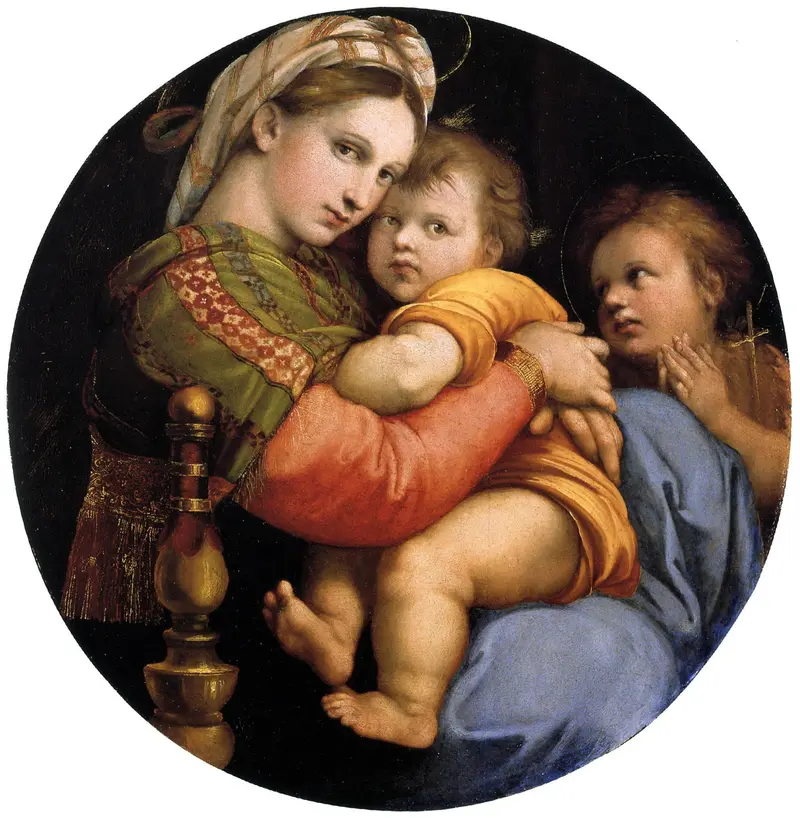
Madonna and Child (Madonna della Seggiola)
Raphael
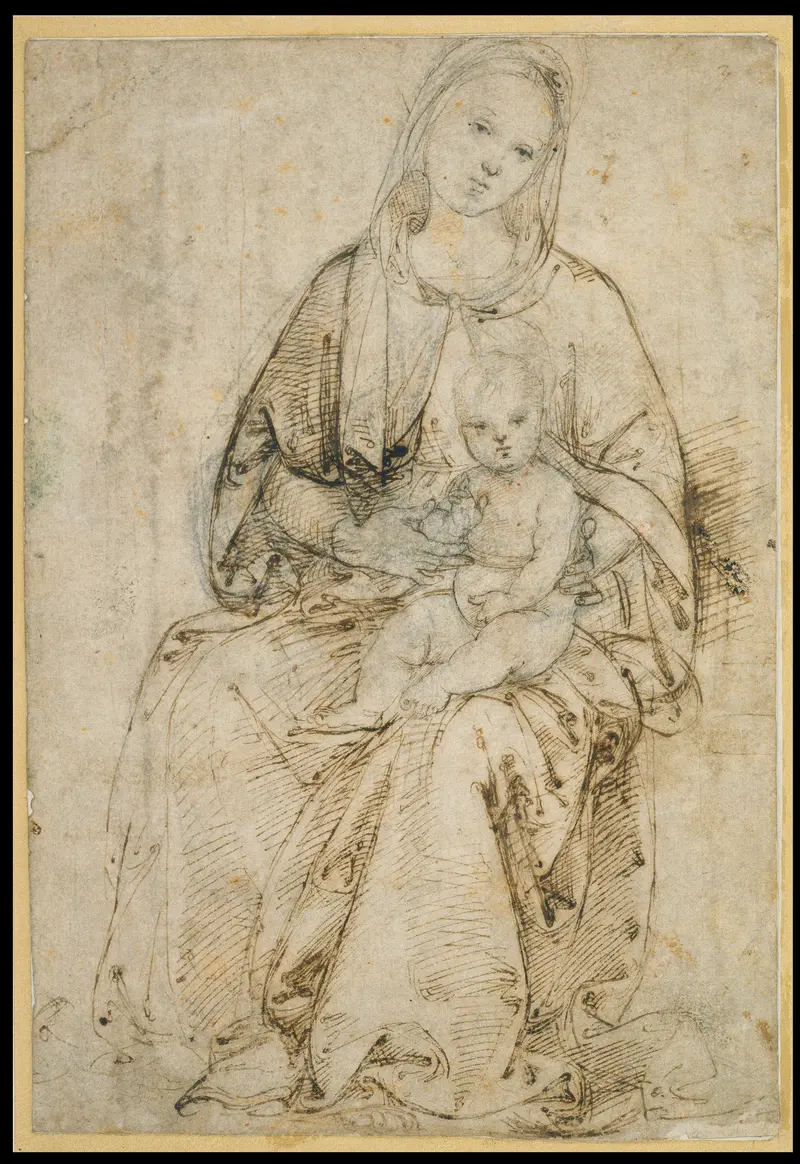
Seated Madonna and Child
Raphael
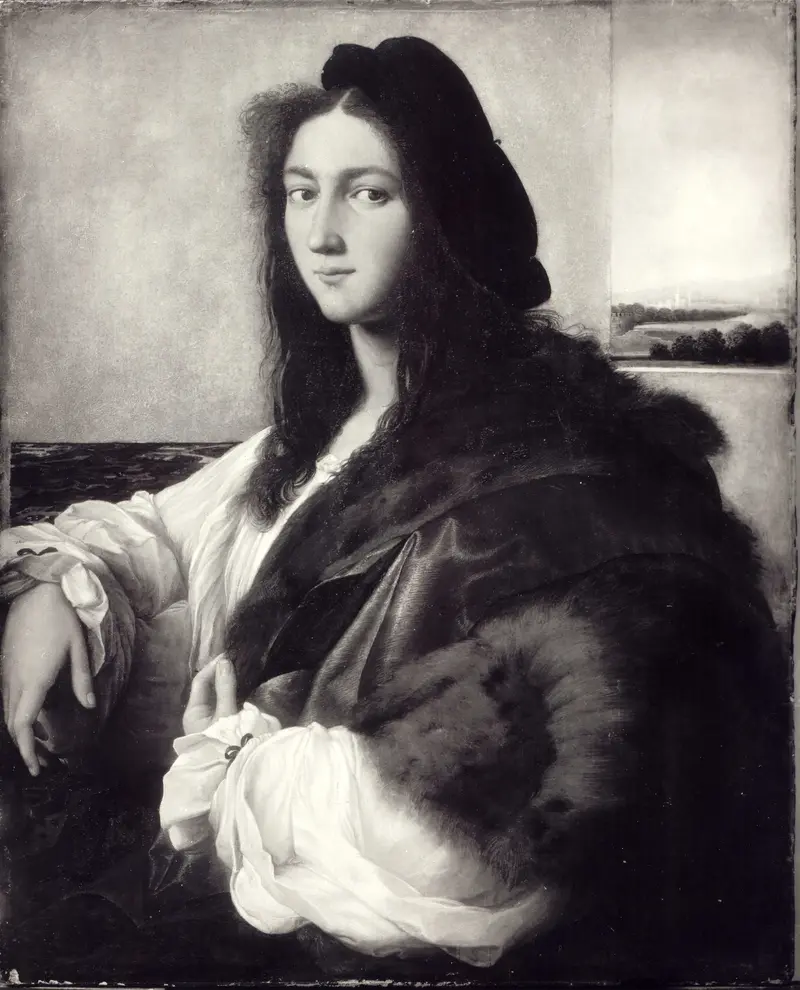
Portrait of a Young Man
Raphael
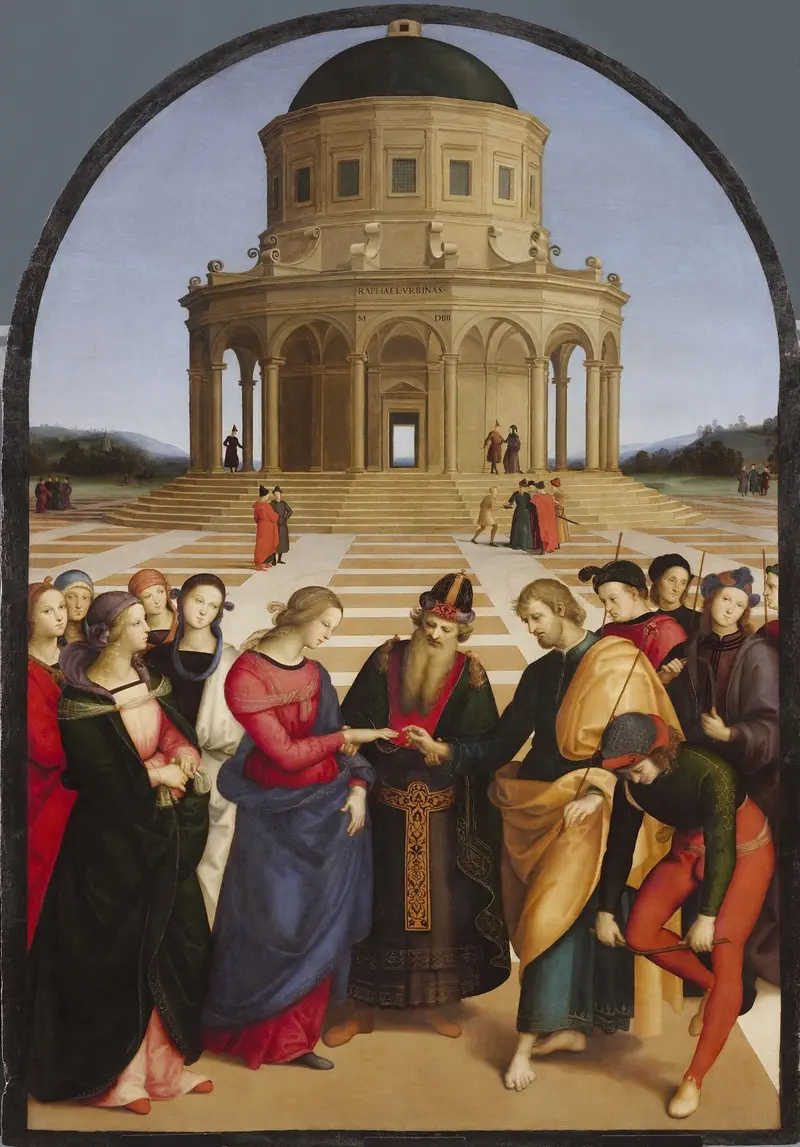
The Marriage of the Virgin
Raphael
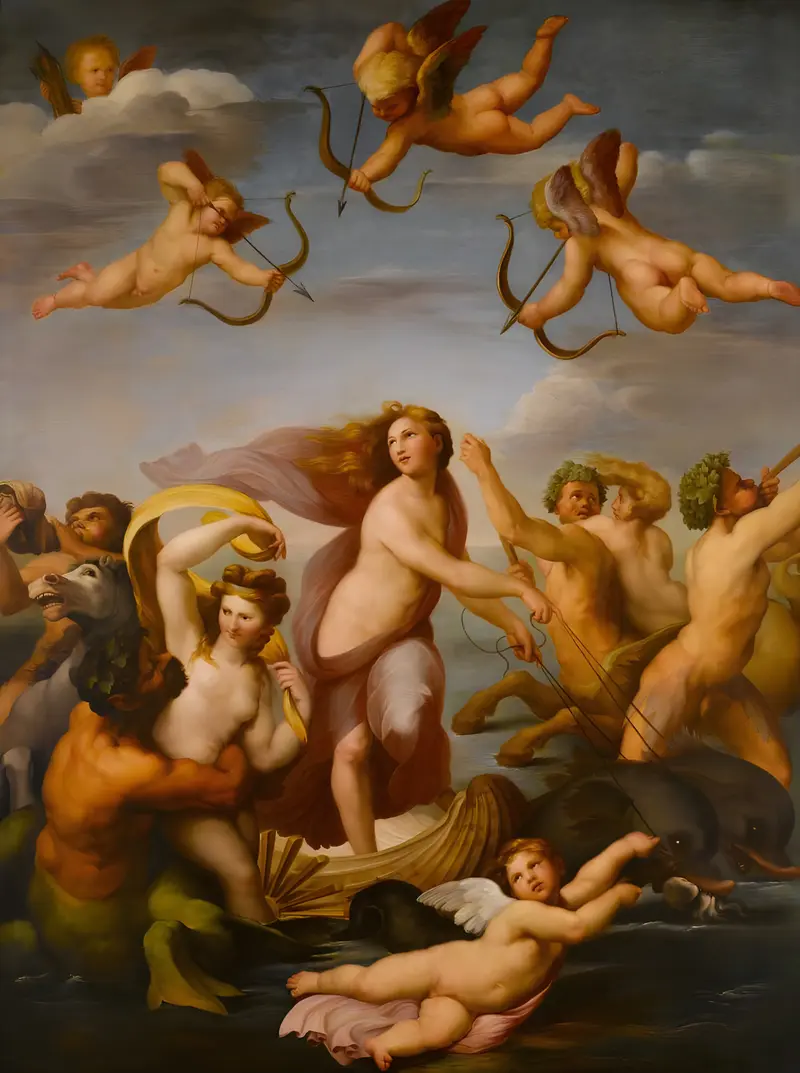
The Triumph of Galatea (copy after Raphael)
Raphael
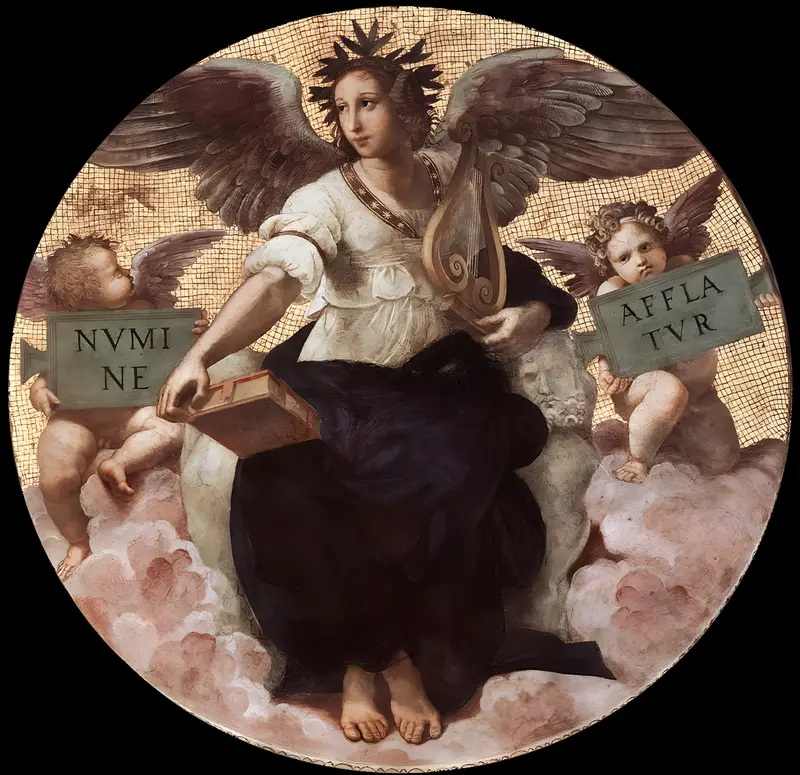
Poetry
Raphael
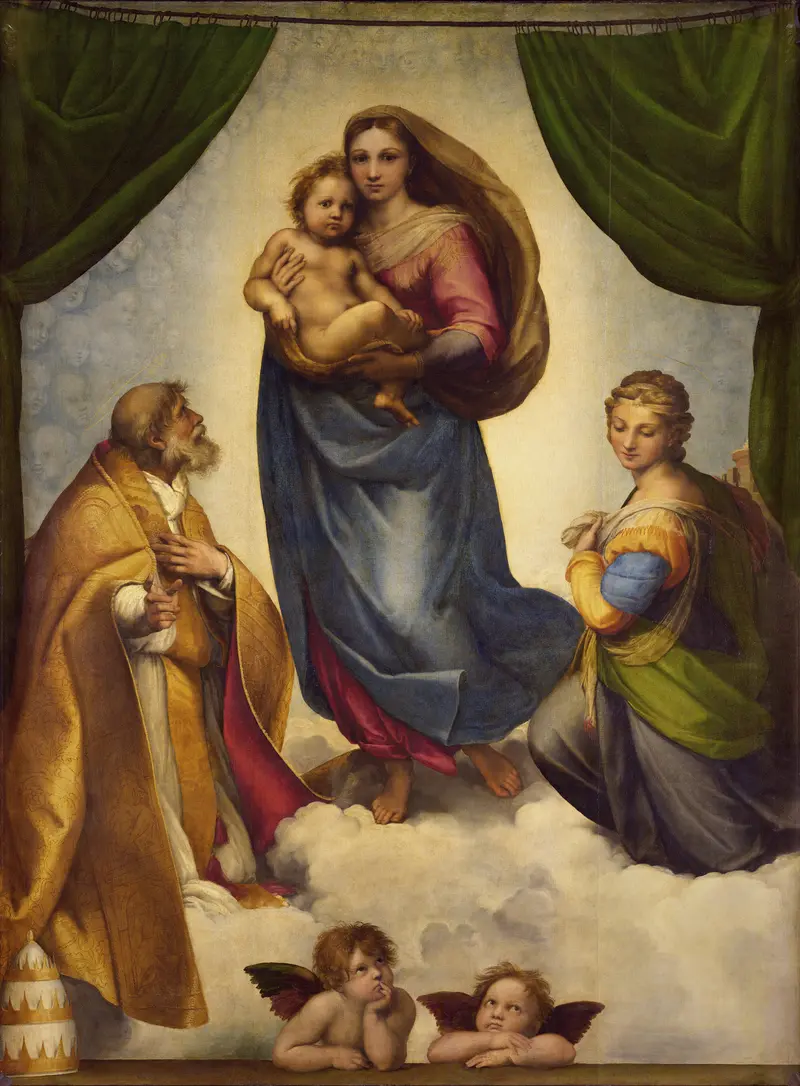
Sistine Madonna
Raphael
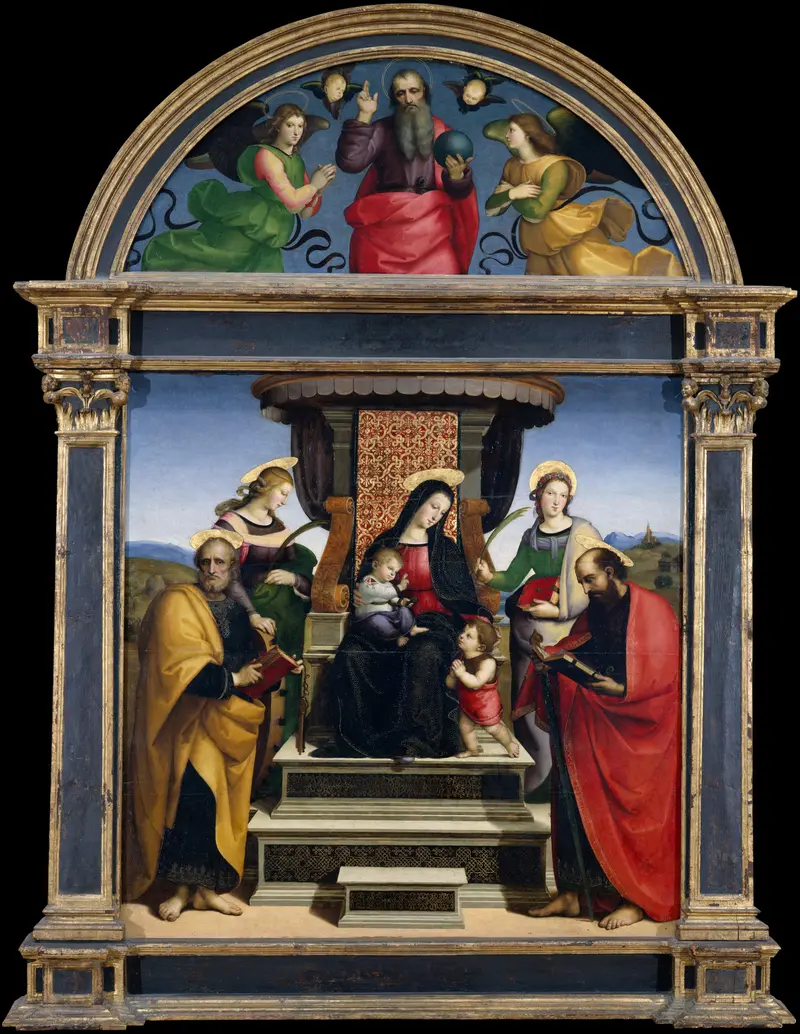
Madonna and Child Enthroned with Saints
Raphael





