
Karton do polichromii Kościoła Mariackiego - Głowa męska i litery "I, B, X" (ks. Jan Bukowski) — History & Facts
When Jan Matejko created Karton do polichromii Kościoła Mariackiego - Głowa męska i litery "I, B, X" (ks. Jan Bukowski) in 1889, he was not painting for a gallery wall but for the very stones of Kraków’s St. Mary’s Basilica.
This work is a preparatory cartoon—a full-scale design—for the ambitious polychrome decoration of the basilica’s interior, a project that would transform the church’s walls with vibrant color and sacred imagery. The initials "I, B, X" refer to Jan Bukowski, the priest and artist who collaborated with Matejko on this monumental undertaking, marking a rare moment where two creative minds met to shape the spiritual and visual heart of a city. The cartoon presents a striking male head, rendered with Matejko’s characteristic psychological intensity, set alongside the cryptic initials. The man’s gaze is direct, his features marked by dignity and solemnity, suggesting a figure of spiritual or intellectual authority—perhaps even a portrait of Bukowski himself, or a symbolic stand-in for the clergy guiding the faithful.
The bold letters anchor the composition, their placement as important as any halo or gesture in traditional religious art. Unlike the idealized saints of earlier centuries, Matejko’s figure is grounded and real, echoing the artist’s approach in works like Stańczyk, where the human face becomes a vessel for national and personal meaning. As a working drawing, this piece was never meant for public display, but as a step in the collaborative process that brought new life to St. Mary’s Basilica at the end of the 19th century.
The full polychrome scheme, completed under Matejko’s direction, remains a landmark of Polish sacred art, and the cartoons—when preserved—offer rare insight into the artist’s method. While the precise journey of this particular cartoon is not fully documented, works from this project are held in various Polish collections, valued as touchstones of Matejko’s late career and as evidence of the fruitful partnership between artist and church. Today, they remind us not only of a master’s hand but of the communal effort behind Kraków’s most beloved interiors.
More Artworks by Jan Matejko
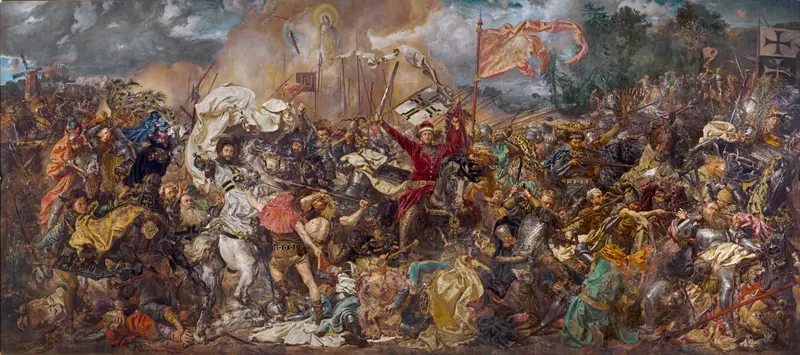
Battle of Grunwald
Jan Matejko

Stańczyk
Jan Matejko

Battle of Raclawice
Jan Matejko
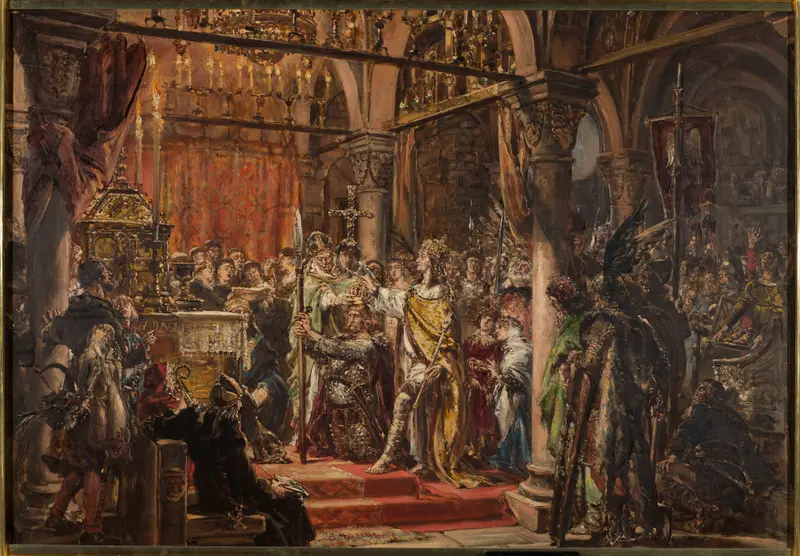
Coronation of the First King, 1001 AD, from the series “History of Civilization in Poland”
Jan Matejko
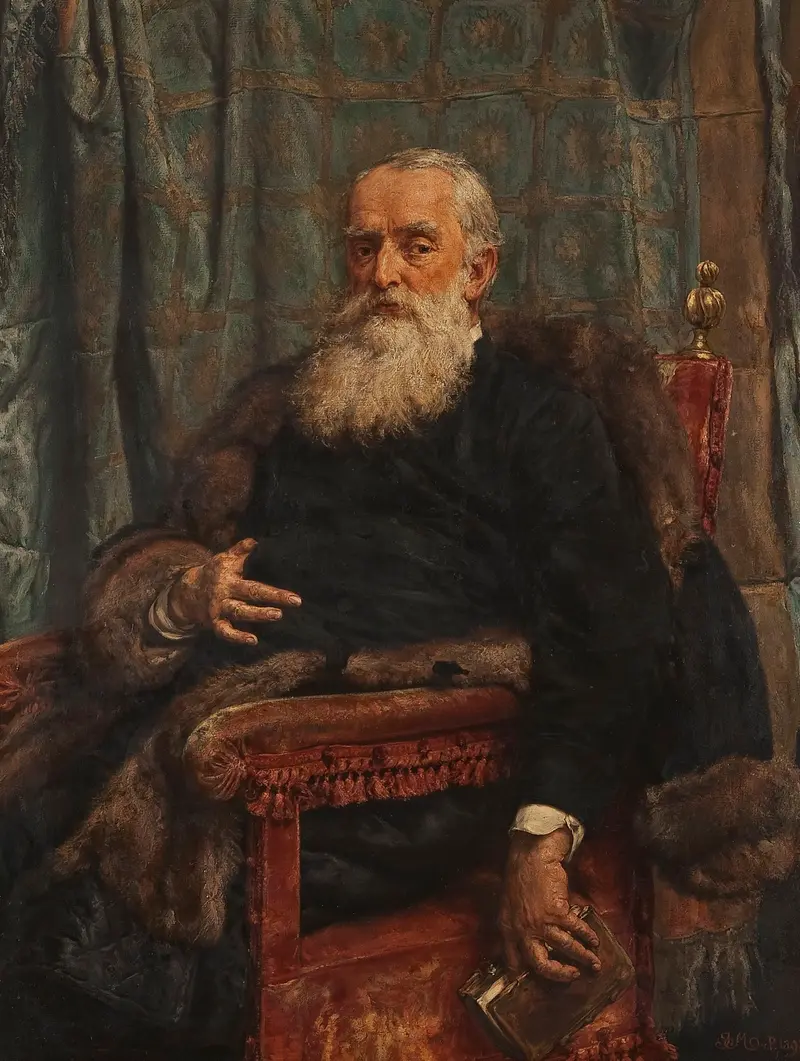
Portrait of Henryk Krajewski
Jan Matejko
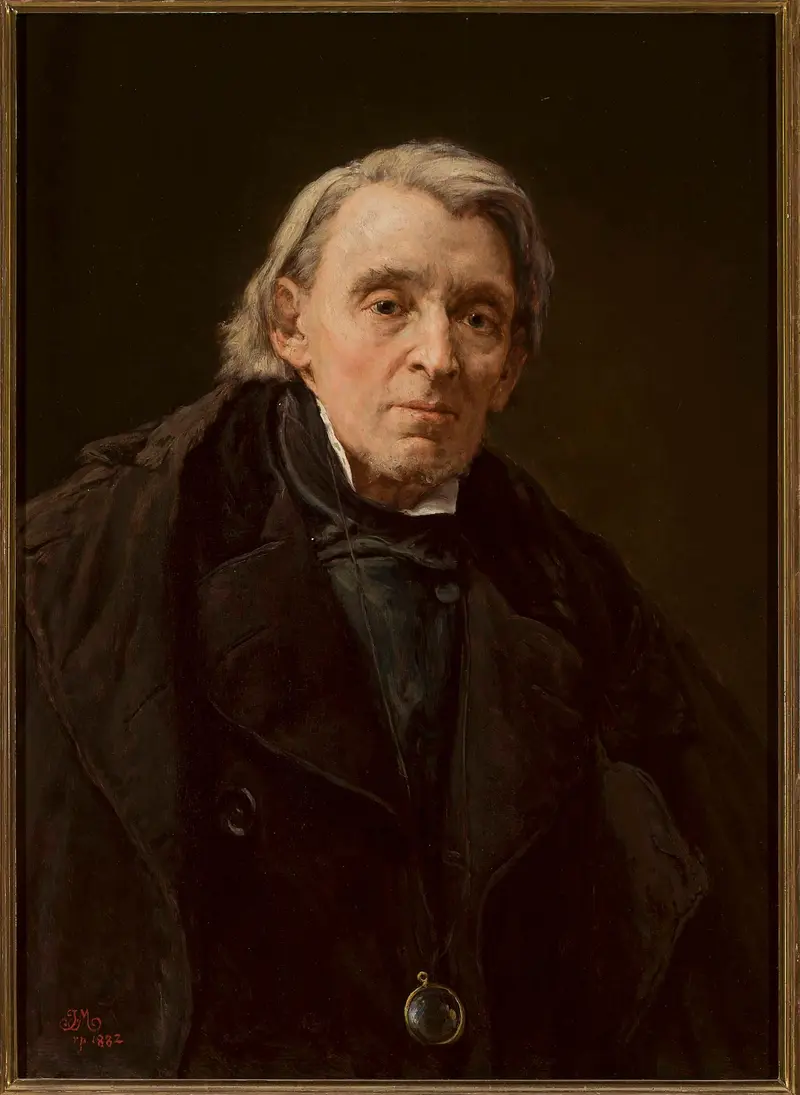
Portrait of Karol Podlewski
Jan Matejko
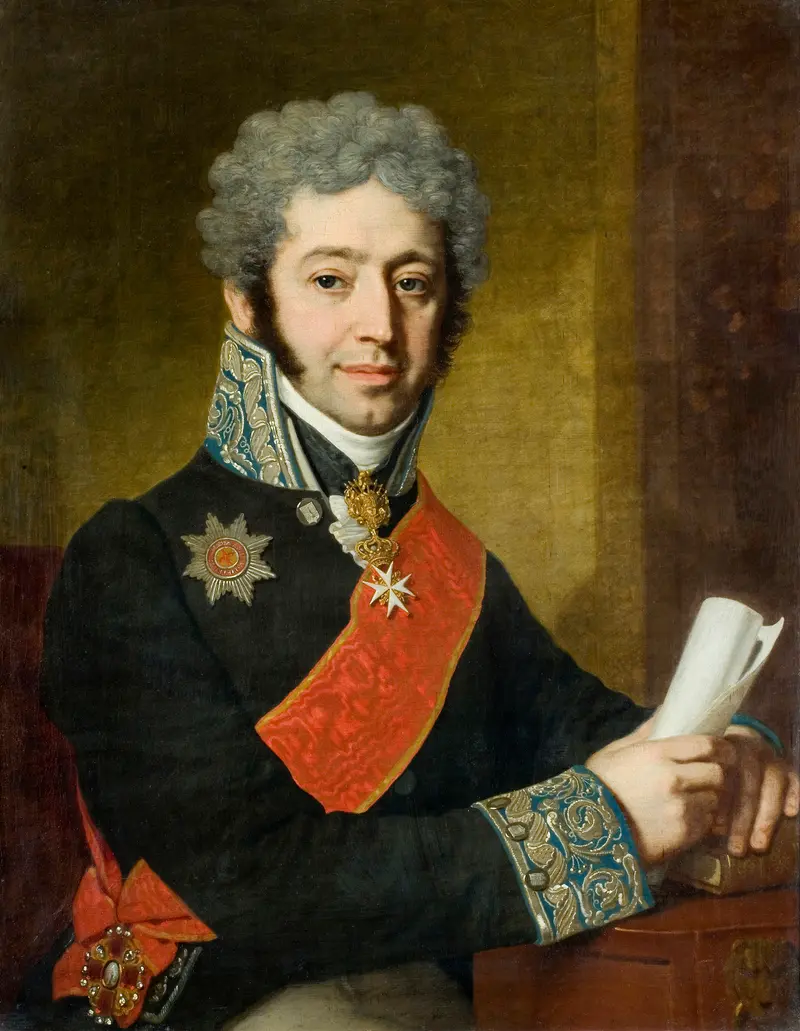
Portrait of Potocki and Poninski
Jan Matejko
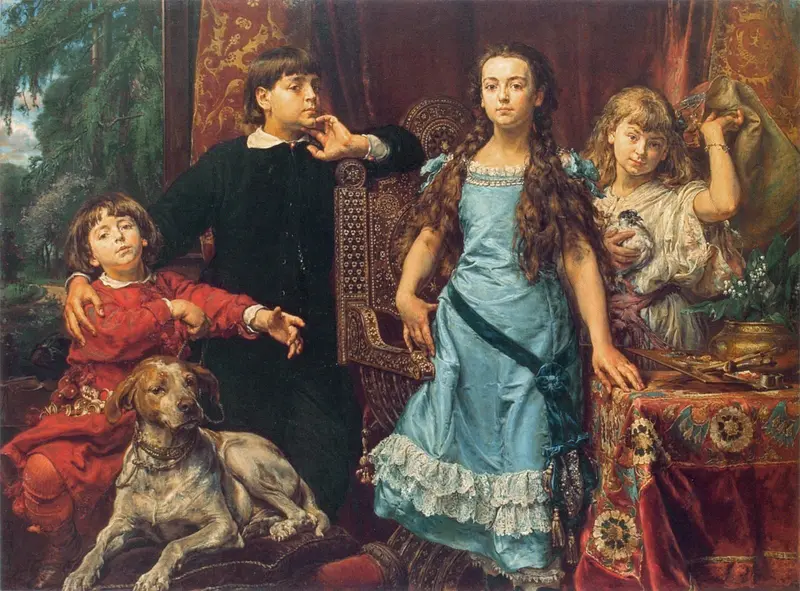
Portrait of the artist's four children
Jan Matejko
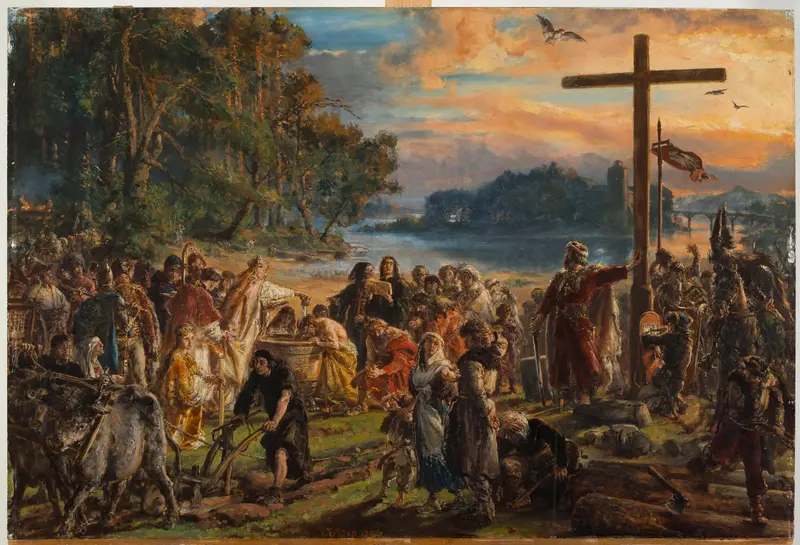
Introduction of Christianity in Poland
Jan Matejko
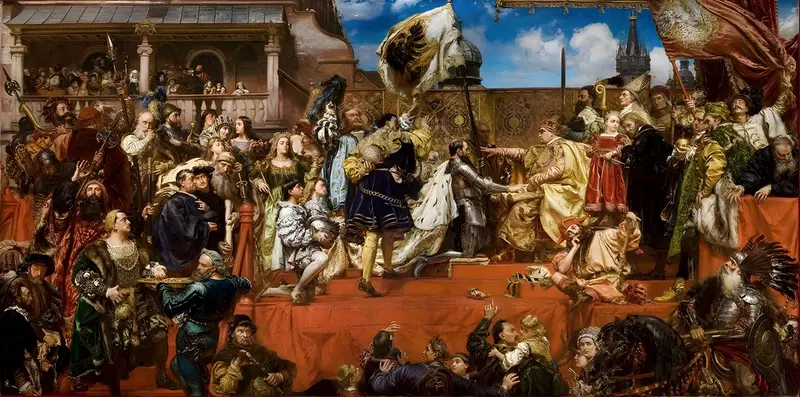
Prussian Homage
Jan Matejko




