
Koningen Abia, Asa en Josafat — History & Facts
Can paint confess what words never could? In Koningen Abia, Asa en Josafat, shadows dance along the edges of a monumental narrative, whispering secrets of power, loyalty, and the consequences of choices. To truly appreciate this work, look to the left where King Asa stands resolute, his gaze piercing through time. Notice how the light cascades upon his armor, illuminating his determined expression while leaving the outlines of his advisors shrouded in darkness. The interplay between light and shadow not only emphasizes the drama unfolding but also reflects the moral complexities of leadership.
The layered textures and meticulous detail invite you to explore the rich tapestries and ornate garments surrounding the figures, each stitch a testament to the artist’s craftsmanship. Delve deeper, and you’ll find the shadows are more than mere absence of light; they encapsulate the emotional tensions between the kings and their divine destinies. The contrasting hues of gold and deep blue echo the alliance and rivalry, while the positioning of the figures creates an invisible barrier—a visual representation of the strain and sacrifice inherent in ruling. Each element, from the lush landscape to the looming architecture, tells a story of the struggle between earthly power and celestial influence. Lucas van Leyden painted this piece between 1518 and 1522, during a period marked by significant transitions in the art world and his personal life.
Emerging as a prominent figure in the Northern Renaissance, he was exploring the complexities of narrative and form during a time when religious and political upheavals were reshaping Europe. This backdrop influenced his stylistic choices, reflecting both the grandeur of biblical tales and the intimate conflicts that lay beneath the surface.
More Artworks by Lucas van Leyden
Browse all →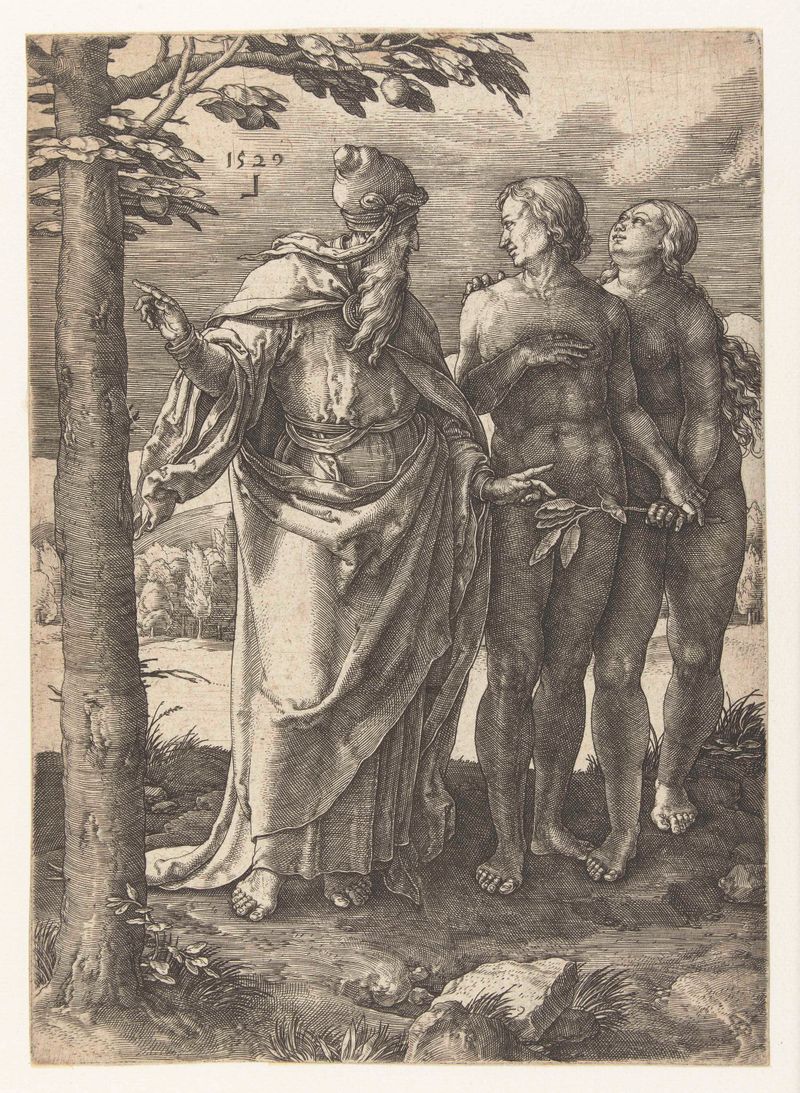
Het eerste verbod
Lucas van Leyden
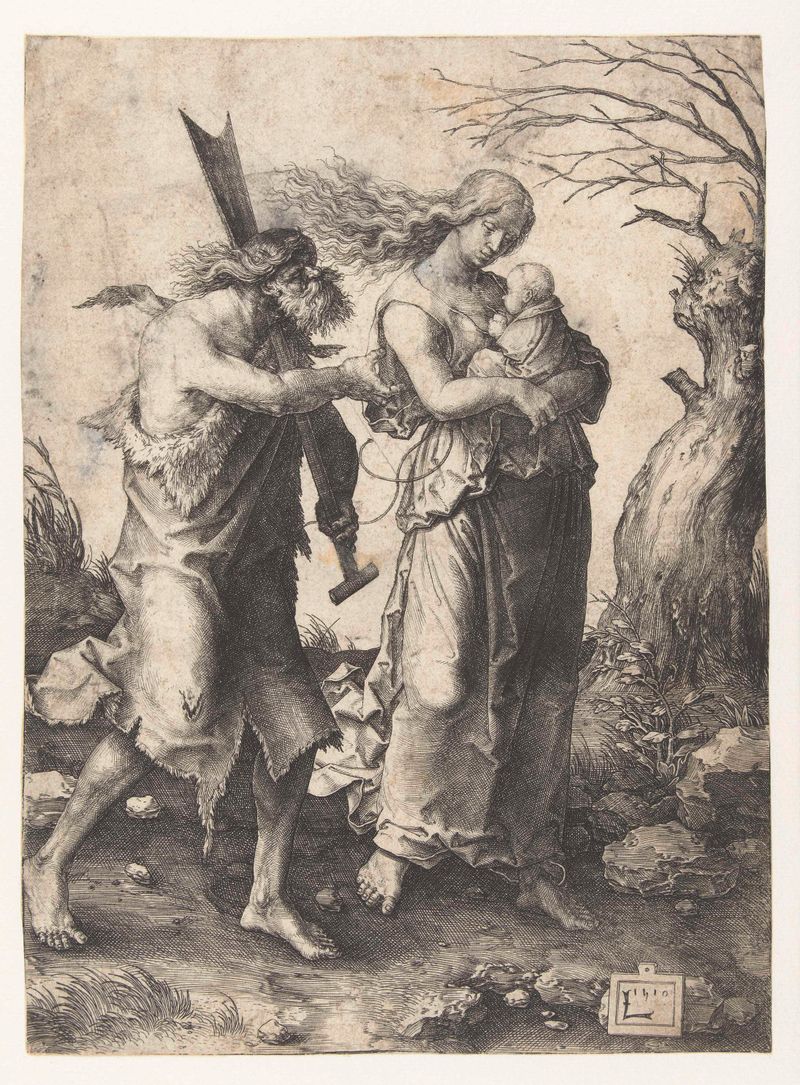
Adam en Eva na de verdrijving uit het paradijs
Lucas van Leyden
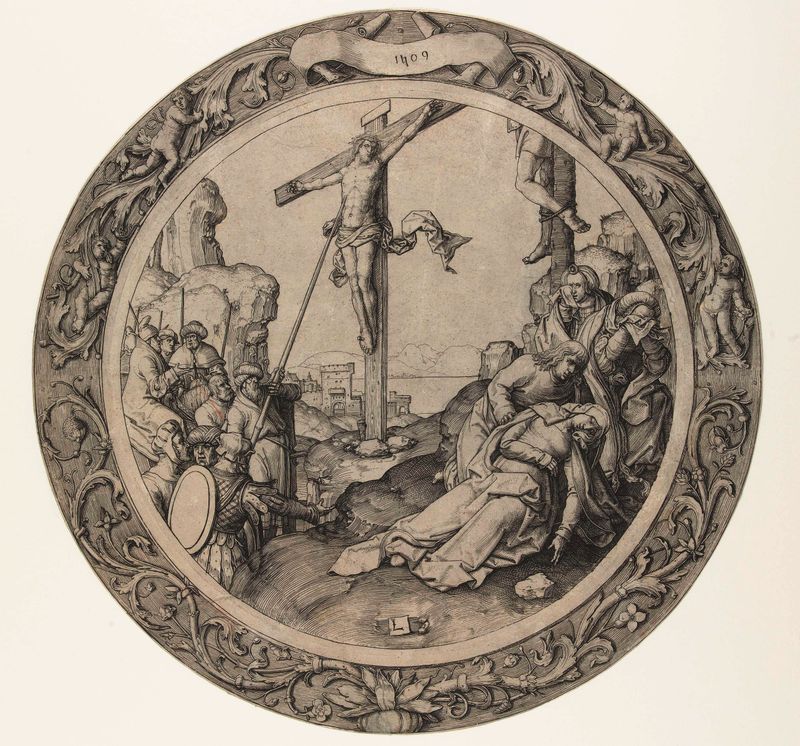
De kruisiging
Lucas van Leyden
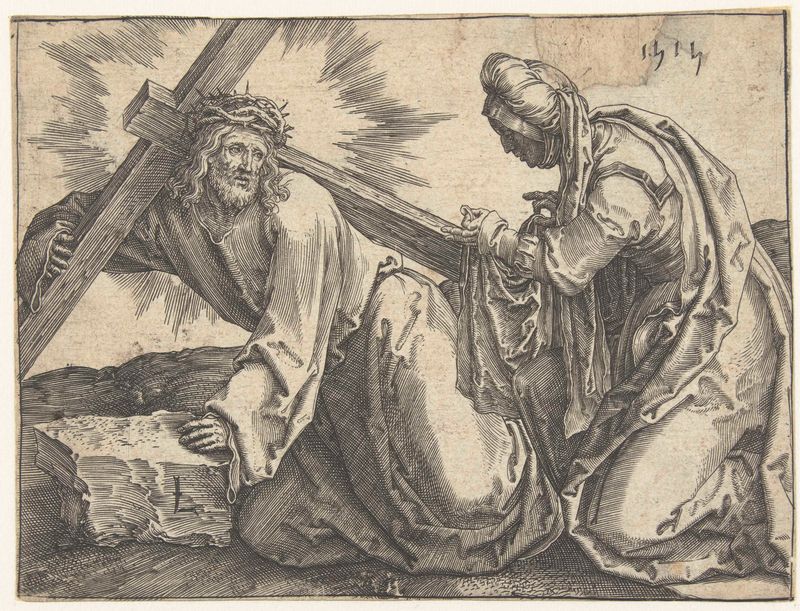
Kruisdraging
Lucas van Leyden
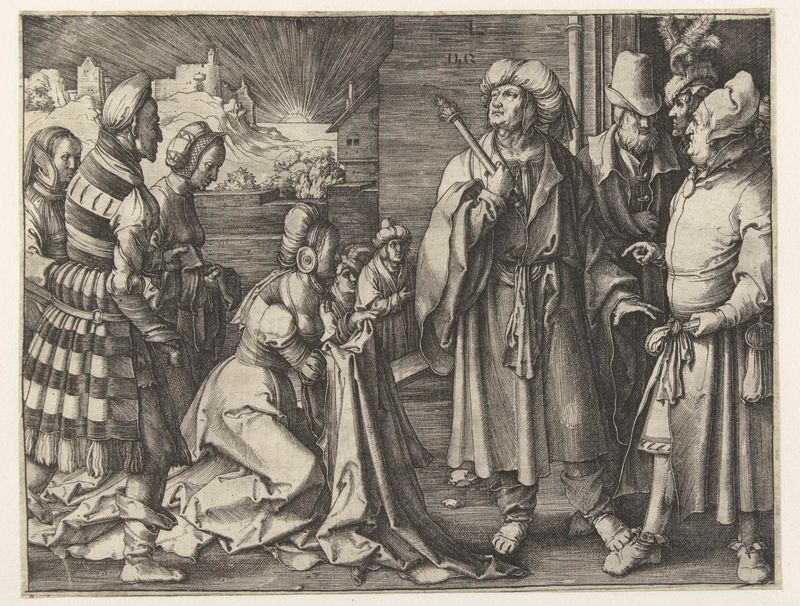
De vrouw van Potifar beschuldigt Jozef
Lucas van Leyden
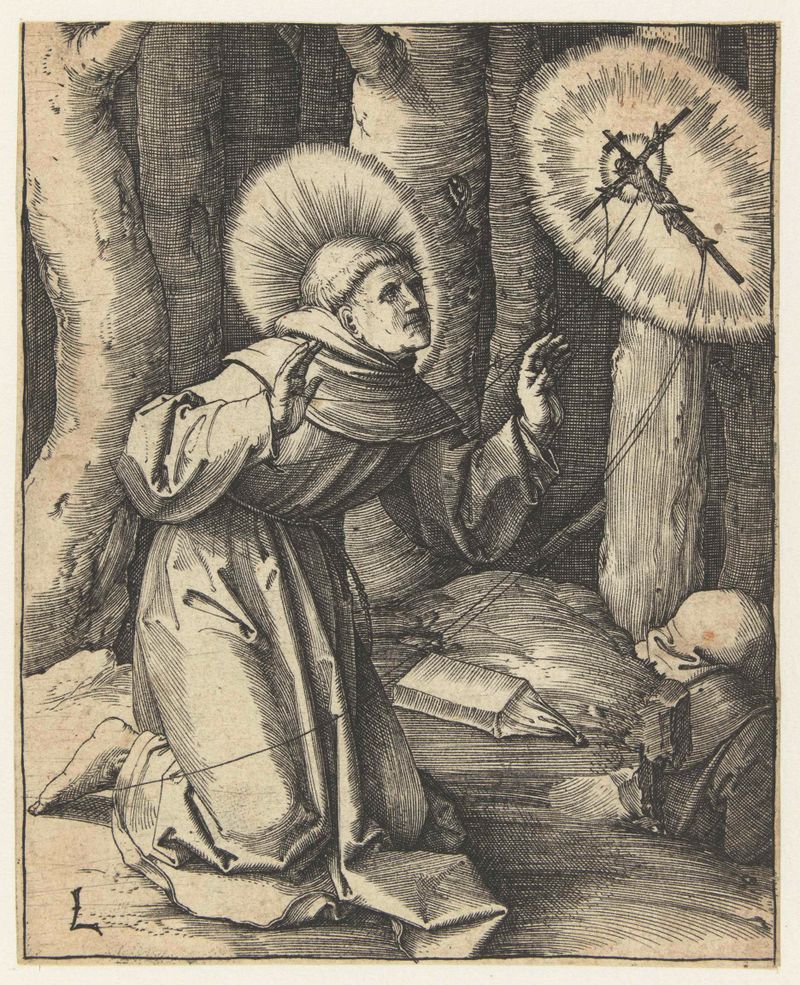
De stigmatisatie van de heilige Franciscus
Lucas van Leyden
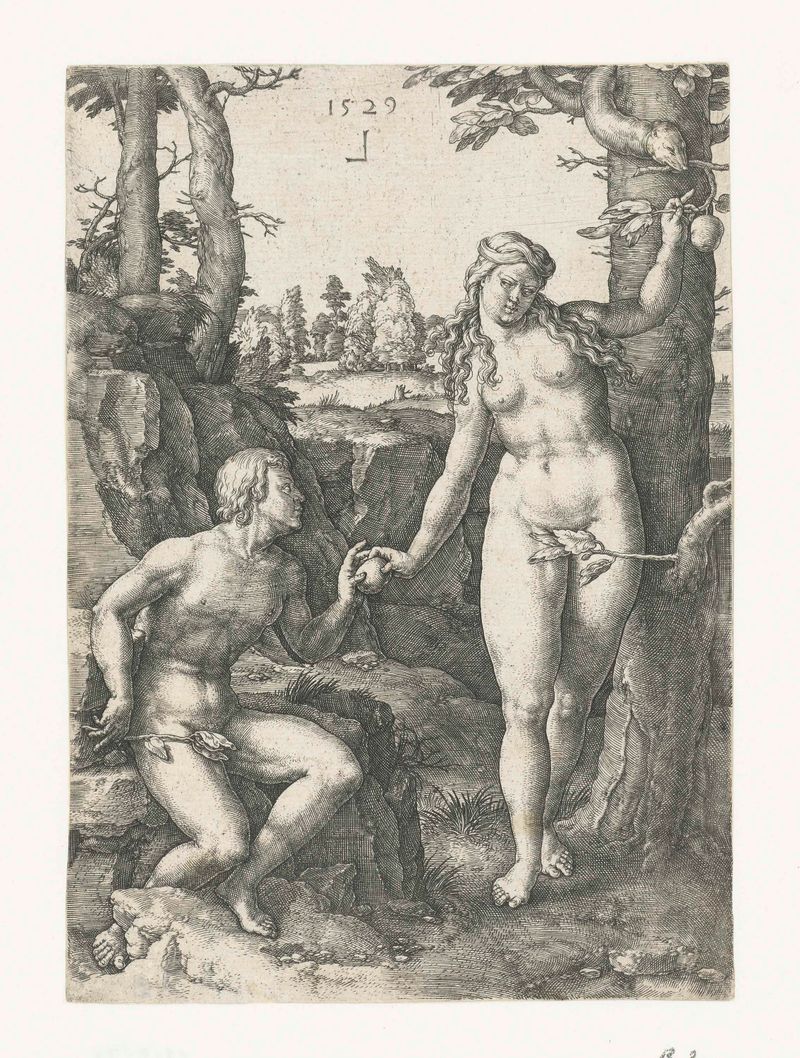
De zondeval
Lucas van Leyden
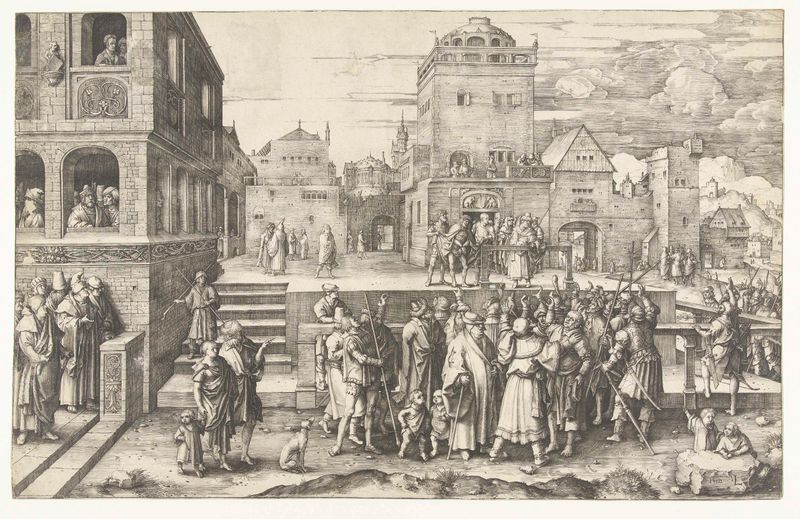
De grote Ecce Homo
Lucas van Leyden
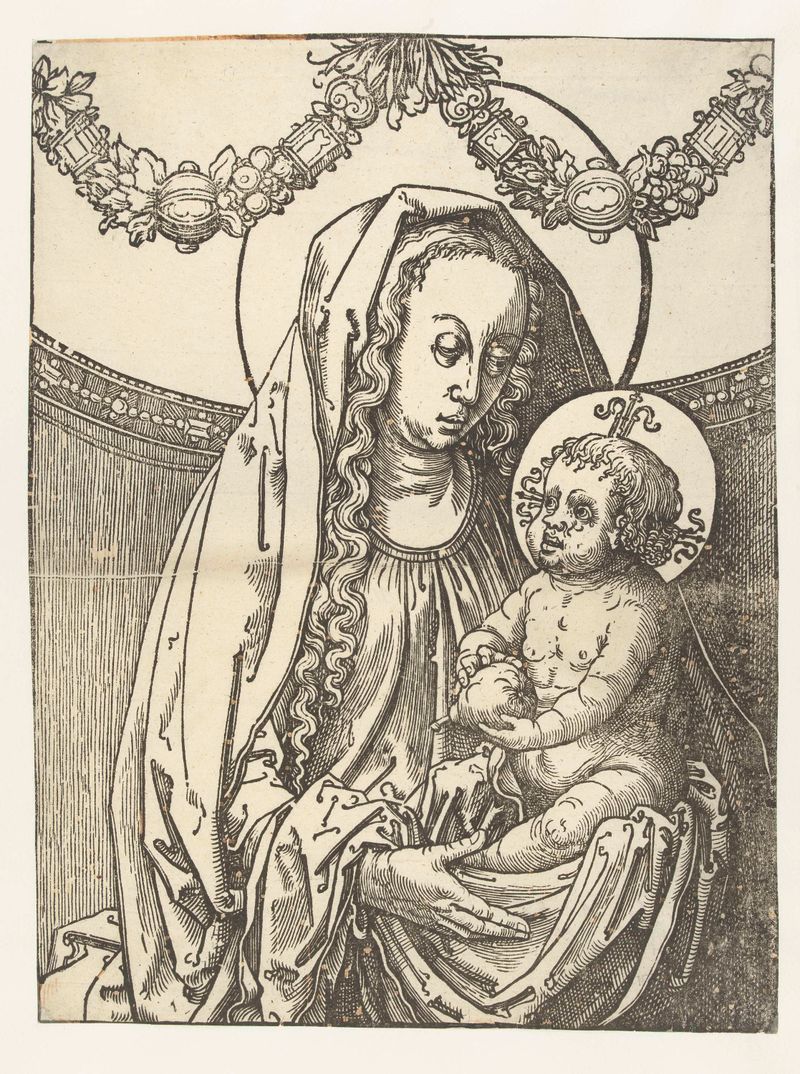
Maria met kind
Lucas van Leyden

Doornenkroning
Lucas van Leyden
More Historical Art
Browse all →
The Night Watch Militia Company of District II under the Command of Captain Frans Banninck Cocq
Rembrandt van Rijn

Lincoln Memorial
Henry Bacon

The Third of May 1808
Francisco de Goya

Isaac and Rebecca, Known as ‘The Jewish Bride’
Rembrandt van Rijn

The Charge of the Mamelukes (1814)
Francisco de Goya

De vier ruiters van de apocalyps
Albrecht Dürer