
L’Étude — History & Facts
When L’Étude was first exhibited at the Salon of 1769, it appeared alongside its pendant, La Lecture, as part of Jean-Honoré Fragonard’s celebrated series on the Four Arts. The pairing quickly caught the attention of Parisian critics, who praised Fragonard’s ability to capture the fleeting intensity of intellectual pursuit. Unlike many of his contemporaries, Fragonard chose not to focus on mythological or aristocratic subjects, but instead turned his gaze to the quiet drama of study and reading, elevating these everyday acts to a subject worthy of grand painting. At the heart of L’Étude sits a young woman, her gaze fixed intently on the page before her, quill poised in hand.
The soft, golden light falls over her face and the scattered papers, highlighting the concentration etched in her features. Fragonard’s brushwork is loose and energetic, lending a sense of immediacy to the scene—the moment before inspiration strikes. The cluttered desk, inkpot, and books evoke the real labor of learning, while the sitter’s posture, leaning forward, suggests both diligence and the anticipation of discovery.
Unlike the formal, didactic scenes of Chardin, Fragonard’s approach is intimate, almost conspiratorial, inviting the viewer to share in the private world of thought. The exact provenance of L’Étude remains somewhat uncertain, as records from the late eighteenth century are incomplete, but it is generally believed to have been commissioned by a private patron, possibly as part of a decorative cycle for a Parisian hôtel particulier. Over the centuries, the painting has passed through several notable collections and was at one point attributed to a follower of Fragonard, before technical analysis and stylistic comparison confirmed its authorship. Today, L’Étude is recognized as a pivotal work in Fragonard’s career, marking his transition from the Rococo frivolity of his earlier years to a more introspective and personal mode.
It continues to be admired for its lively depiction of intellectual life and its subtle celebration of the solitary pleasures of study.
More Artworks by Jean-Honoré Fragonard
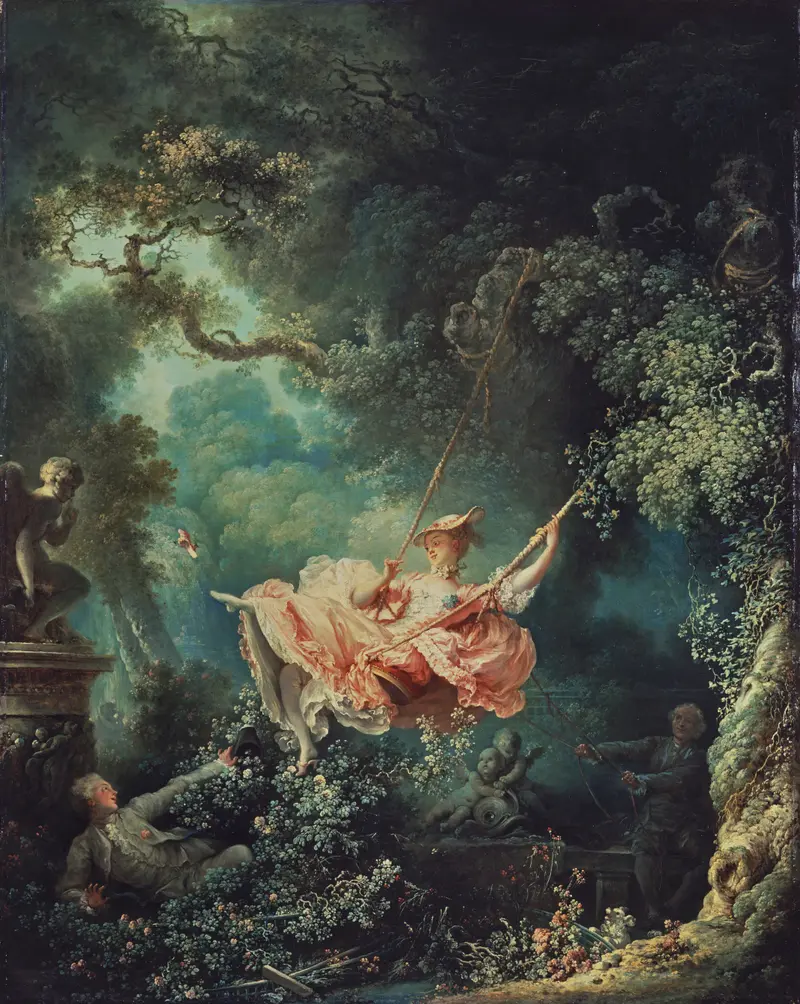
The Swing
Jean-Honoré Fragonard

The Swing
Jean-Honoré Fragonard
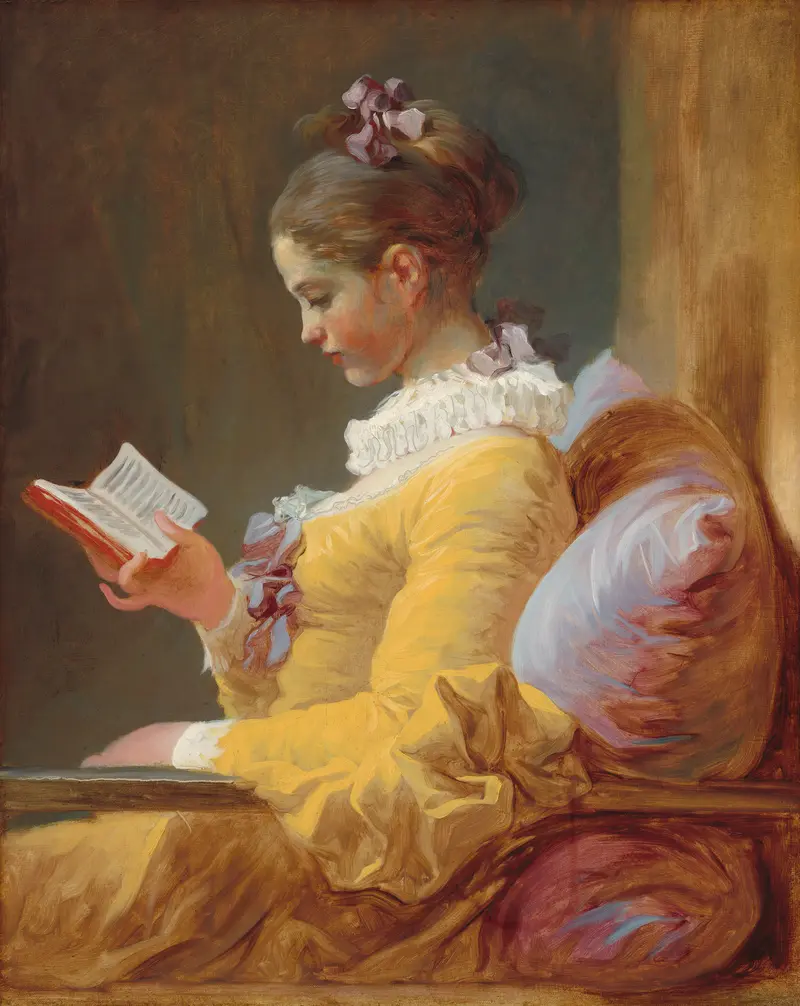
A Young Girl Reading
Jean-Honoré Fragonard
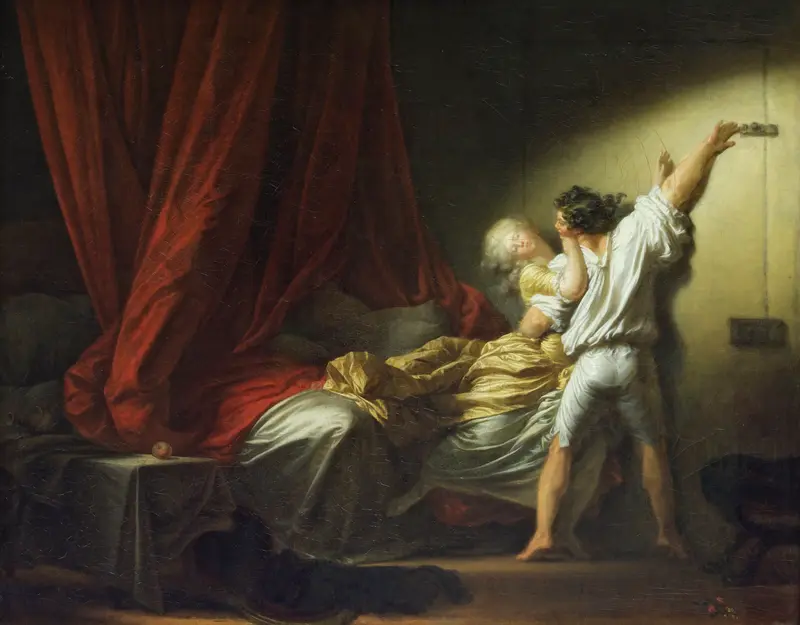
The Lock
Jean-Honoré Fragonard
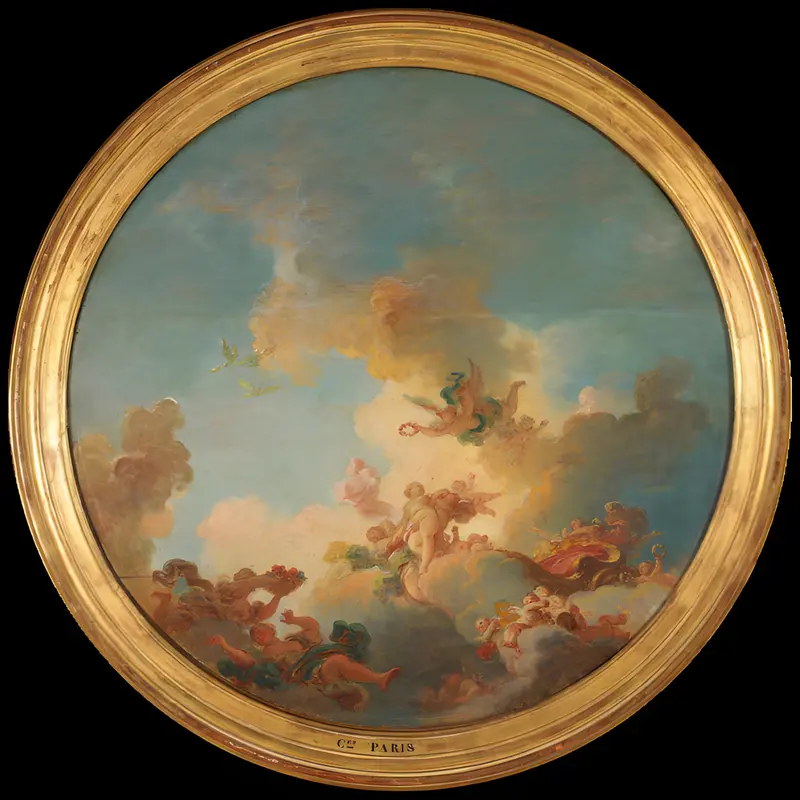
The Triumph of Venus
Jean-Honoré Fragonard
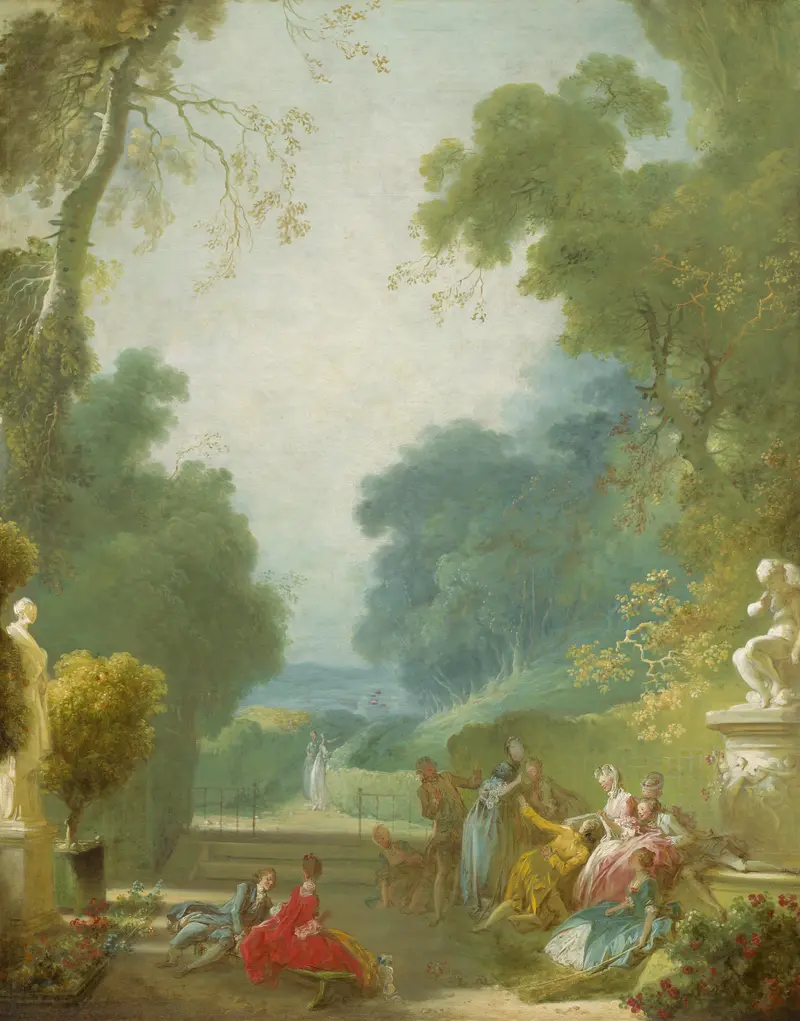
A Game of Hot Cockles
Jean-Honoré Fragonard
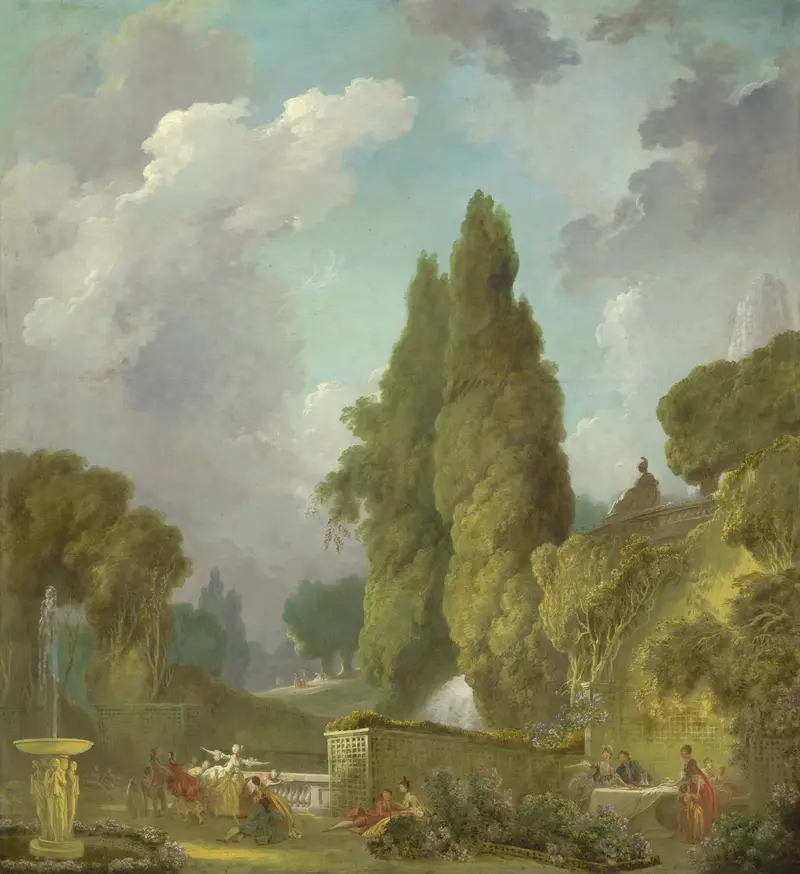
Blindman’s Buff
Jean-Honoré Fragonard
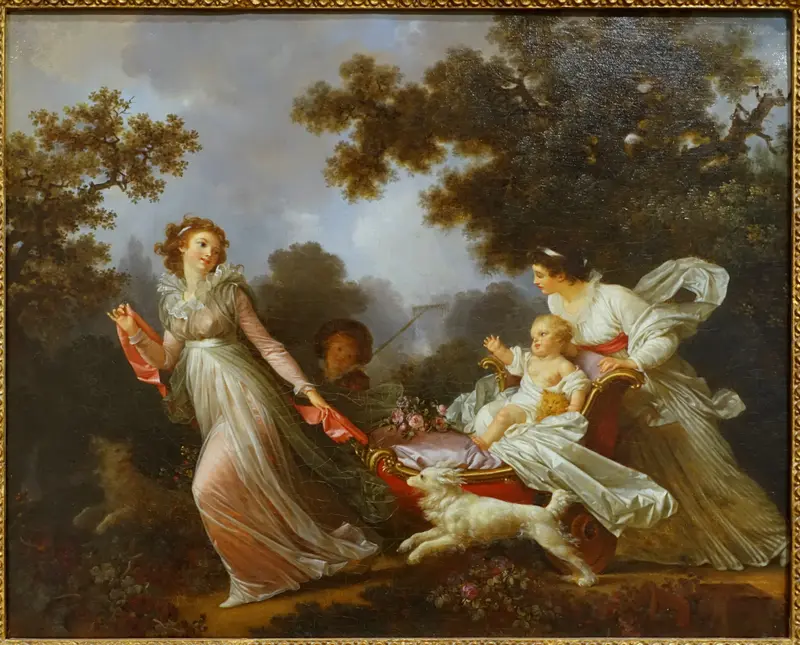
The Beloved Child
Jean-Honoré Fragonard
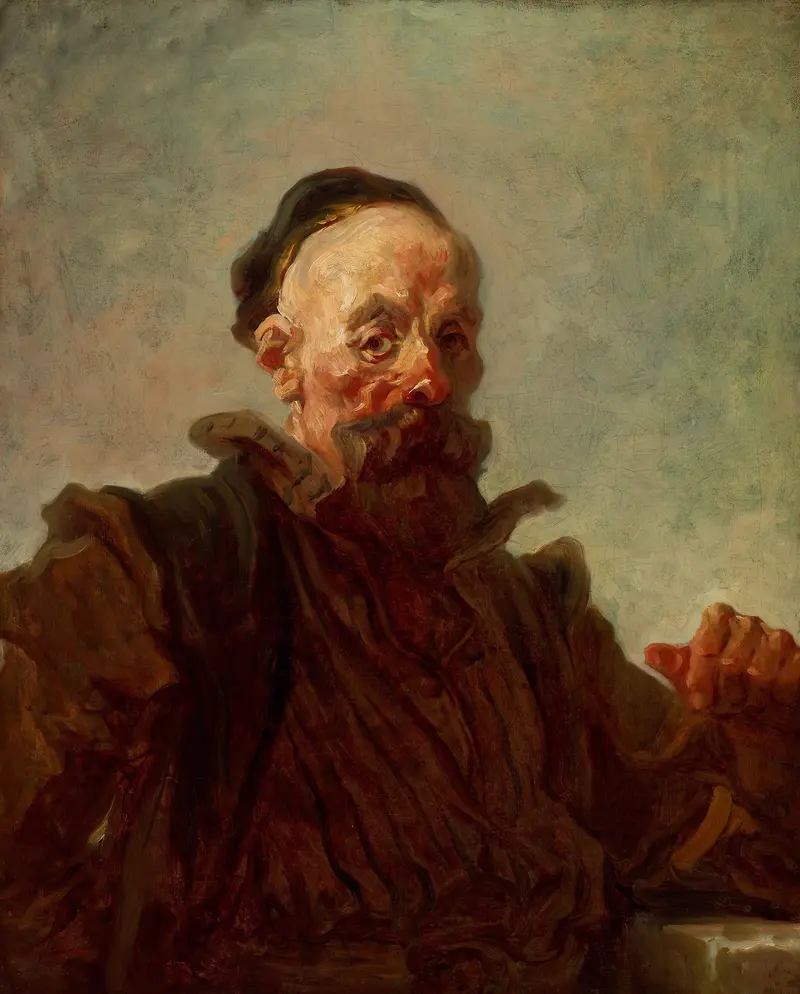
Portrait of a Man in Costume
Jean-Honoré Fragonard
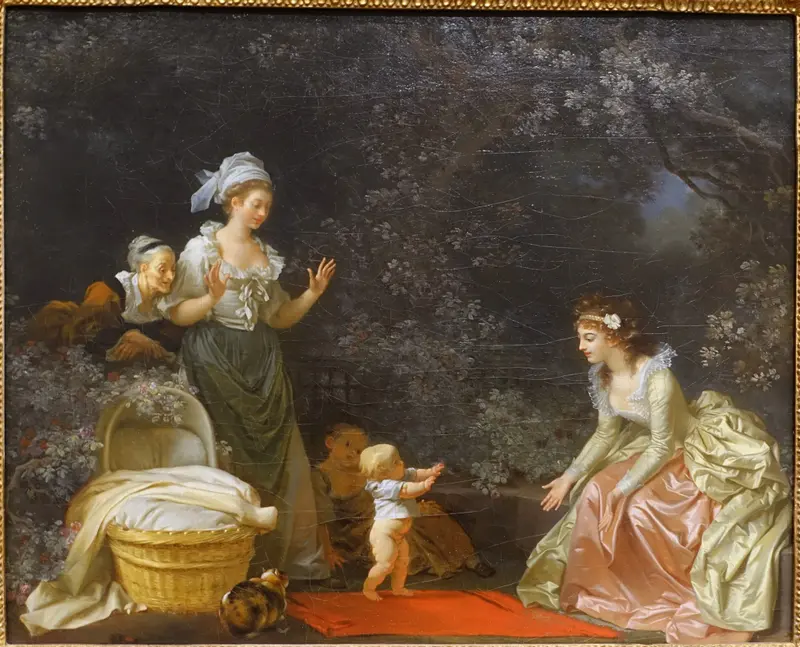
The First Steps
Jean-Honoré Fragonard
More Genre Scene Art

Banquet of the Officers of the St George Civic Guard
Frans Hals

Rembrandt and Saskia in the Scene of the Prodigal Son
Rembrandt van Rijn

Bal du moulin de la Galette
Pierre-Auguste Renoir

Quadrille at the Moulin Rouge
Henri de Toulouse-Lautrec

A Burial at Ornans
Gustave Courbet

When Will You Marry?
Paul Gauguin