
L’omnibus de Corinthe — History & Facts
In L’omnibus de Corinthe, Pierre Bonnard captures a lively street scene filled with vibrant colors. The painting features a bustling omnibus, surrounded by pedestrians and the architecture of Corinth. Bonnard's use of warm hues and dynamic brushstrokes creates a sense of movement and energy.
The figures are depicted with a sense of immediacy, inviting the viewer into the scene. The painting is executed in oil on canvas, showcasing Bonnard's characteristic Post-Impressionist style. The dimensions are approximately 100 x 80 cm, making it a substantial work that draws the viewer's attention. The brushwork is loose and expressive, typical of Bonnard's technique, allowing for a rich texture and depth.
The composition is balanced, with the omnibus as the focal point amidst the lively crowd. Pierre Bonnard was known for his unique approach to color and light, often depicting intimate domestic scenes and landscapes. L’omnibus de Corinthe stands out as a vibrant representation of urban life, reflecting Bonnard's fascination with modernity. An interesting fact about this work is that it captures a moment in time during the early 20th century, showcasing the transition of society and the role of public transportation.
This painting exemplifies Bonnard's ability to blend everyday life with artistic expression.
More Artworks by Pierre Bonnard

Place Pigalle at Night
Pierre Bonnard
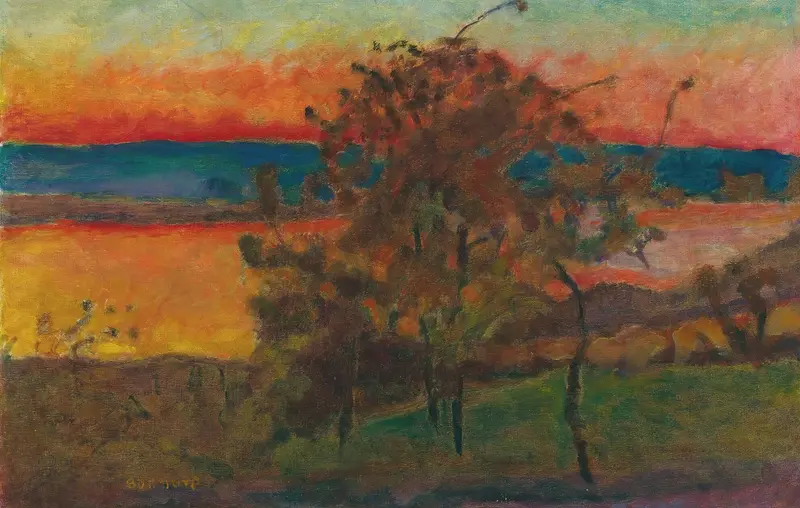
Soleil Couchant
Pierre Bonnard

Village, ciel d’orage
Pierre Bonnard

La Terrasse ou Une terrasse à Grasse
Pierre Bonnard
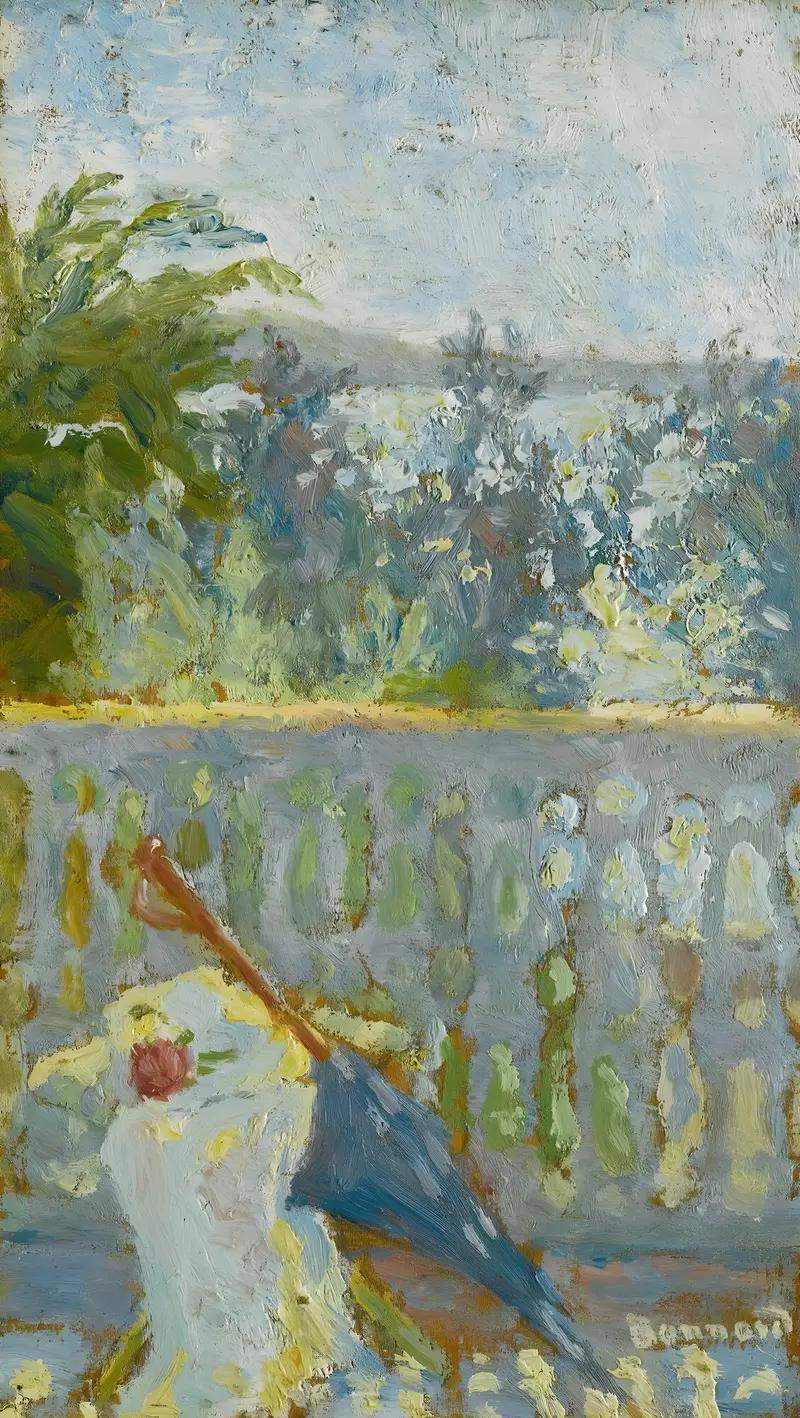
Le Balcon Et L’ombrelle
Pierre Bonnard
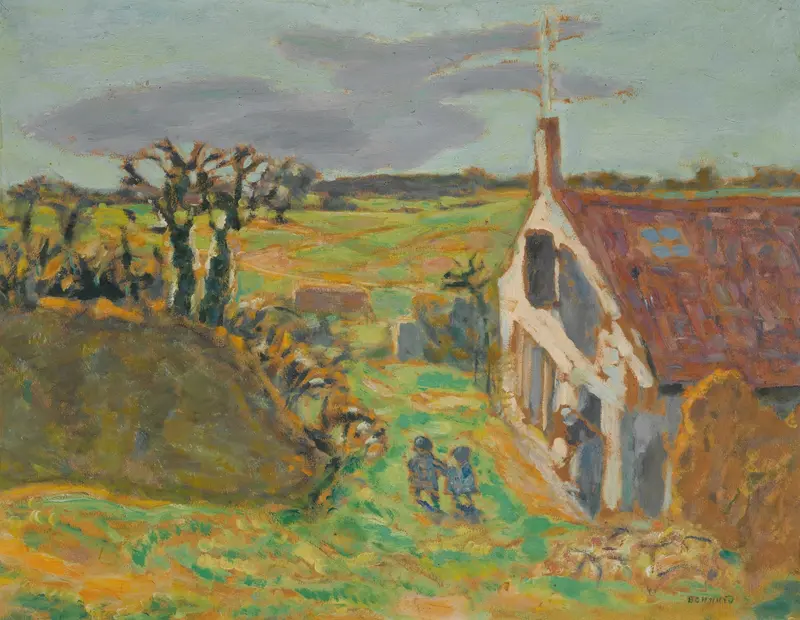
Les Deux Enfants, Vernouillet
Pierre Bonnard
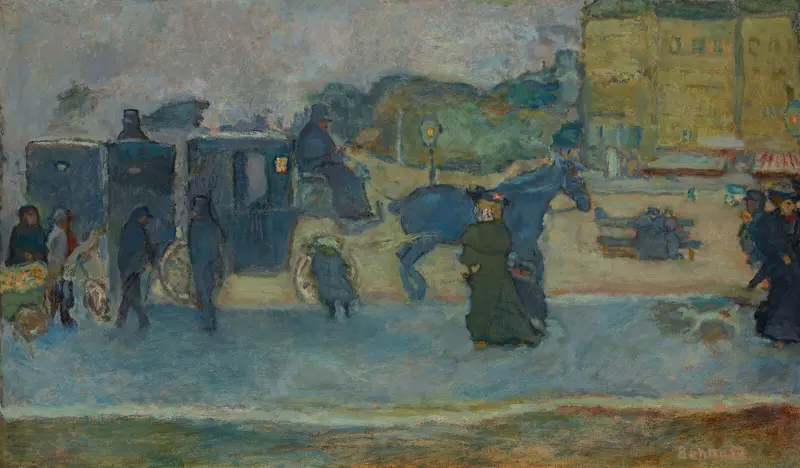
Les deux fiacres (Boulevard des Batignolles)
Pierre Bonnard
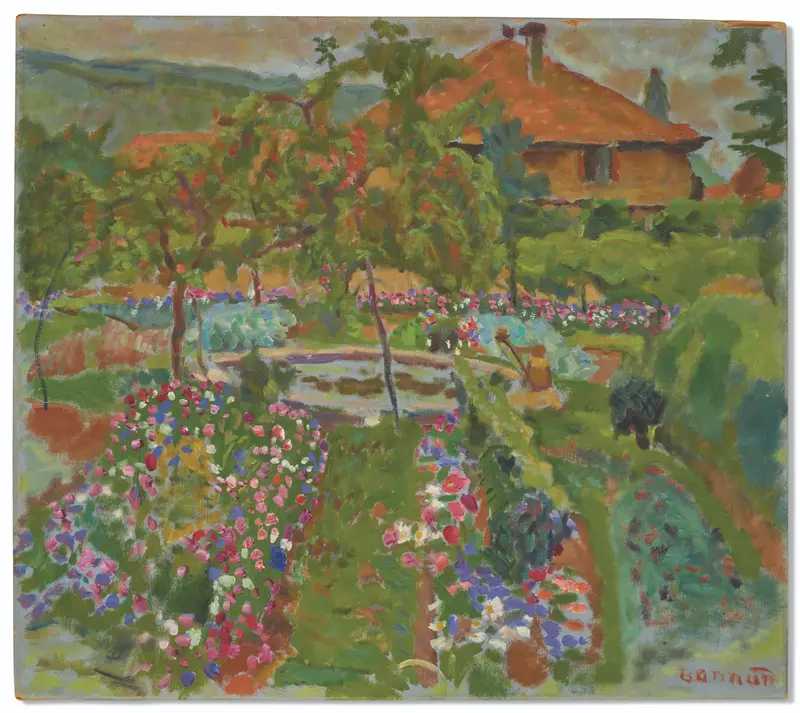
Les Fleurs du potager (Le Grand-Lemps)
Pierre Bonnard

Paysage de Saint-Tropez
Pierre Bonnard
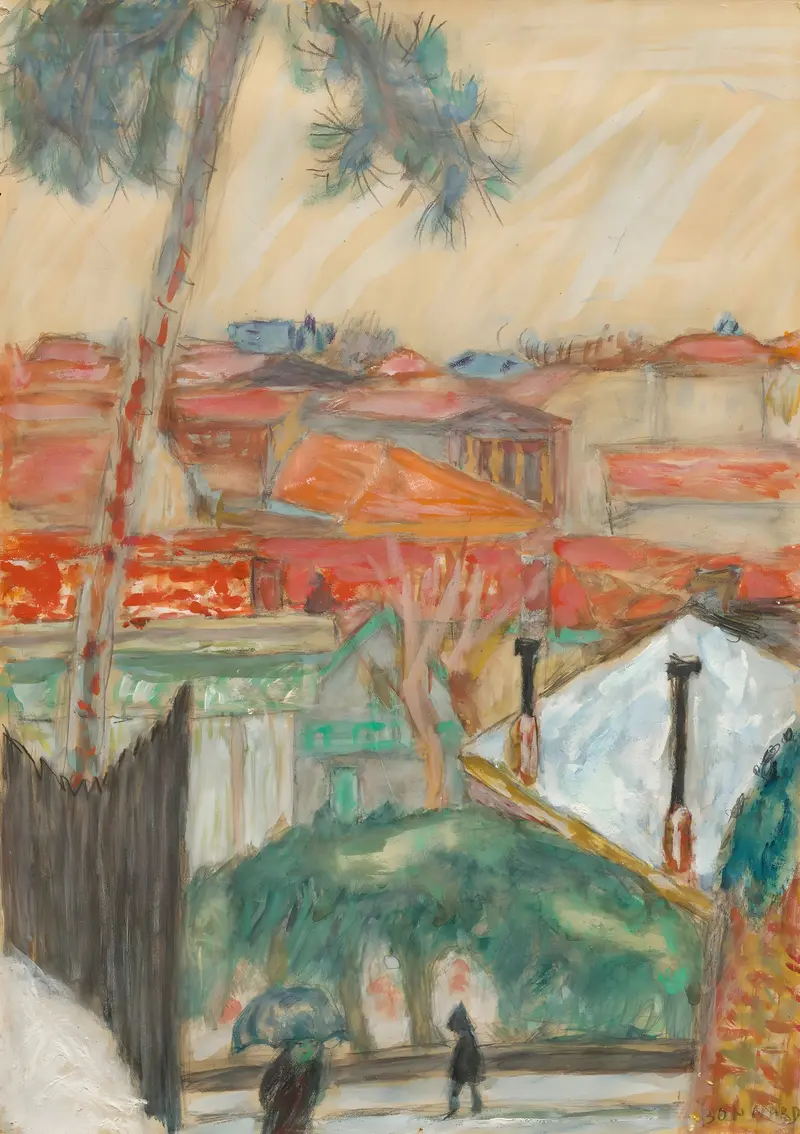
Les Toits
Pierre Bonnard
More Genre Scene Art

Banquet of the Officers of the St George Civic Guard
Frans Hals

Rembrandt and Saskia in the Scene of the Prodigal Son
Rembrandt van Rijn

Bal du moulin de la Galette
Pierre-Auguste Renoir

Quadrille at the Moulin Rouge
Henri de Toulouse-Lautrec

A Burial at Ornans
Gustave Courbet

When Will You Marry?
Paul Gauguin