
La bas d’apremont, deux bûcheronnes près de deux mares — History & Facts
The gentle hues of the landscape whisper of a bittersweet existence, where nature cradles the weary souls of its laborers. In this captivating piece, the emotional weight is both palpable and serene, inviting the viewer to delve beyond the surface into a world tinged with melancholy. Look to the left at the two women, their silhouettes framed by the lush greenery and shimmering waters of the ponds. The delicate brushwork captures the texture of their garments, blending harmoniously with the surrounding foliage.
Notice how the dappled light filters through the leaves, casting soft shadows that dance upon their faces, revealing both the toil of their labor and the tranquility of their moment. The warm palette of greens and browns contrasts with the shimmering blues of the water, creating a poignant balance between labor and the restful beauty of nature. As you take in the details, consider the tension between the figures and their environment. The women appear at once resilient and vulnerable, their hard work juxtaposed with the serene beauty of their surroundings.
The presence of the ponds reflects both a moment of respite and an inescapable cycle of life, hinting at the stories of countless laborers who find solace in nature even amidst hardship. This duality resonates deeply, suggesting that beauty is often intertwined with life’s struggles. Created in 1850, this artwork emerged during a vibrant period in France, where the Romantic movement was giving way to Realism. Diaz de La Peña, working in Barbizon, was amidst a group of artists who sought to capture the raw, unfiltered beauty of rural life.
This painting reflects his dedication to portraying nature and the human experience, resonating with the personal and societal shifts of the time.
More Artworks by Narcisse-Virgile Diaz de La Peña
Browse all →
Forest Scene
Narcisse-Virgile Diaz de La Peña
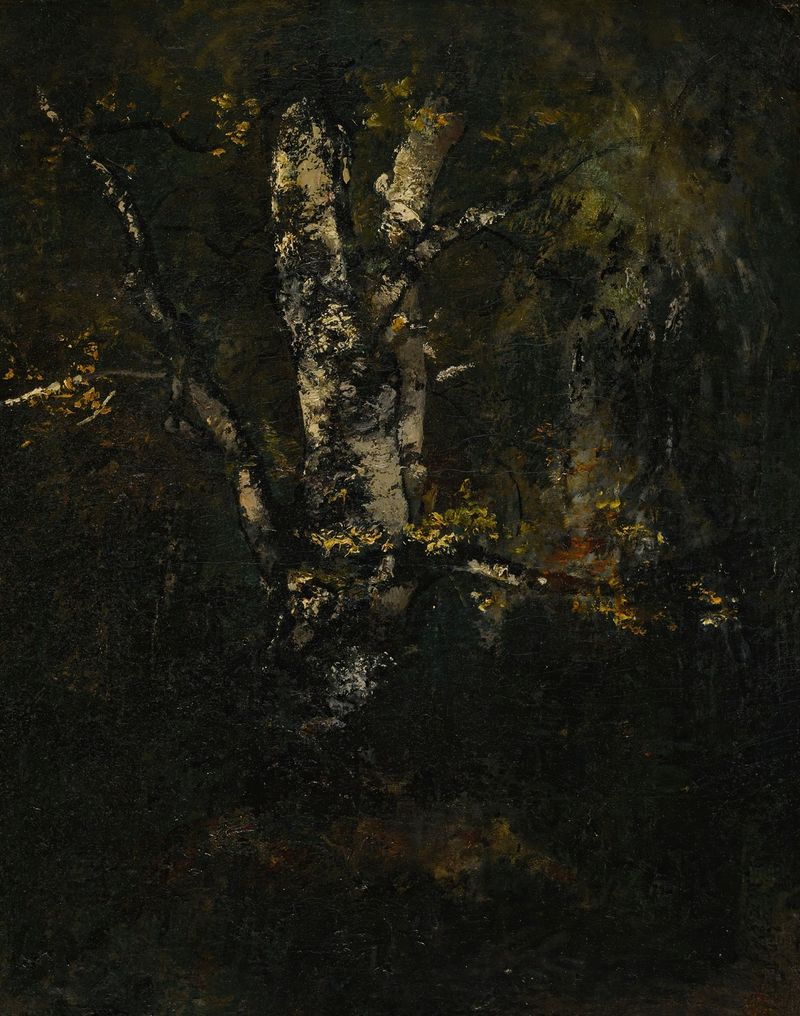
Vieux Troncs De Hêtres
Narcisse-Virgile Diaz de La Peña
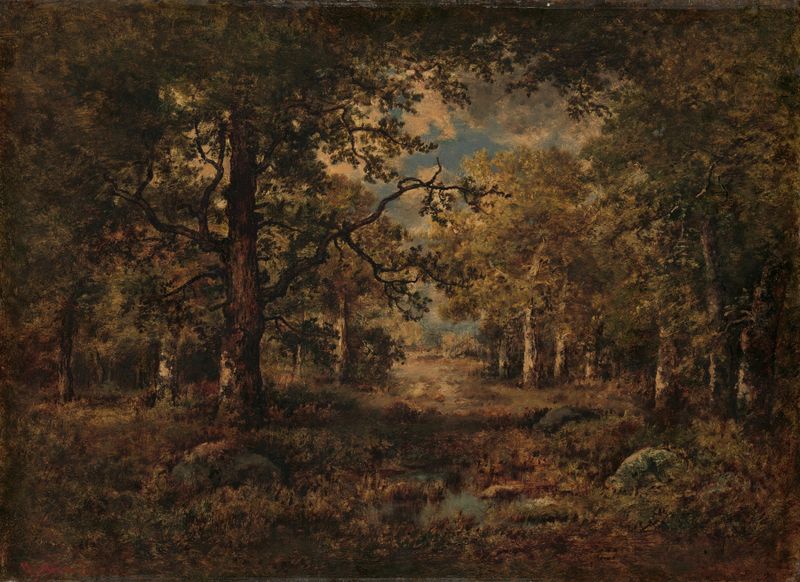
A Vista through Trees; Fontainebleau
Narcisse-Virgile Diaz de La Peña
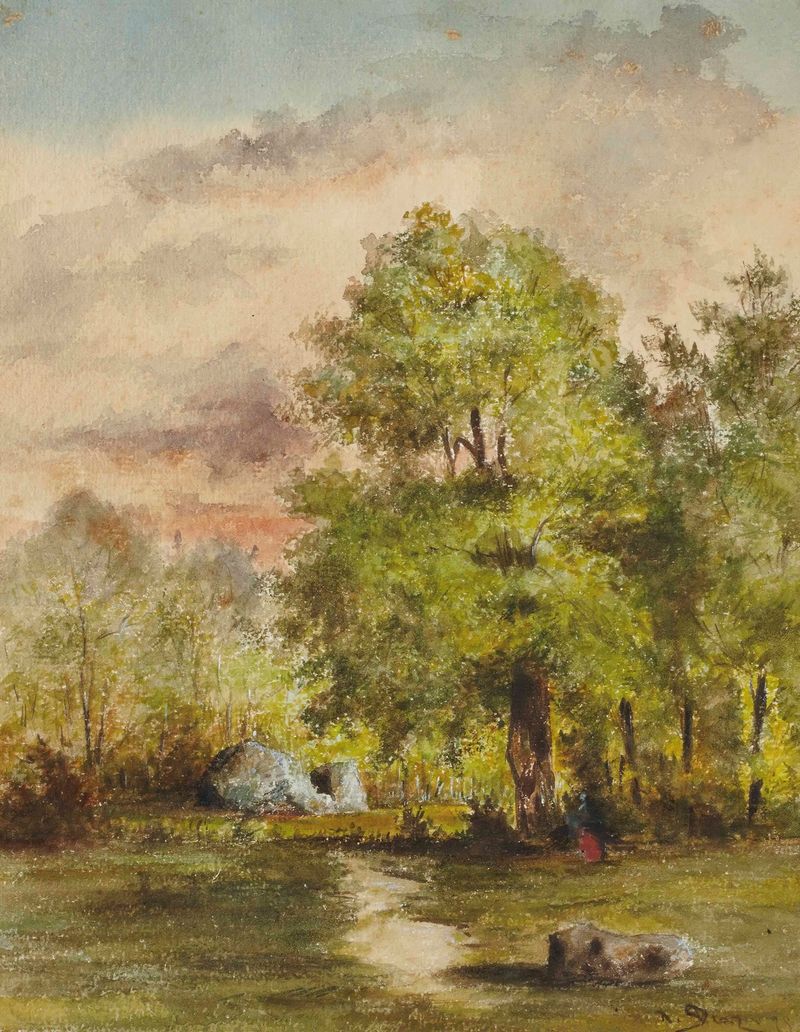
Vue d’une clairière
Narcisse-Virgile Diaz de La Peña

Pond in the Woods
Narcisse-Virgile Diaz de La Peña
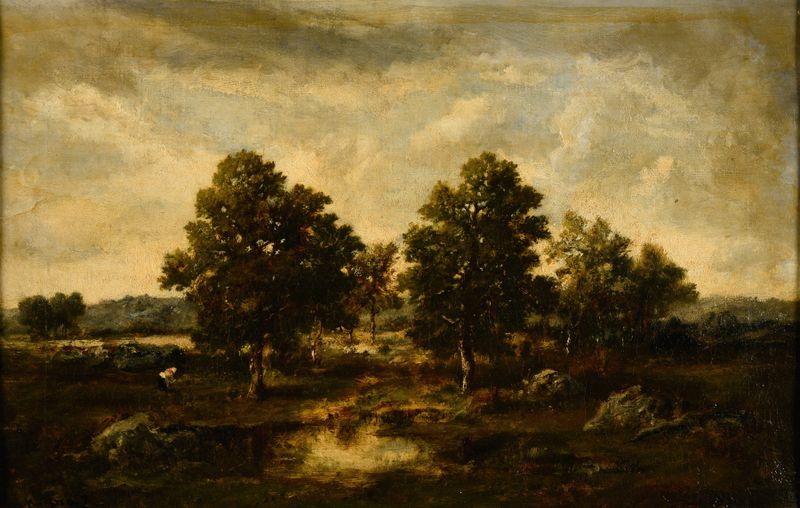
Mare dans une lande
Narcisse-Virgile Diaz de La Peña
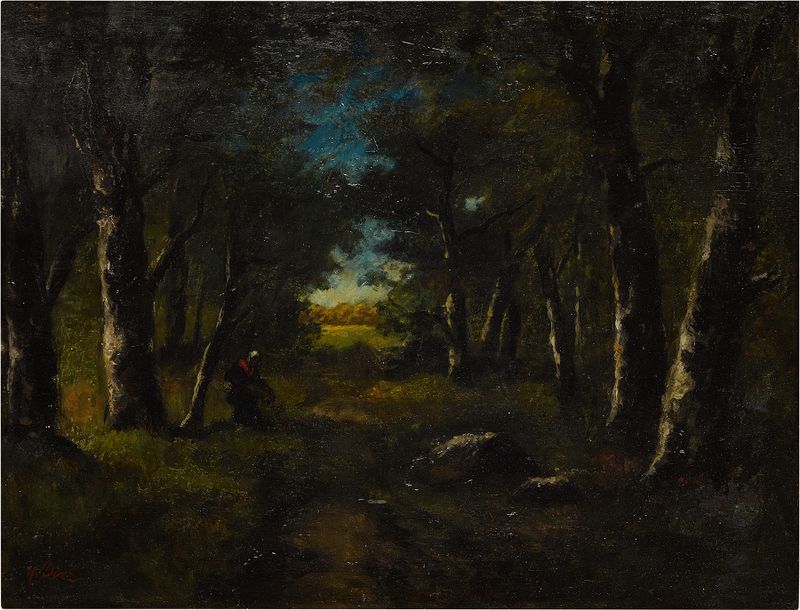
Foraging in the Forest
Narcisse-Virgile Diaz de La Peña
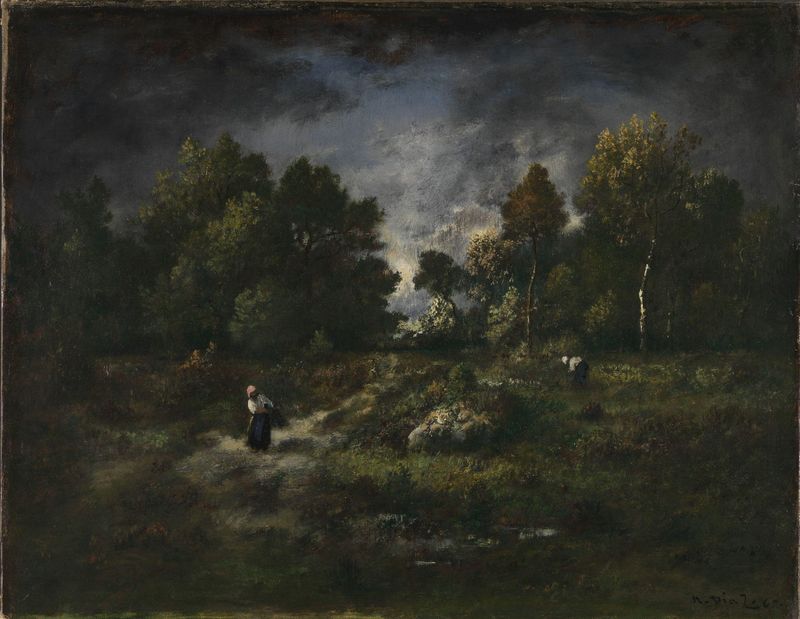
Faggot Gatherers in a Wooden Landscape
Narcisse-Virgile Diaz de La Peña
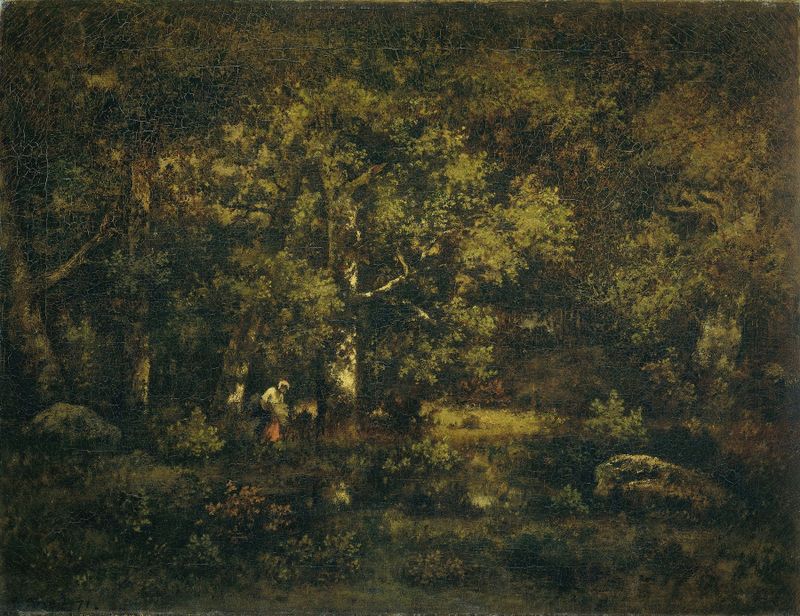
The Forest of Fontainebleau
Narcisse-Virgile Diaz de La Peña

Sous-bois
Narcisse-Virgile Diaz de La Peña





