
La Batie — History & Facts
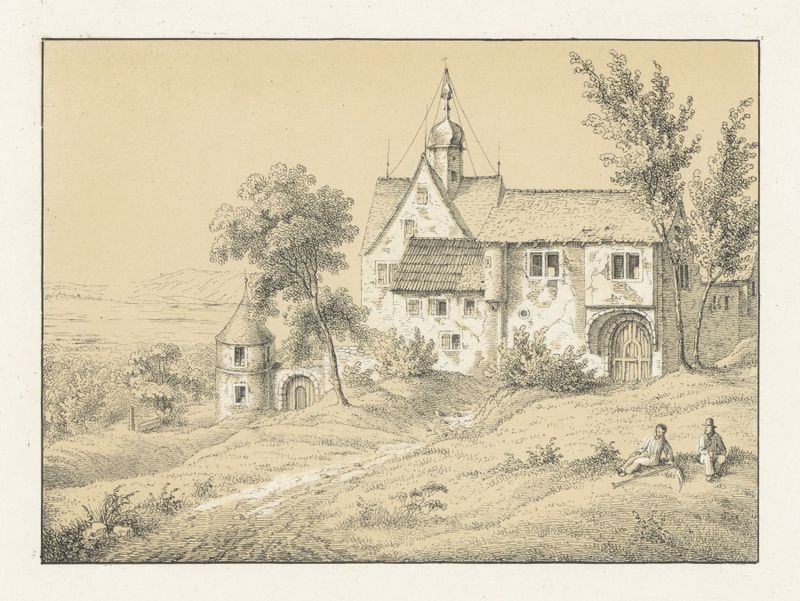
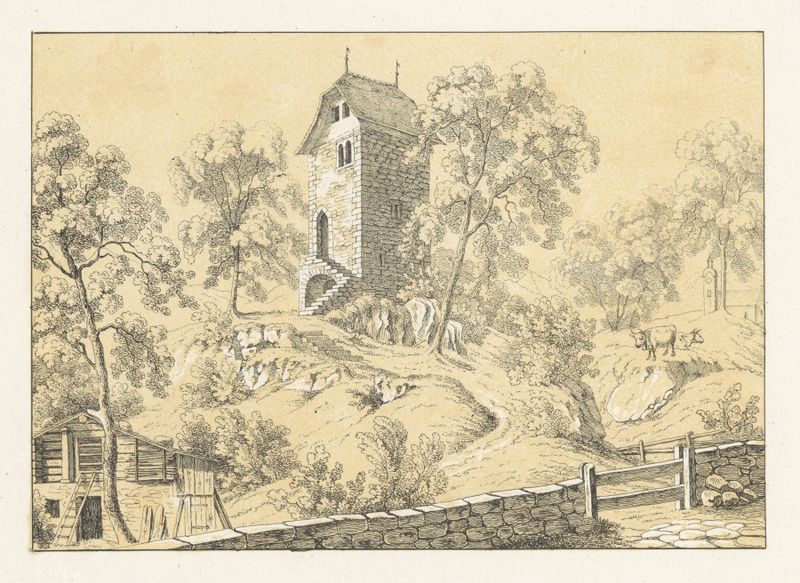
In the quiet world of La Batie, a legacy unfolds through the delicate interplay of light and color, whispering the stories of those who came before us. Look to the center of the canvas, where the pastoral landscape breathes life into the scene, inviting you to step into its embrace. The rolling hills, painted in soft greens and warm ochres, create a harmonious backdrop for the quaint structure nestled among them. Notice how the sunlight caresses the rooftops, casting gentle shadows that accentuate the contours of the architecture, while hints of blue in the sky tease the boundaries of reality and dream. Within this serene setting, contrasts emerge: the stillness of the landscape grips a muted melancholy, suggesting the passage of time and the weight of history.
The dwelling stands as a testament to resilience, embodying the lives lived within, yet it also reflects the transient nature of existence as nature encroaches. Each brushstroke seems to hold the echoes of laughter, sorrow, and love, urging the viewer to ponder their own connection to the past. During the years between 1840 and 1844, the artist immersed himself in the themes of memory and environment, painting from a place of introspection in Germany. It was a time when the Romantic movement was flourishing, emphasizing emotion and nature's beauty.
In the midst of this cultural shift, the work captures not just a scene, but a reverent acknowledgment of legacy, as the artist sought to intertwine his personal experiences with universal truths.
More Artworks by Johann Friedrich Wagner
Browse all →
Chillon
Johann Friedrich Wagner

Valangin
Johann Friedrich Wagner
Greifenstein
Johann Friedrich Wagner

Vorburg
Johann Friedrich Wagner
Delémont
Johann Friedrich Wagner

Pleujouse
Johann Friedrich Wagner

Challay
Johann Friedrich Wagner
Mont Salvant
Johann Friedrich Wagner
Aha. Od. Untere Burg von Sarnen
Johann Friedrich Wagner
Lausanne
Johann Friedrich Wagner





