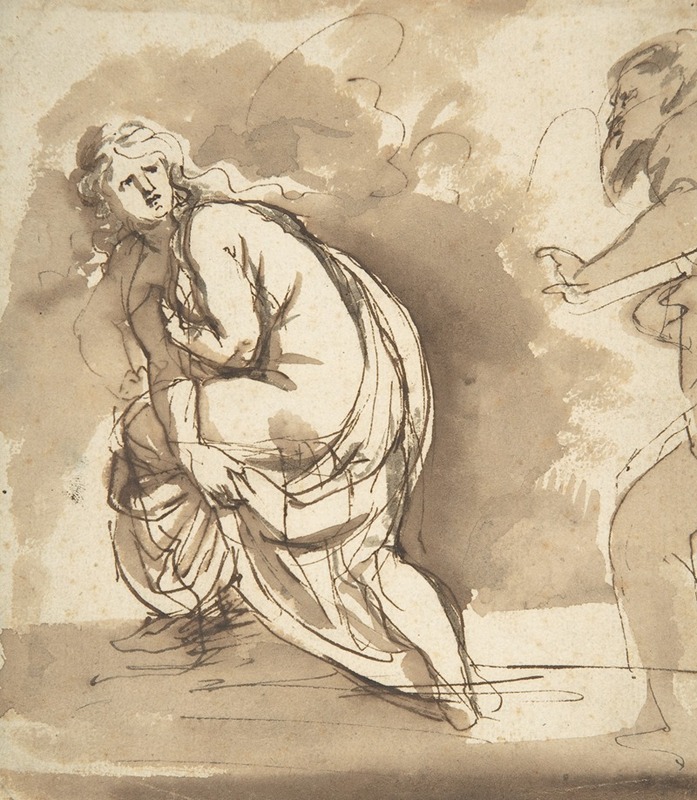
Discover insights about this artwork
La Chute d´Icare — History & Facts
In La Chute d'Icare, Henri Matisse uses vibrant colors to depict the myth of Icarus. The painting features a bright blue sky and a landscape filled with greens and yellows. Icarus is shown falling, while the surrounding figures seem indifferent to his plight.
This contrast highlights the theme of isolation in the face of tragedy. The painting is executed in oil on canvas, showcasing Matisse's signature bold use of color. The brushwork is fluid and expressive, typical of his modernist style. The composition balances the figure of Icarus with the surrounding scenery, drawing the viewer's eye across the canvas.
The dimensions are approximately 100 x 150 cm. Henri Matisse created La Chute d'Icare in the 1940s, during a period of experimentation with color and form. This work reflects his interest in mythology and the human condition. An interesting fact is that Matisse often used cut paper to create collages, which influenced his painting style.
This piece exemplifies his ability to convey emotion through color and composition.
More Artworks by Henri Matisse
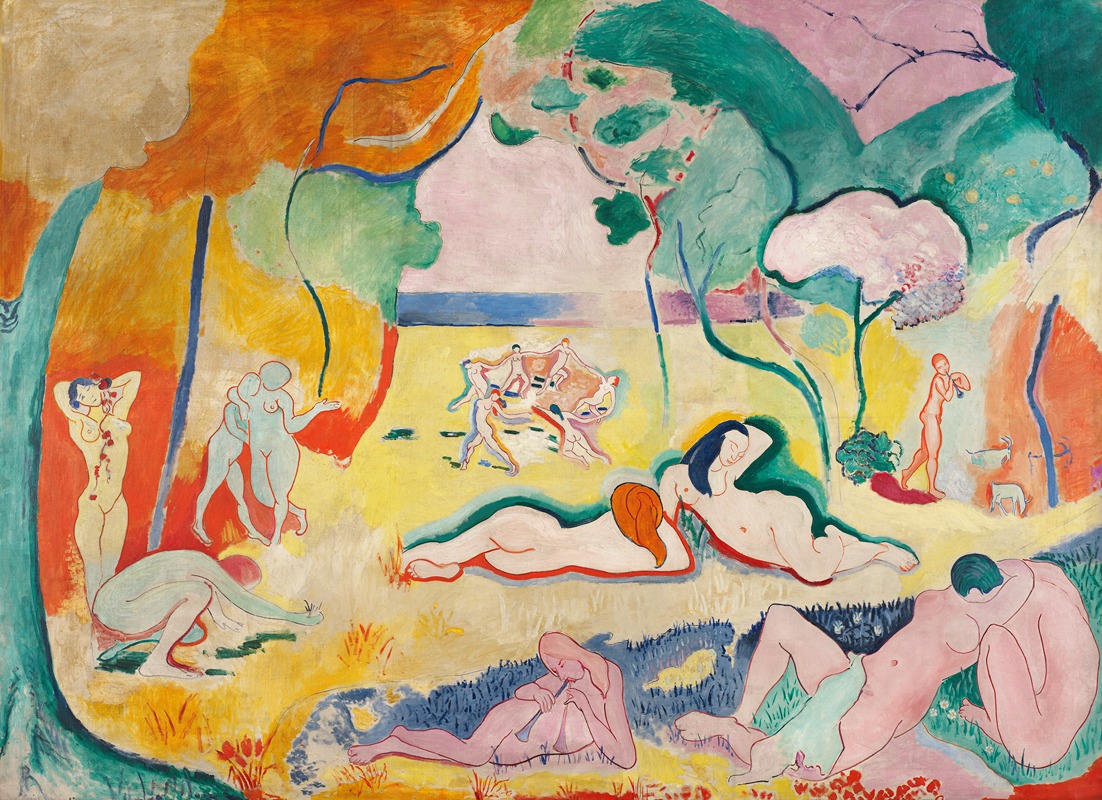
Le Bonheur de vivre, also called The Joy of Life
Henri Matisse
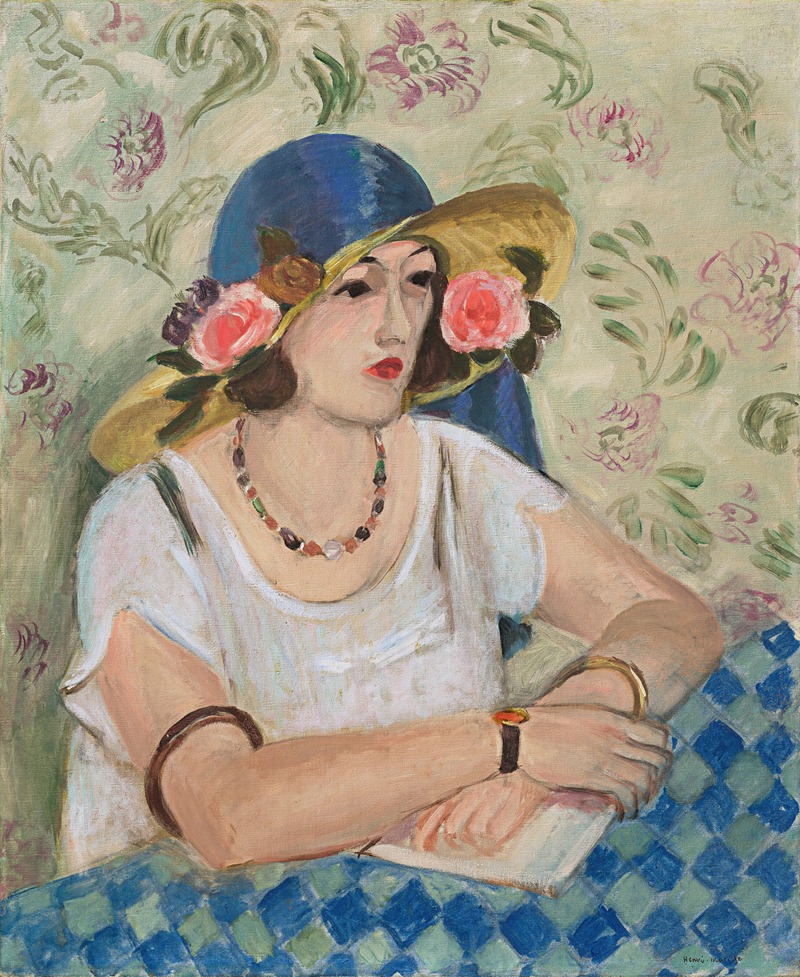
Femme au chapeau fleuri
Henri Matisse
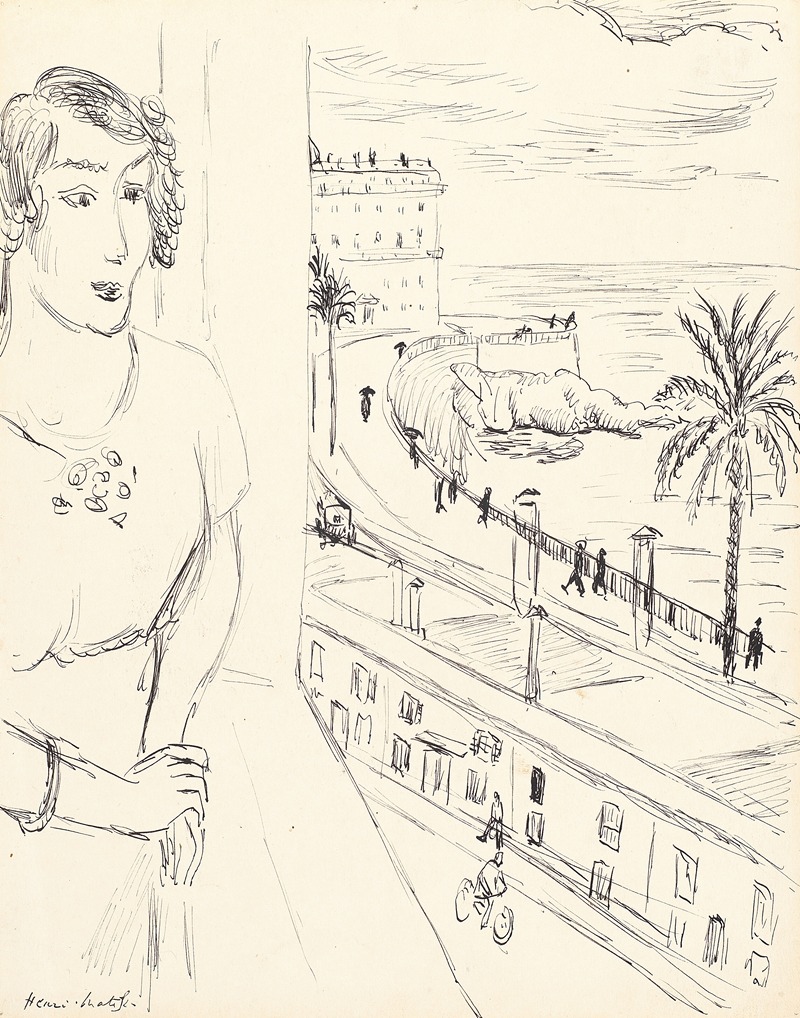
Femme près de la fenêtre, Nice
Henri Matisse
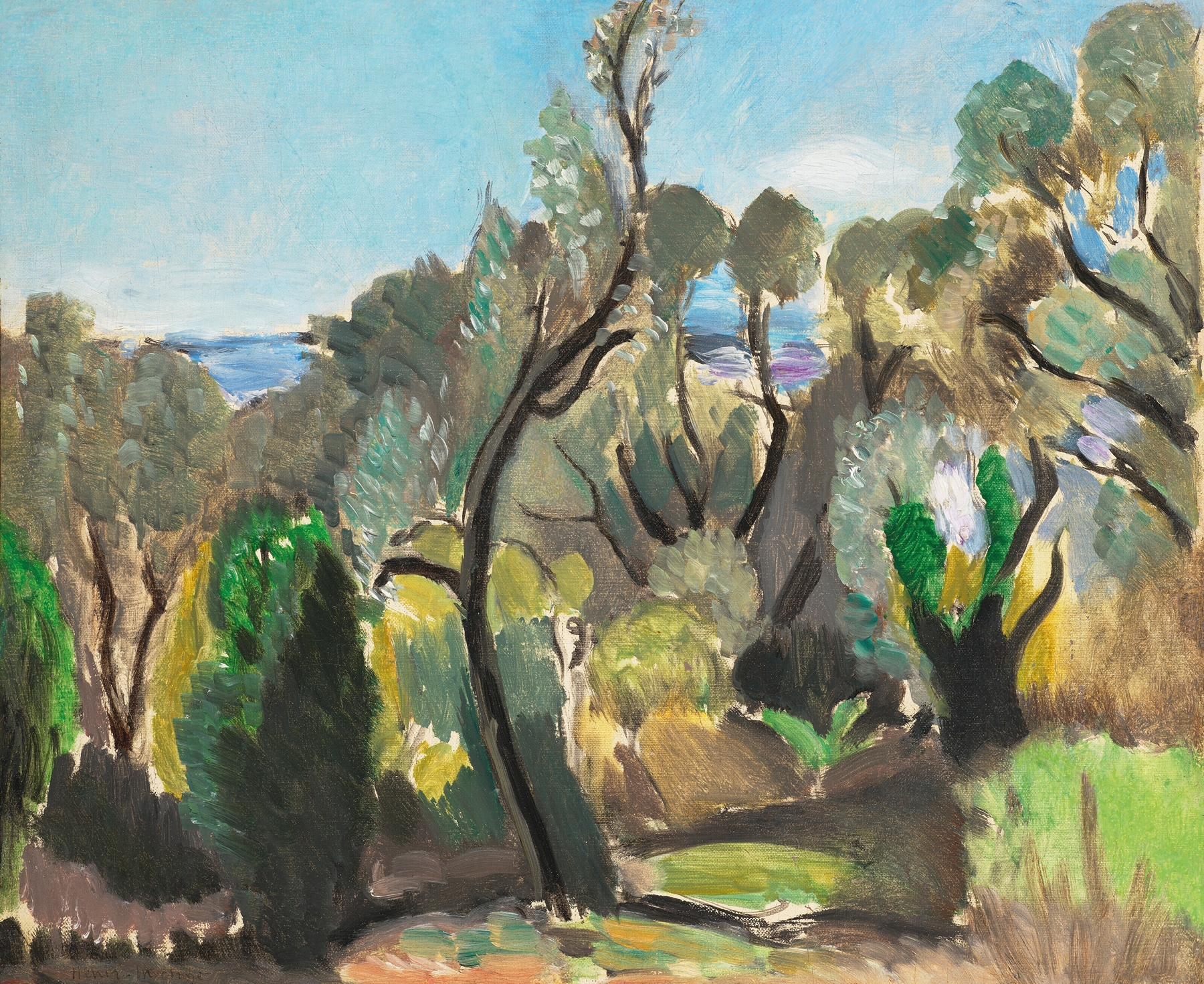
Paysage aux environs de Nice ou Les Oliviers ou Coin du Mont-Boron
Henri Matisse
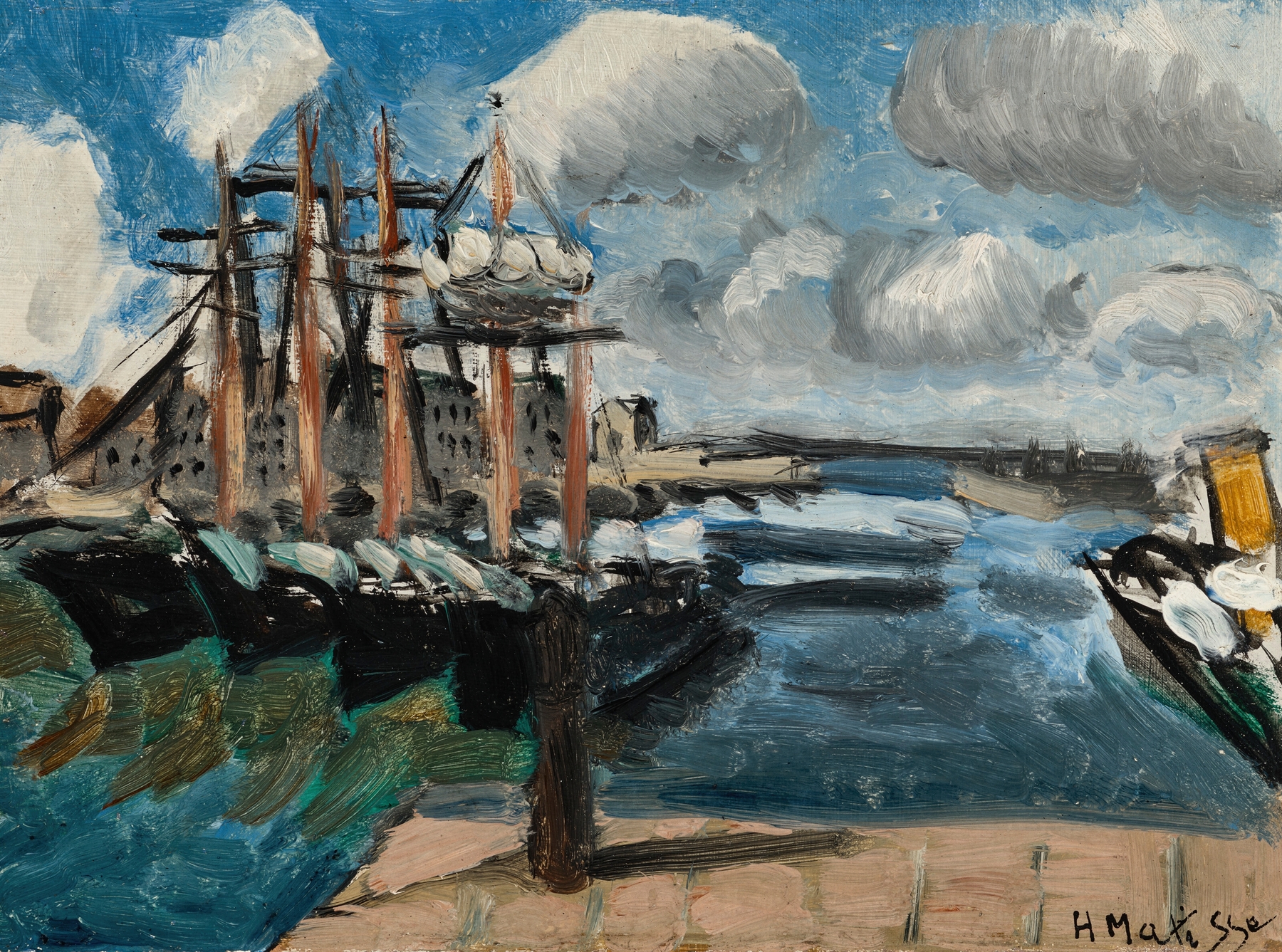
Port de Cherbourg
Henri Matisse
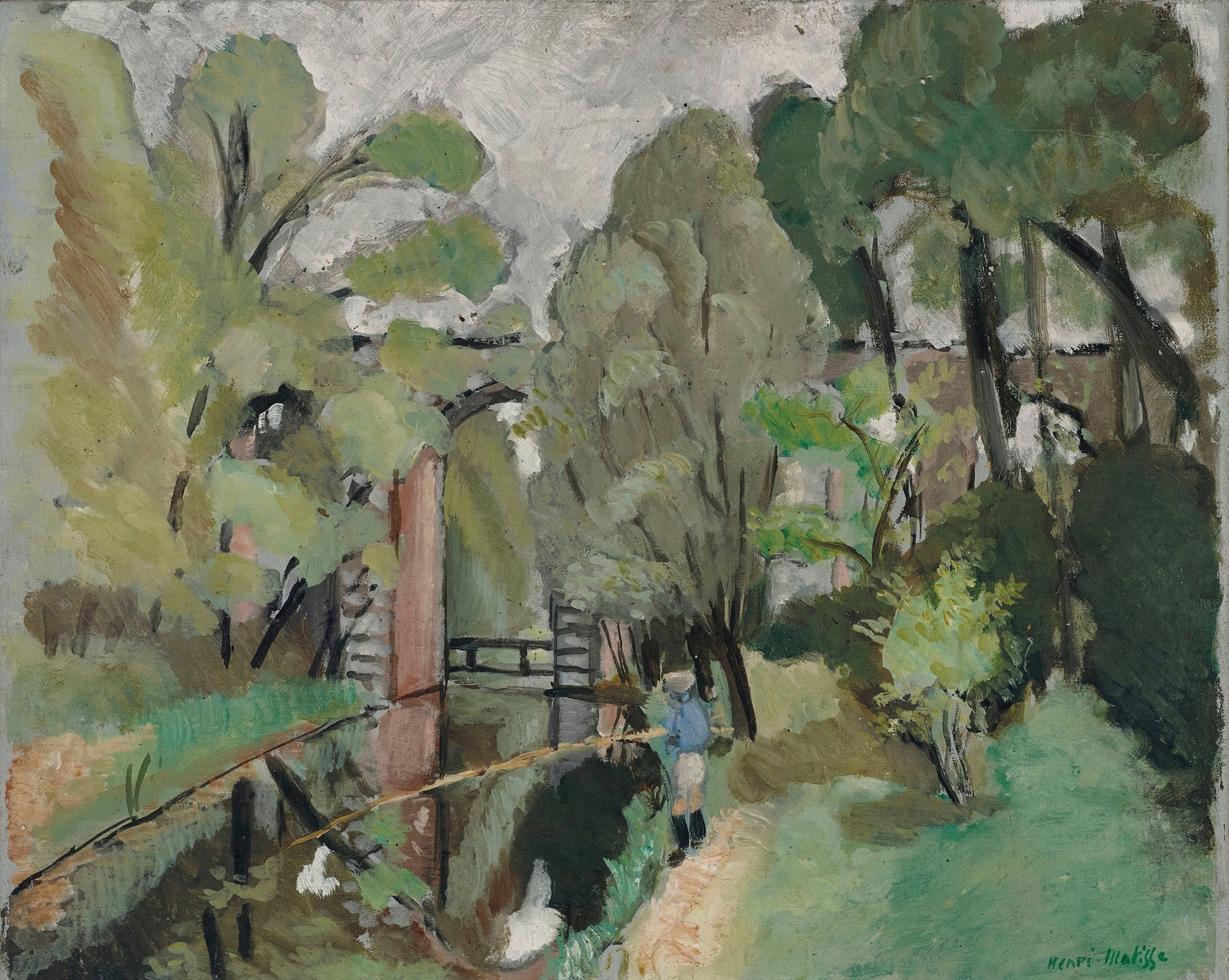
Le Petit pêcheur, Maintenon
Henri Matisse
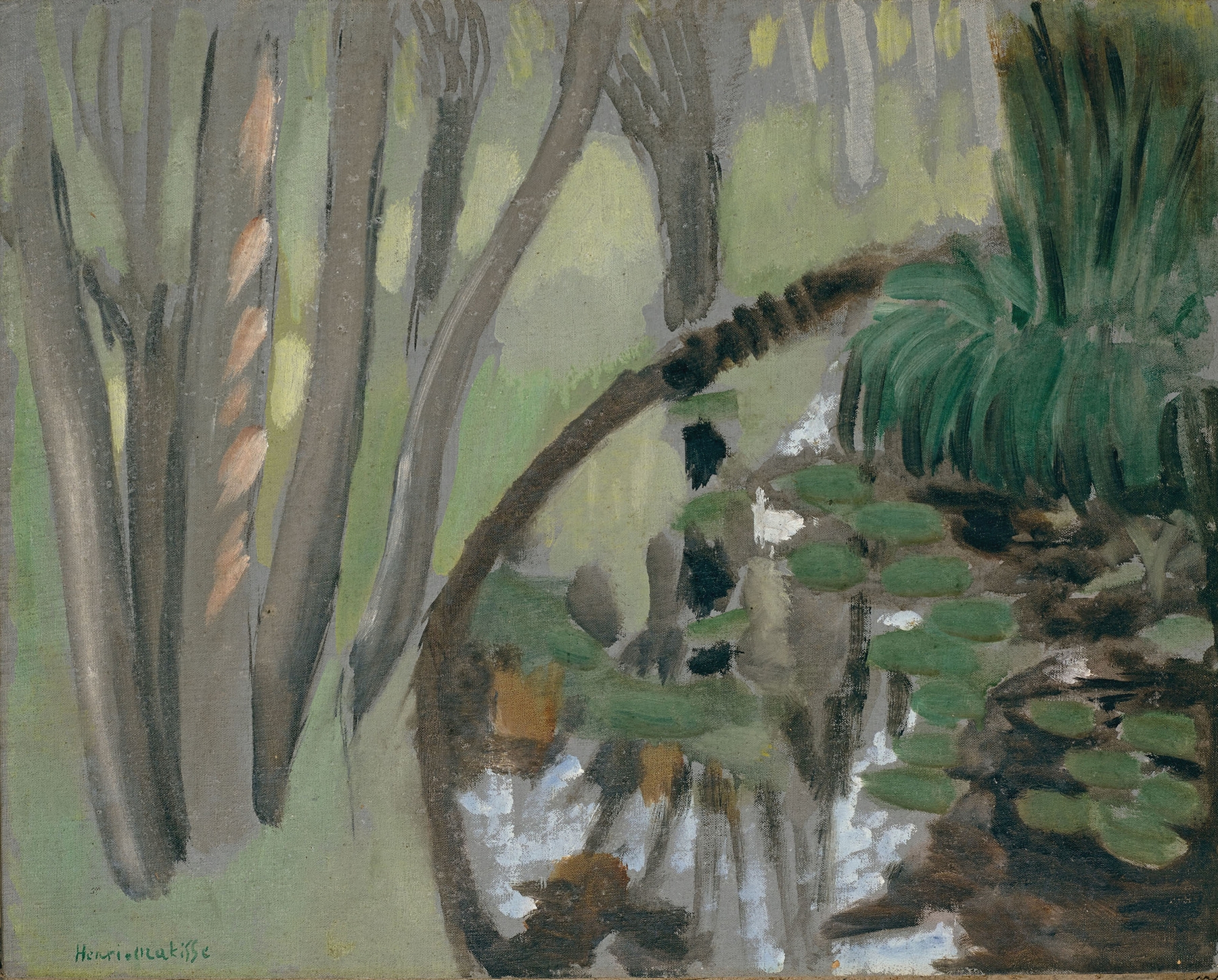
Le ruisseau, Maintenon
Henri Matisse
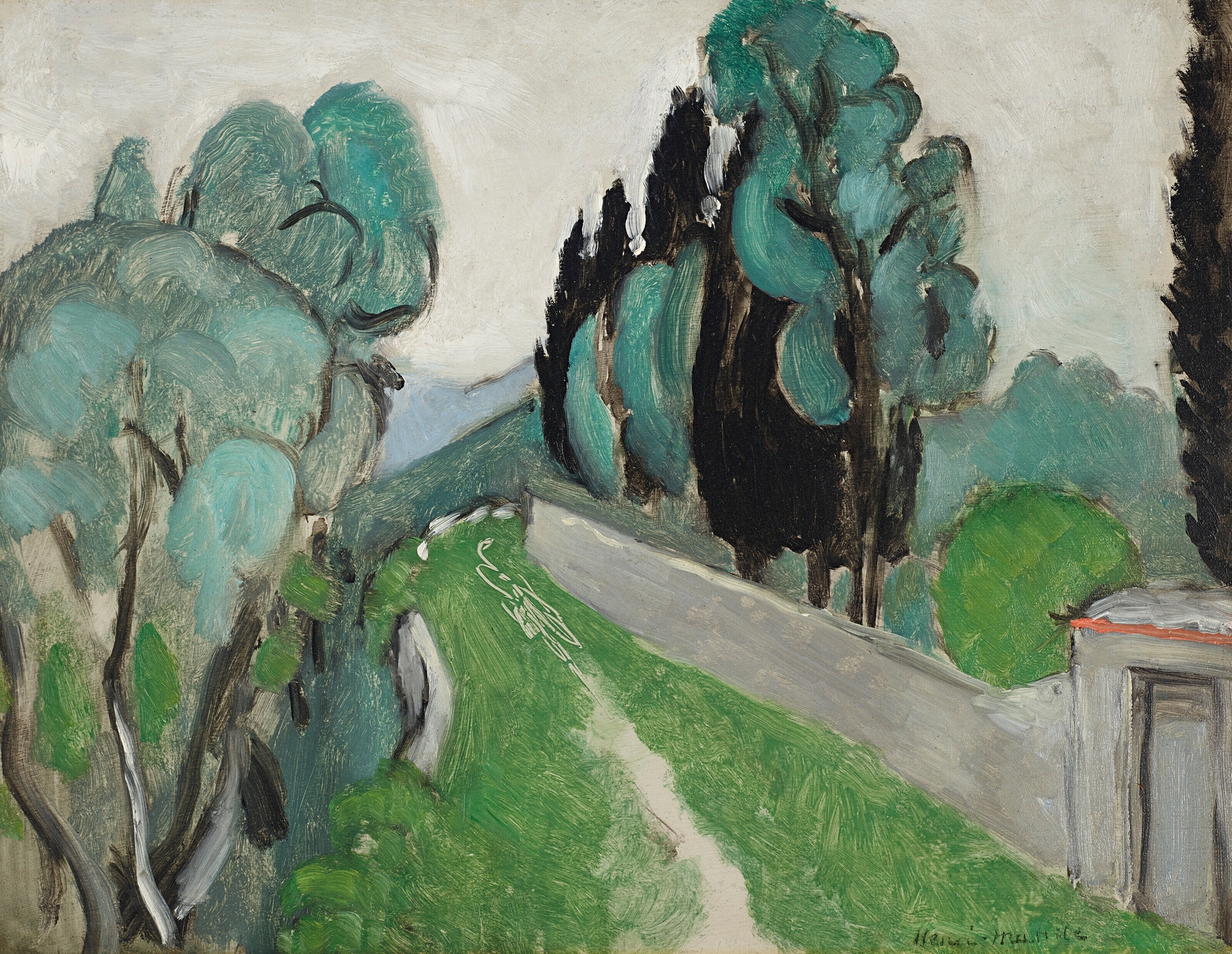
Paysage avec cyprès et oliviers aux environs de Nice
Henri Matisse
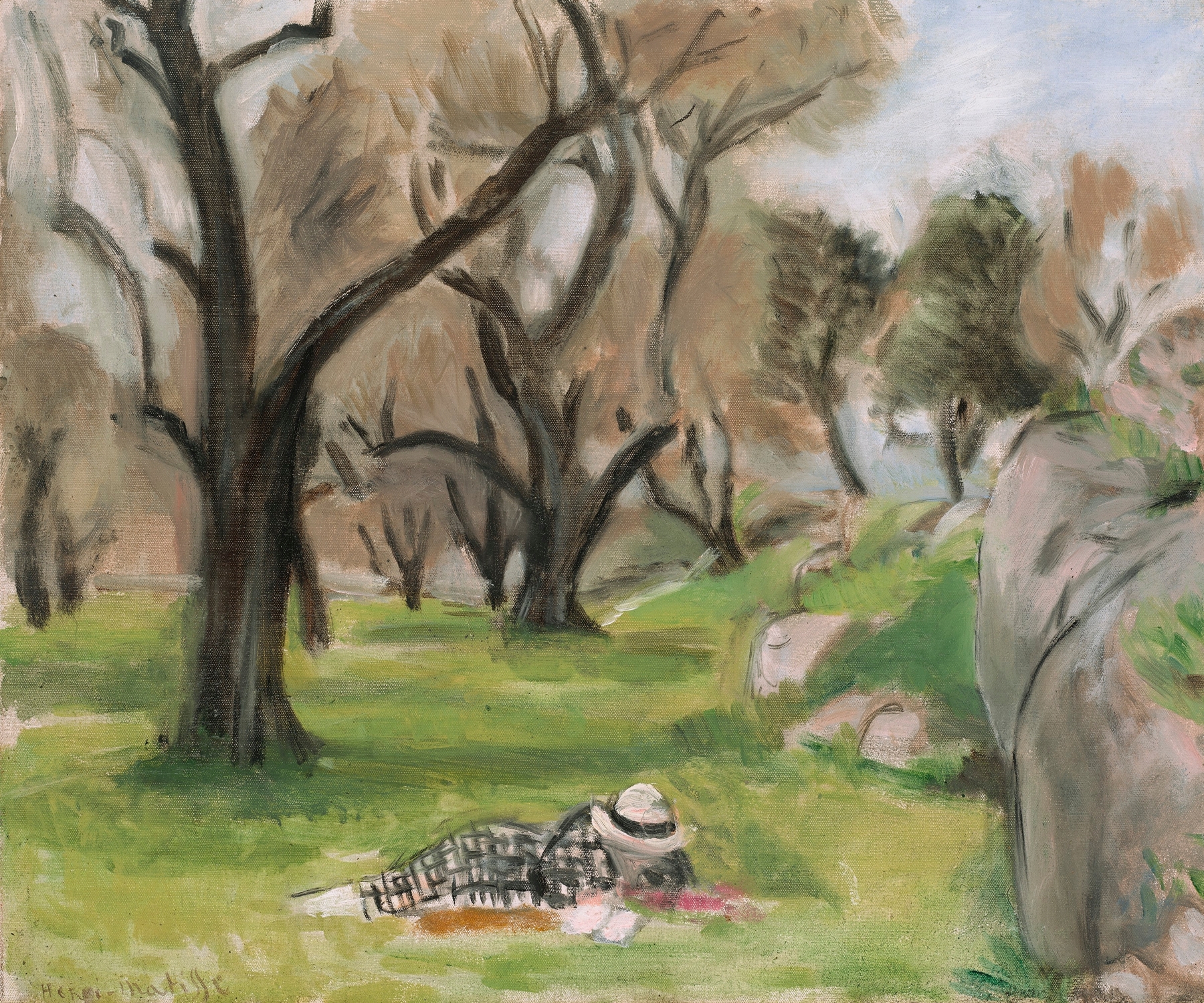
Paysage du Midi
Henri Matisse
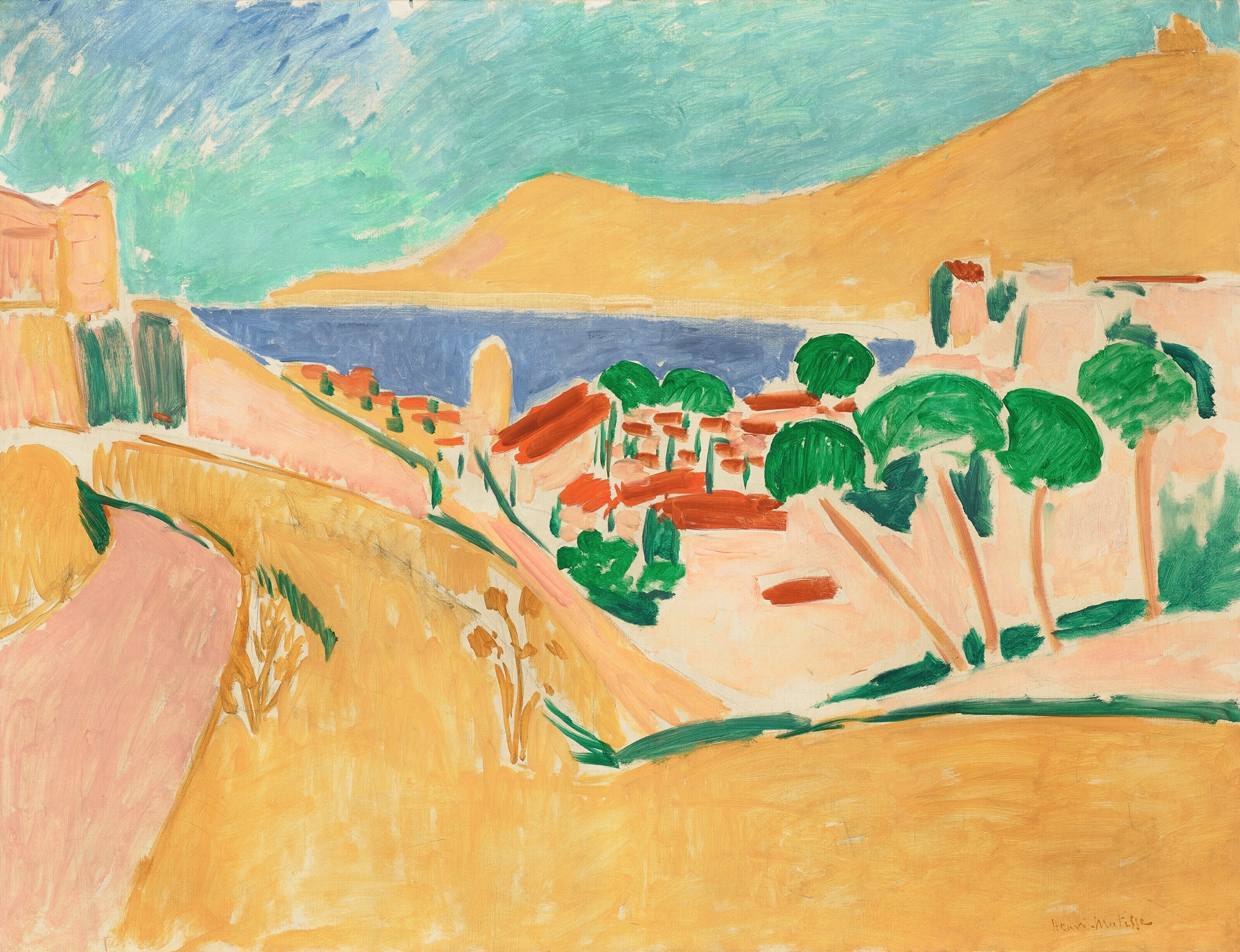
Collioure en août
Henri Matisse