
La Grande Jatte (Study VII) — History & Facts
Few studies in art history have attracted as much attention as La Grande Jatte (Study VII), one of a remarkable series of preparatory works by Georges Seurat for his iconic A Sunday Afternoon on the Island of La Grande Jatte. What makes this particular study fascinating is its role in Seurat’s meticulous process: he produced dozens of oil sketches and drawings between 1884 and 1886, each refining his vision of modern leisure on the banks of the Seine. This seventh study is often cited by scholars as a turning point, where Seurat began to solidify the composition and experiment more boldly with the technique that would become known as Pointillism.
The sheer number of these studies—over thirty—testifies to Seurat’s scientific approach and the intensity of his preparation. The scene captures a tranquil afternoon on the Île de la Grande Jatte, a popular escape for Parisians in the late 19th century. In this study, figures lounge and stroll under the shade of trees, their forms rendered in small, distinct touches of color. The woman with the parasol, a recurring motif, stands out against the dappled light, her silhouette both elegant and enigmatic.
Seurat’s careful placement of each figure and his use of color theory—placing complementary hues side by side—invite the eye to linger over each detail, constructing the scene from shimmering points. Unlike the looser, more atmospheric studies by Claude Monet of similar riverside leisure, Seurat’s approach is analytical, building order from the chaos of modern life. The precise provenance of La Grande Jatte (Study VII) is not fully documented, as is common with many of Seurat’s preparatory works. It likely remained in the artist’s studio until his early death in 1891, after which several studies entered private collections and museums.
Today, this work stands as a testament to Seurat’s relentless pursuit of a new visual language, bridging Impressionism and the emerging Neo-Impressionist movement. Its survival offers a rare glimpse into the artist’s working method and the evolution of one of the most influential paintings of the 19th century.
More Artworks by Georges Seurat
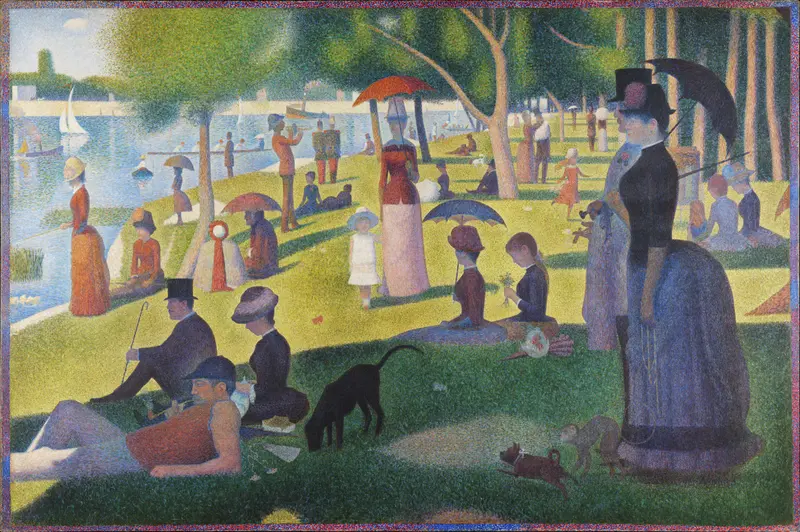
A Sunday Afternoon on the Island of La Grande Jatte
Georges Seurat
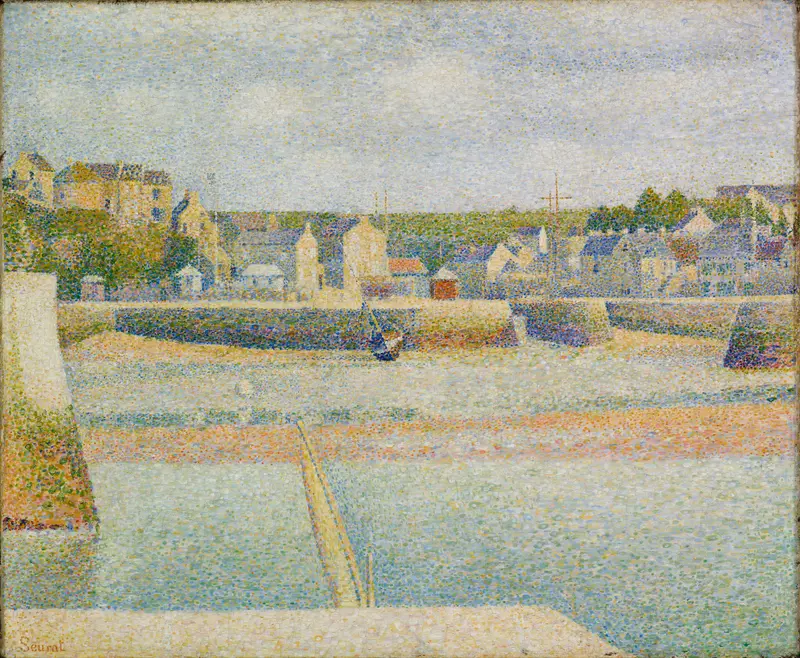
Port-en-Bessin, The Outer Harbor (Low Tide)
Georges Seurat
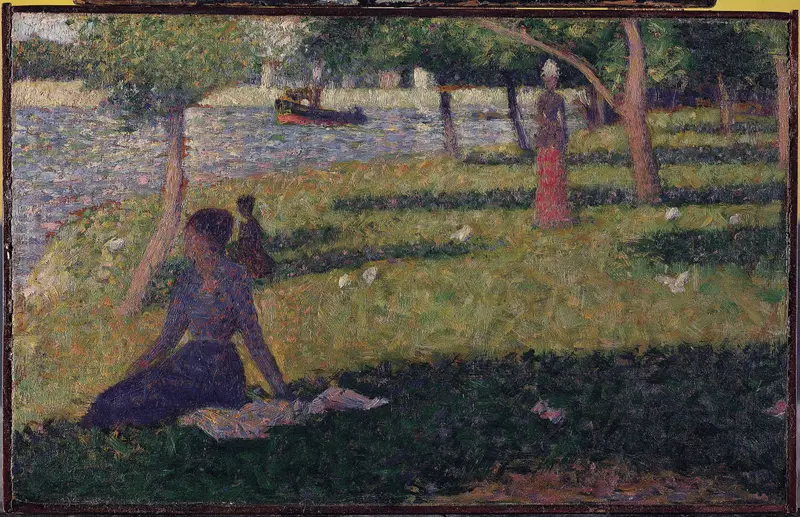
Étude pour ‘La Grande Jatte’ (Study for ‘La Grande Jatte’)
Georges Seurat
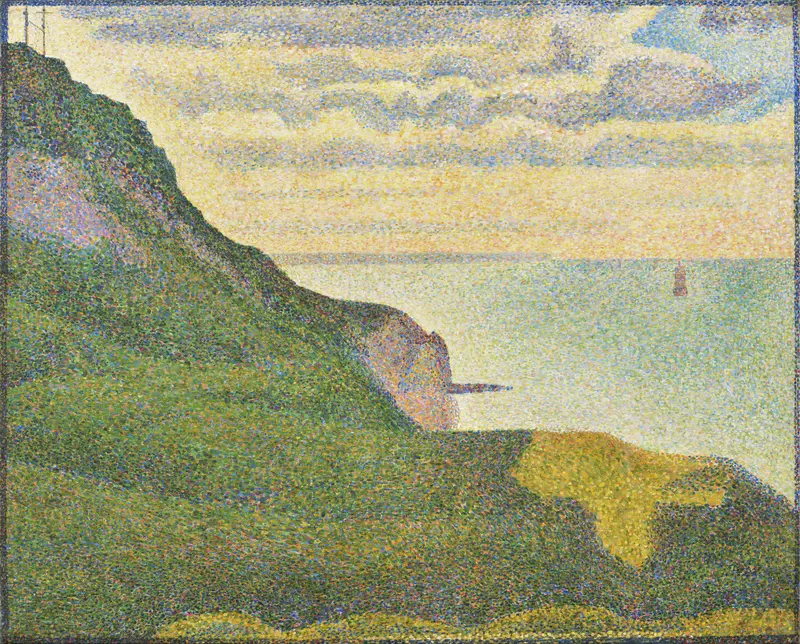
Seascape at Port-en-Bessin,Normandy
Georges Seurat
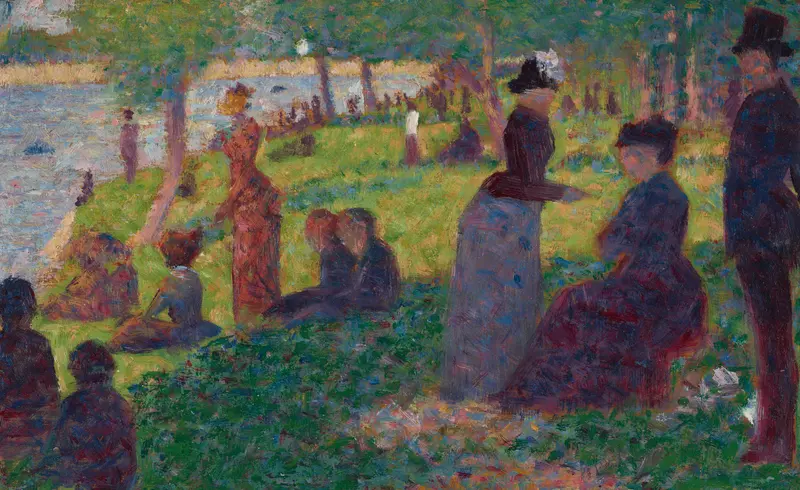
Oil Sketch for "A Sunday on La Grande Jatte — 1884"
Georges Seurat
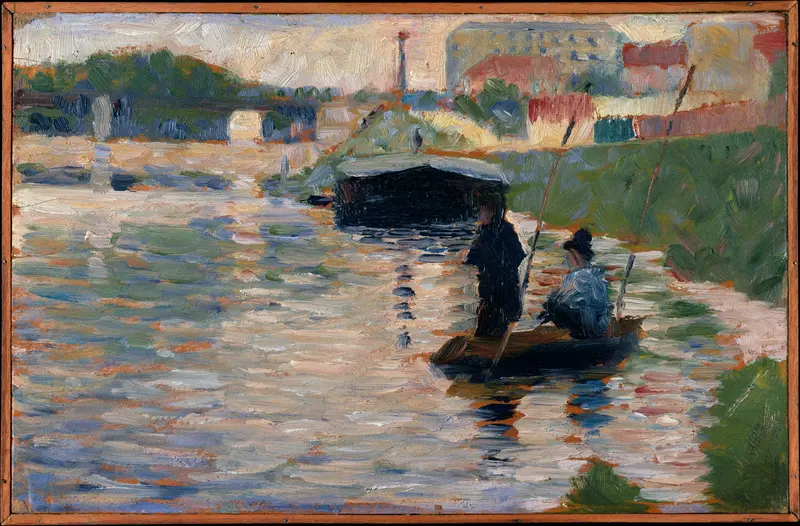
View of the Seine
Georges Seurat
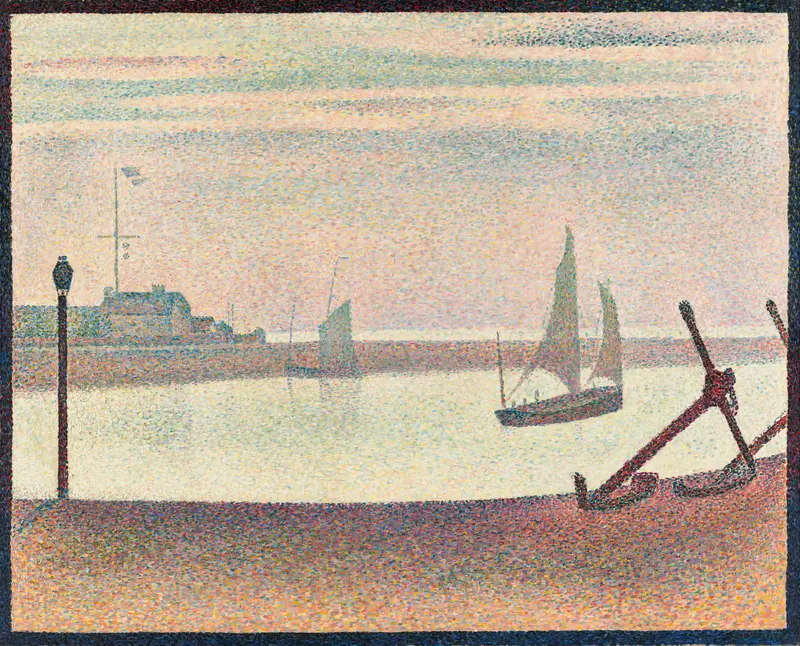
The Channel at Gravelines, Evening
Georges Seurat
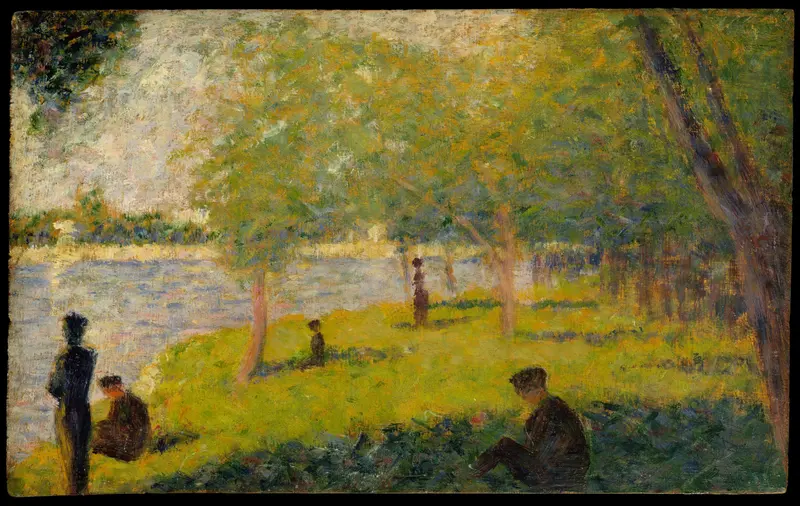
Study for ‘A Sunday on La Grande Jatte’
Georges Seurat
Study for A Sunday on La Grande Jatte
Georges Seurat
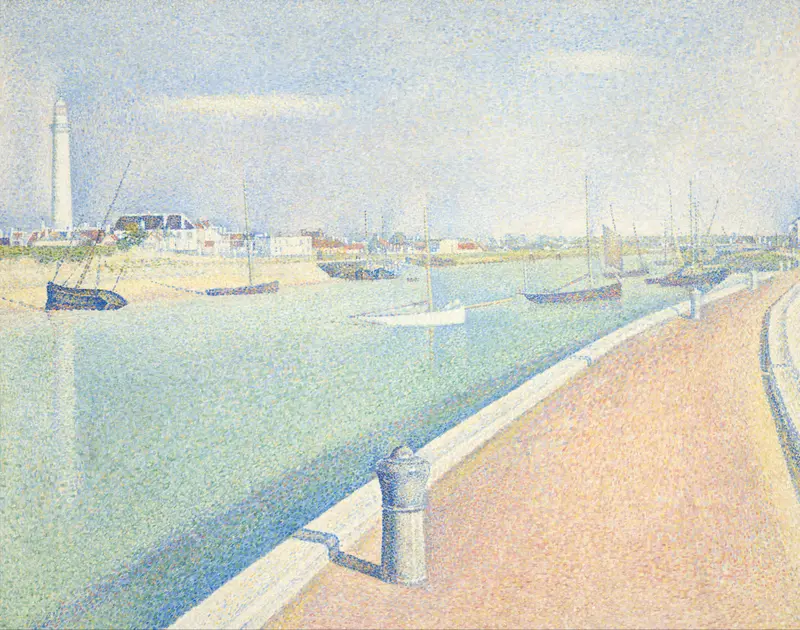
The Channel of Gravelines, Petit Fort Philippe
Georges Seurat
More Genre Scene Art

Banquet of the Officers of the St George Civic Guard
Frans Hals

Rembrandt and Saskia in the Scene of the Prodigal Son
Rembrandt van Rijn

Bal du moulin de la Galette
Pierre-Auguste Renoir

Quadrille at the Moulin Rouge
Henri de Toulouse-Lautrec

A Burial at Ornans
Gustave Courbet

When Will You Marry?
Paul Gauguin