
La mer à l’Estaque — History & Facts
In a world that often rushes forward, the stillness of a moment captured becomes a profound awakening. Focus on the horizon, where the sky and sea meet in a gentle dance of blues and greens. The brushstrokes, thick and deliberate, create a textured surface that breathes with life. Notice how the light refracts on the water, each wave shimmering with a sense of urgency, while the trees on the shore stand steadfast, their forms softened by the sun's golden touch.
It’s a harmonious interplay of color and form, urging the viewer to linger and immerse themselves in the serenity of the landscape. Yet beneath this tranquil facade lies a tension—between the fluidity of nature and the solidity of the land. The juxtaposition of the soft, swirling water against the firm, almost geometric shapes of the trees and hills reflects both chaos and order in the natural world. This contrast evokes feelings of nostalgia and yearning, inviting contemplation on the passage of time and the fleeting moments we grasp. In 1878-1879, the artist created this piece in the south of France, a period marked by his quest for a new visual language that would redefine Impressionism.
The emergence of post-impressionism was stirring, as artists sought to convey personal expression through color and form. For Cézanne, La mer à l’Estaque was not just a scene; it was a step toward a deeper understanding of the world around him, a meditation on what remains amidst the flux of life.
More Artworks by Paul Cezanne
Browse all →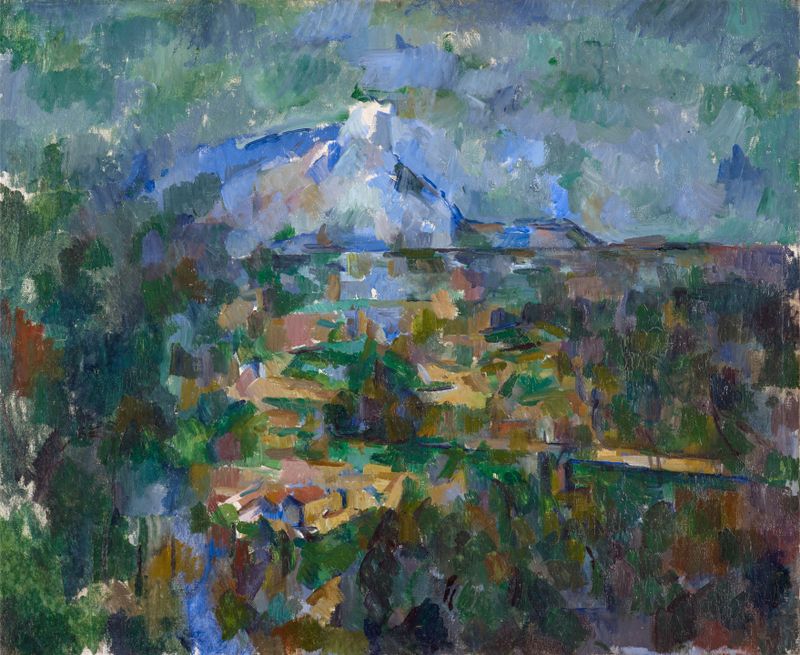
The Mont Sainte-Victoire Seen From Les Lauves
Paul Cezanne
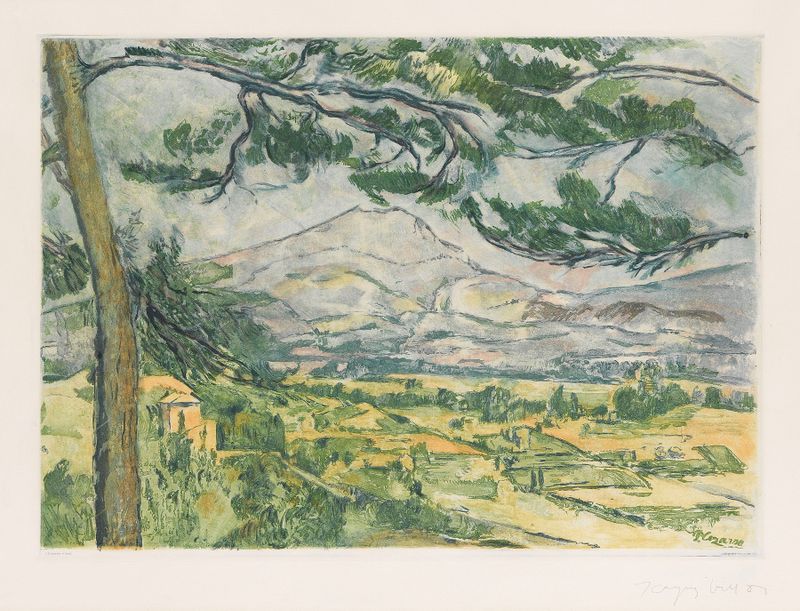
La Montagne Sainte-Victoire
Paul Cezanne
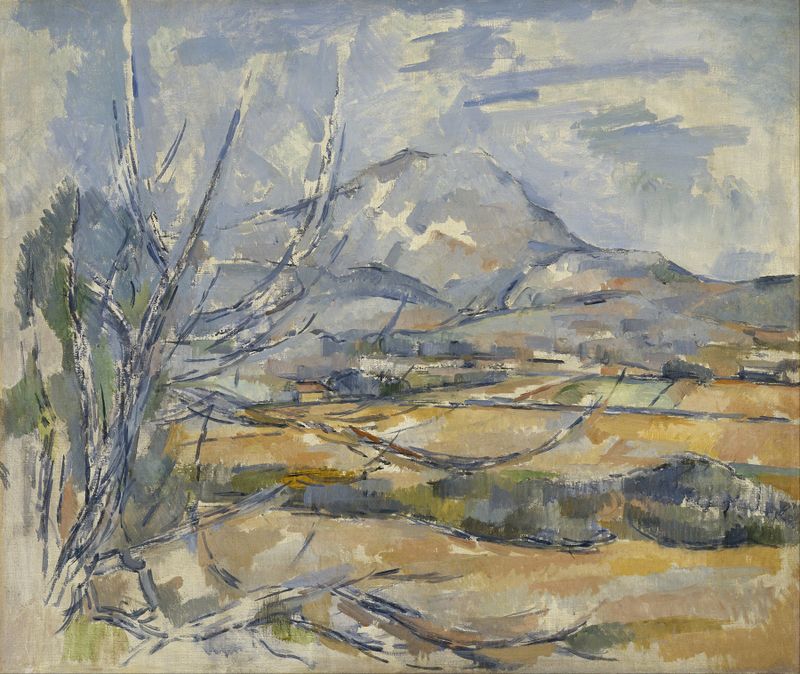
Montagne Sainte-Victoire
Paul Cezanne
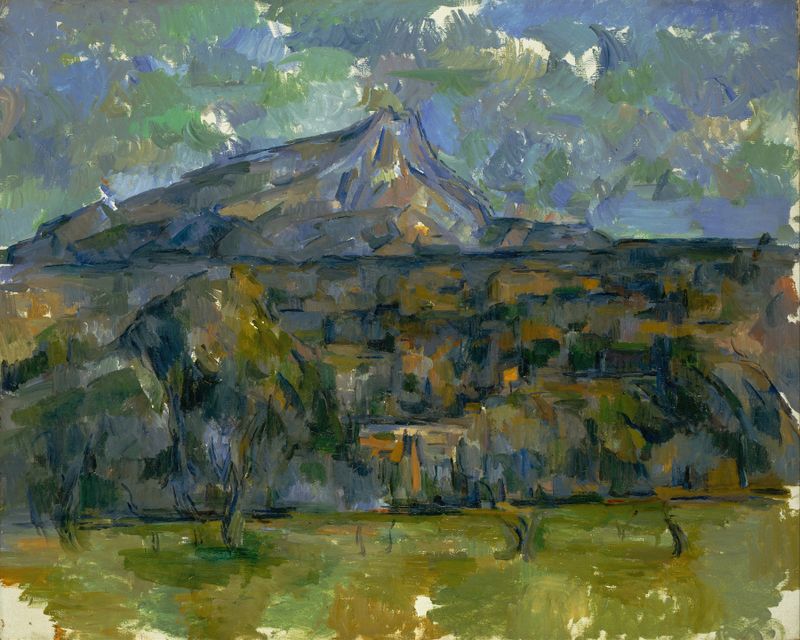
Mont Sainte-Victoire
Paul Cezanne
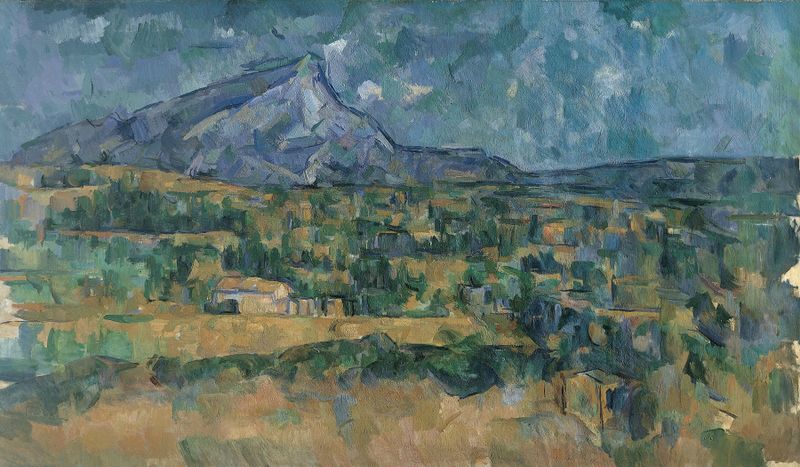
Mont Sainte-Victoire
Paul Cezanne
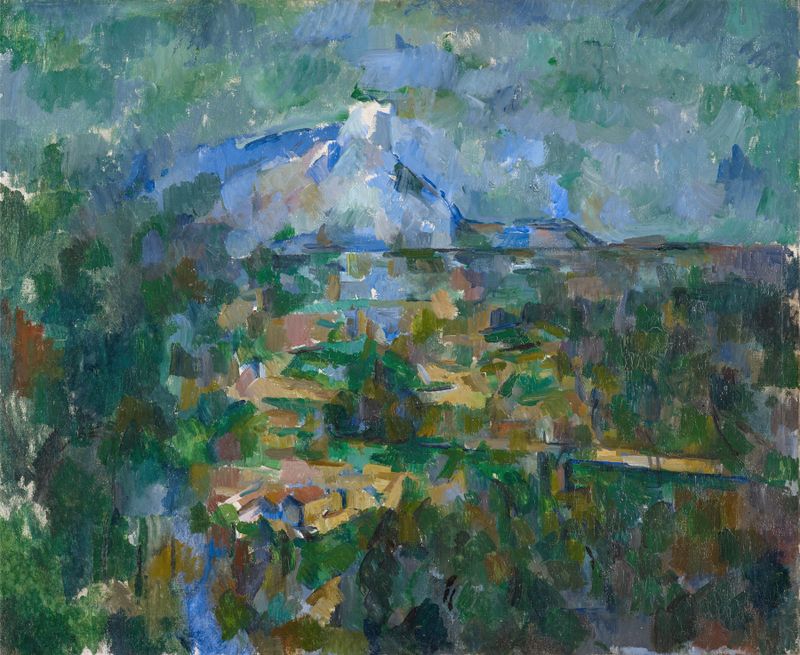
View of Mount Sainte-Victoire from Les Lauves
Paul Cezanne
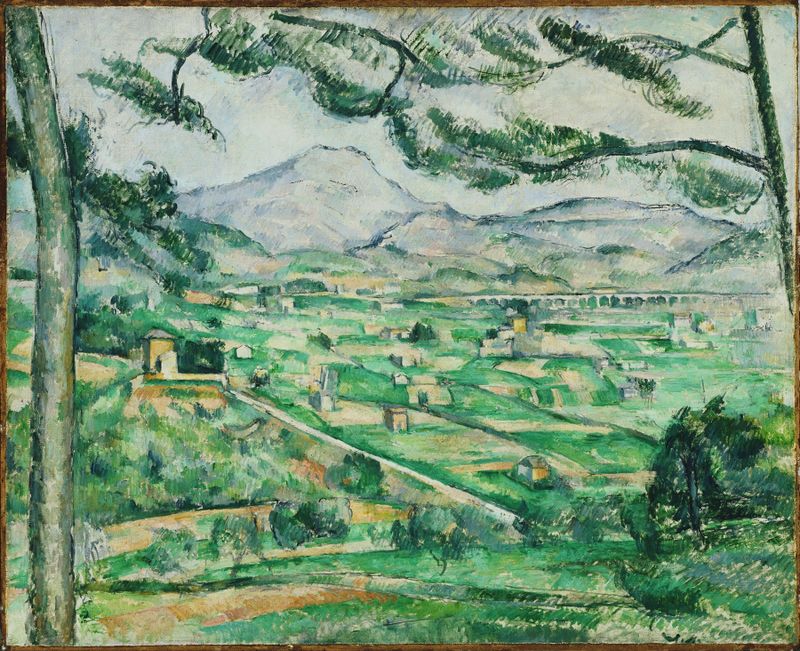
Mont Sainte-Victoire 2
Paul Cezanne

The Basket of Apples
Paul Cezanne

Mount Sainte-Victoire
Paul Cezanne
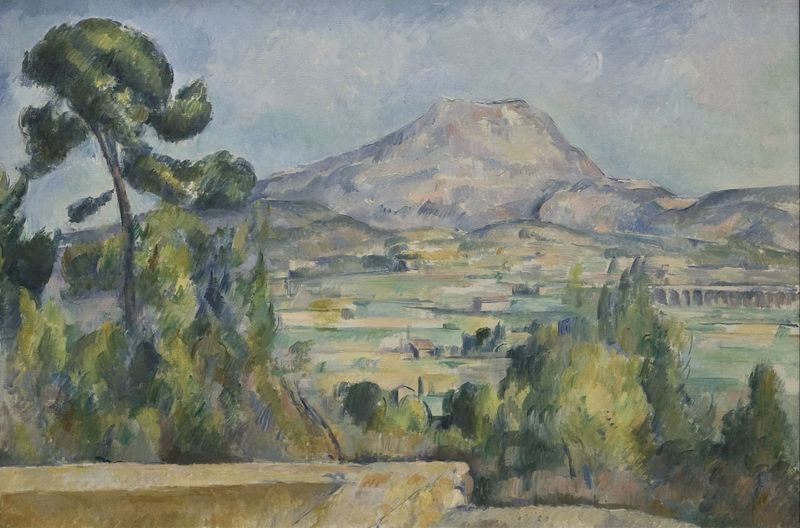
Montagne Saint-Victoire
Paul Cezanne





