
La Pêche à la torche — History & Facts
The first thing that seizes the viewer in La Pêche à la torche is the way fire itself seems to erupt from the canvas, not as a tidy source of light, but as a living, flickering presence that blurs the boundary between night and day. The eye is drawn to the golden bursts that pulse at the heart of the composition, suggesting torches or bonfires that scatter their glow across the tangled forms below. The scene is restless, almost feverish: thick daubs of color—ochres, crimsons, and deep greens—swirl together, giving only fleeting hints of figures, boats, or water.
The paint itself becomes the story, each stroke a gesture toward the chaos and excitement of night fishing by torchlight. Monticelli’s brushwork refuses to settle, keeping the viewer searching for form amid the tumult. Painted around 1870, this work belongs to a world where the boundaries of painting were being tested and redrawn. In the decades before Impressionism would come to dominate French art, artists like Adolphe Joseph Thomas Monticelli were already experimenting with color and texture for their own sake, creating scenes that shimmered more with feeling than with detail.
Such paintings were often made for private collectors eager for novelty and atmosphere, rather than for grand public display. The Musée national des beaux-arts du Québec now holds this painting, a reminder of a moment when artists dared to let light and pigment run wild. Step closer and let your eyes adjust—what begins as confusion soon reveals a world in motion.
More Artworks by Adolphe Monticelli

Portrait of a Lady
Adolphe Monticelli
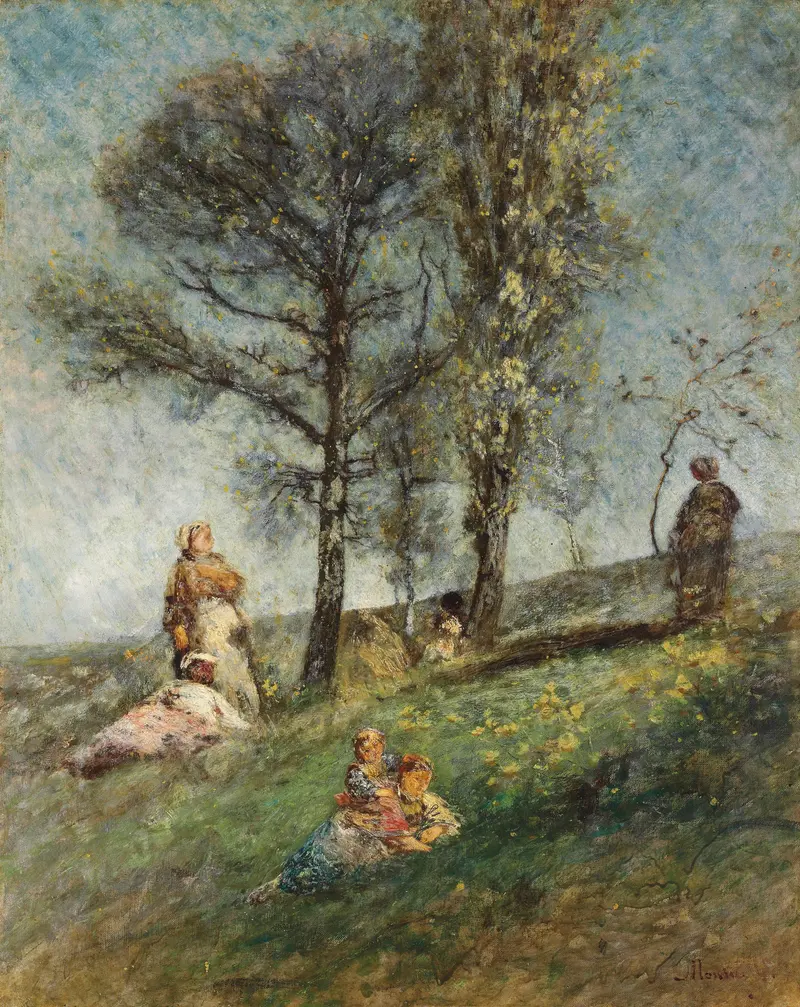
A Young Family Under Trees On A Hill
Adolphe Monticelli

Fête d'Après-Midi
Adolphe Monticelli
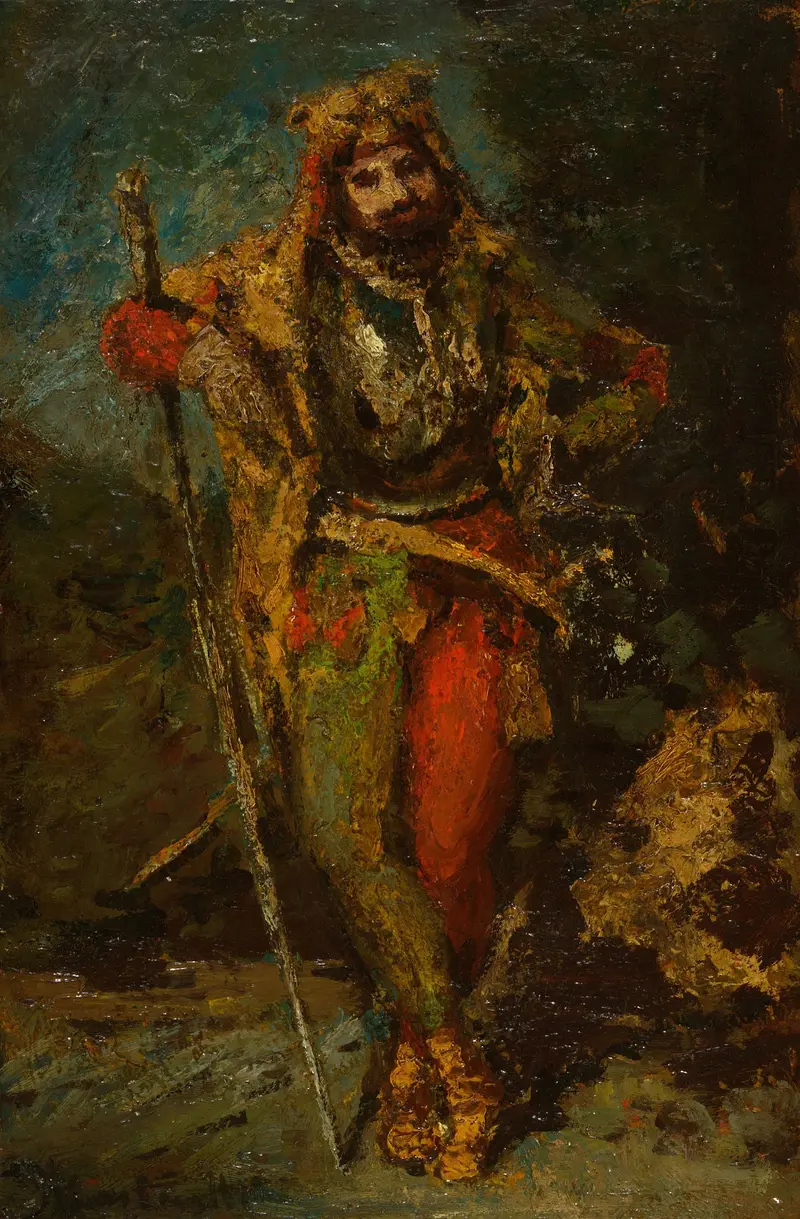
Mephisto from the Opera Faust
Adolphe Monticelli
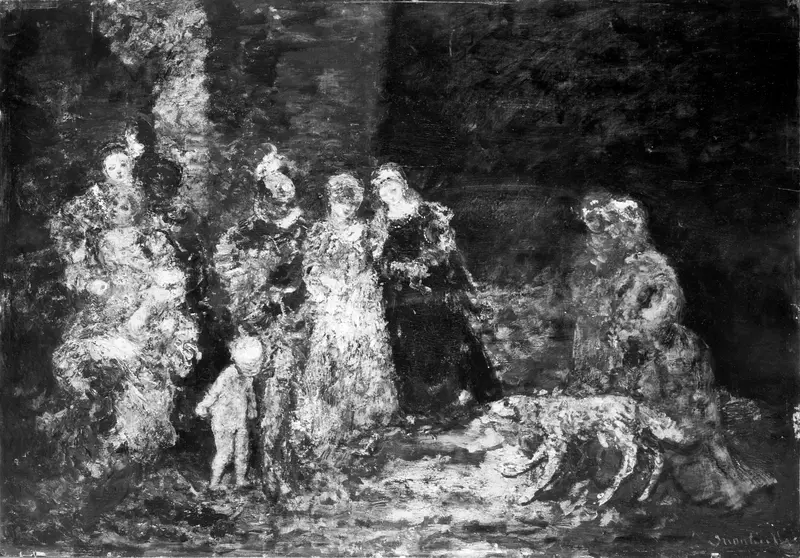
The Fairies
Adolphe Monticelli
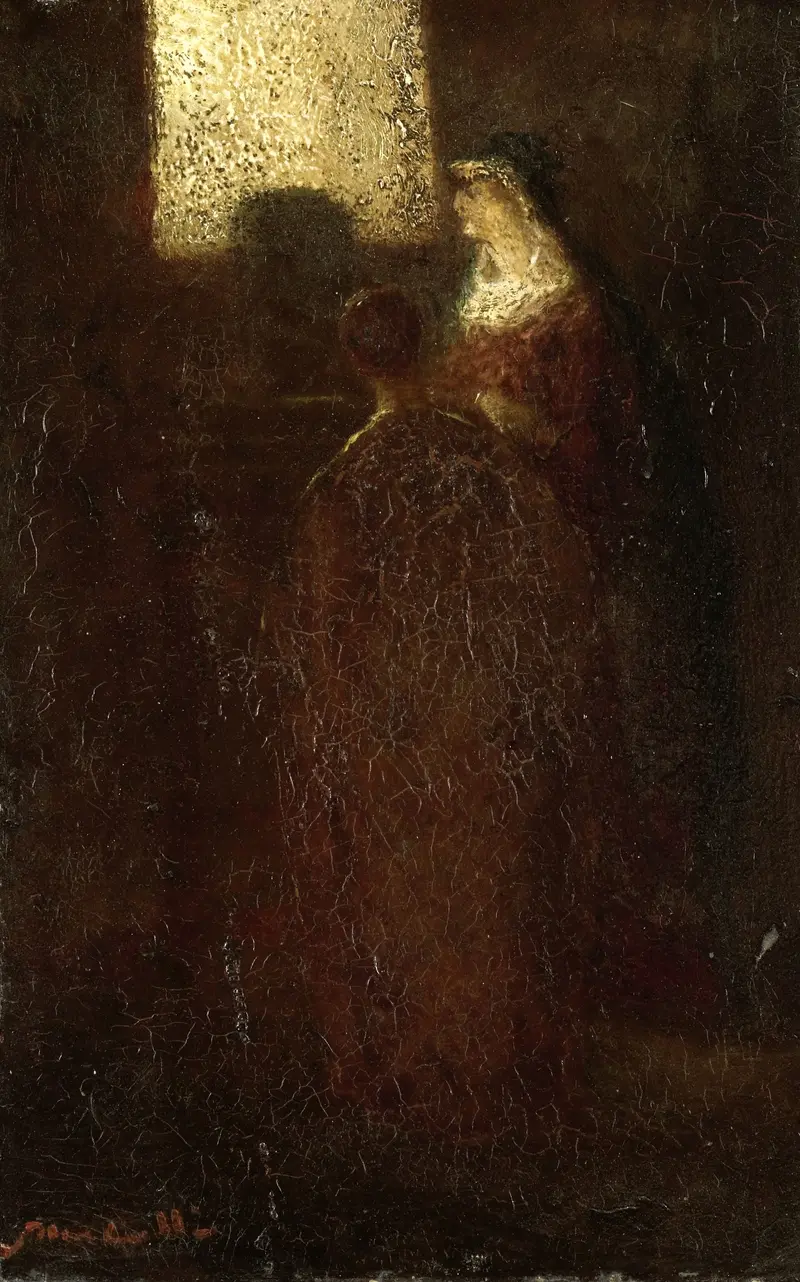
Aan het altaar
Adolphe Monticelli
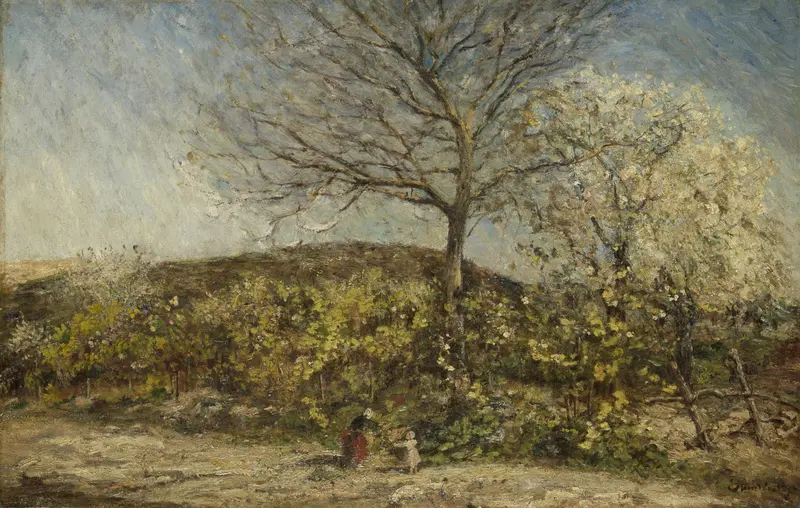
Landschap met bloeiende boomgaard
Adolphe Monticelli
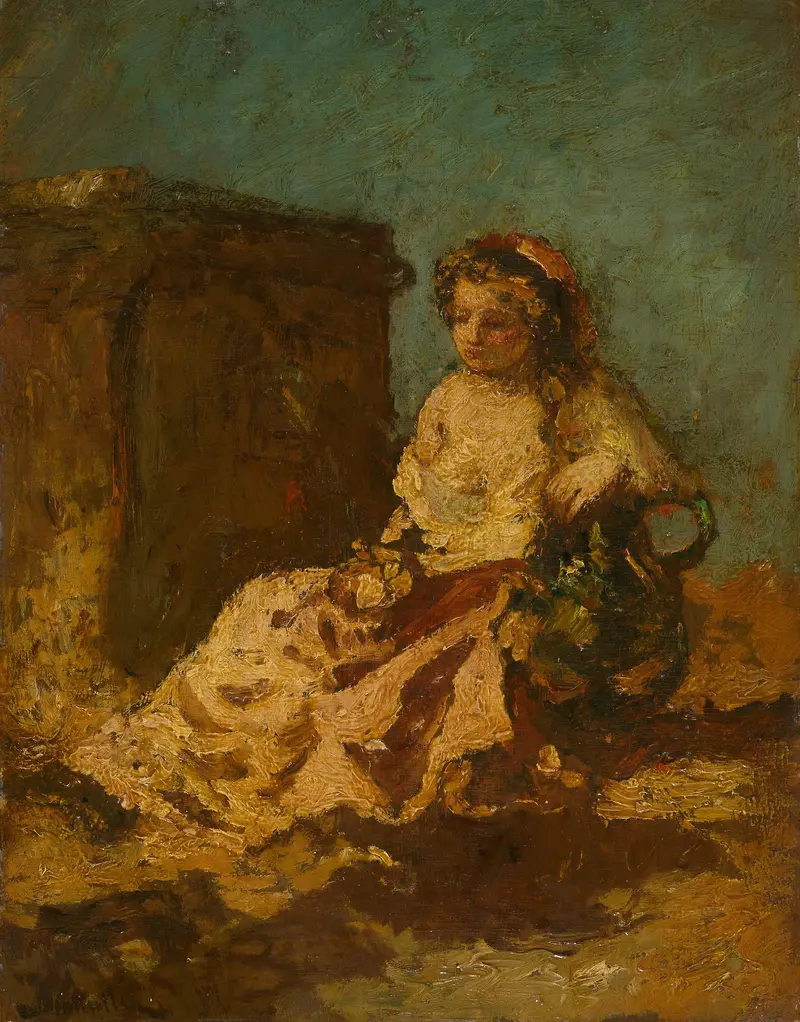
Meditation (Seated Woman)
Adolphe Monticelli
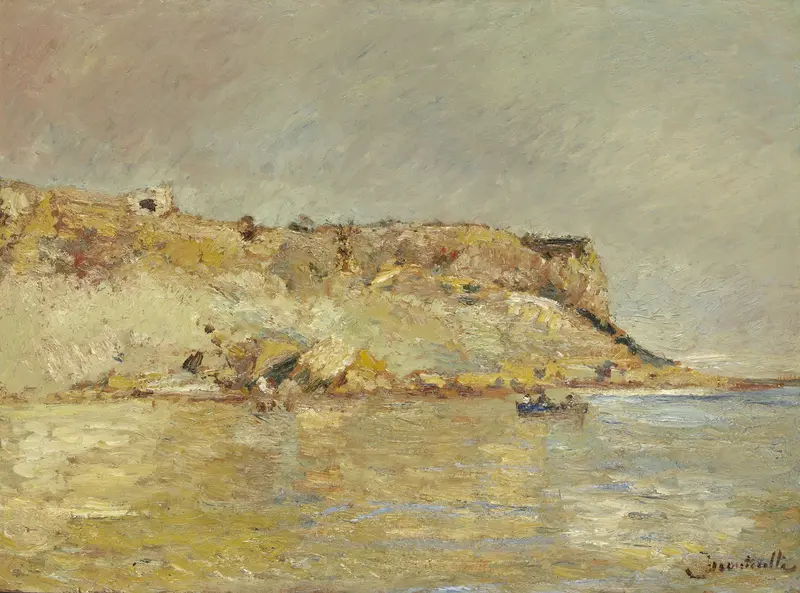
Coastal Mountains
Adolphe Monticelli
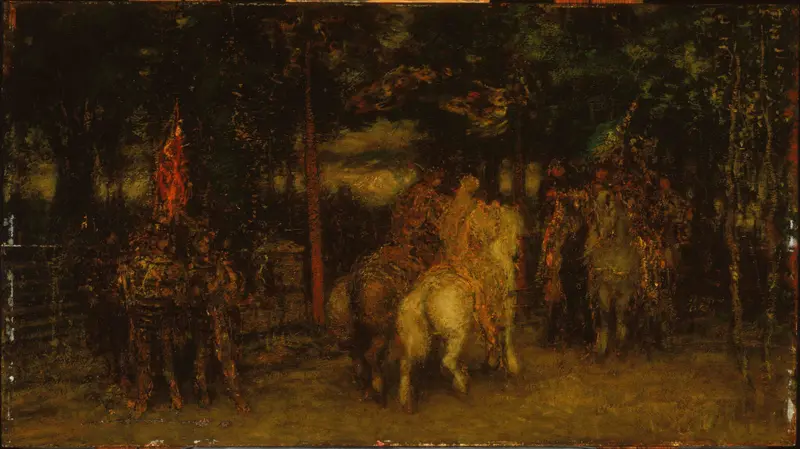
Landscape with Figures
Adolphe Monticelli





