
Lac d’Aidat, Auvergne — History & Facts
In the silent depths of Lac d’Aidat, madness lurks beneath the surface, captured in the stillness of nature where chaos quietly simmers. The serene lake, framed by rugged mountains, suggests both tranquility and the unseen turmoil of the human spirit. One could almost hear the whispers of the wild, beckoning the observer to dive deeper into the painting's mysteries. Look to the left, where the verdant trees lean precariously over the water, their reflections fracturing as if caught in a moment of hesitation.
The brushwork is loose yet deliberate, allowing hues of emerald and cerulean to dance together, while the soft transition of sunlight creates a chiaroscuro effect that heightens the drama. Notice the way the sky shifts from a gentle blue to an unsettling gray, hinting at the volatility of nature itself, mirrored in the inner turmoil of the artist. Amidst the beauty lies the tension between serenity and chaos. The juxtaposition of the calm lake and the jagged mountains suggests internal conflict, reminiscent of the emotional landscapes we navigate.
The subtle ripples across the water’s surface evoke the idea of madness just beneath the calm exterior, inviting viewers to confront the dichotomy of peace and disturbance that exists within themselves. Eugène Isabey painted Lac d’Aidat in 1831 while he was living in France, deeply influenced by Romanticism’s focus on nature and emotion. This period was marked by a growing interest in exploring the psychological dimensions of art. Isabey, a celebrated landscape artist, sought not only to depict the beauty of nature but also to express the profound, often tumultuous emotions that it stirred within him, reflecting a societal shift towards introspection and individual angst.
More Artworks by Eugène Isabey
Browse all →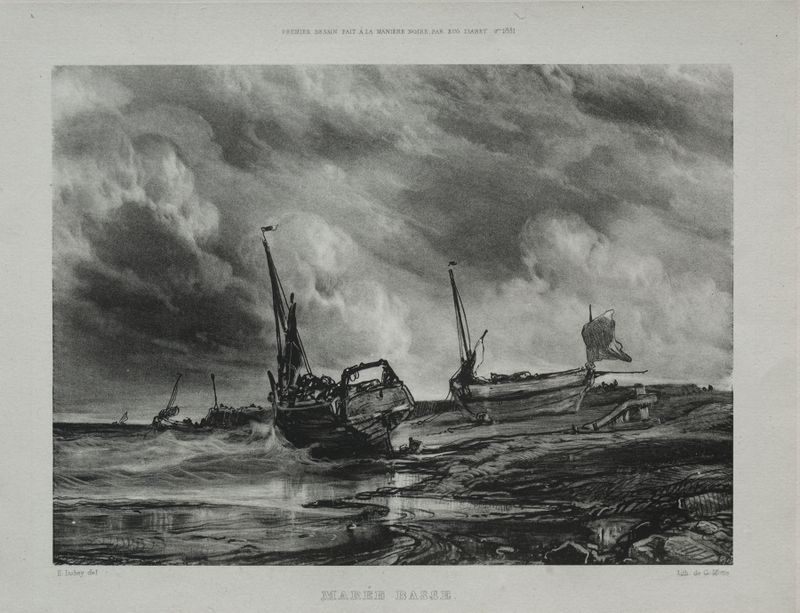
Marée basse
Eugène Isabey

Shipwreck
Eugène Isabey

Shipwreck
Eugène Isabey

The Wreck
Eugène Isabey
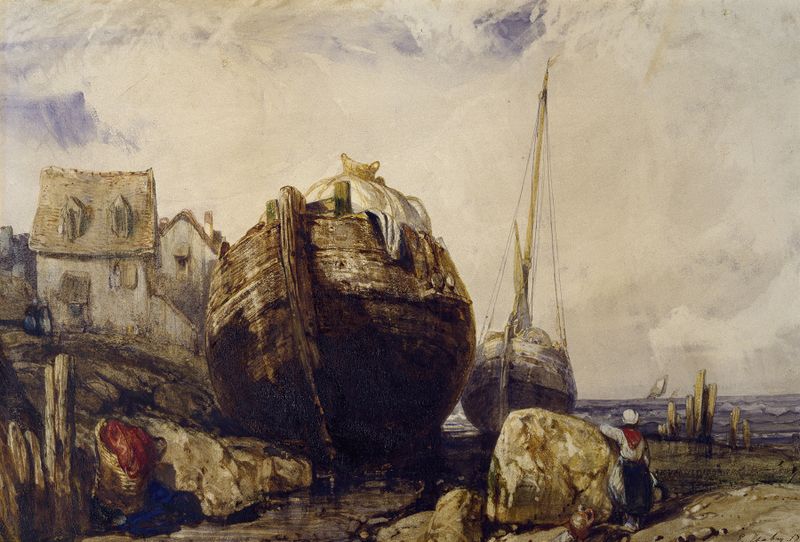
Fishing Boats
Eugène Isabey
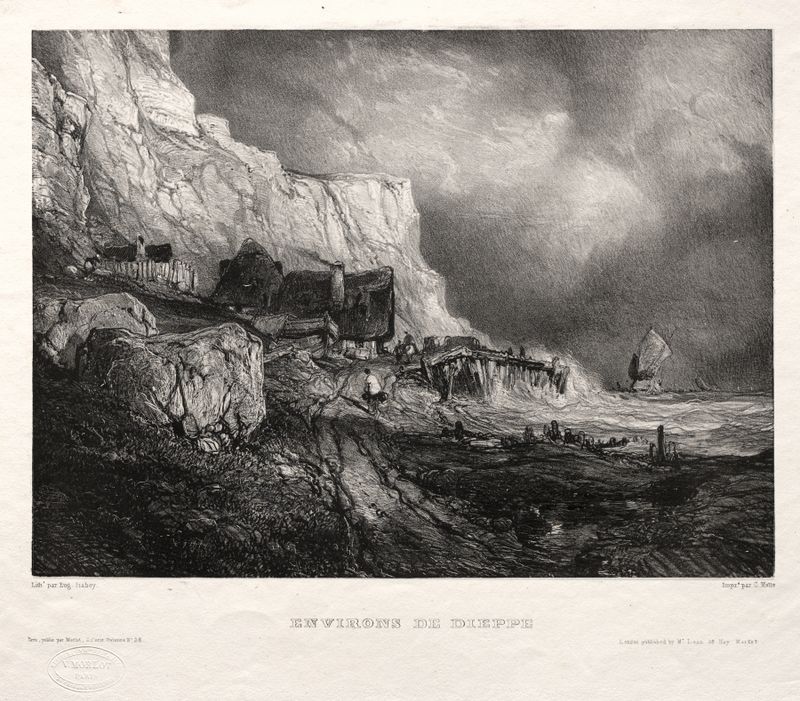
Environs de Dieppe
Eugène Isabey
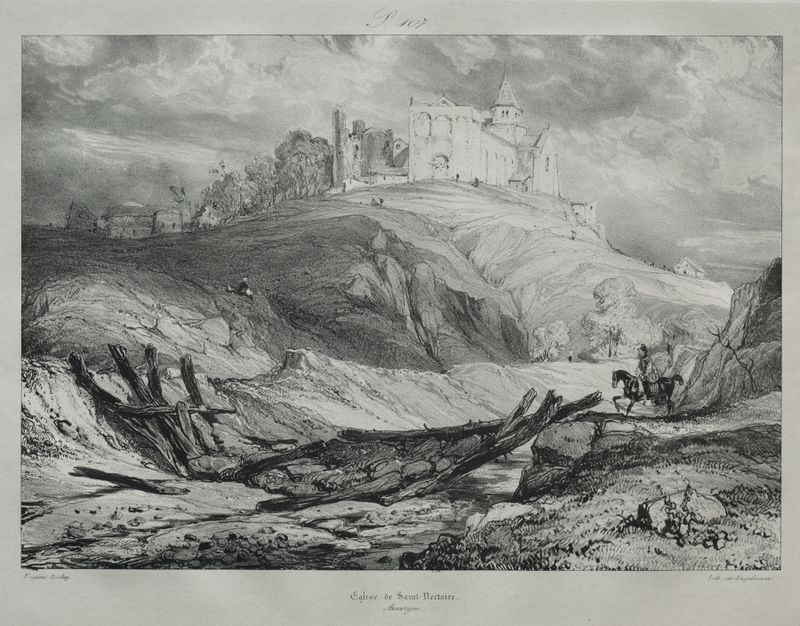
Église de St. Nectaire
Eugène Isabey

Fishing boat at the seaside
Eugène Isabey

Sunset on the Normandy Coast
Eugène Isabey
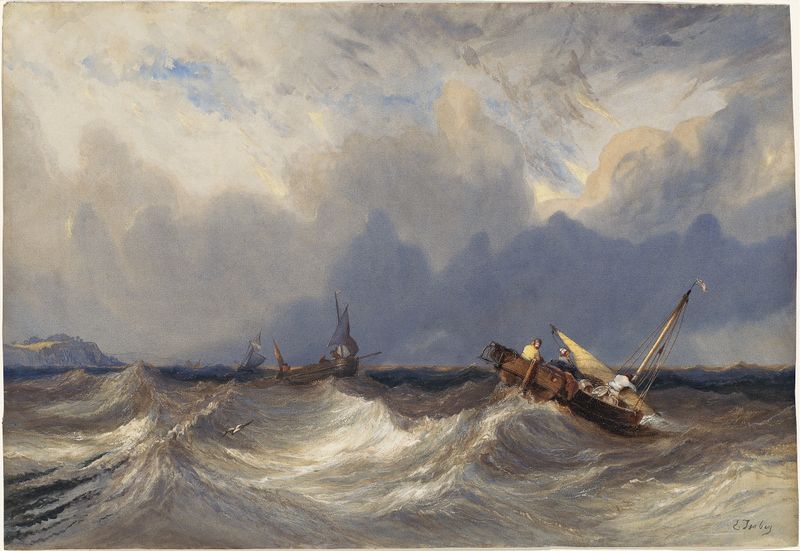
Fishing Boats Tossed before a Storm
Eugène Isabey





