
Lagoon, Venice — History & Facts
Did the painter know this moment would outlive them? In Lagoon, Venice, Joseph Pennell captures an intimacy between water and architecture, weaving a narrative of beauty and betrayal that transcends time. Look to the left at the gentle ripples lapping against the vibrant reflections of Venetian buildings. Notice how the light dances across the surface of the lagoon, illuminating the rich, earthy tones and soft pastels of the facades. Each brushstroke conveys a sense of fluidity, accentuated by the dynamic interplay of shadow and sun, drawing the viewer’s gaze toward the horizon where buildings seem to whisper secrets beneath the shifting hues. Yet beneath the picturesque tranquility lies a tension—a reminder of impermanence.
The serene water, although inviting, also signifies the deep currents of history, carrying with it the weight of past betrayals and unfulfilled promises. The intricate details of the architecture, while visually stunning, reveal a lost grandeur, hinting at the fragility of human endeavors amidst the relentless passage of time. In 1909, Pennell painted this piece during a period of profound transformation in both his life and the art world. Living in London after extensive travels, he faced personal challenges while immersing himself in the influx of Impressionism and other avant-garde movements.
This artwork not only reflects his admiration for Venice but also serves as an exploration of his own reflections on beauty and loss, firmly rooting it within a transitional era of artistic expression.
More Artworks by Joseph Pennell
Browse all →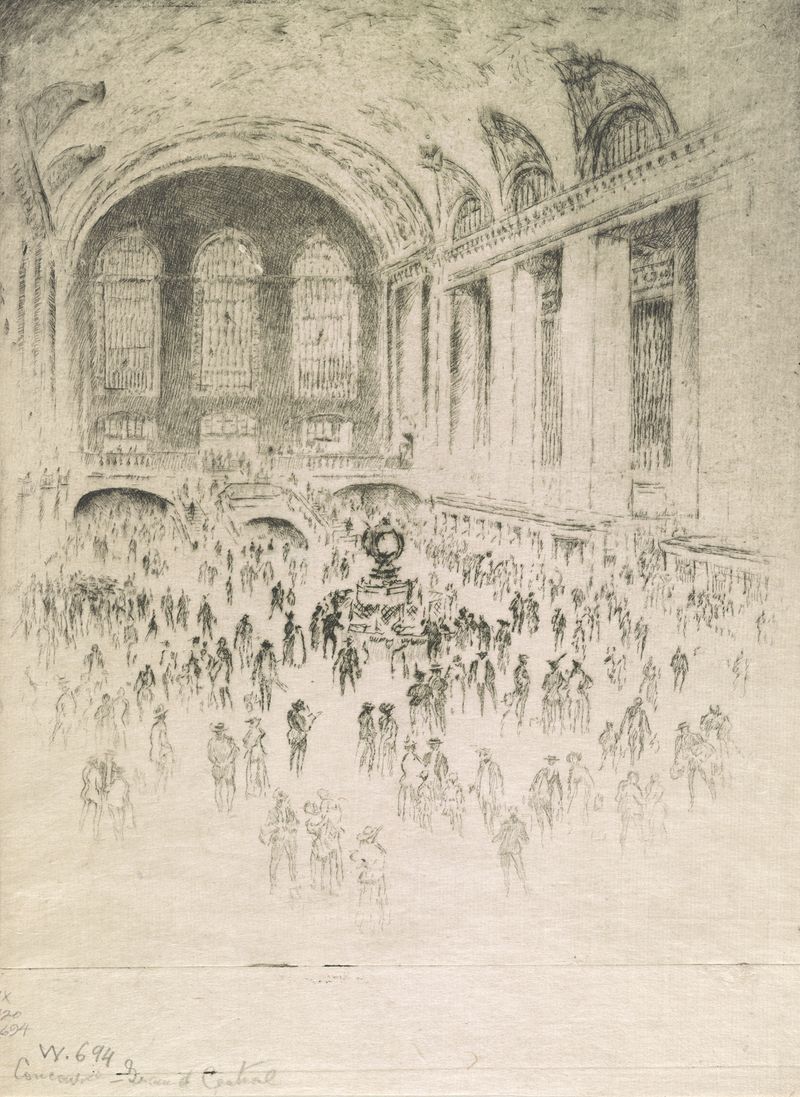
Concourse, Grand Central
Joseph Pennell
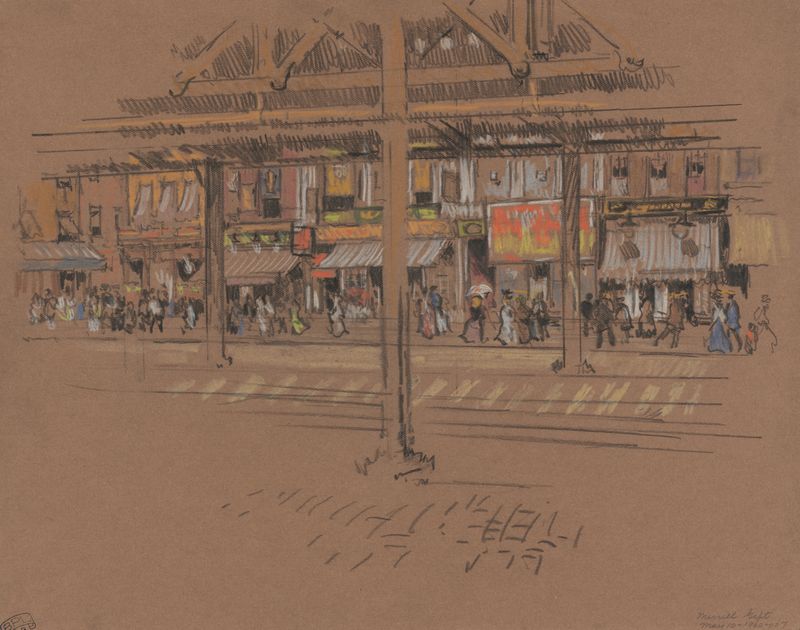
Sixth Avenue
Joseph Pennell
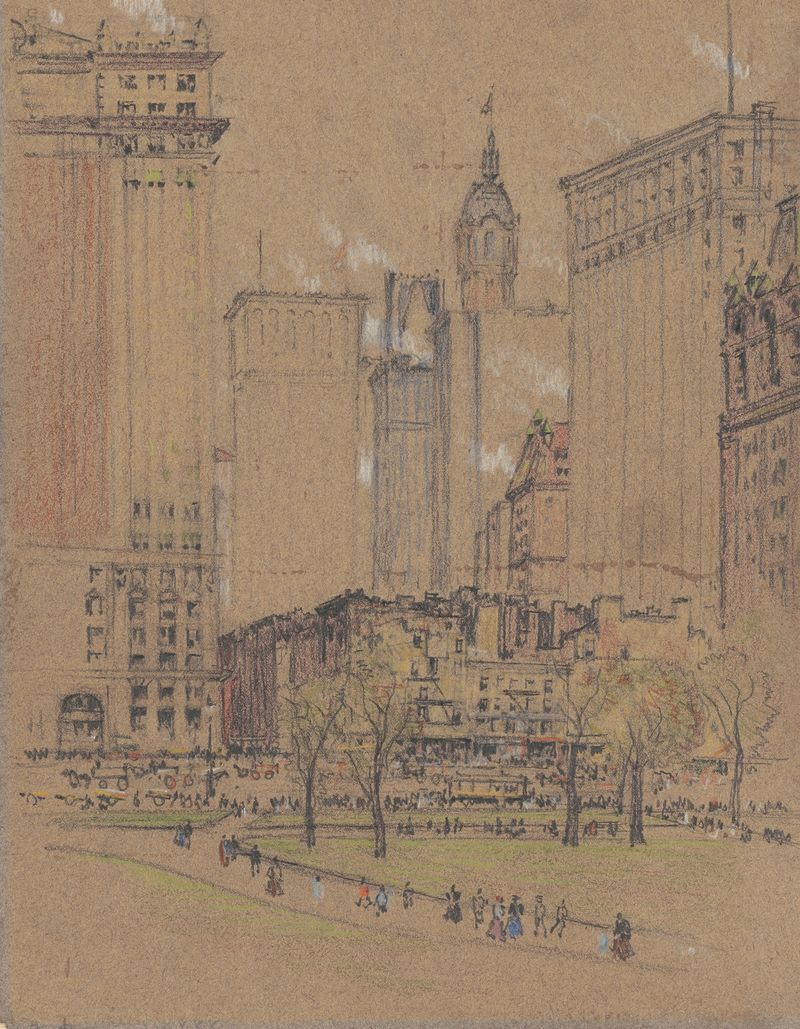
New York,the Old and the New
Joseph Pennell
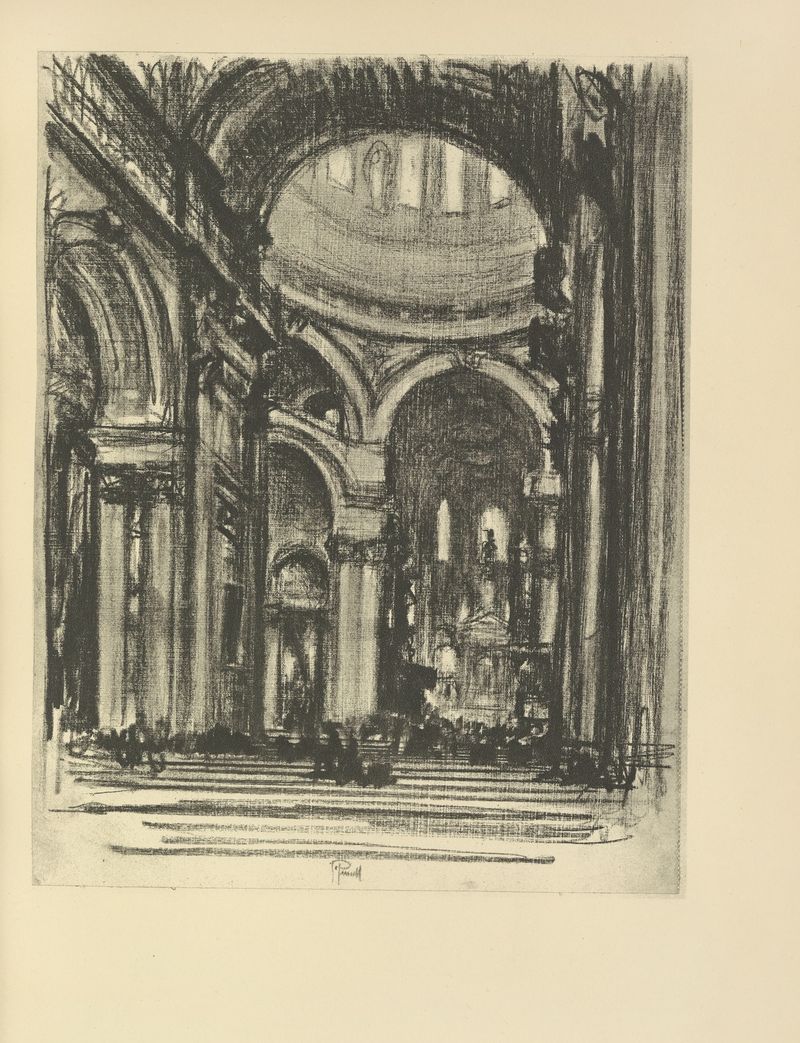
St. Paul’s, The Nave
Joseph Pennell
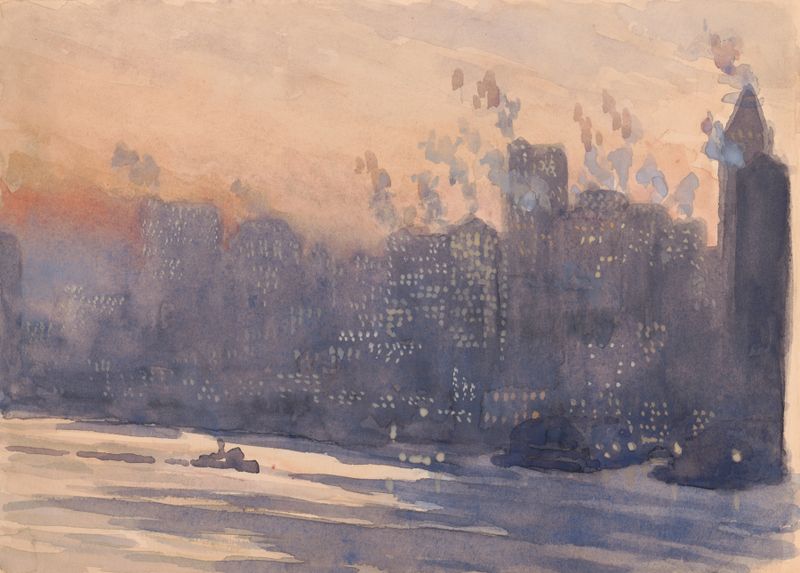
New York City harbor and skyline at night
Joseph Pennell
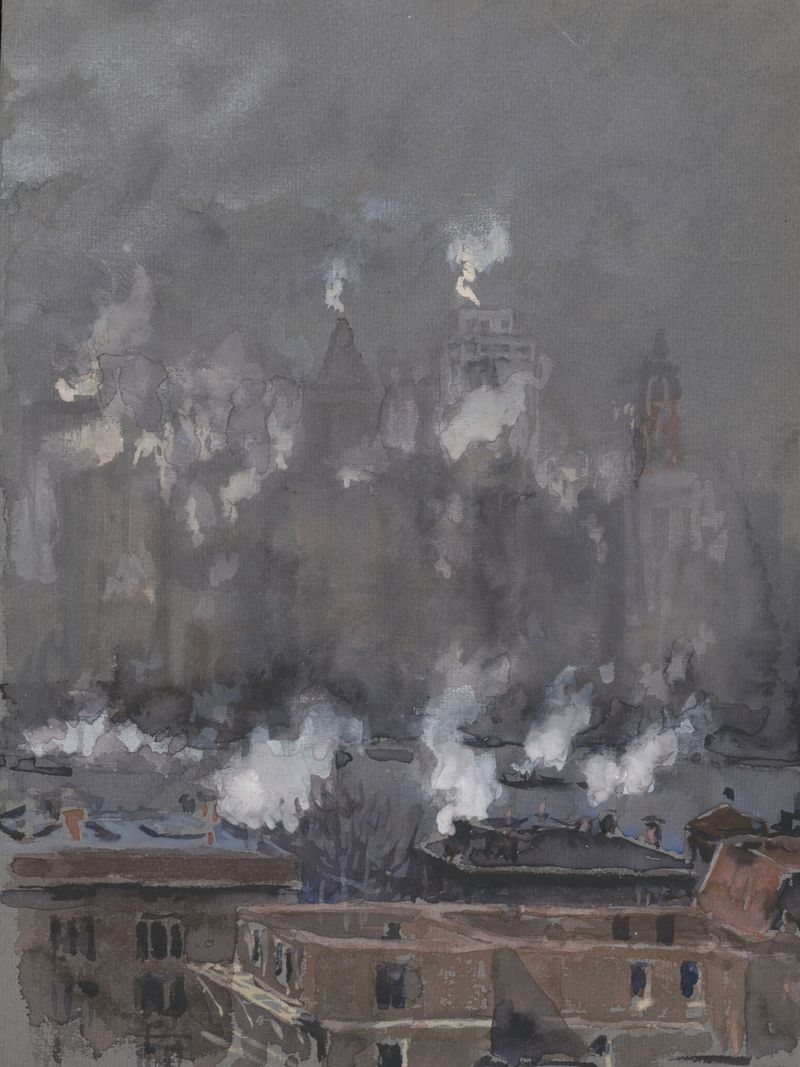
Smoke and fog on gray day, New York City
Joseph Pennell
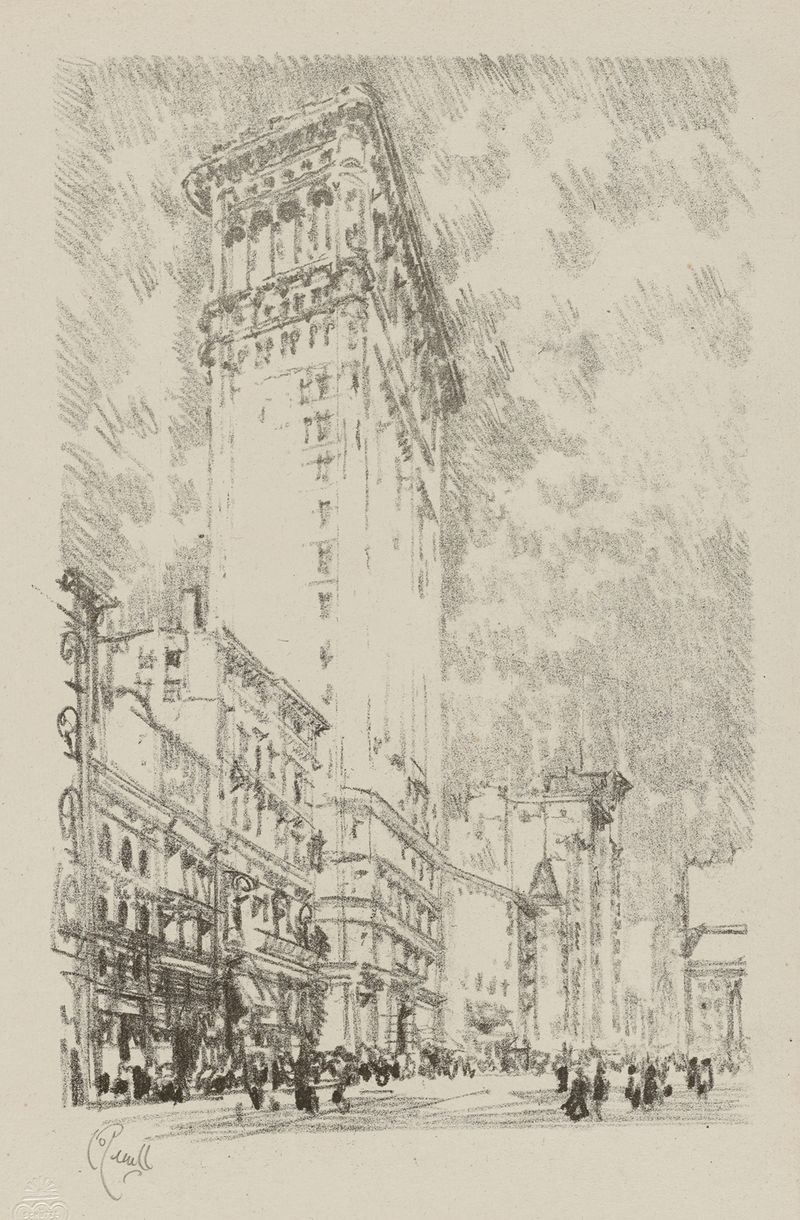
The Flat Iron
Joseph Pennell
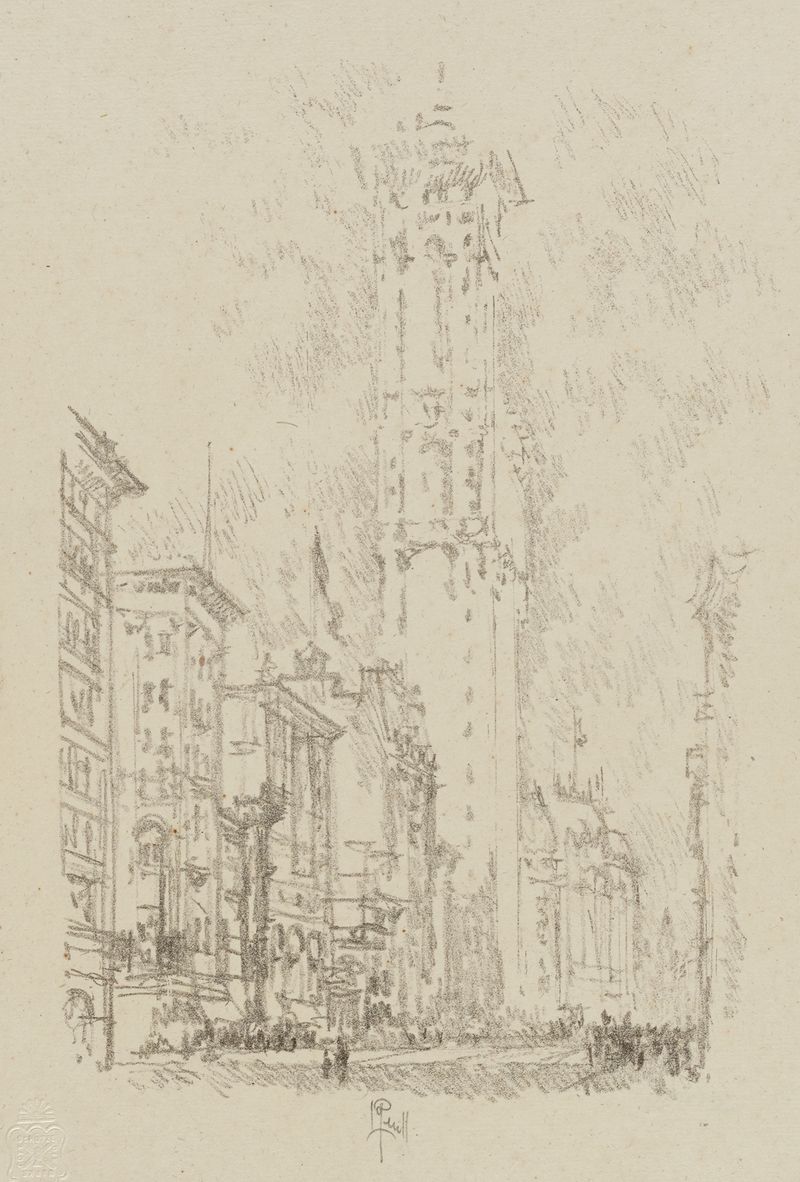
The Times Building
Joseph Pennell
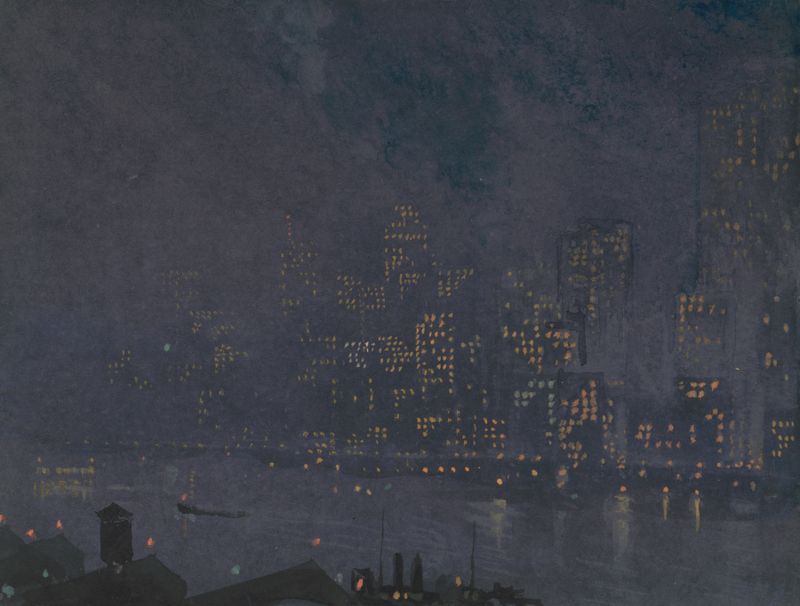
Skyscrapers at night
Joseph Pennell

St. James’ Park
Joseph Pennell





