
Lamech en Kaïn — History & Facts
The interplay of light and shadow in Lamech en Kaïn speaks to the haunting duality of existence and time. This artwork, created in 1524, captures not only a moment but the weight of lineage, legacy, and the intricate dance of human emotion. Focus first on the figures at the center, Lamech and Cain, locked in an embrace that is both tender and fraught with tension. Notice how the rich, warm tones envelop them, highlighting their intricate garments and the textured surface that breathes life into the characters.
The meticulous detail in their expressions conveys a tempest of emotions, inviting the viewer to delve into their silent conversation. The background, with its soft, muted hues, creates a stark contrast, pulling the viewer’s gaze into the intimate world of the protagonists. The duality in this piece is striking; it juxtaposes the beauty of familial connection against the burden of their violent legacy. Lamech, a figure of strength, embodies the weight of his past, while Cain, marked by his infamous act, represents the birth of conflict and consequence.
This interplay raises profound questions about fate and choice, encapsulating a sorrow that transcends their moment. Each brushstroke evokes a history that reverberates through time, urging us to ponder our own legacies. Lucas van Leyden created this work during a period of artistic evolution in the early Renaissance. Working in his native Netherlands, he was influenced by emerging humanistic ideals and the complex narratives of biblical history.
His dedication to detail and emotional depth reflects both personal and cultural transformations of the era, as artists began to explore the rich, often painful tapestry of human experience through their art.
More Artworks by Lucas van Leyden
Browse all →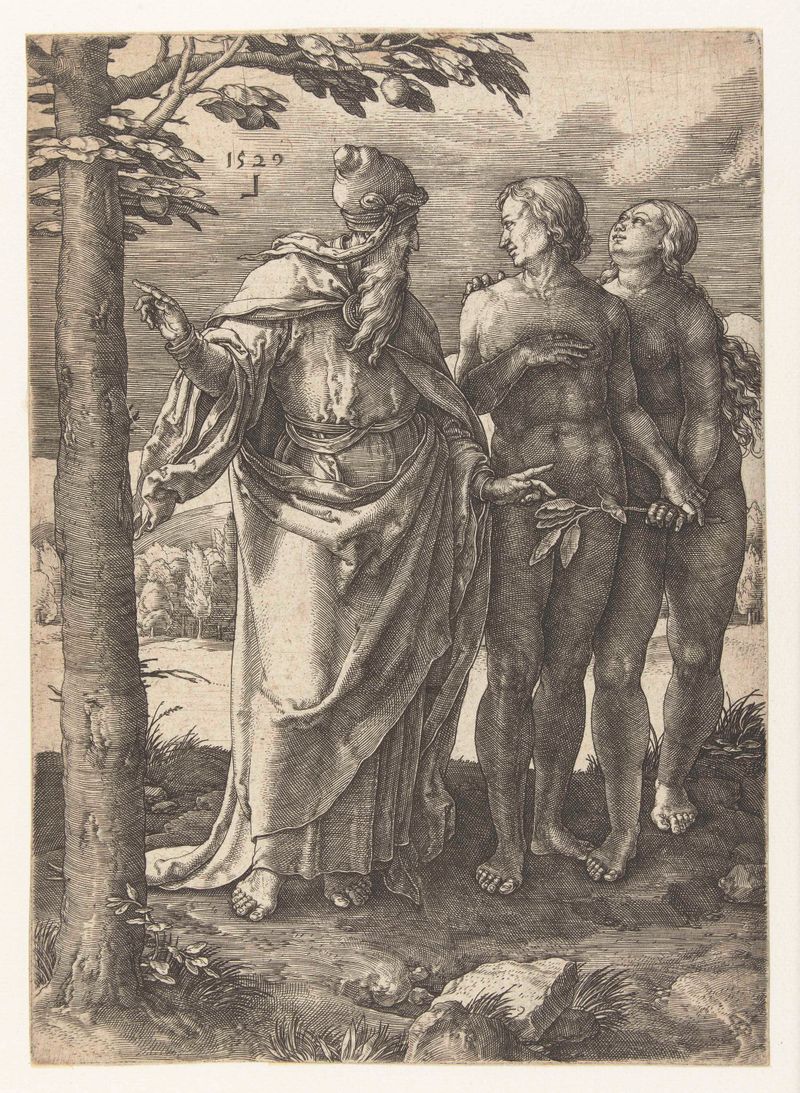
Het eerste verbod
Lucas van Leyden
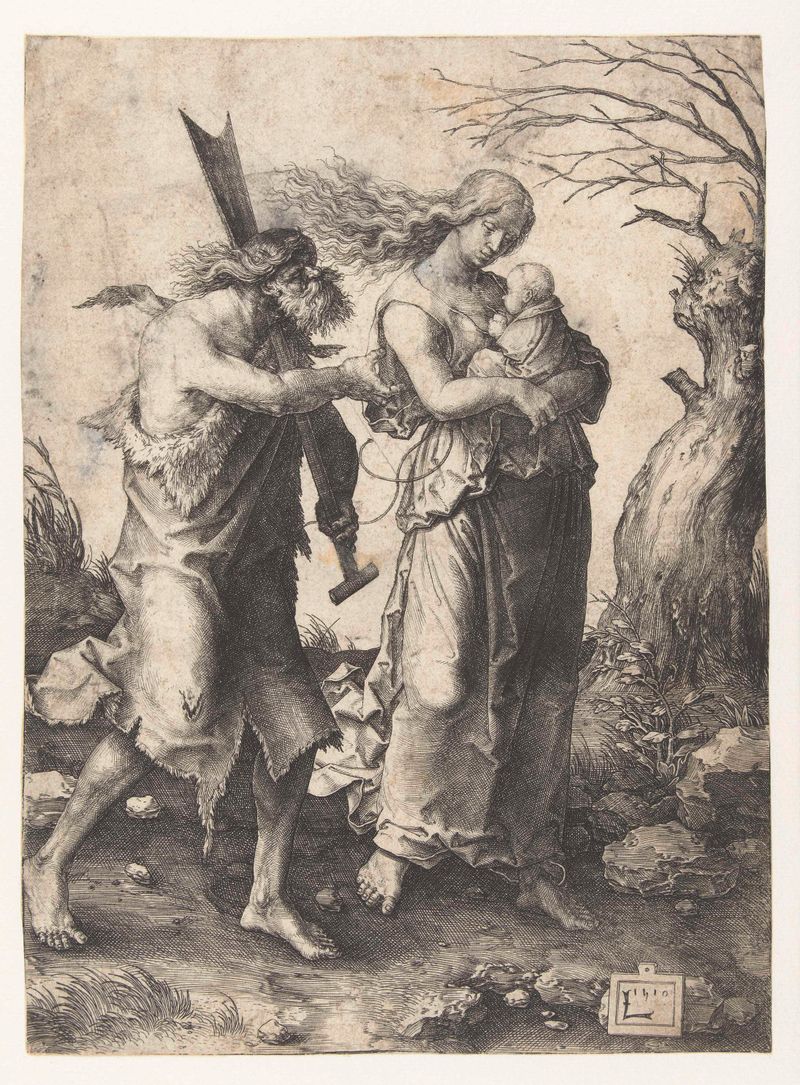
Adam en Eva na de verdrijving uit het paradijs
Lucas van Leyden
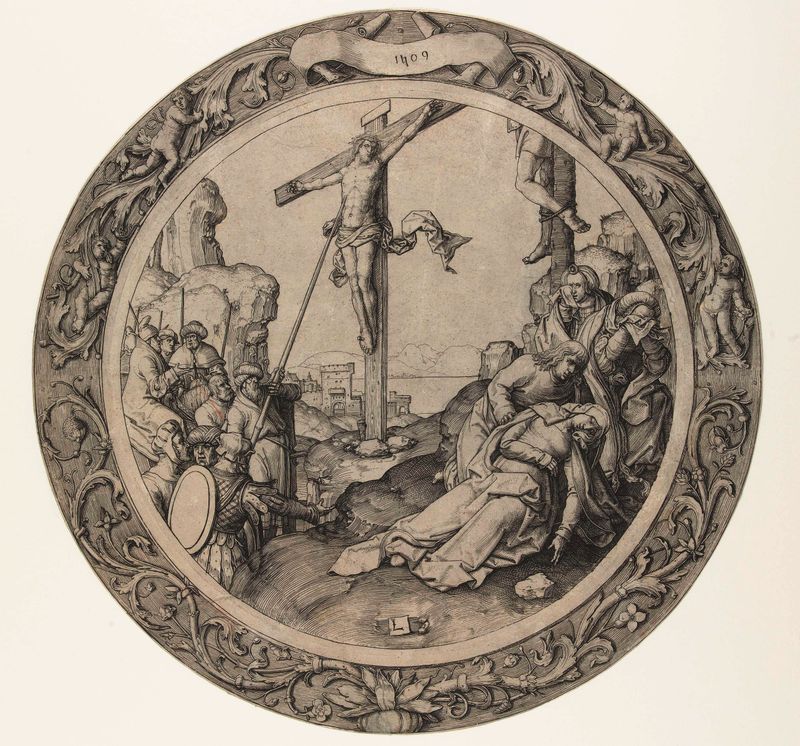
De kruisiging
Lucas van Leyden
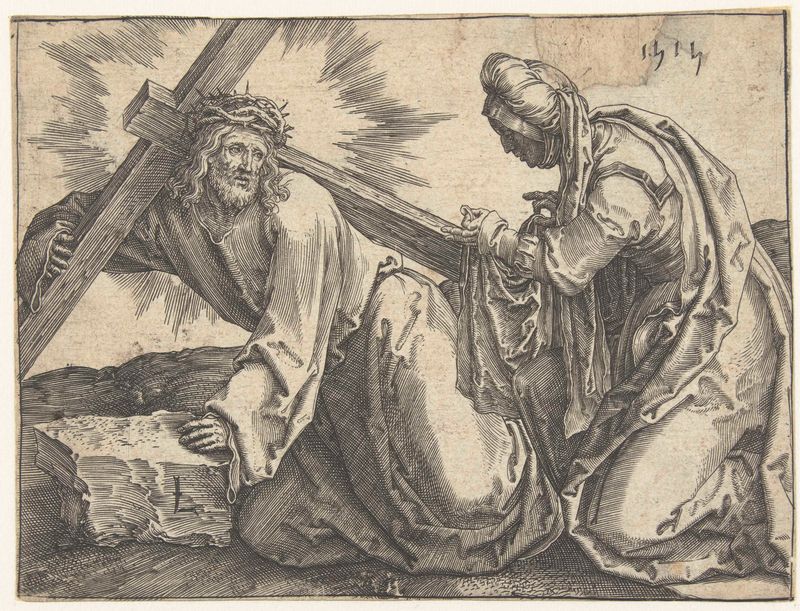
Kruisdraging
Lucas van Leyden
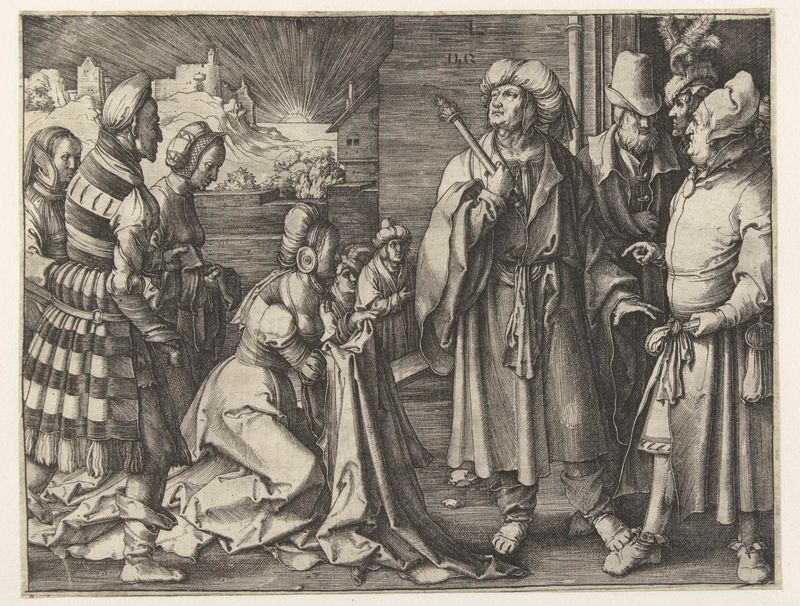
De vrouw van Potifar beschuldigt Jozef
Lucas van Leyden
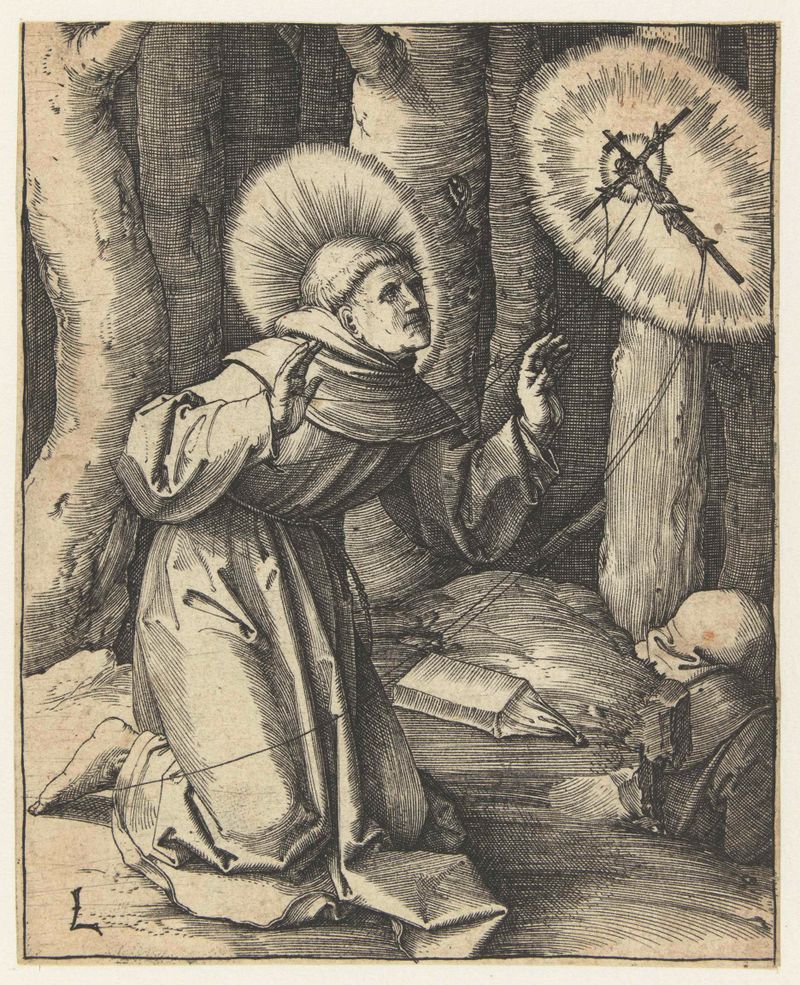
De stigmatisatie van de heilige Franciscus
Lucas van Leyden
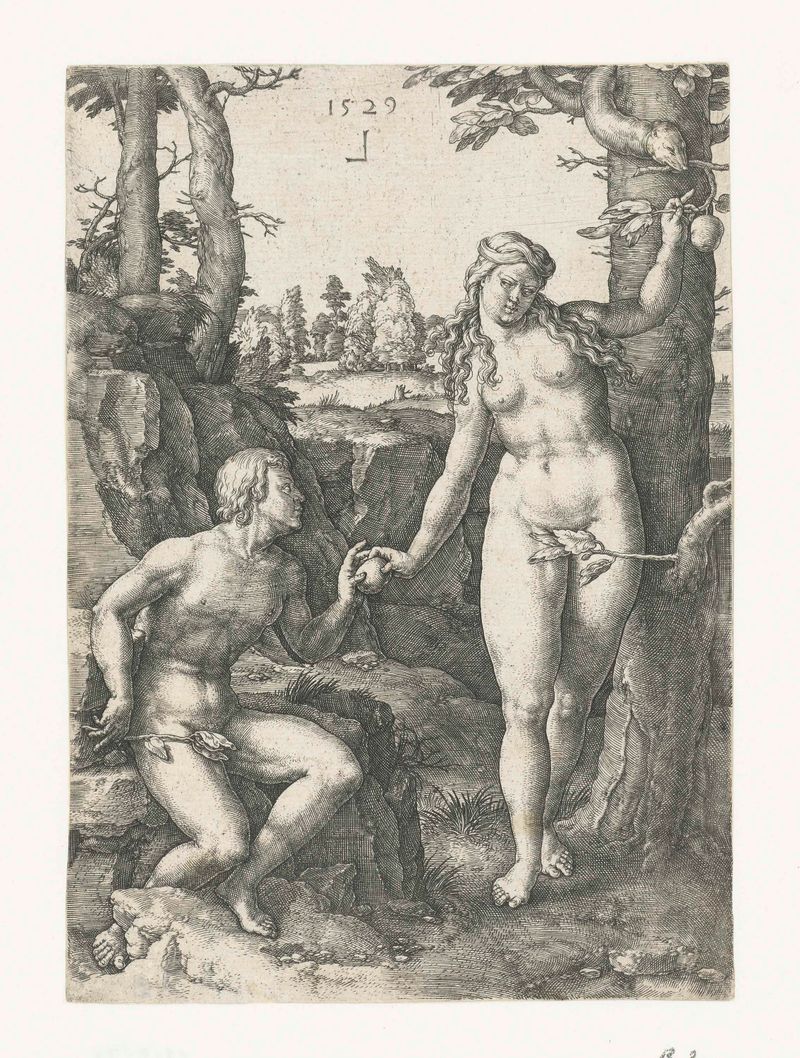
De zondeval
Lucas van Leyden
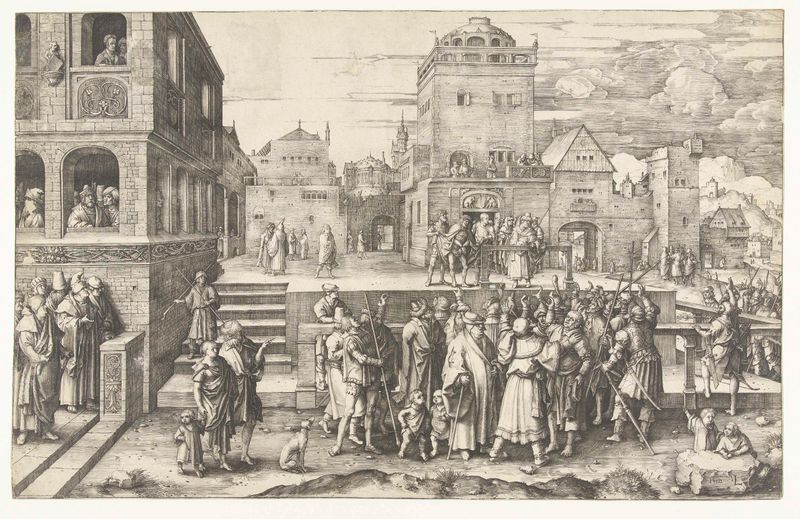
De grote Ecce Homo
Lucas van Leyden
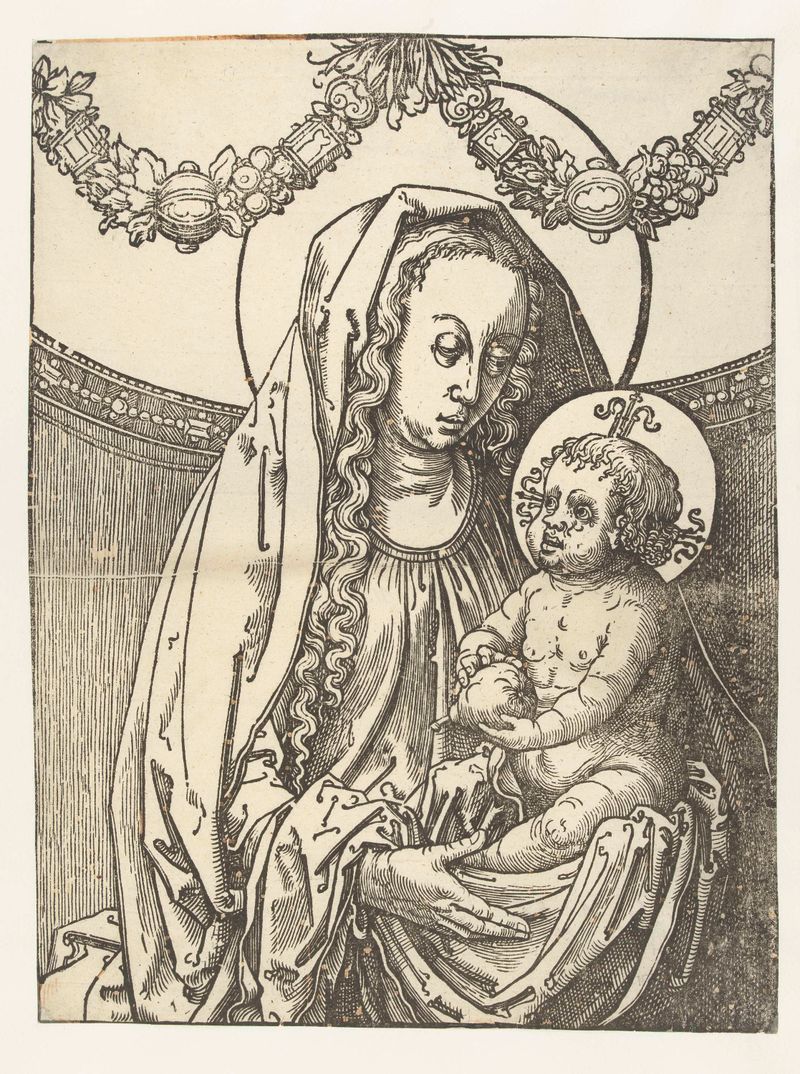
Maria met kind
Lucas van Leyden

Doornenkroning
Lucas van Leyden
More Historical Art
Browse all →
The Night Watch Militia Company of District II under the Command of Captain Frans Banninck Cocq
Rembrandt van Rijn

Lincoln Memorial
Henry Bacon

The Third of May 1808
Francisco de Goya

Isaac and Rebecca, Known as ‘The Jewish Bride’
Rembrandt van Rijn

The Charge of the Mamelukes (1814)
Francisco de Goya

De vier ruiters van de apocalyps
Albrecht Dürer