
Landscape — History & Facts
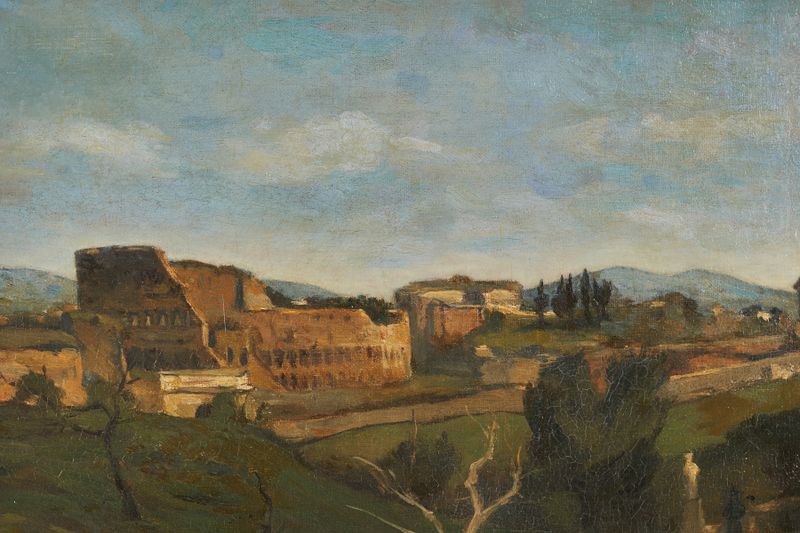
Can beauty exist without sorrow? This question lingers in the air, echoing through the delicate hues of a landscape that reflects both serenity and an unspoken sadness. Look to the horizon, where the gentle rise of hills meets a sky painted in sweeping strokes of azure and soft pastels. The landscape reveals a lush expanse, intricately detailed with the light flickering across the foliage. Notice how the artist employs a masterful blend of earthy greens and subtle grays, creating depth and inviting the viewer into the scene.
Each brushstroke carries an emotional weight, as the natural beauty is juxtaposed with an underlying sense of loss. In this artwork, the tranquility of nature is infused with a poignant stillness, suggesting the lingering memory of something once vibrant. The scattered trees stand resolute, yet there is an air of absence about them, as if they mourn a forgotten past. The play of light dances across the canvas, illuminating spots of joy while casting shadows that hint at grief—a delicate balance of hope and melancholy. At the turn of the 20th century, Harpignies painted this piece during a period marked by transition in the art world.
Living in France, he was influenced by the Impressionist movement yet sought to capture a more classical essence in his work. This painting emerged as he navigated personal challenges, reflecting the complexities of life and art, as well as his own evolving perspective on beauty intertwined with sorrow.
More Artworks by Henri-Joseph Harpignies
Browse all →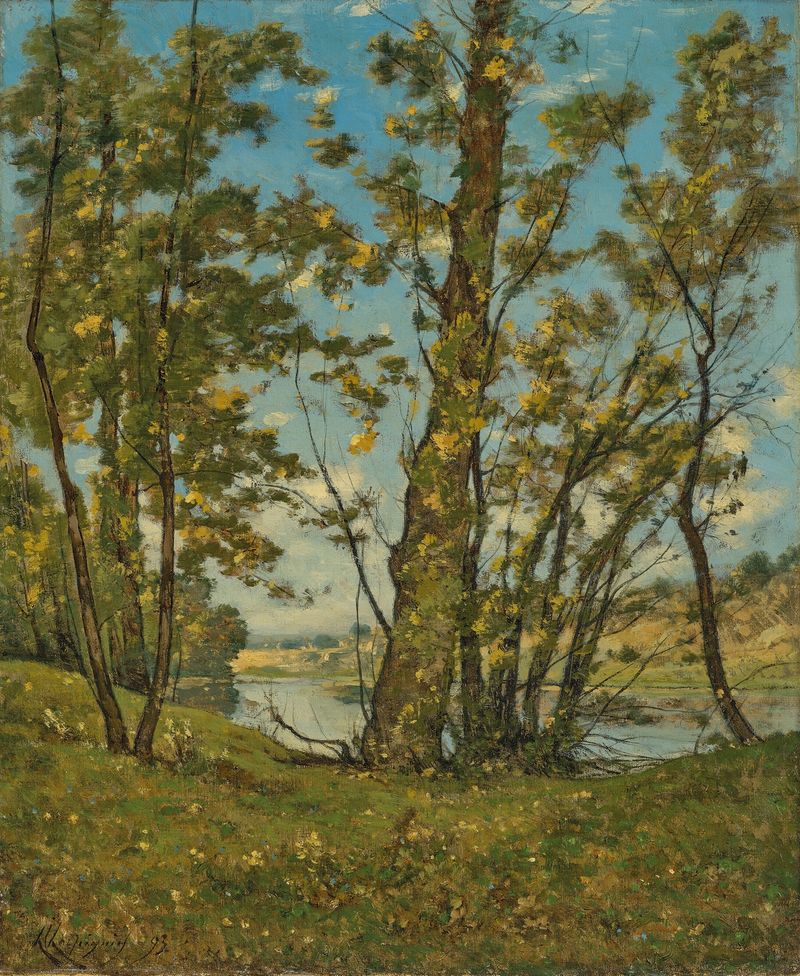
La Loire à Bonny
Henri-Joseph Harpignies
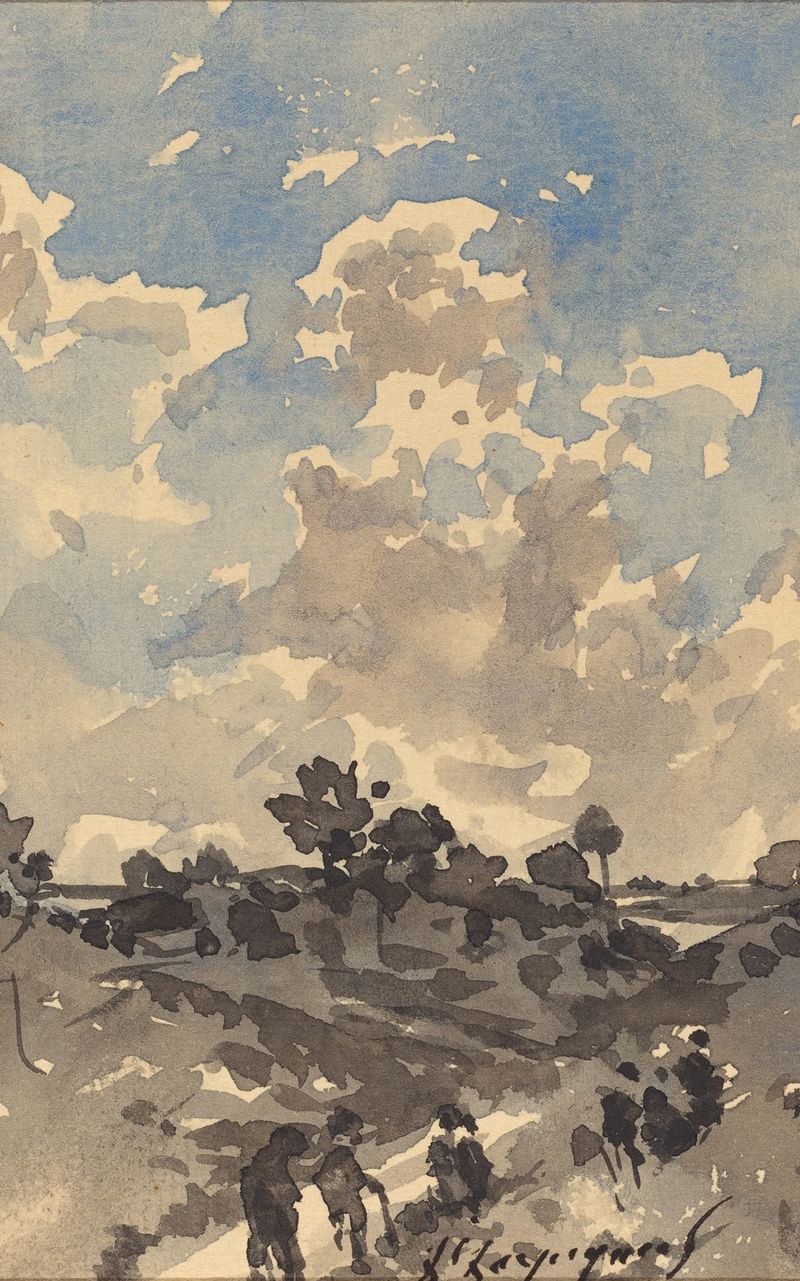
A Landscape with Figures Walking along a Path
Henri-Joseph Harpignies
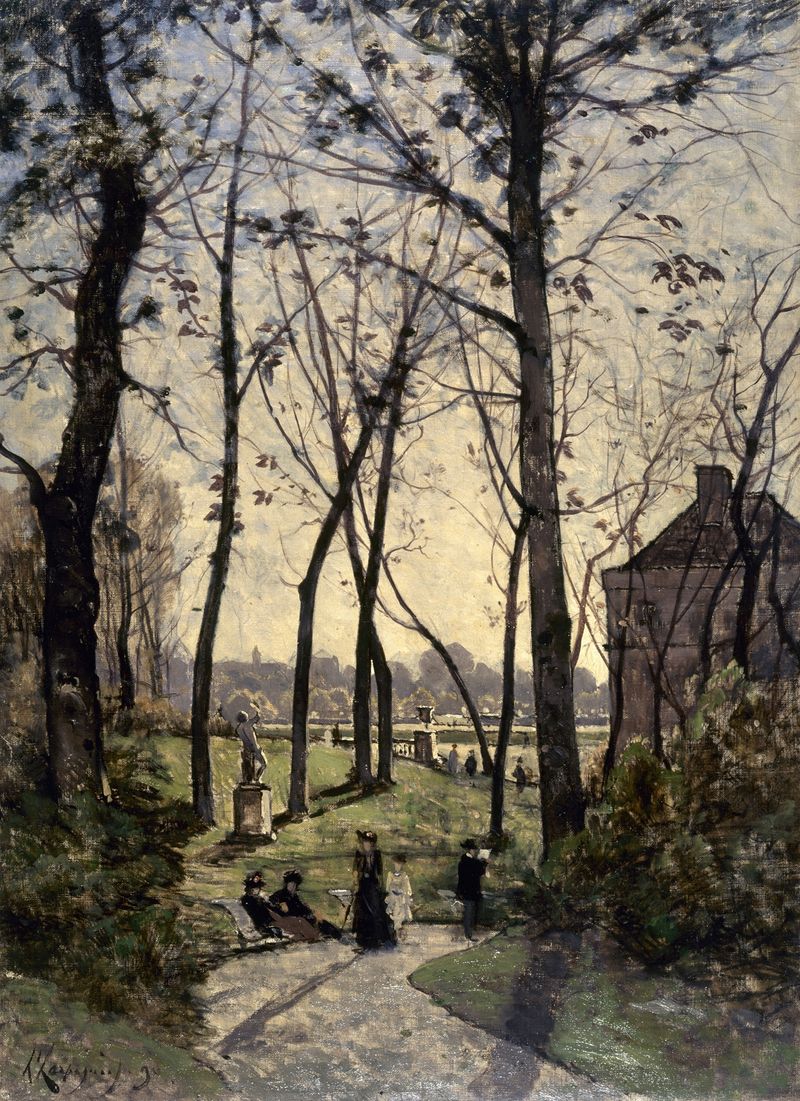
Le jardin du Luxembourg
Henri-Joseph Harpignies
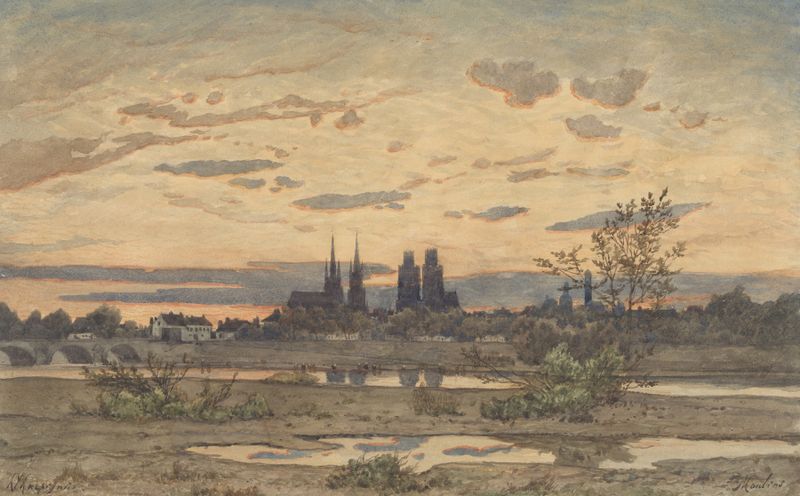
A View of Moulins
Henri-Joseph Harpignies
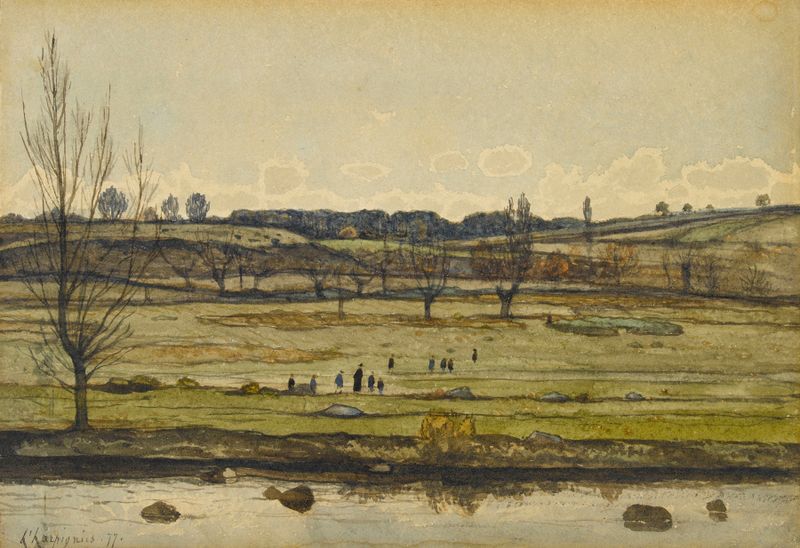
Paysage
Henri-Joseph Harpignies
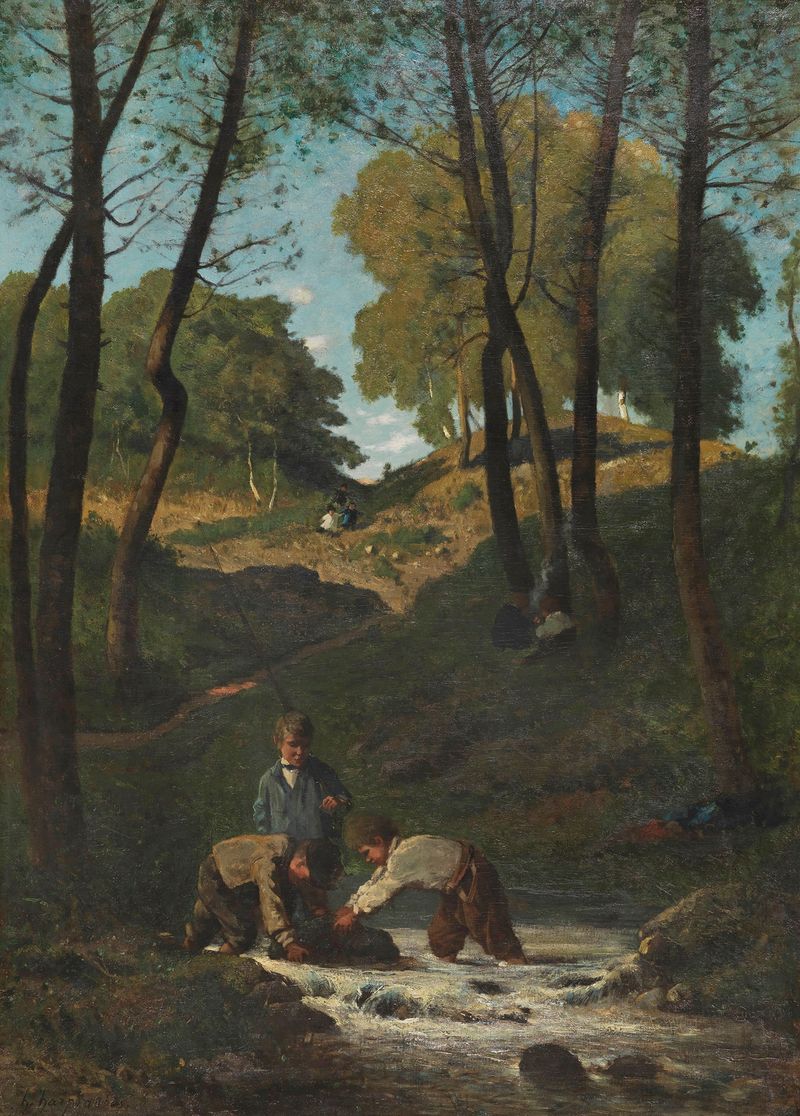
Chercheurs d’écrevisses
Henri-Joseph Harpignies
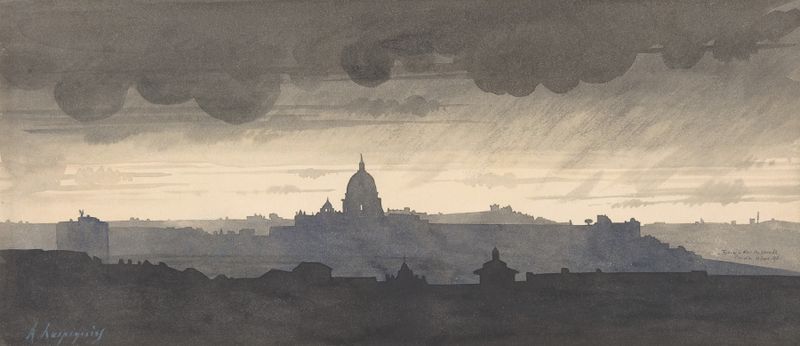
Saint Peter’s Seen From the Pincio, Rome
Henri-Joseph Harpignies
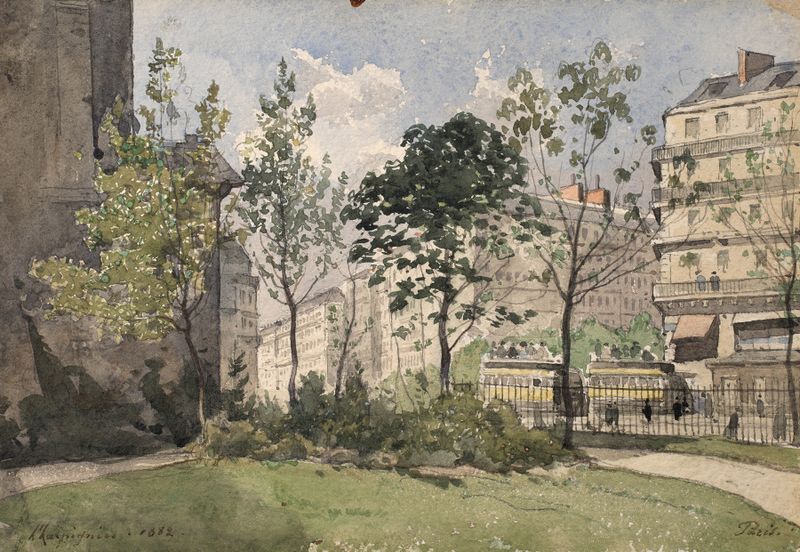
View of the forecourt of the Saint-Germain-des-Prés church
Henri-Joseph Harpignies
Le Colisée à Rome
Henri-Joseph Harpignies

Villefranche
Henri-Joseph Harpignies





