
Landscape with ruins — History & Facts
A shaft of golden light catches the ruined temple at the heart of Landscape with ruins, drawing the eye to its silent columns as if they were the guardians of a forgotten age. The crumbling architecture stands as a stage for the gentle rhythms of daily life: a shepherd with his flock, a cowherd guiding his charges, and a lone figure bent to the earth, all dwarfed by the grandeur of stone and the towering trees. The careful play of shadow and sunlight leads the viewer along the winding path, past the ancient remains, and toward the distant bridge and mountains, where the land seems to dissolve into mist.
The palette is rich with earth and moss, punctuated by the warm ochres of the soil and the cool blue haze of the background, setting a mood of quiet reverence for both nature and history. Painted by Adriaen Frans Boudewijns between 1674 and 1717, this work belongs to a world where landscapes were more than mere scenery—they were meditations on the passage of time and the persistence of memory. In the late seventeenth century, artists across Europe were captivated by the ruins of antiquity, weaving them into pastoral scenes that invited viewers to reflect on the rise and fall of civilizations. Such paintings were often commissioned by collectors eager to display both their taste and their learning, and they found pride of place in the homes of the educated elite.
Today, Landscape with ruins resides in the Museo del Prado, its precise origins largely lost to history, but its vision of nature and memory still invites us to wander through its sunlit silence.
More Artworks by Adriaen Frans Boudewijns
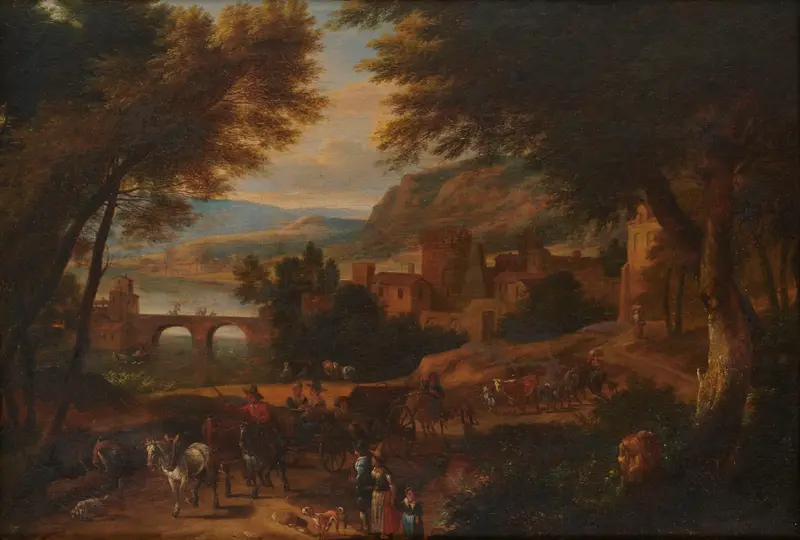
Landscape
Adriaen Frans Boudewijns
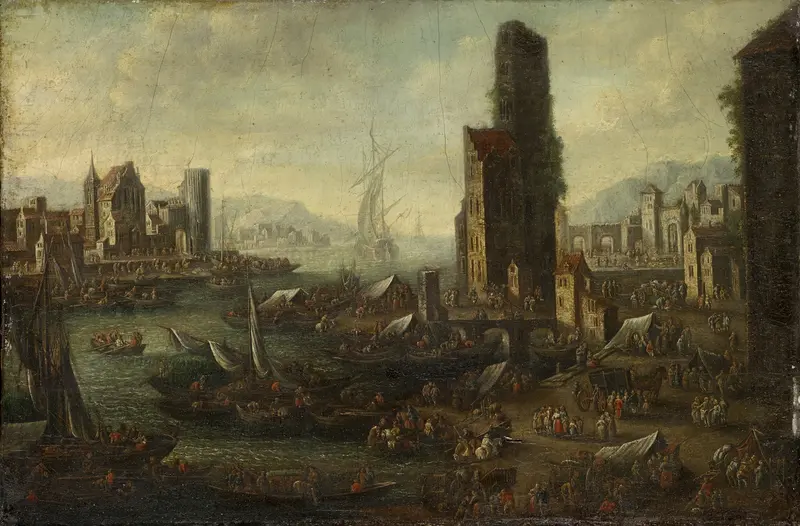
Seaport
Adriaen Frans Boudewijns
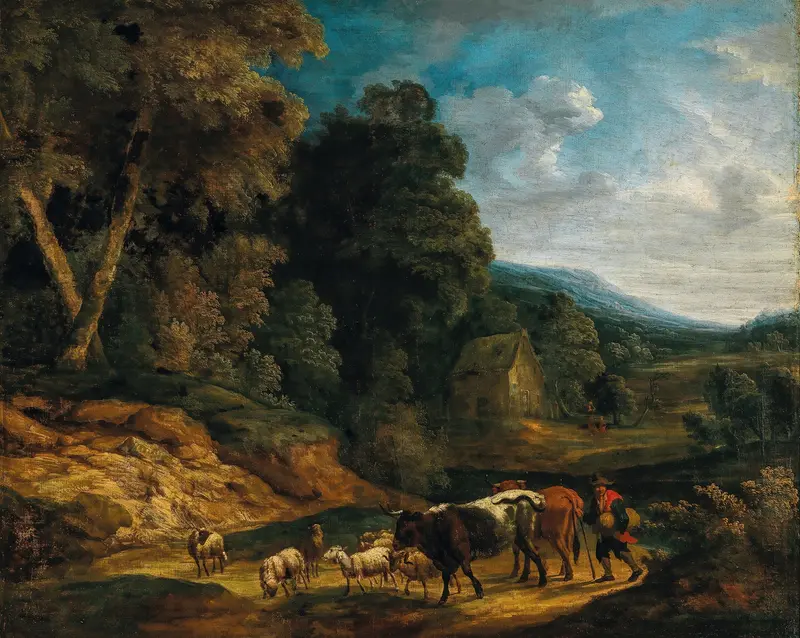
A southern landscape with herdsmen and their flock
Adriaen Frans Boudewijns
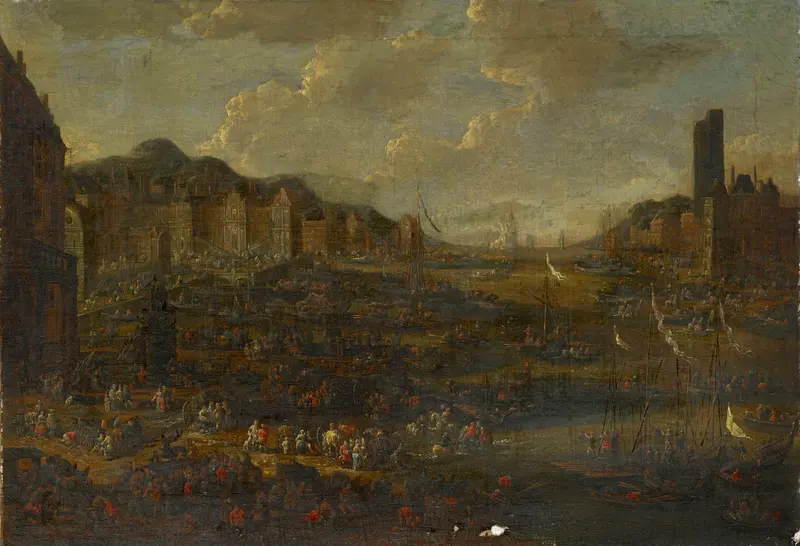
Seaport II
Adriaen Frans Boudewijns
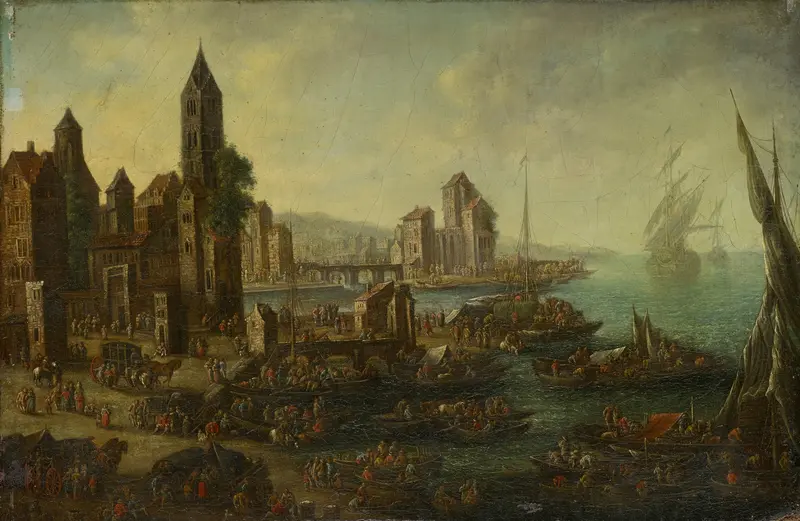
Seaport III
Adriaen Frans Boudewijns
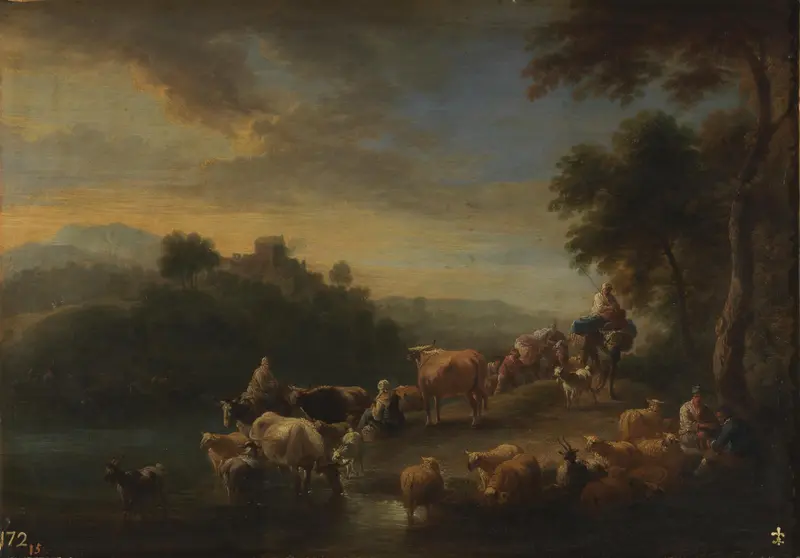
Landscape with the Cattle
Adriaen Frans Boudewijns
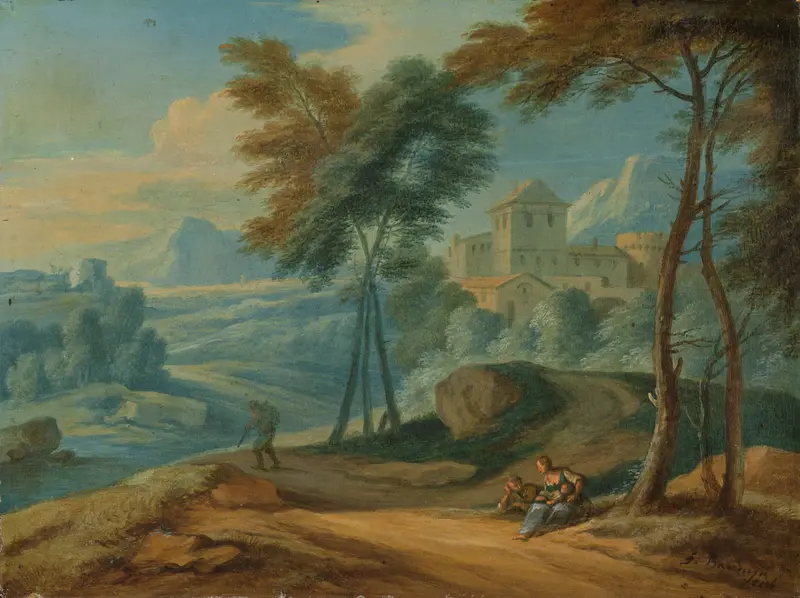
Mountainous landscape
Adriaen Frans Boudewijns
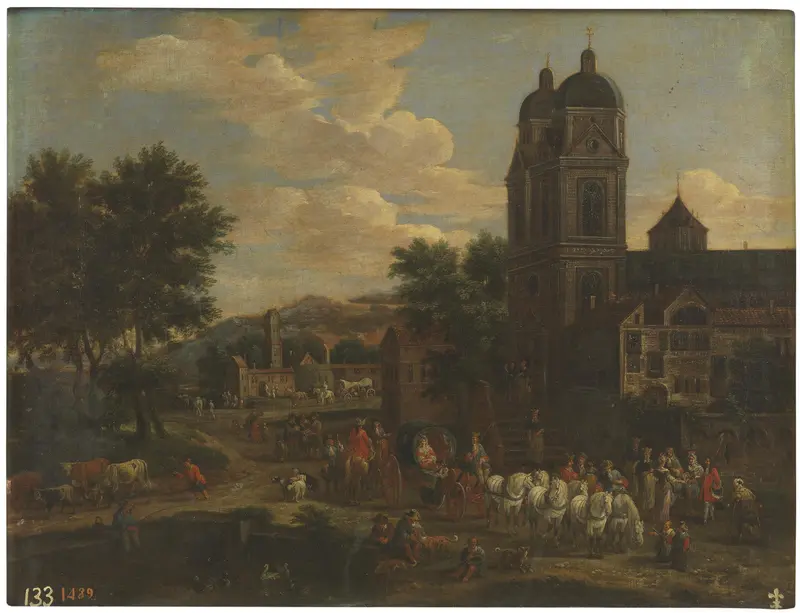
A sanctuary
Adriaen Frans Boudewijns
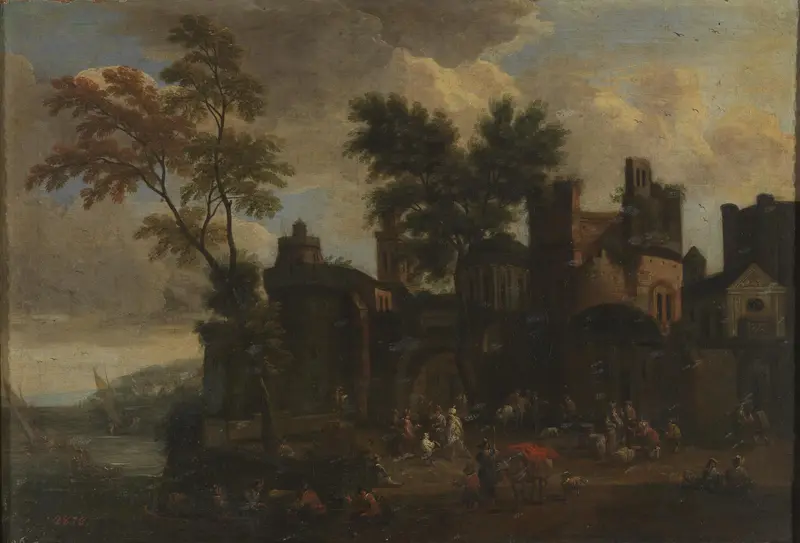
Port
Adriaen Frans Boudewijns
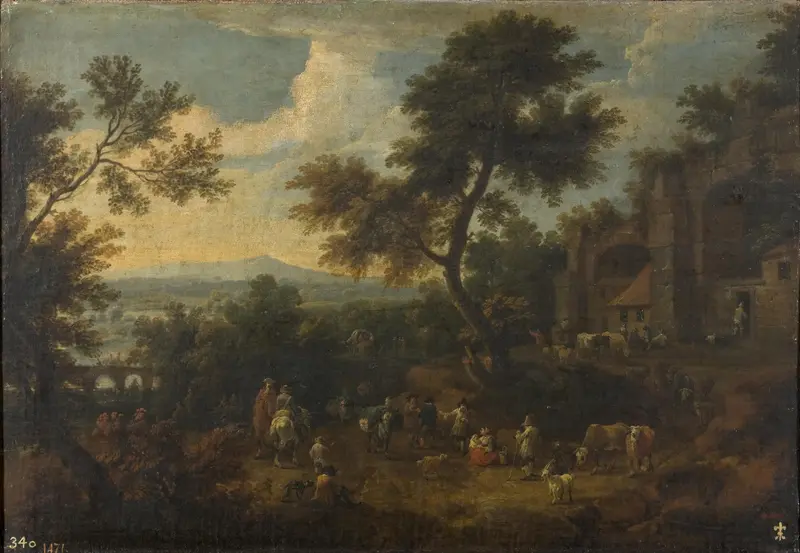
Rest on the road
Adriaen Frans Boudewijns
More Landscape Art

The Starry Night
Vincent van Gogh

View of Delft
Johannes Vermeer

Water Lilies
Claude Monet

The Grand Canal, Venice, looking north-west from the Ca' Corner to the Ca' Contarini degli Scrigni, with the campanile of Santa Maria della Carità
Canaletto

Windsor Castle
Canaletto

The Grand Canal looking North-East from the Palazzo Dolfin-Manin to the Rialto Bridge
Canaletto