
Landscape in Scotland — History & Facts
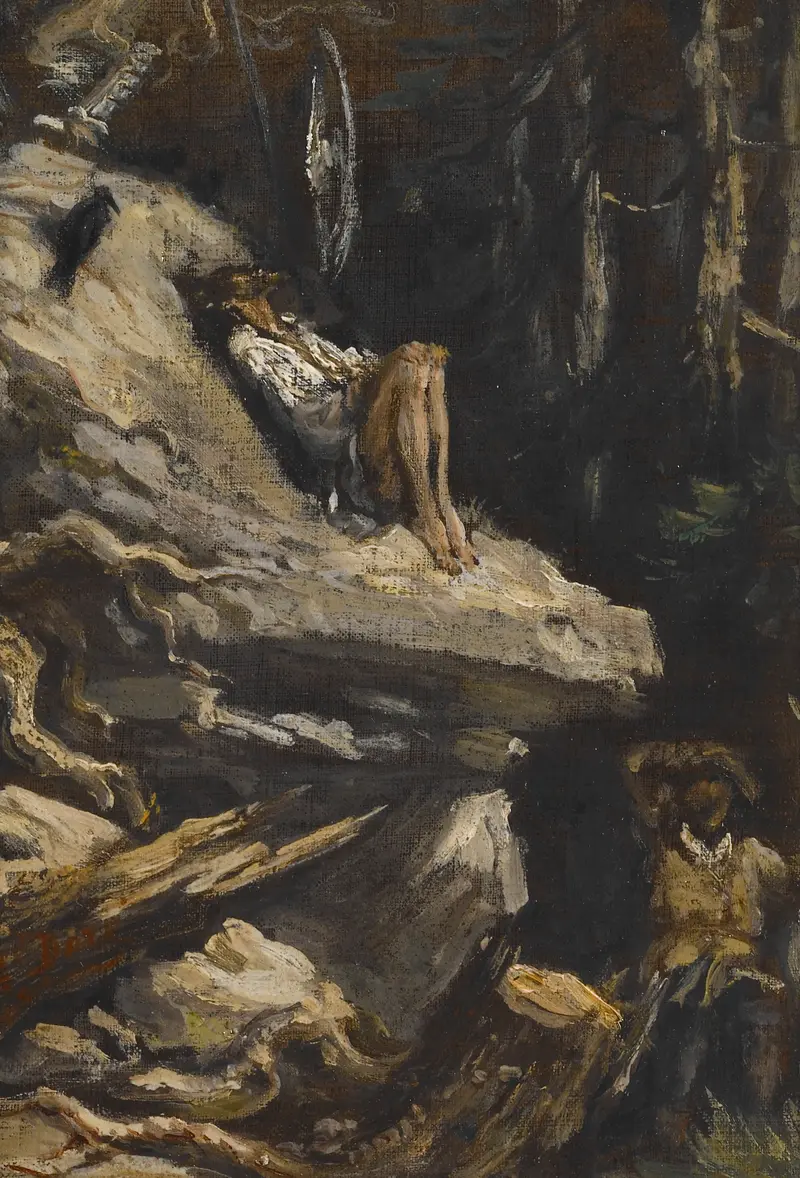
When Gustave Doré first traveled to Scotland in the 1870s, he was so struck by the wild, brooding beauty of the Highlands that he returned home with dozens of sketches—yet only a handful of finished paintings survive. Landscape in Scotland stands out among these as a rare example of Doré’s direct engagement with nature, rather than his more familiar literary or biblical scenes. The painting’s precise date, 1878, places it just after the publication of his illustrated edition of The Raven, suggesting a period when Doré was seeking new inspiration in the real world’s drama. In Landscape in Scotland, Doré captures the moment after a storm, when the clouds begin to break and a thin shaft of sunlight touches the rugged hills.
The foreground is dominated by a tangle of heather and stone, while a solitary figure—perhaps a shepherd—stands at the edge of a dark loch, dwarfed by the vastness around him. The contrast between the heavy, threatening sky and the sudden illumination on the peaks draws the viewer’s eye upward, emphasizing the untamed character of the land. Unlike the tranquil, orderly landscapes of John Constable, Doré’s vision is one of awe and humility before nature’s power, each brushstroke reinforcing the sense of isolation and grandeur. The exact medium of Landscape in Scotland remains uncertain, as Doré was known to work in both oil and watercolor during this period, and documentation is scarce.
The painting’s provenance is similarly unclear; it is not listed among the major commissions or exhibitions of Doré’s lifetime, and its early history is undocumented. Today, it is recognized as a significant work from the artist’s later years, reflecting his fascination with the north and his shift toward landscape painting. While Gustave Doré remains best known for his engravings and illustrations, works like this reveal another side of his talent—his ability to translate the drama of literature into the language of land and sky.
More Artworks by Gustave Doré

The Deluge
Gustave Doré
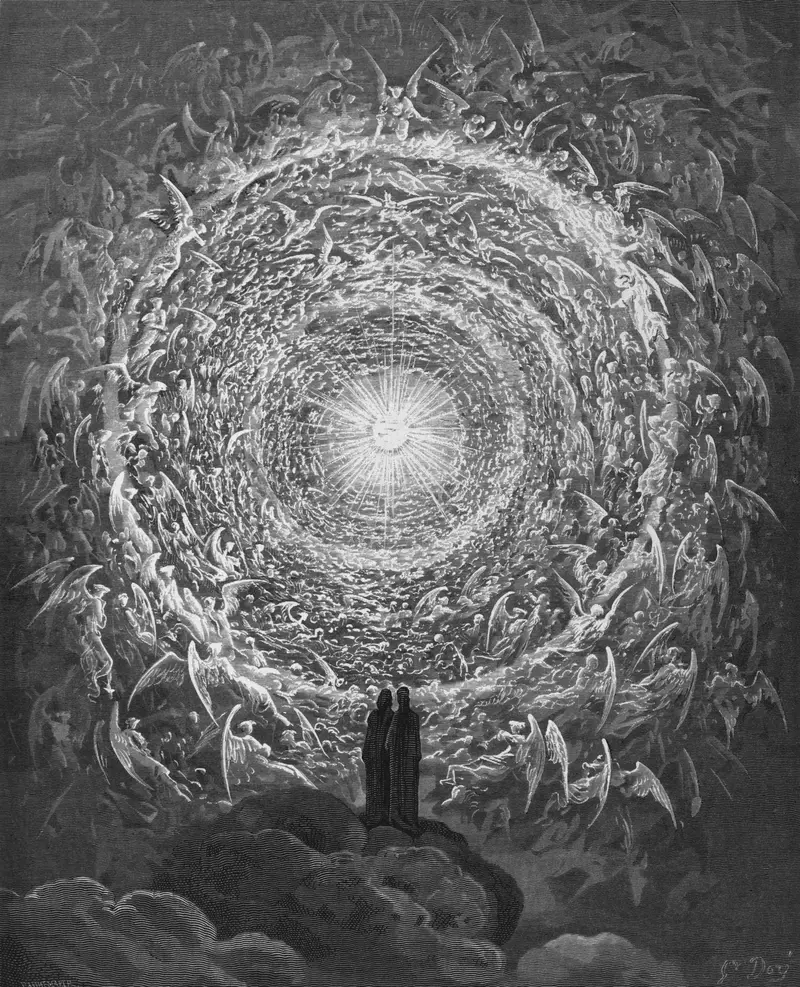
The Empyrean (Paradiso, Canto 31)
Gustave Doré
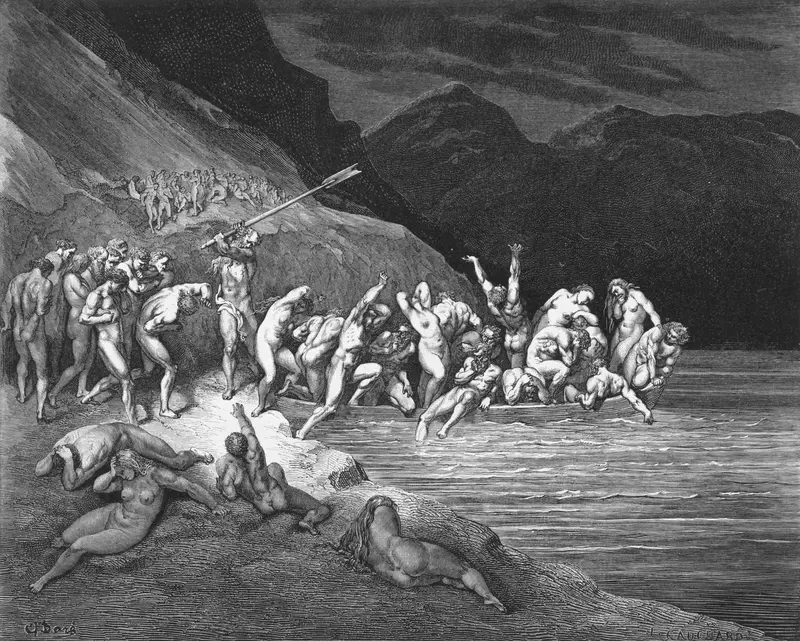
Charon (Inferno, Canto 3)
Gustave Doré
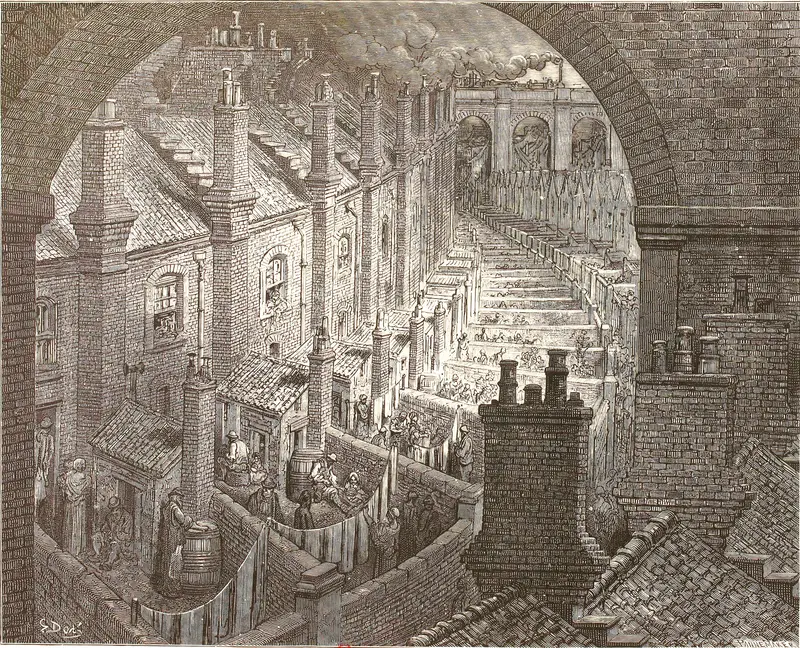
Over London by Rail
Gustave Doré
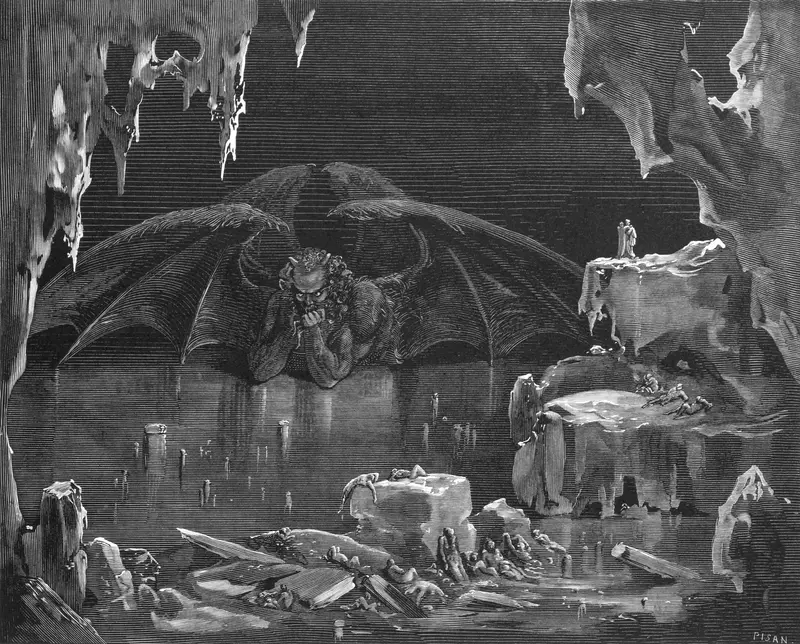
Lucifer, King of Hell
Gustave Doré
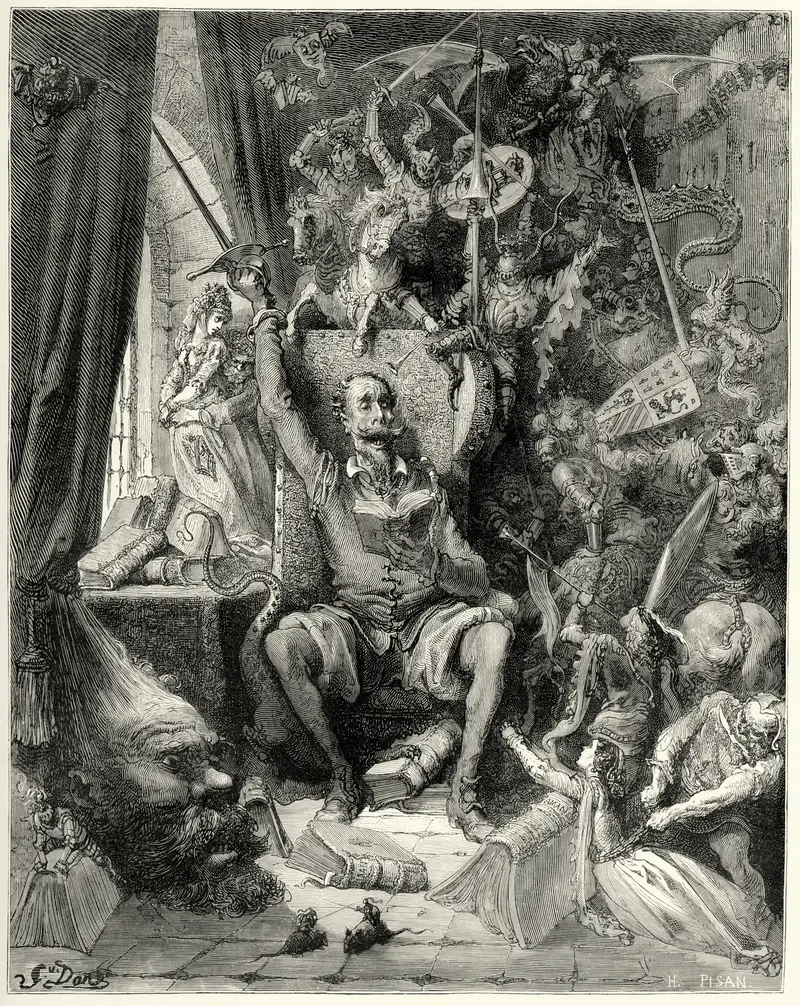
Don Quixote in His Library
Gustave Doré
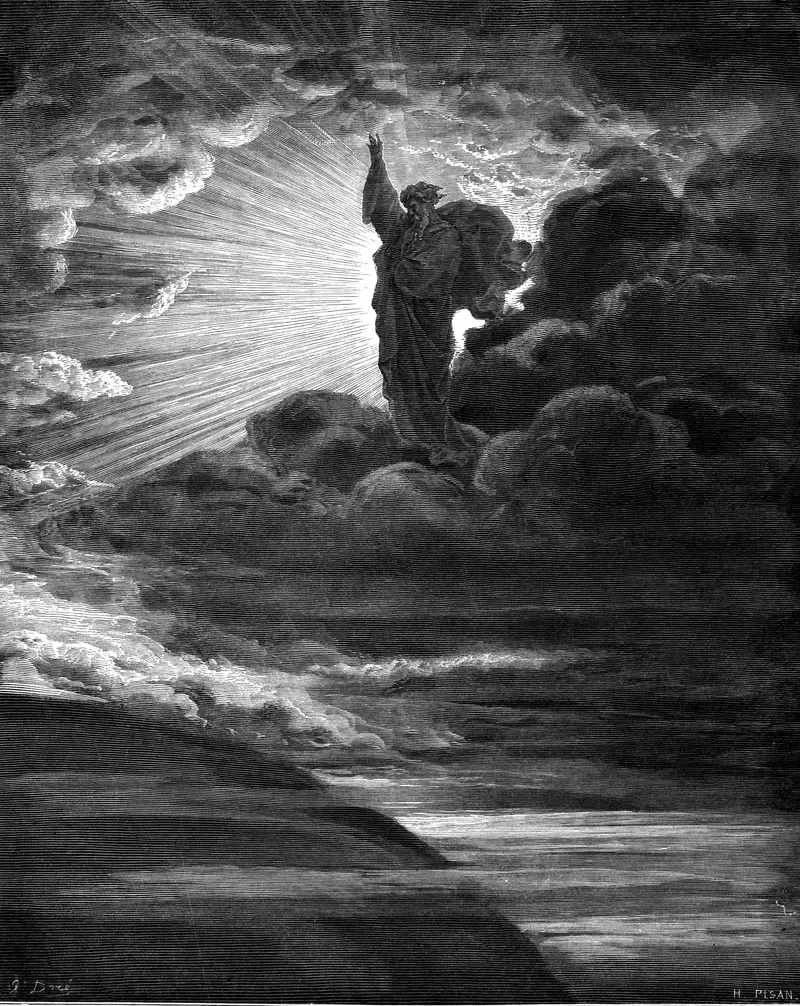
The Creation of Light
Gustave Doré
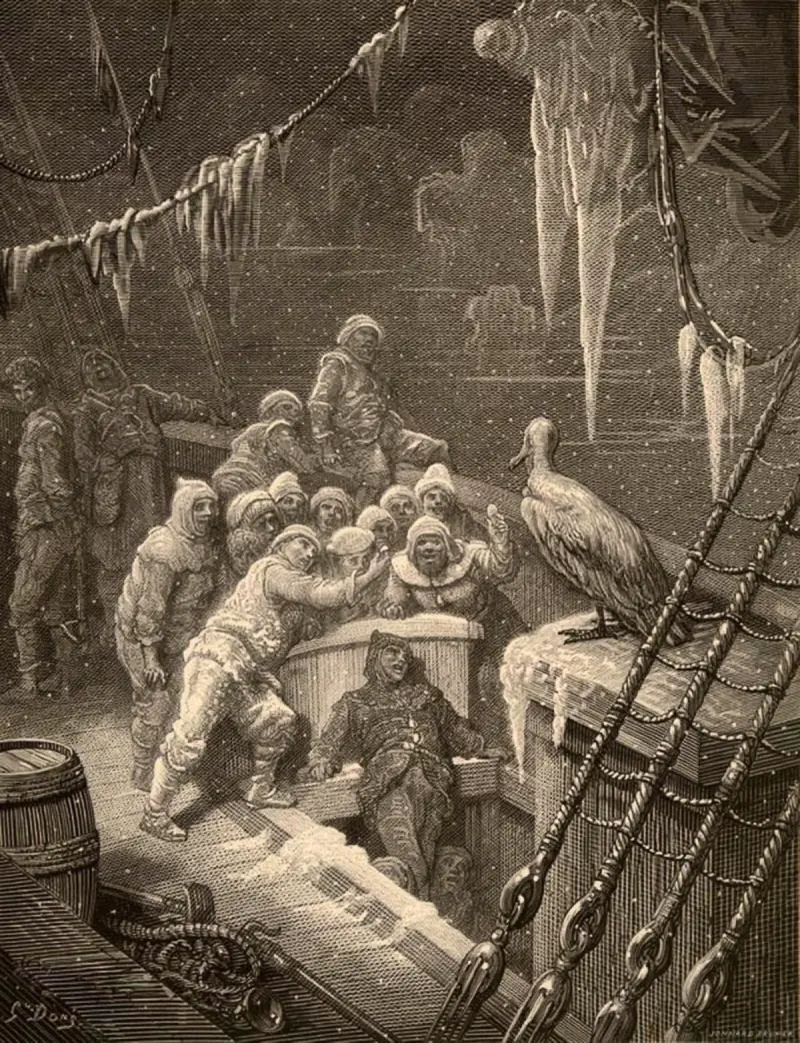
The Albatross (The Rime of the Ancient Mariner)
Gustave Doré
"'Alas!' answered Sancho, 'I found him in his shirt, lean, pale, and almost starved, sighing for his Lady Dulcinea'" from Don Quixote
Gustave Doré
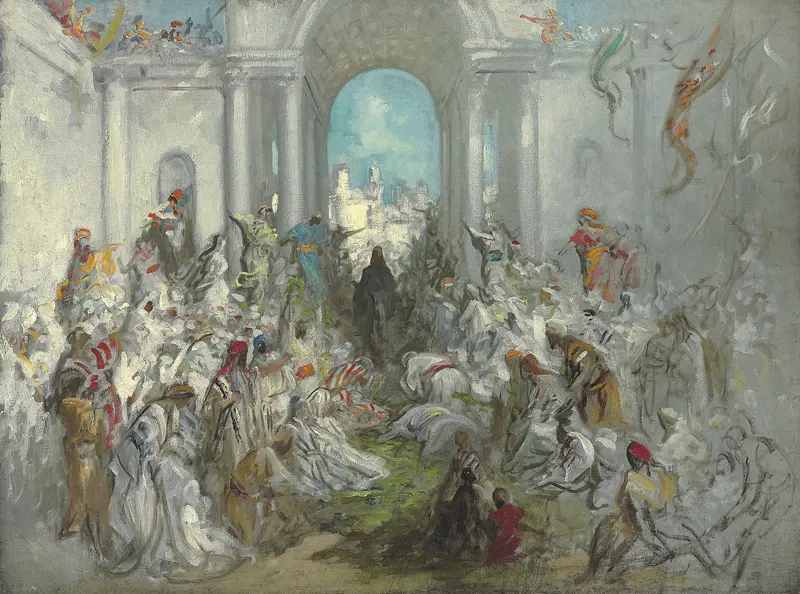
Christ's Entry into Jerusalem
Gustave Doré
More Landscape Art

The Starry Night
Vincent van Gogh

View of Delft
Johannes Vermeer

Water Lilies
Claude Monet

The Grand Canal, Venice, looking north-west from the Ca' Corner to the Ca' Contarini degli Scrigni, with the campanile of Santa Maria della Carità
Canaletto

Windsor Castle
Canaletto

The Grand Canal looking North-East from the Palazzo Dolfin-Manin to the Rialto Bridge
Canaletto