
Landscape, lake and figure — History & Facts
What secret hides in the quiet of the canvas? In the stillness of a painted landscape, movement lingers just beneath the surface, waiting to be discovered. Look to the center of the composition, where a serene lake mirrors the sky's soft blues and gentle whites. Notice the figure, poised on the bank, their body slightly turned as if caught in a moment of contemplation. The brushstrokes breathe life into the foliage that frames the scene, with delicate greens and earthy browns suggesting a gentle rustle, an invitation to breathe in nature’s tranquil essence.
The use of light subtly highlights the water's glimmer, guiding your gaze toward the depths of the landscape. Deeper insights reveal a tension between solitude and connection, as the lone figure seems both a part of the landscape and distinctly separate from it. The calm surface of the lake contrasts with the emotional undercurrents suggested by the figure’s posture, hinting at an internal dialogue with nature, perhaps a search for clarity. The harmony of colors evokes a sense of both peace and longing, articulating the complexities of human experience against the backdrop of a silent world. In the late 18th century, John Varley painted during a time when Romanticism was flourishing, capturing nature's grandeur while exploring the human soul's relationship with it.
Living in England, Varley was deeply influenced by the emerging landscape tradition, and his work reflects both a commitment to vivid realism and a burgeoning interest in the emotional resonance of the natural world. This piece encapsulates his pursuit of expressing movement and emotion within his serene landscapes.
More Artworks by John Varley
Browse all →
Knaresborough on the River Nidd, Yorkshire
John Varley

Kirkstall Abbey near Leeds
John Varley

Bamborough Castle from the Northeast, with Holy Island in the Distance, Northumberland
John Varley
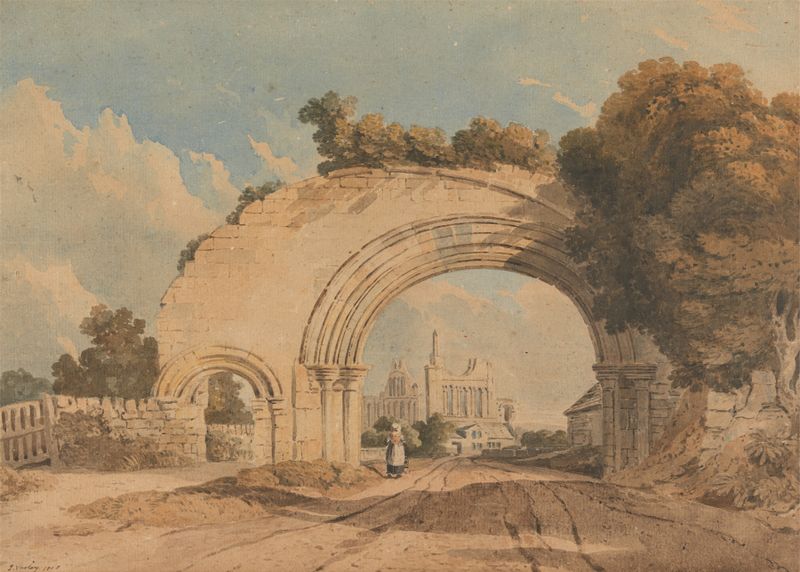
Byland Abbey, Yorkshire
John Varley

View of Conwy Castle, North Wales
John Varley
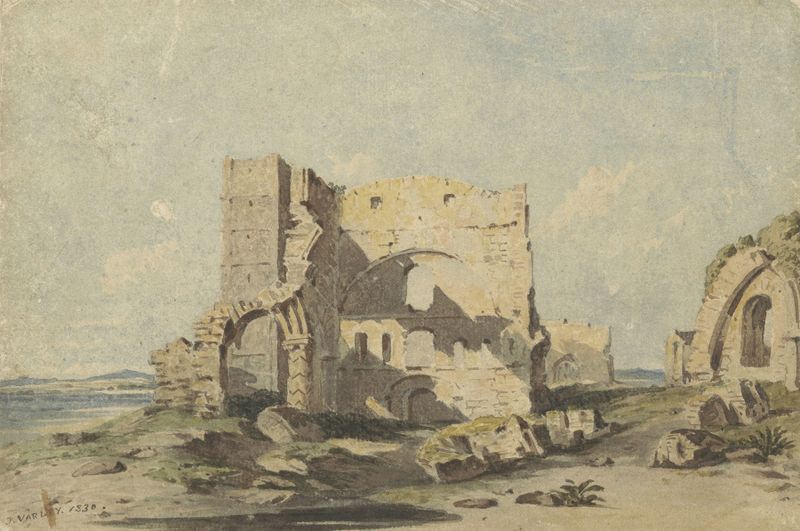
Lindisfarne Abbey op Holy Island, Northumberland
John Varley
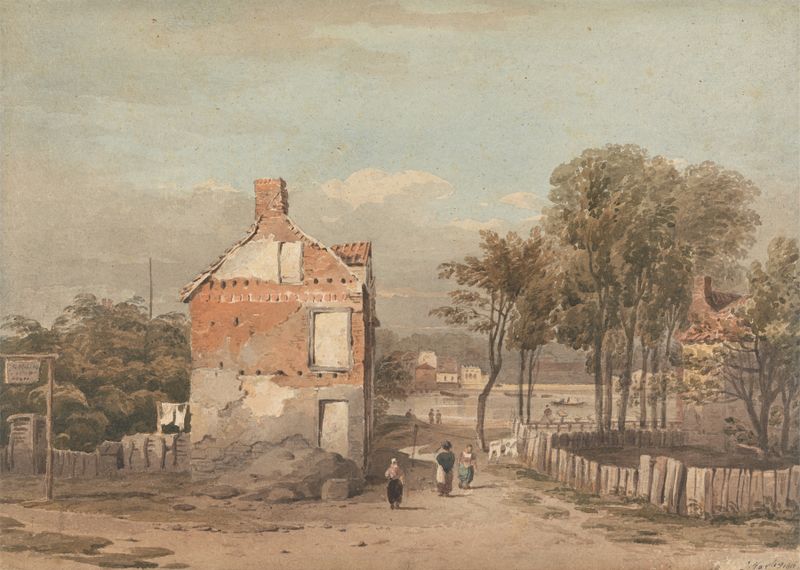
The Thames Near the Penitentiary, Millbank, London
John Varley

Vale of Clwyd, Wales
John Varley

A View along the Thames towards Chelsea Old Church
John Varley

The Thames at Windsor
John Varley





