
Landscape with a windmill and a bridge — History & Facts
In the stillness of a tranquil landscape, shadows dance, revealing secrets only glimpsed in fleeting moments. The interplay of light and dark captures an essence that speaks beyond the visible, inviting us to ponder what lies beneath the surface. Look to the center, where a graceful windmill stands sentinel against a backdrop of rolling hills and an arched bridge. Notice how the gentle curves of the landscape mirror the windmill's sails, creating a harmonious rhythm.
The palette of soft greens and muted browns imbues the scene with a sense of calm, while the contrasting sharpness of the shadows adds depth and intrigue, coaxing the eye to explore every layer of the composition. Upon closer inspection, the shadows cast by the windmill reveal a duality—one of serenity and the looming presence of solitude. The bridge, seemingly inviting, suggests connection yet stands vacant, symbolizing the tension between journey and stasis. Each shadow holds a narrative of its own, allowing viewers to immerse themselves in the quiet revelations of the landscape, prompting reflections on presence and absence. In 1920, Tadeusz Makowski painted this work during a time of transition in European art, deeply influenced by the aftermath of World War I.
Living in Paris, he navigated the complexities of modernism while drawing inspiration from the simplicity of rural life. This period marked a fusion of innocence with mature introspection in his work, aligning with his search for beauty amid chaos.
More Artworks by Tadeusz Makowski
Browse all →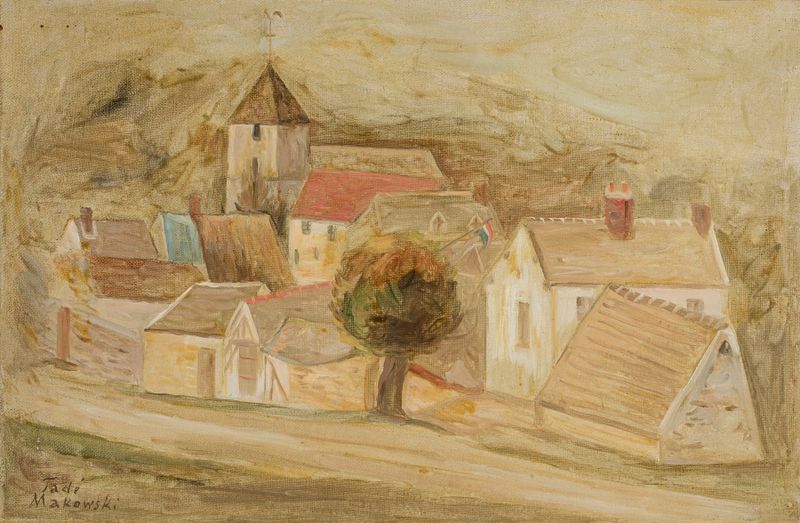
Miasteczko
Tadeusz Makowski

Pejzaż wiosenny
Tadeusz Makowski
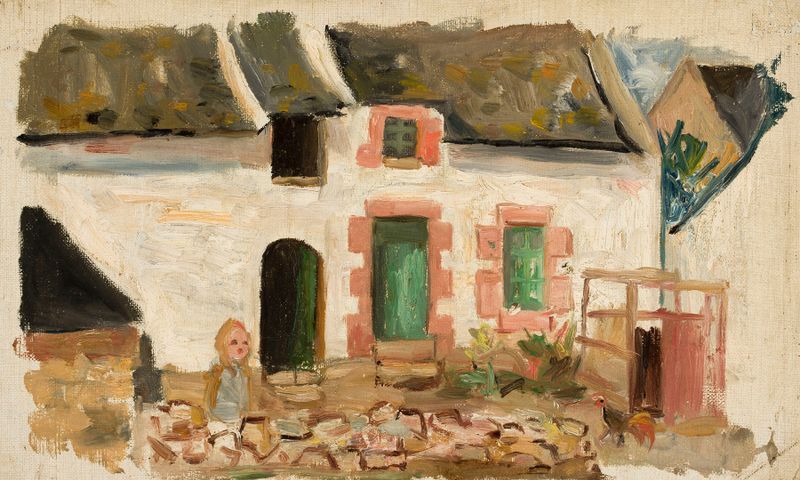
Dziecko przed domem
Tadeusz Makowski
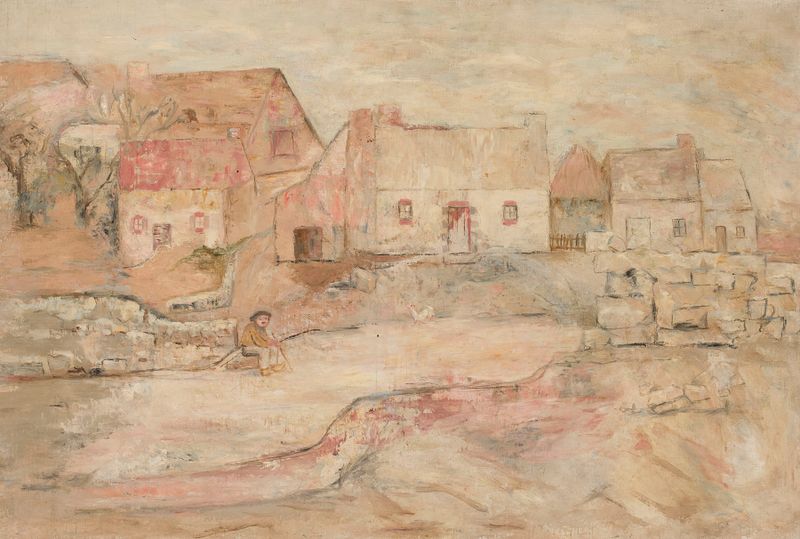
Pejzaż bretoński z siedzącym człowiekiem
Tadeusz Makowski
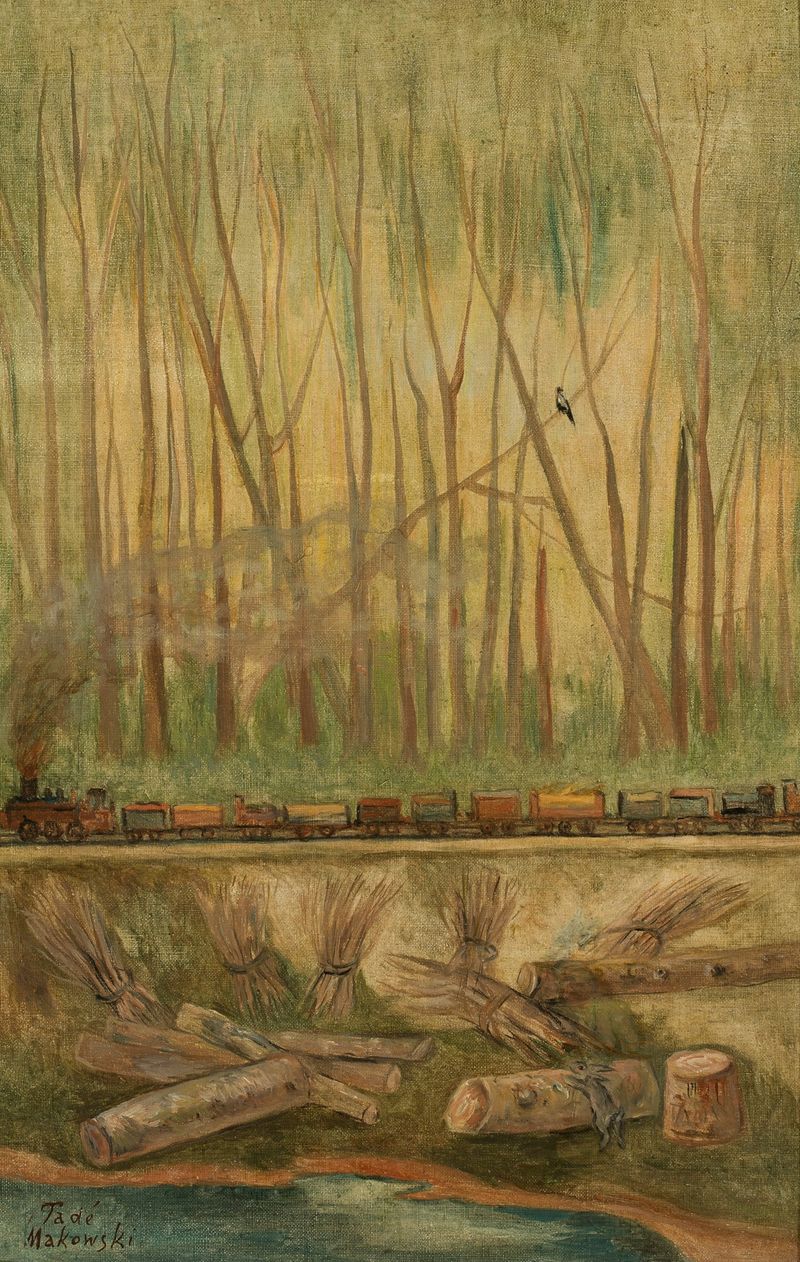
Pociąg
Tadeusz Makowski
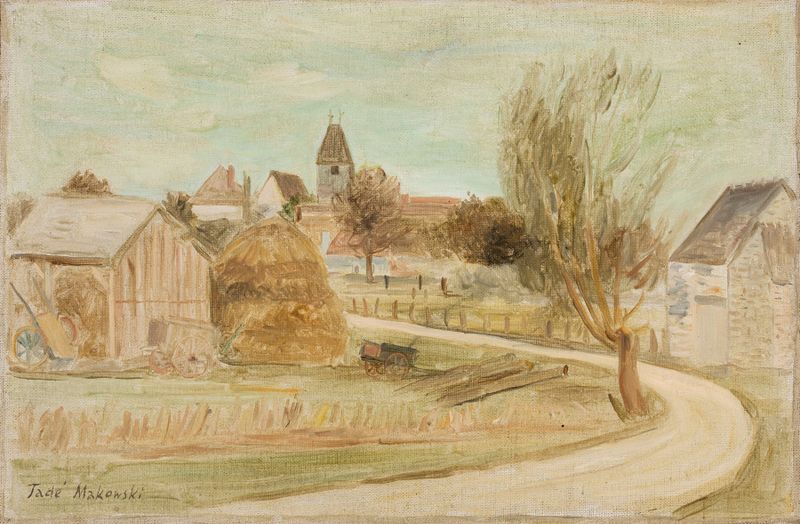
Na skraju wsi
Tadeusz Makowski

Pejzaż miejski (Esplanade des Invalides)
Tadeusz Makowski
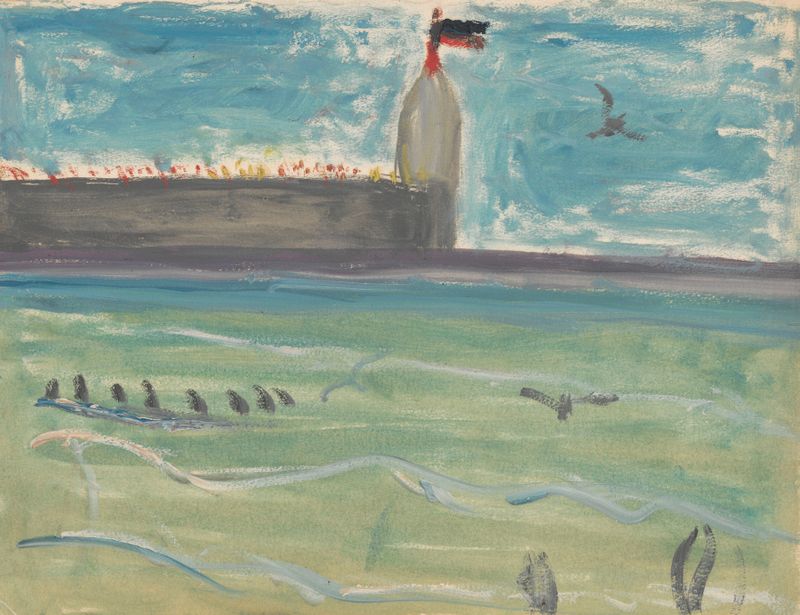
Latarnia morska w Tréport
Tadeusz Makowski
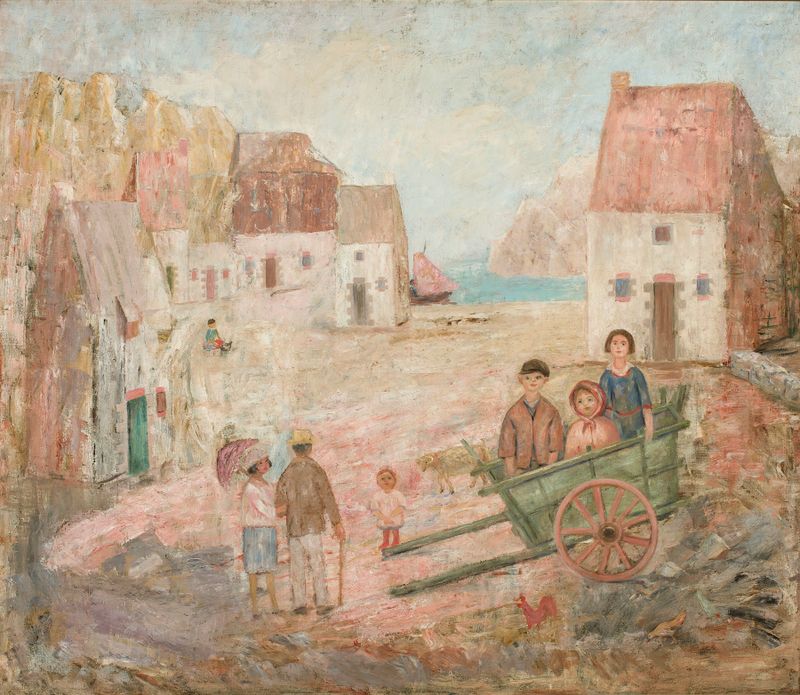
Landscape of a small town with children in a pram
Tadeusz Makowski
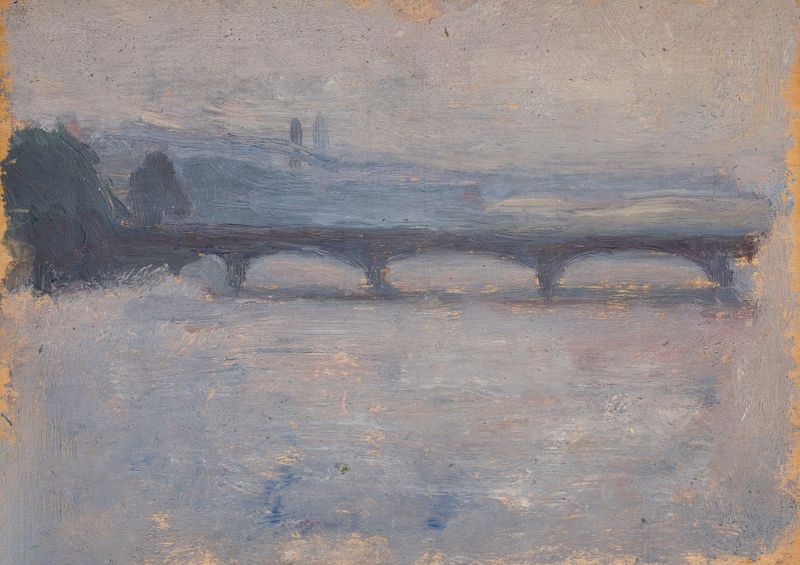
Bridge on the Seine
Tadeusz Makowski





