
Landscape with Farmhouse — History & Facts
A battered farmhouse, its roof sagging and walls crumbling, stands at the center of Landscape with Farmhouse, drawing the viewer into a scene where daily life persists amid quiet ruin. The eye is led first to the cluster of figures in the foreground: two women and a child, their gestures and glances suggesting conversation or perhaps a moment of rest from work. Around them, the scattered tools, baskets, and a sleepy dog signal a world of labor and rural routine, while a goat and sheep doze in the sun.
The broken architecture frames these lives, with a window offering a glimpse of another figure inside, hinting at unseen stories within the walls. Above all, the vast sky and the cool, clear light lend the scene a sense of openness, even as the ruined buildings close in. Painted in 1629 by Abraham Bloemaert, this work belongs to a period when Dutch and Flemish artists turned their attention to the countryside, capturing both its hardships and its enduring rhythms. Such landscapes were prized by a new class of urban collectors, eager for images that celebrated rural virtue or evoked nostalgia for a vanishing way of life.
While little is recorded about this specific painting’s journey or commission, its survival allows us to glimpse the world of the early seventeenth century—a world in which the marks of time and toil are written into every brick and branch. The painting invites us to linger, to notice the small dramas and quiet pleasures that persist even in the shadow of decay.
More Artworks by Abraham Bloemaert

Adam and Eve
Abraham Bloemaert
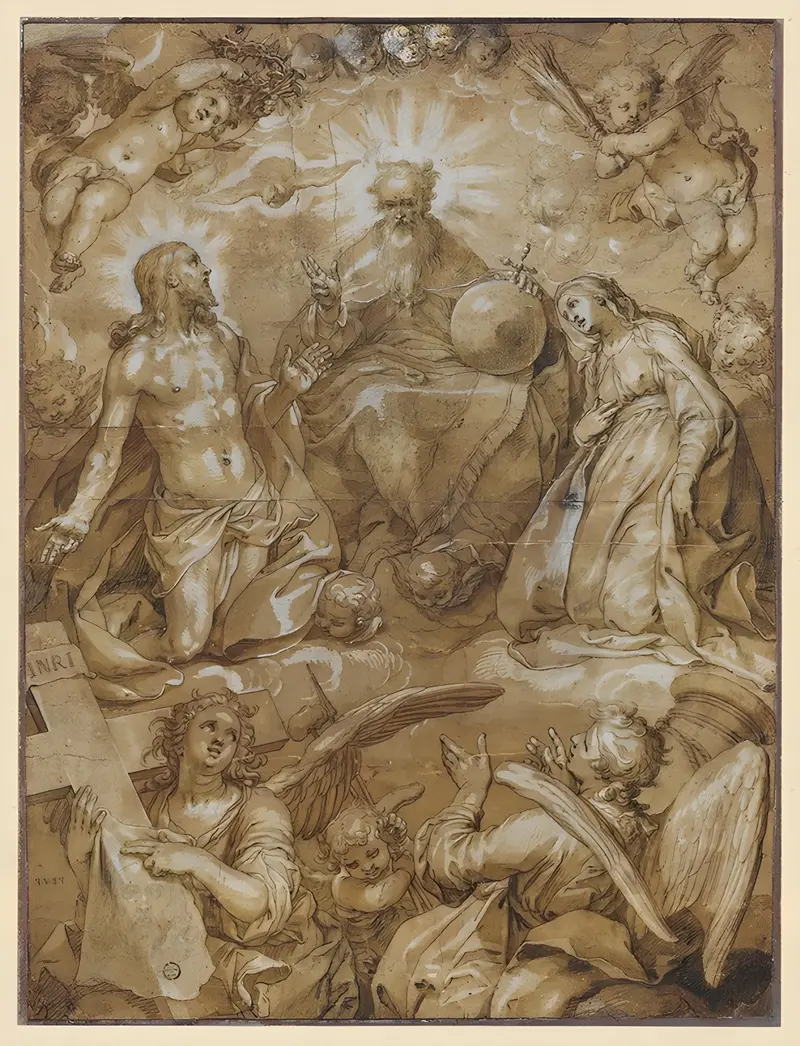
Intercession of Christ and Mary before God the Father
Abraham Bloemaert
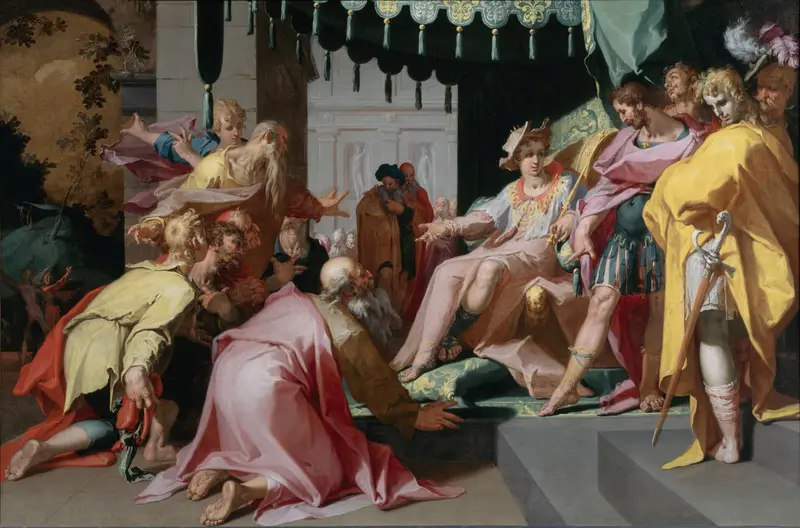
Joseph and his Brothers
Abraham Bloemaert
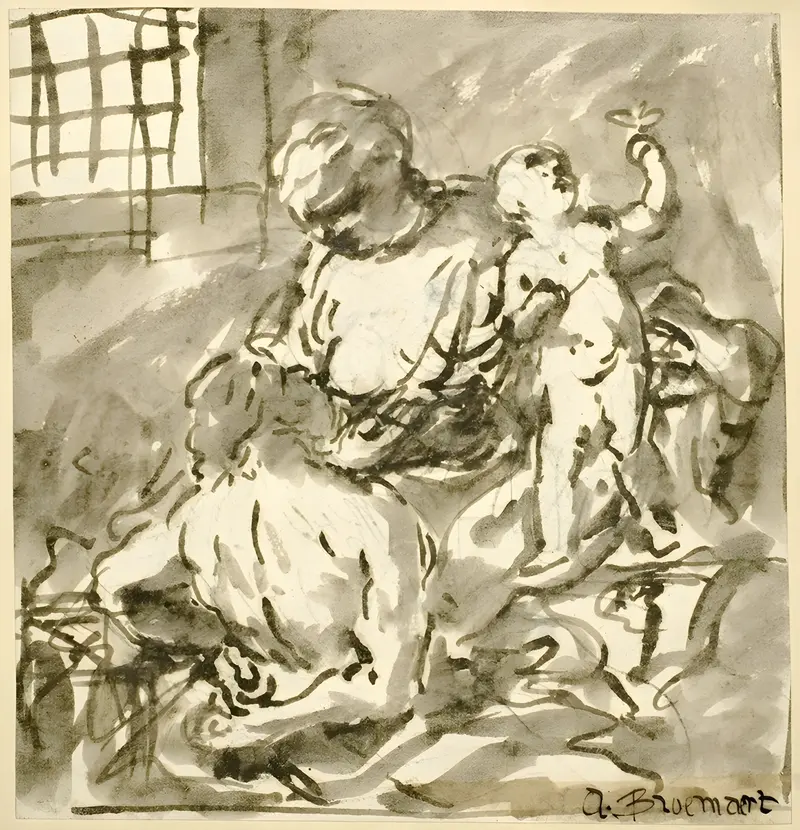
Caritas Romana
Abraham Bloemaert
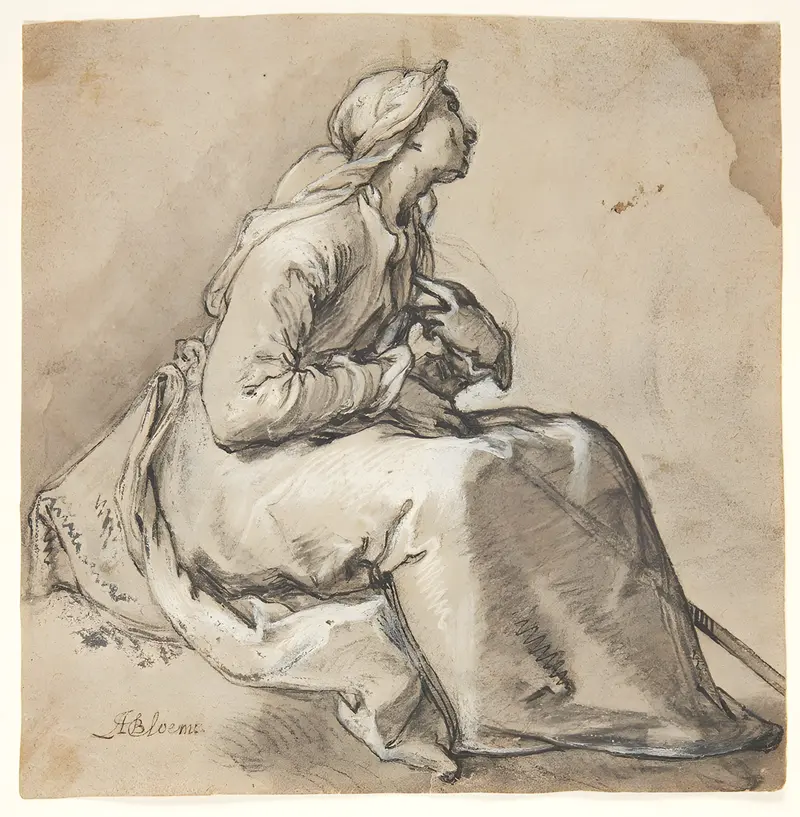
A seated woman facing right
Abraham Bloemaert
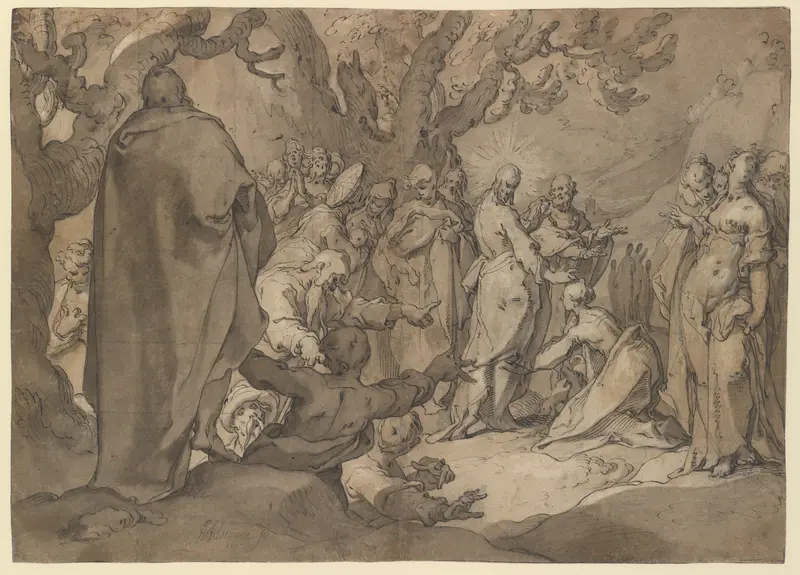
Christ and the Canaanite Women
Abraham Bloemaert
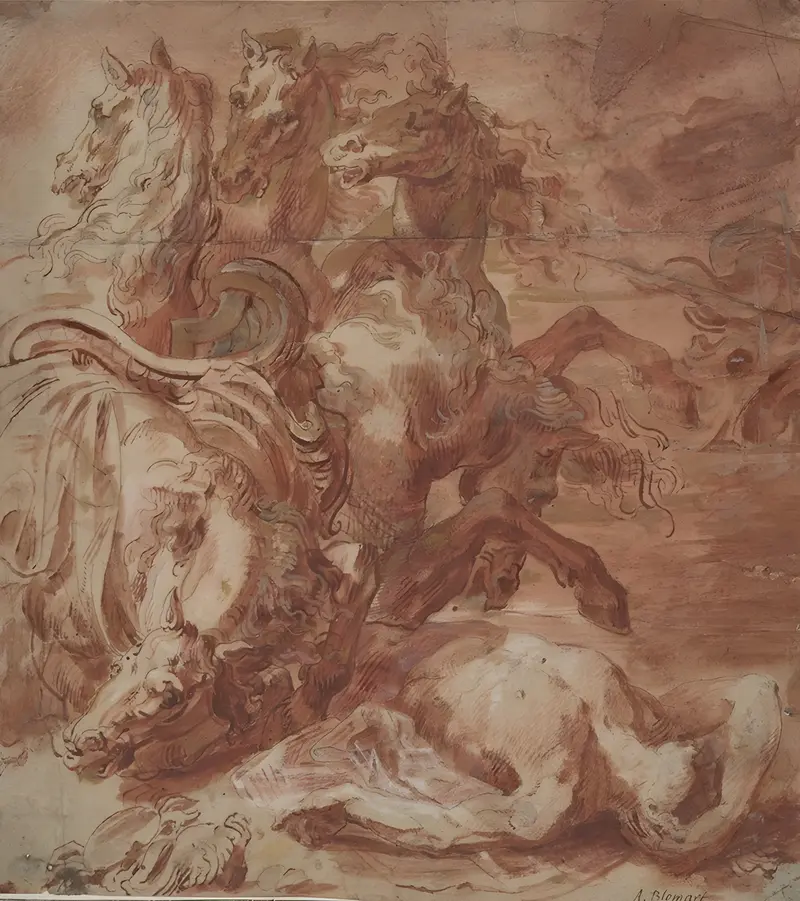
Hippolytus
Abraham Bloemaert
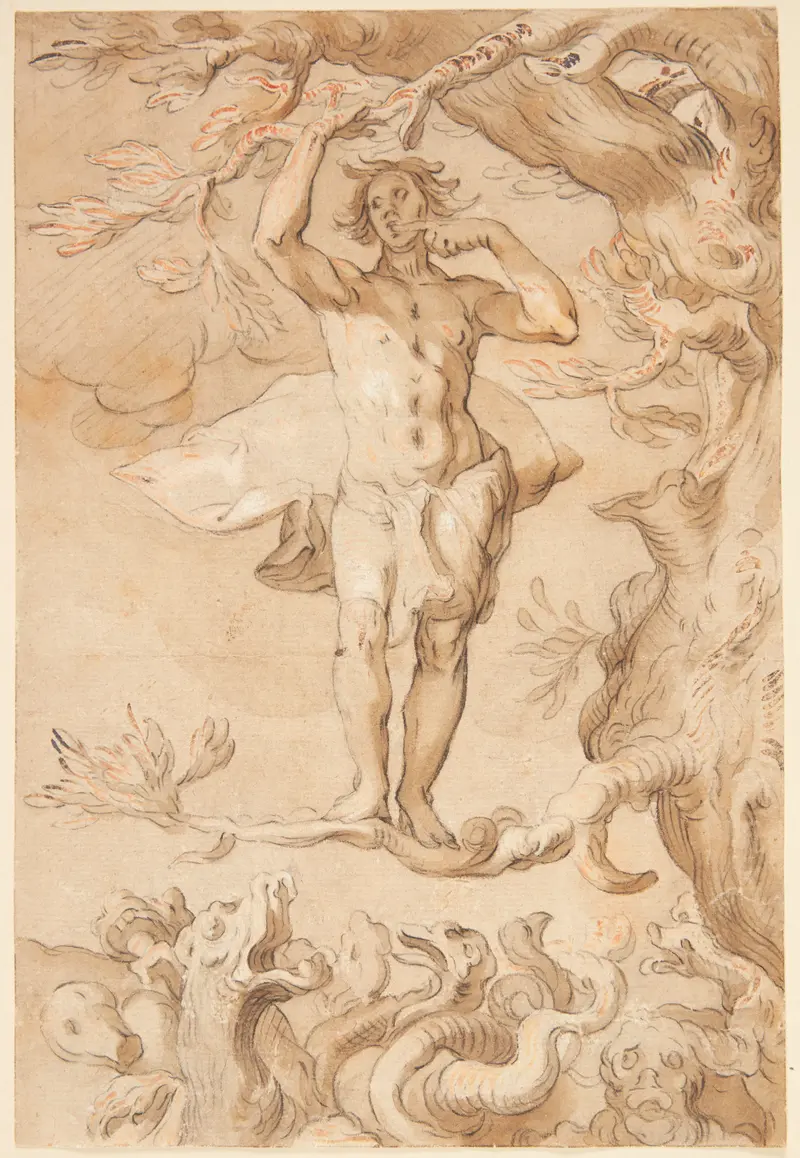
Den menneskelige glædes skrøbelighed En mand, der jages af en drage, klynger sig til en gren, mens han slikker honning af sin finger
Abraham Bloemaert

Moses Striking the Rock
Abraham Bloemaert
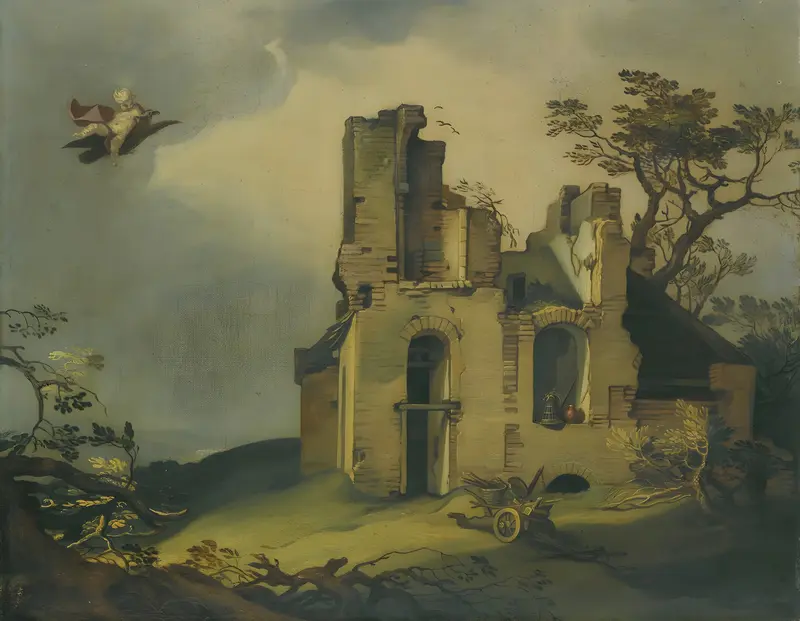
A Landscape With Ruins, With The Rape Of Ganymede
Abraham Bloemaert
More Landscape Art

The Starry Night
Vincent van Gogh

View of Delft
Johannes Vermeer

Water Lilies
Claude Monet

The Grand Canal, Venice, looking north-west from the Ca' Corner to the Ca' Contarini degli Scrigni, with the campanile of Santa Maria della Carità
Canaletto

Windsor Castle
Canaletto

The Grand Canal looking North-East from the Palazzo Dolfin-Manin to the Rialto Bridge
Canaletto