
Landscape with farmstead, peasants and the exodus of Tobias with the angel — History & Facts
What first catches the eye in Landscape with farmstead, peasants and the exodus of Tobias with the angel is the way everyday life and biblical journey quietly intertwine under a vast, restless sky. The farmhouse, patched and weathered, anchors the left side of the scene, its crooked chimney and sagging gate testifying to the rhythms of rural existence. In the foreground, peasants sprawl in exhaustion, their limbs heavy and hats askew, while a dog sniffs among the scattered tools and vegetables—a reminder that labor and rest are inseparable here.
Yet the painting’s true current runs in the figures to the right: a boy with a basket, a woman glancing back, and a goat at the edge of the fields. The light draws us gently toward them, hinting at departure and the quiet gravity of a story unfolding just beneath the surface. Works like this, painted in the Dutch Republic of the early seventeenth century, often wove together the sacred and the ordinary, inviting viewers to find meaning in the familiar. Scenes from the Book of Tobias were especially popular, their themes of guidance and perseverance resonating in a world shaped by war, faith, and the rise of a prosperous middle class.
Abraham Bloemaert, the artist, was known for his versatility and his ability to bridge the grand tradition of history painting with the new taste for landscapes and genre scenes. Dated 1630 and now in the collection of the Staatliche Museen zu Berlin, this painting stands as a quiet testament to an age when the everyday and the divine shared the same ground—inviting us to look again, and perhaps see more than we first expected.
More Artworks by Abraham Bloemaert

Adam and Eve
Abraham Bloemaert
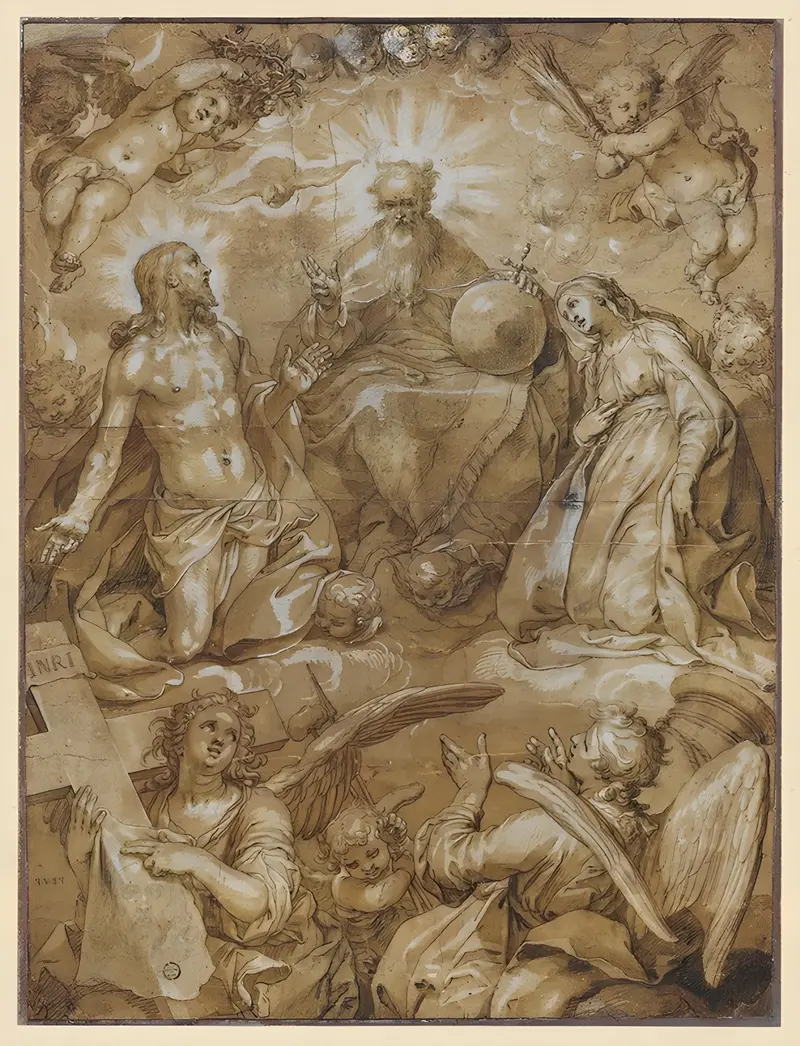
Intercession of Christ and Mary before God the Father
Abraham Bloemaert
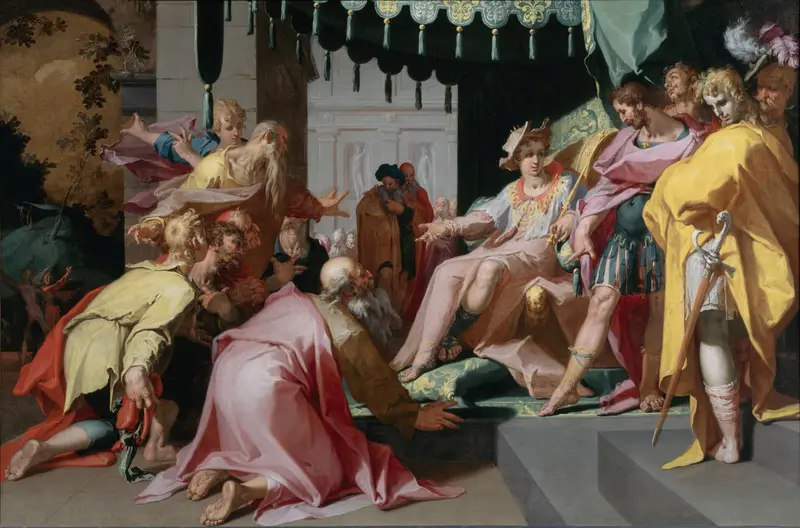
Joseph and his Brothers
Abraham Bloemaert
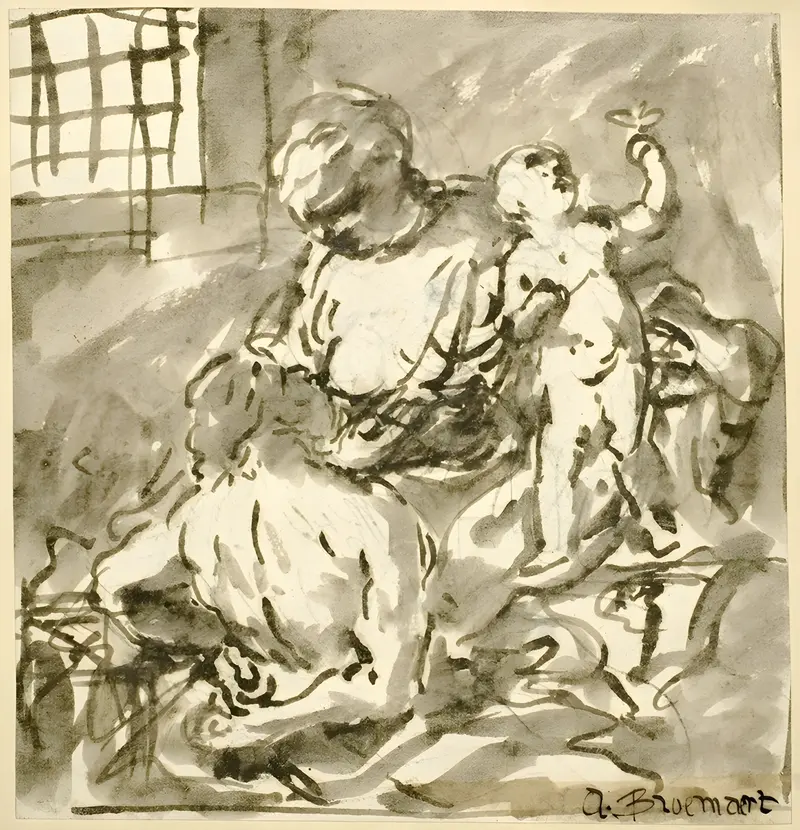
Caritas Romana
Abraham Bloemaert
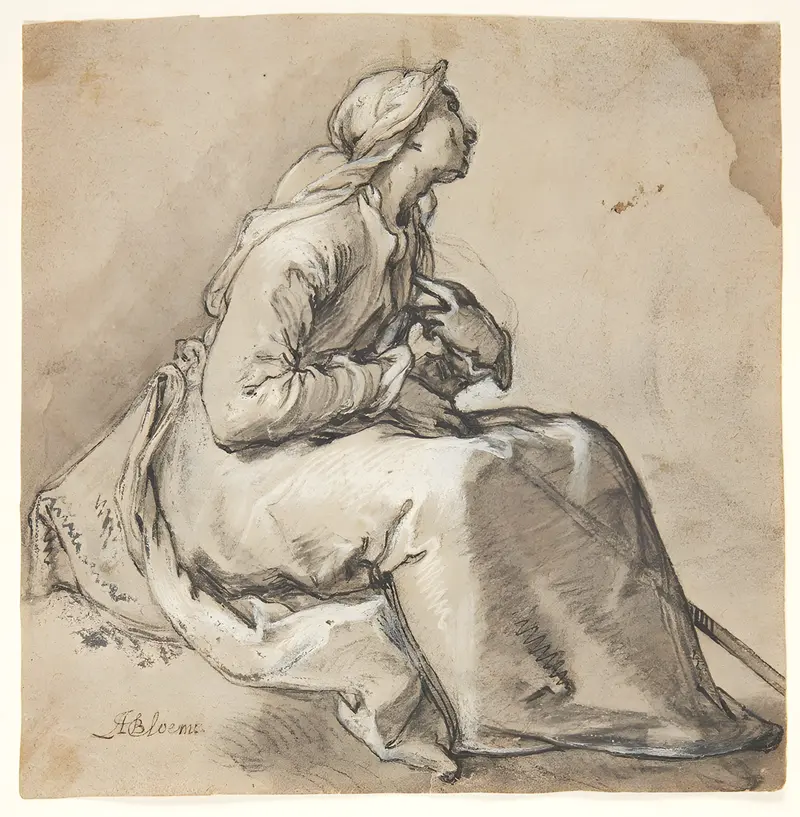
A seated woman facing right
Abraham Bloemaert
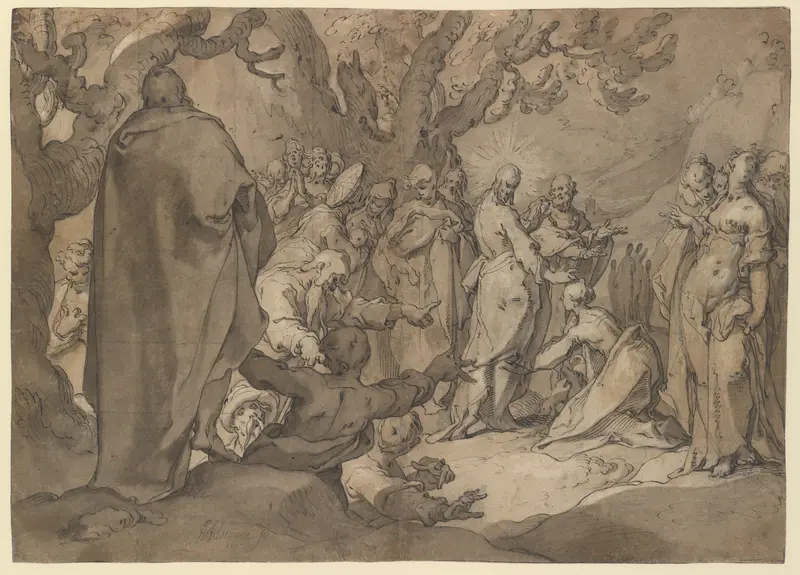
Christ and the Canaanite Women
Abraham Bloemaert
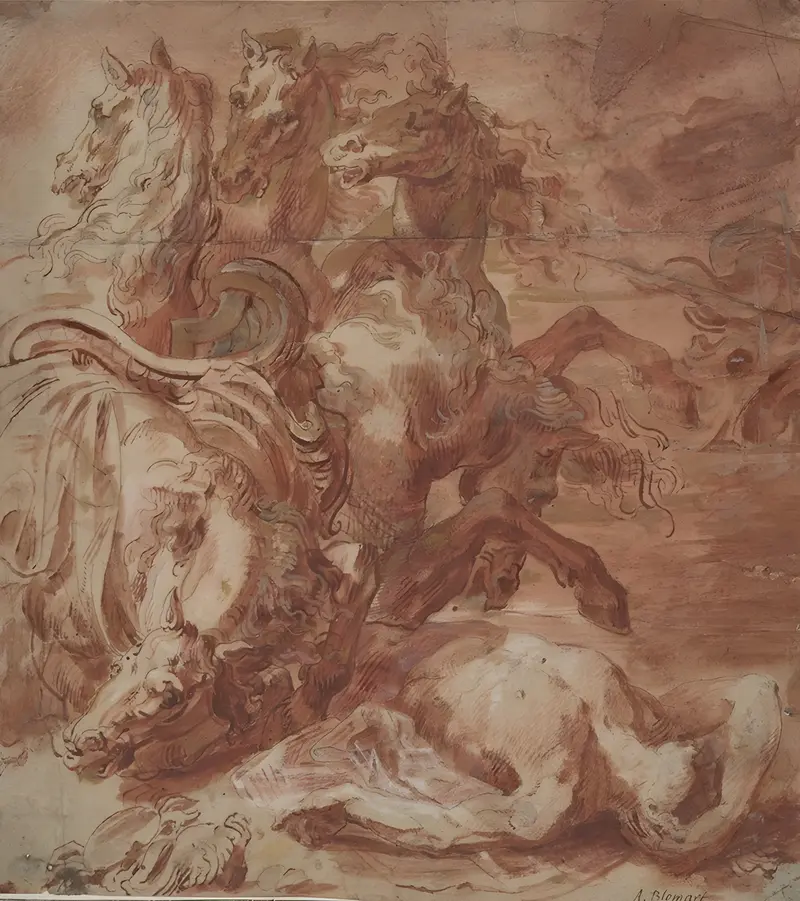
Hippolytus
Abraham Bloemaert
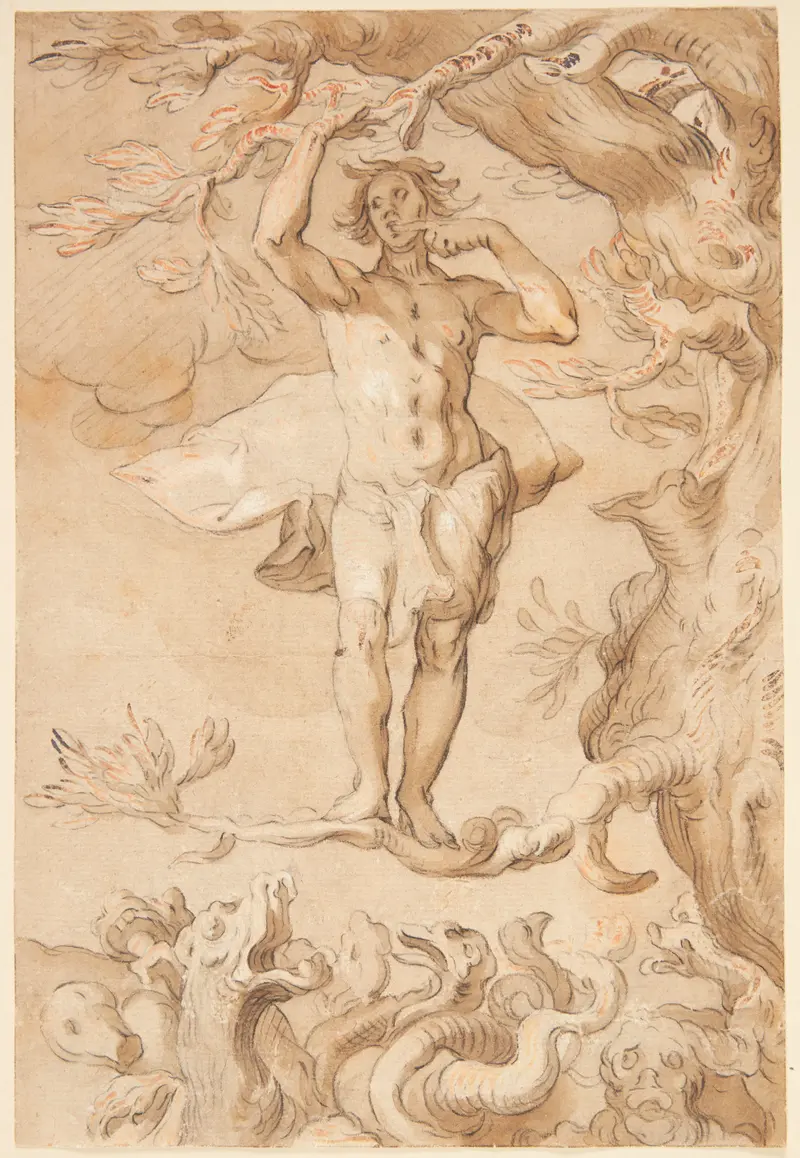
Den menneskelige glædes skrøbelighed En mand, der jages af en drage, klynger sig til en gren, mens han slikker honning af sin finger
Abraham Bloemaert

Moses Striking the Rock
Abraham Bloemaert
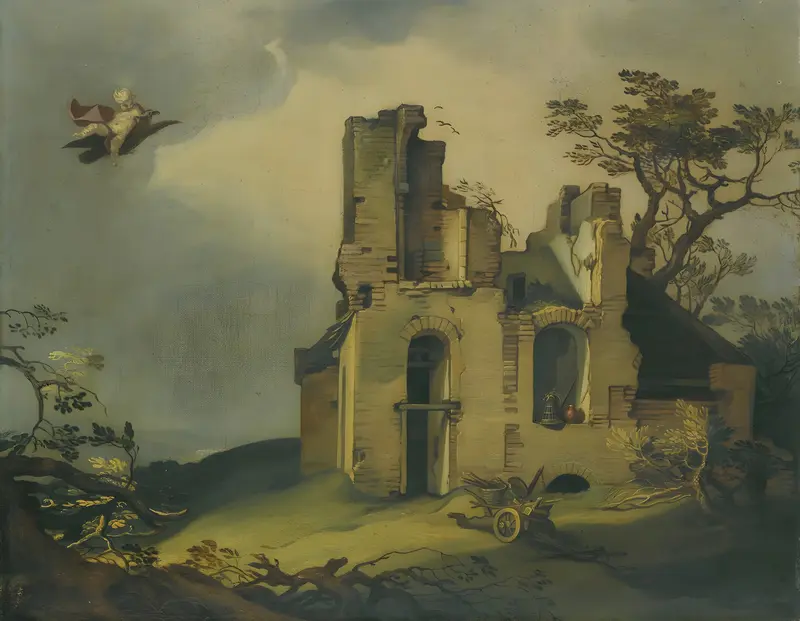
A Landscape With Ruins, With The Rape Of Ganymede
Abraham Bloemaert
More Landscape Art

The Starry Night
Vincent van Gogh

View of Delft
Johannes Vermeer

Water Lilies
Claude Monet

The Grand Canal, Venice, looking north-west from the Ca' Corner to the Ca' Contarini degli Scrigni, with the campanile of Santa Maria della Carità
Canaletto

Windsor Castle
Canaletto

The Grand Canal looking North-East from the Palazzo Dolfin-Manin to the Rialto Bridge
Canaletto