
Landscape with Herdsmen and Satan Sowing Darnel — History & Facts
What first draws the eye in Landscape with Herdsmen and Satan Sowing Darnel is not the slumbering shepherds or even the watchful ox, but the strange, furtive figure at the edge of the field—a horned being scattering seeds in the moonlit distance. The painting’s quiet foreground, filled with the gentle disorder of sleep and daily life, is a foil for the drama unfolding just beyond, where mischief is at work. The sleeping child, curled beside a sack and pottery, is painted with a tenderness that heightens the sense of vulnerability.
The light falls softly on the figures, guiding us from the heavy shadows of the ox to the pale hillside where the sinister sower moves, almost unnoticed. Every vessel, every fold of cloth, seems to pause and listen, as if the land itself is holding its breath. Painted in 1604, this work belongs to a world where biblical parables were a familiar visual language, especially in the hands of Northern European artists like Abraham Bloemaert. The Parable of the Tares—where an enemy sows weeds among wheat while men sleep—offered painters a chance to explore both moral warning and the beauty of rural life.
Such scenes were prized by collectors and patrons who sought both spiritual reflection and the pleasures of landscape. In this era, artists in the Dutch and Flemish tradition were expanding the possibilities of genre and allegory, weaving together the everyday and the supernatural. Today, as part of the Hermitage collection, this painting invites us to linger over its uneasy peace, and to notice what stirs at the edge of vision.
More Artworks by Abraham Bloemaert

Adam and Eve
Abraham Bloemaert
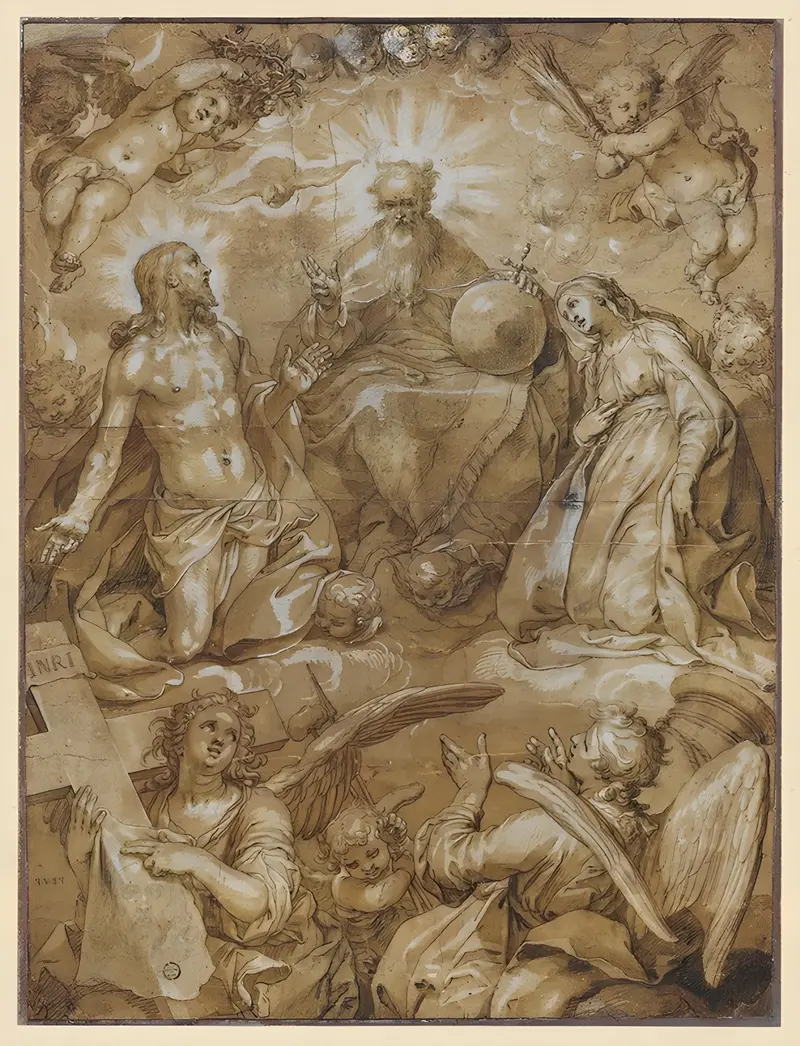
Intercession of Christ and Mary before God the Father
Abraham Bloemaert
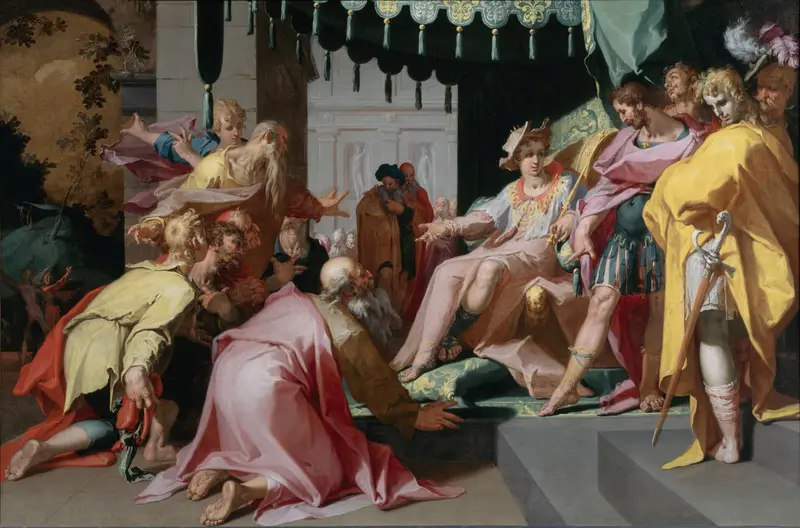
Joseph and his Brothers
Abraham Bloemaert
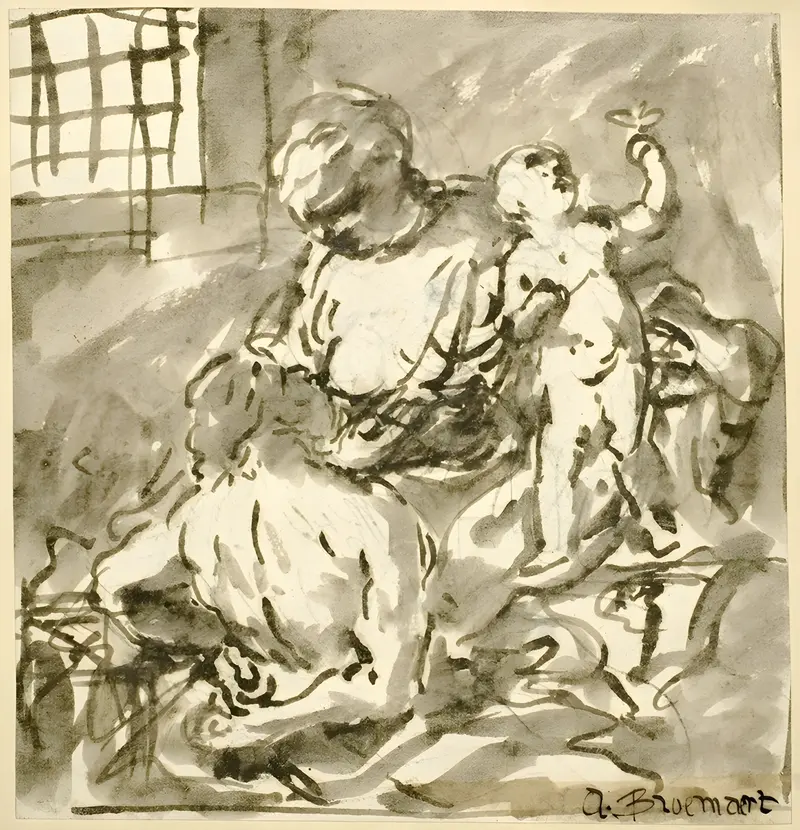
Caritas Romana
Abraham Bloemaert
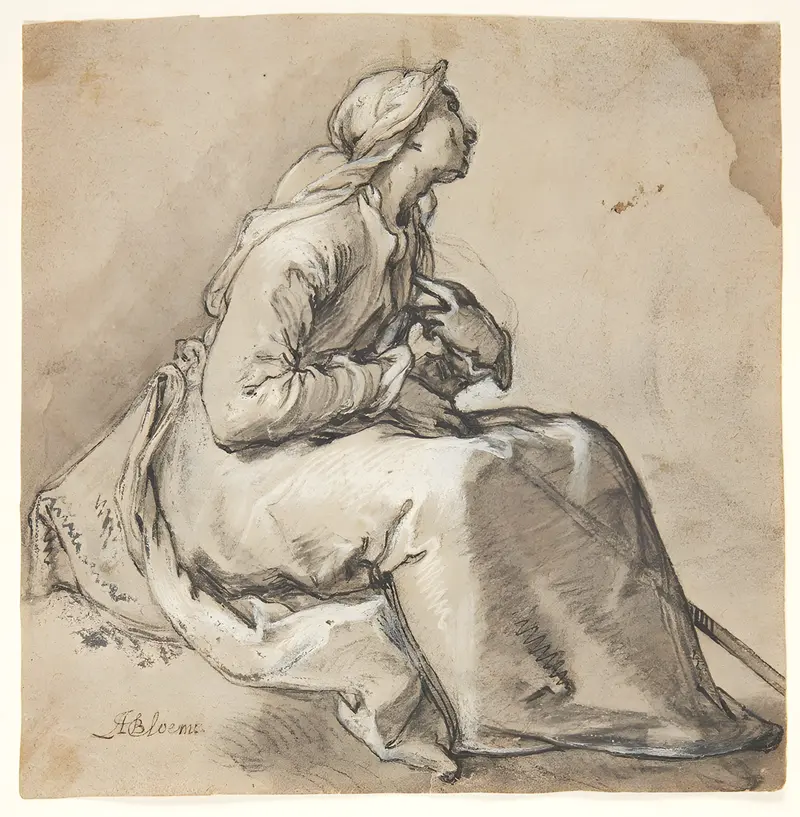
A seated woman facing right
Abraham Bloemaert
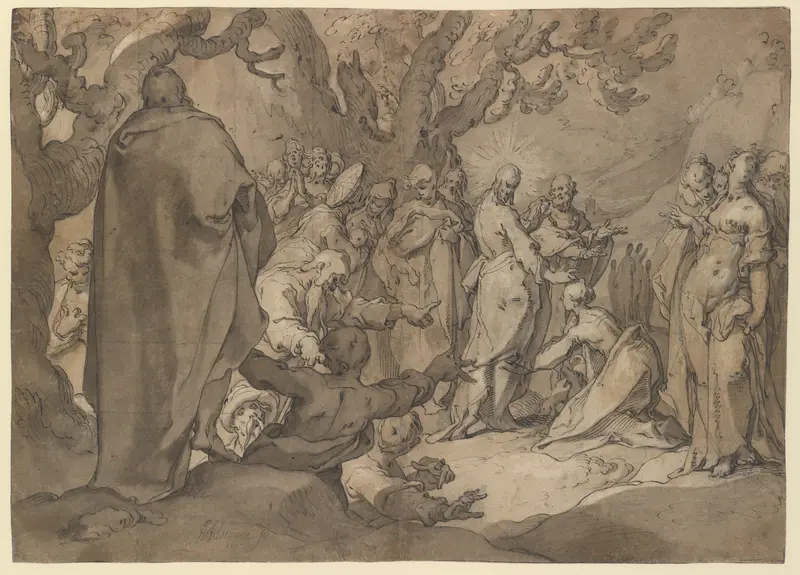
Christ and the Canaanite Women
Abraham Bloemaert
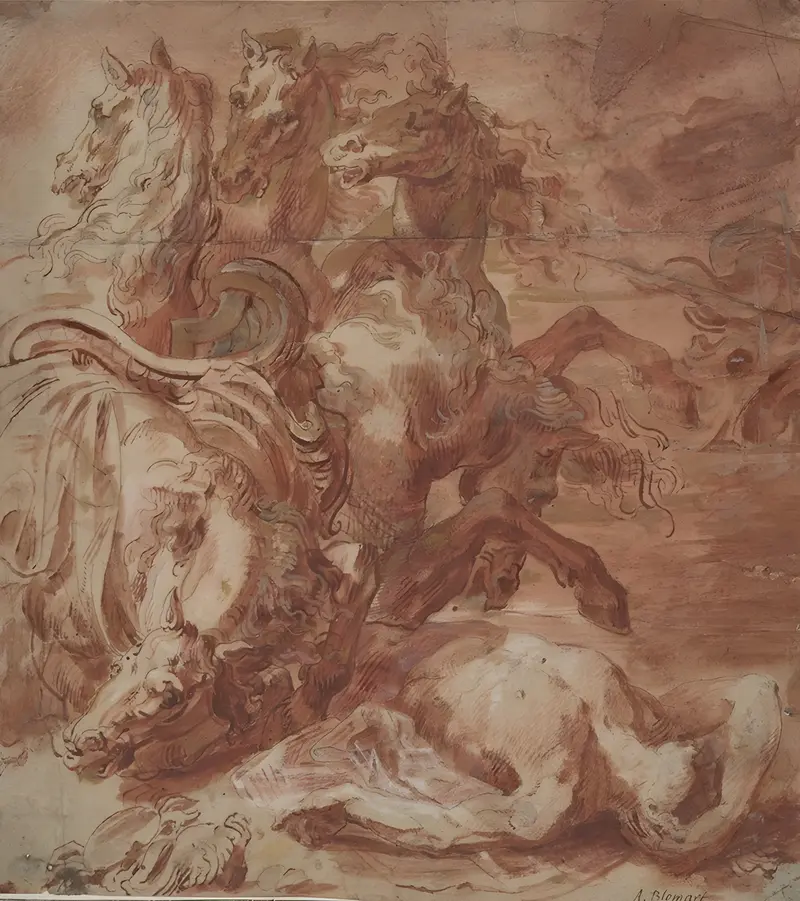
Hippolytus
Abraham Bloemaert
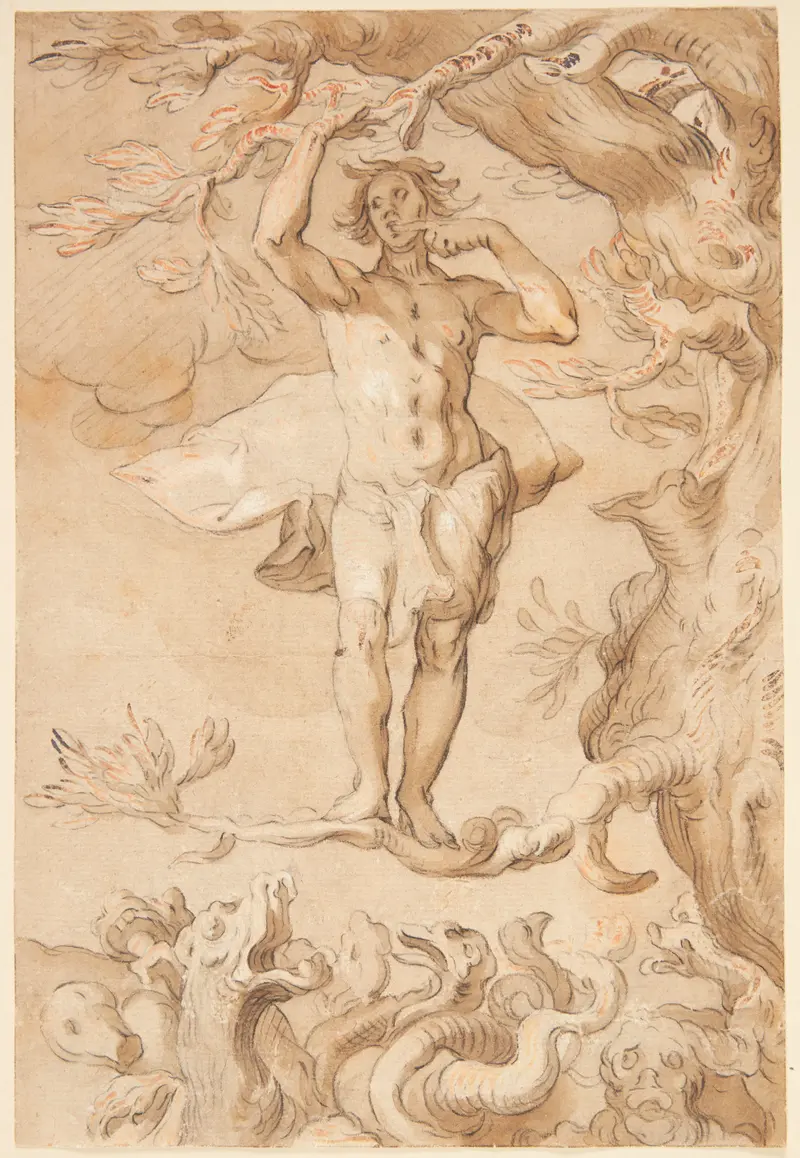
Den menneskelige glædes skrøbelighed En mand, der jages af en drage, klynger sig til en gren, mens han slikker honning af sin finger
Abraham Bloemaert

Moses Striking the Rock
Abraham Bloemaert
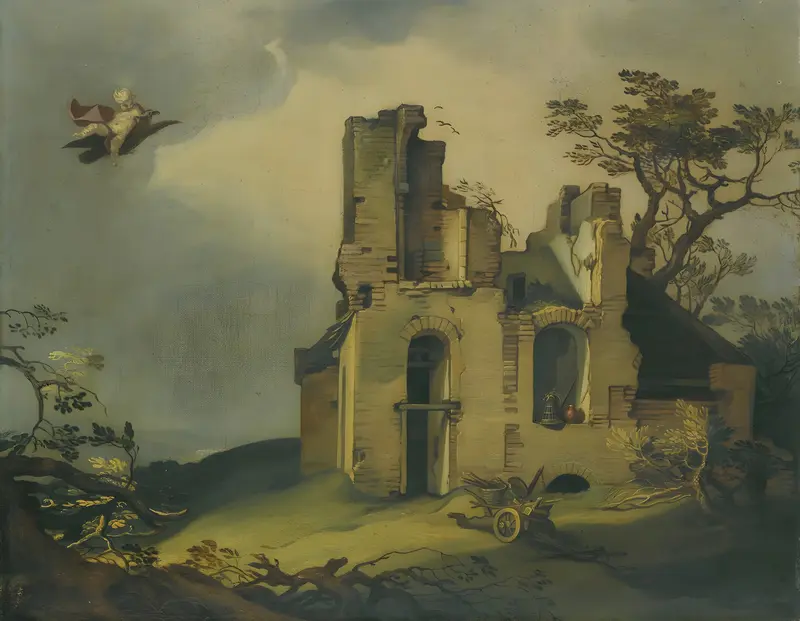
A Landscape With Ruins, With The Rape Of Ganymede
Abraham Bloemaert
More Landscape Art

The Starry Night
Vincent van Gogh

View of Delft
Johannes Vermeer

Water Lilies
Claude Monet

The Grand Canal, Venice, looking north-west from the Ca' Corner to the Ca' Contarini degli Scrigni, with the campanile of Santa Maria della Carità
Canaletto

Windsor Castle
Canaletto

The Grand Canal looking North-East from the Palazzo Dolfin-Manin to the Rialto Bridge
Canaletto