Landscape with Milkmaid and Shepherd — History & Analysis
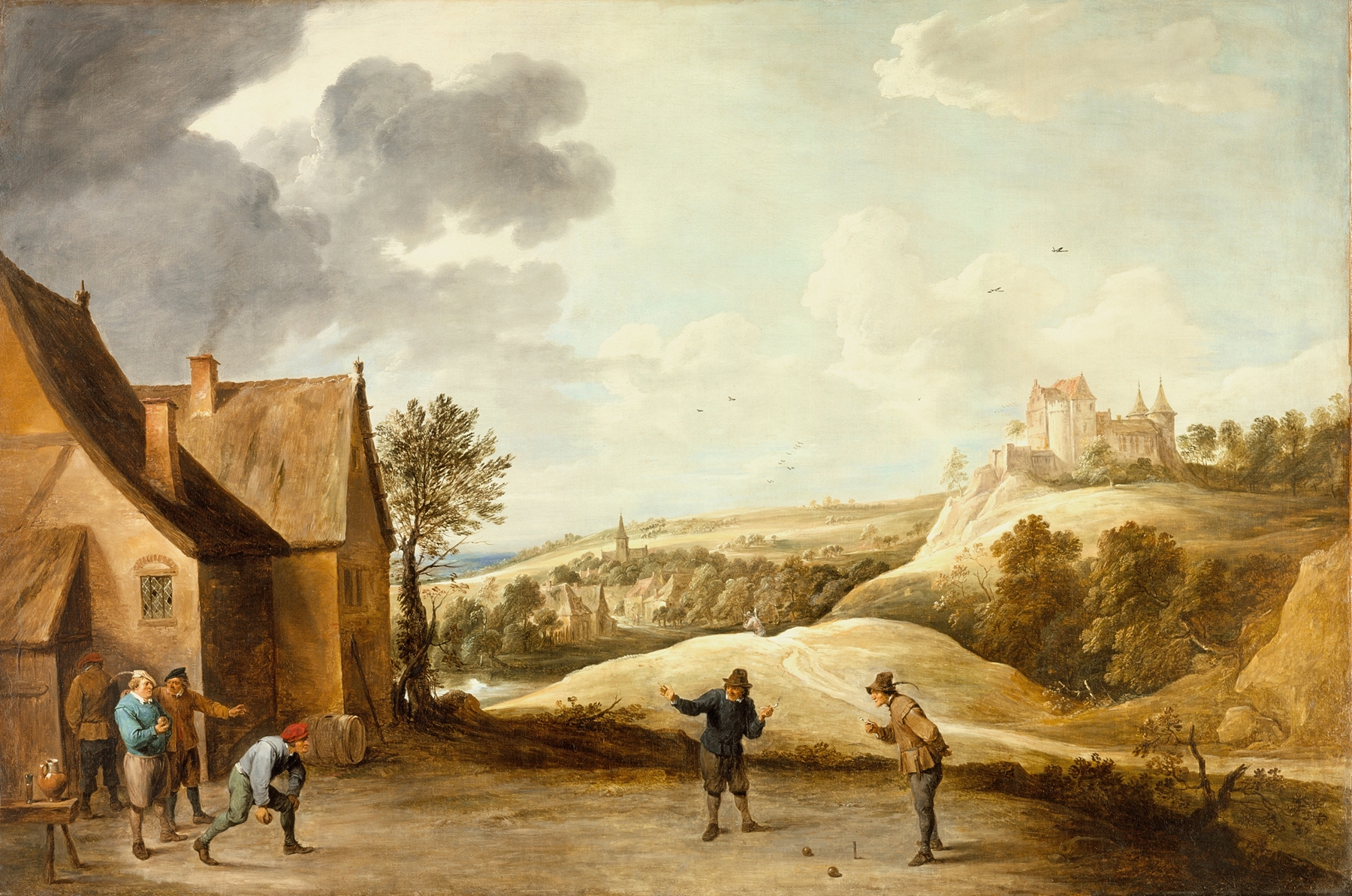
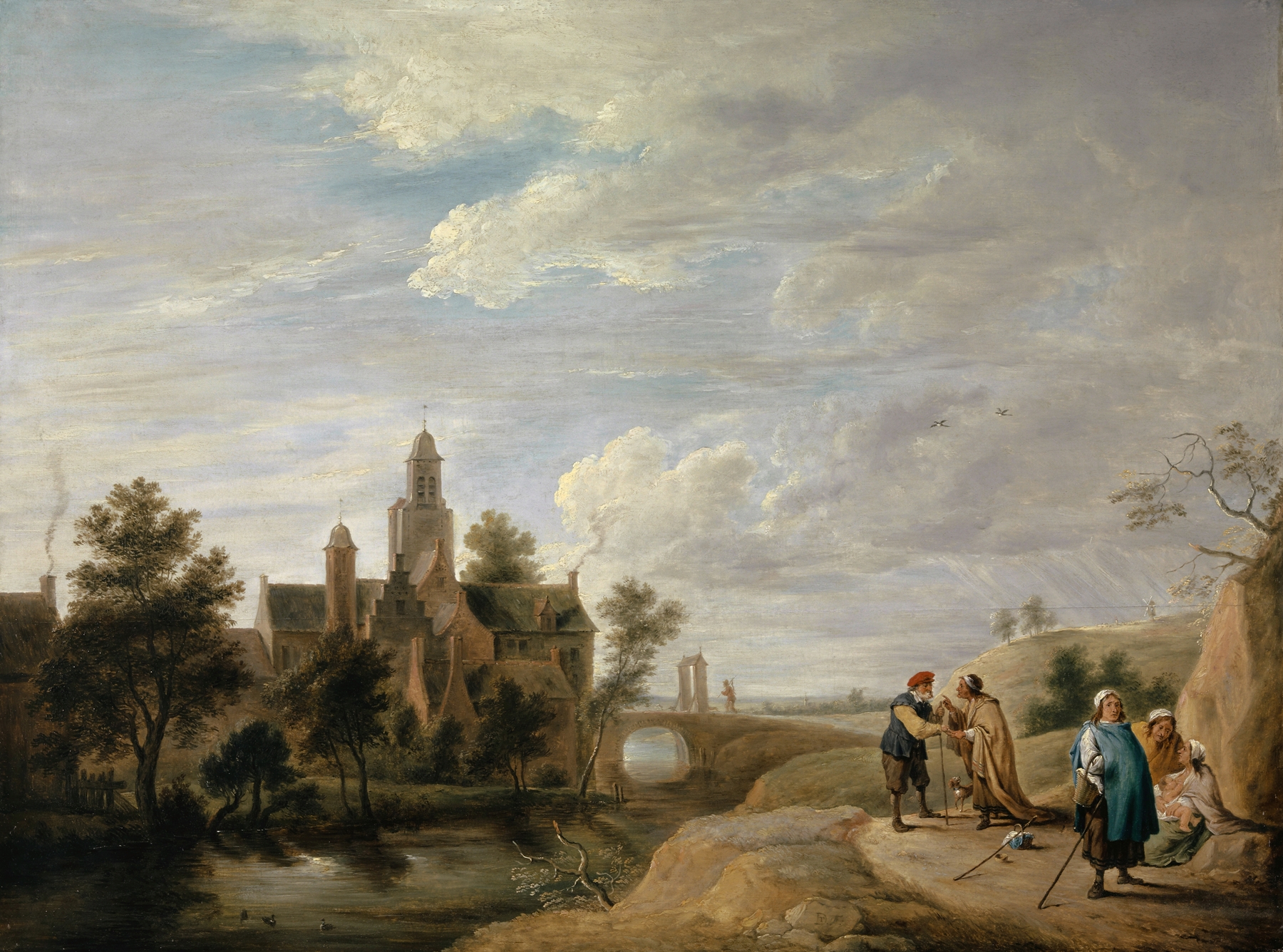
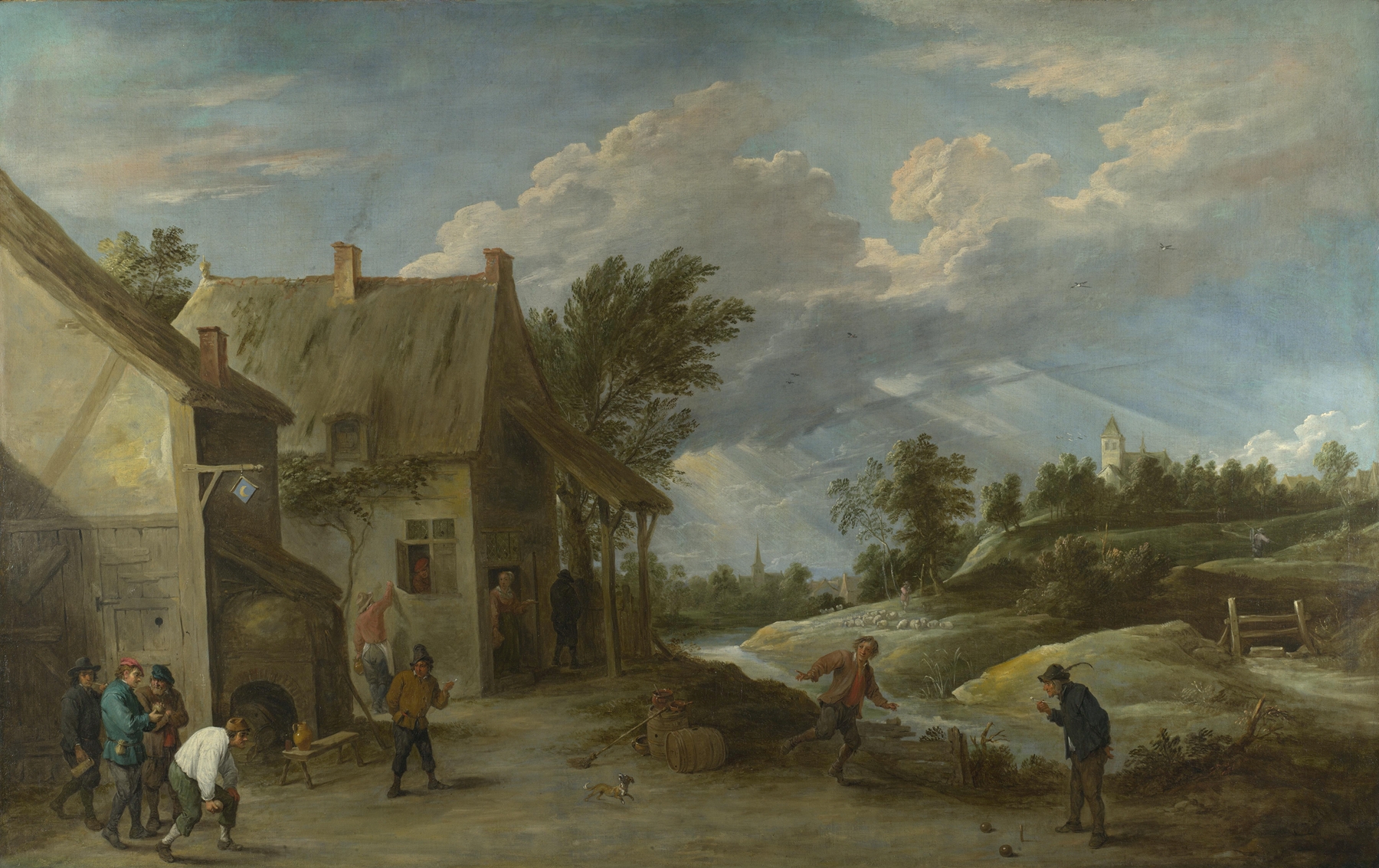
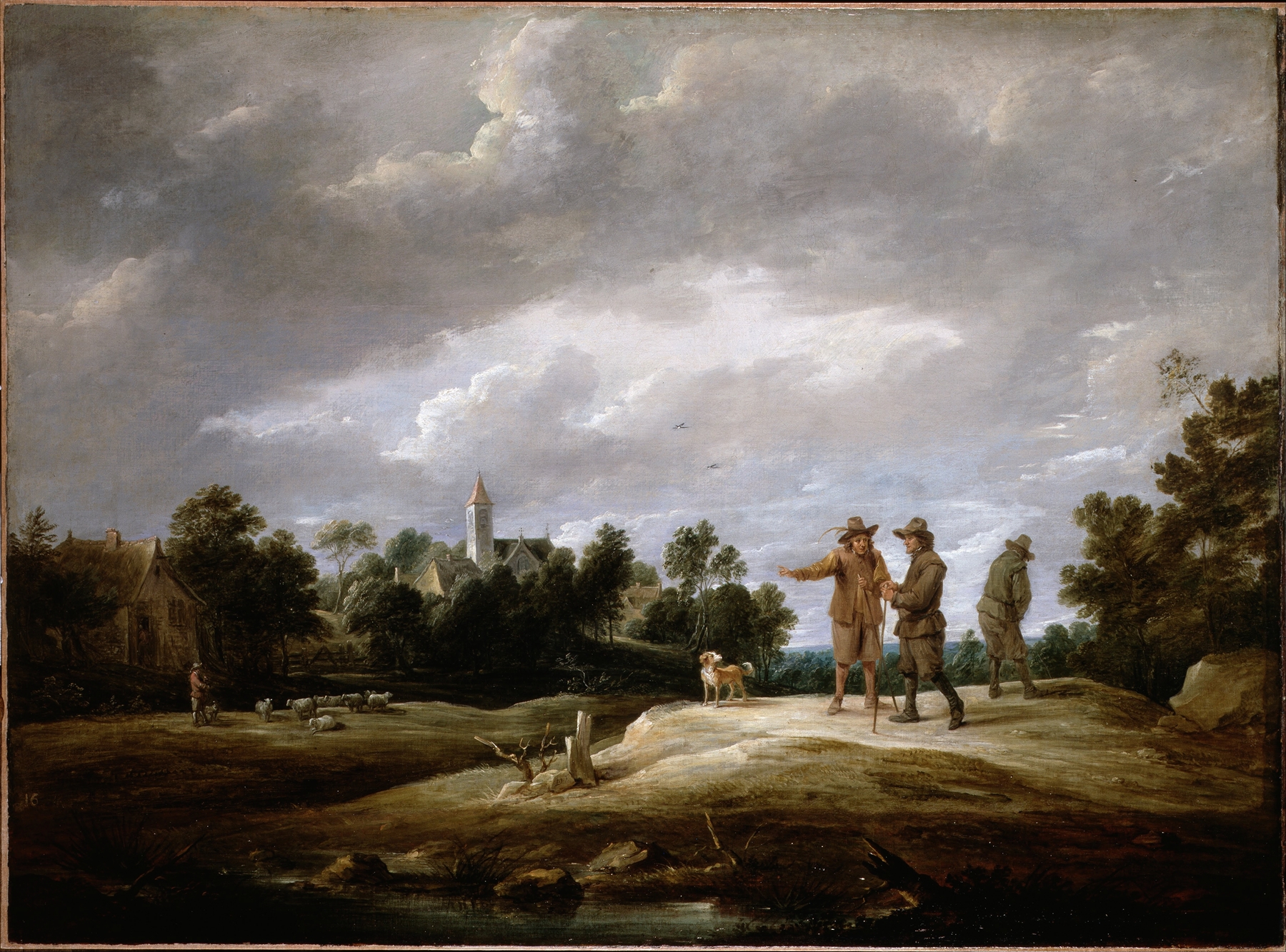
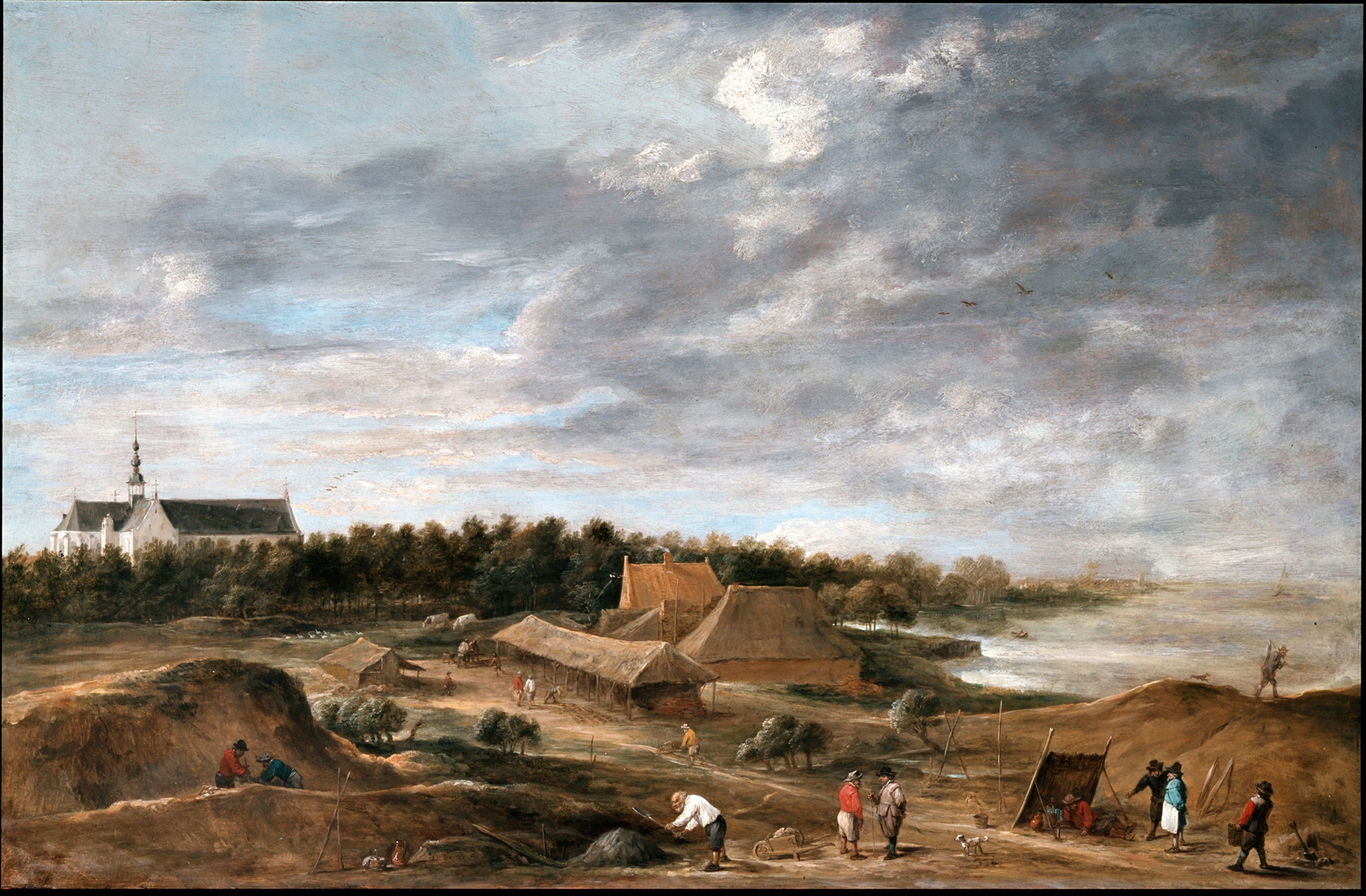
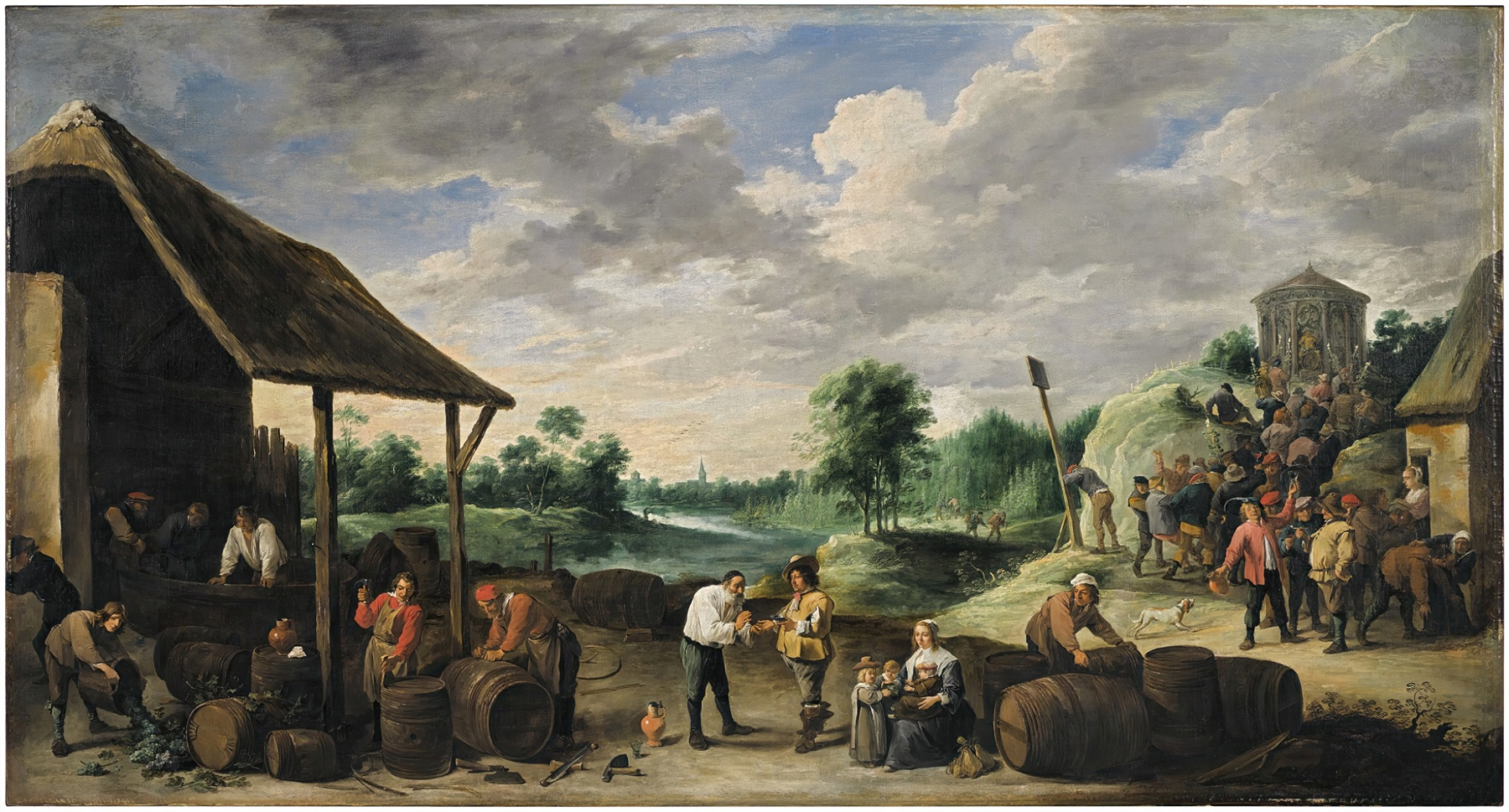
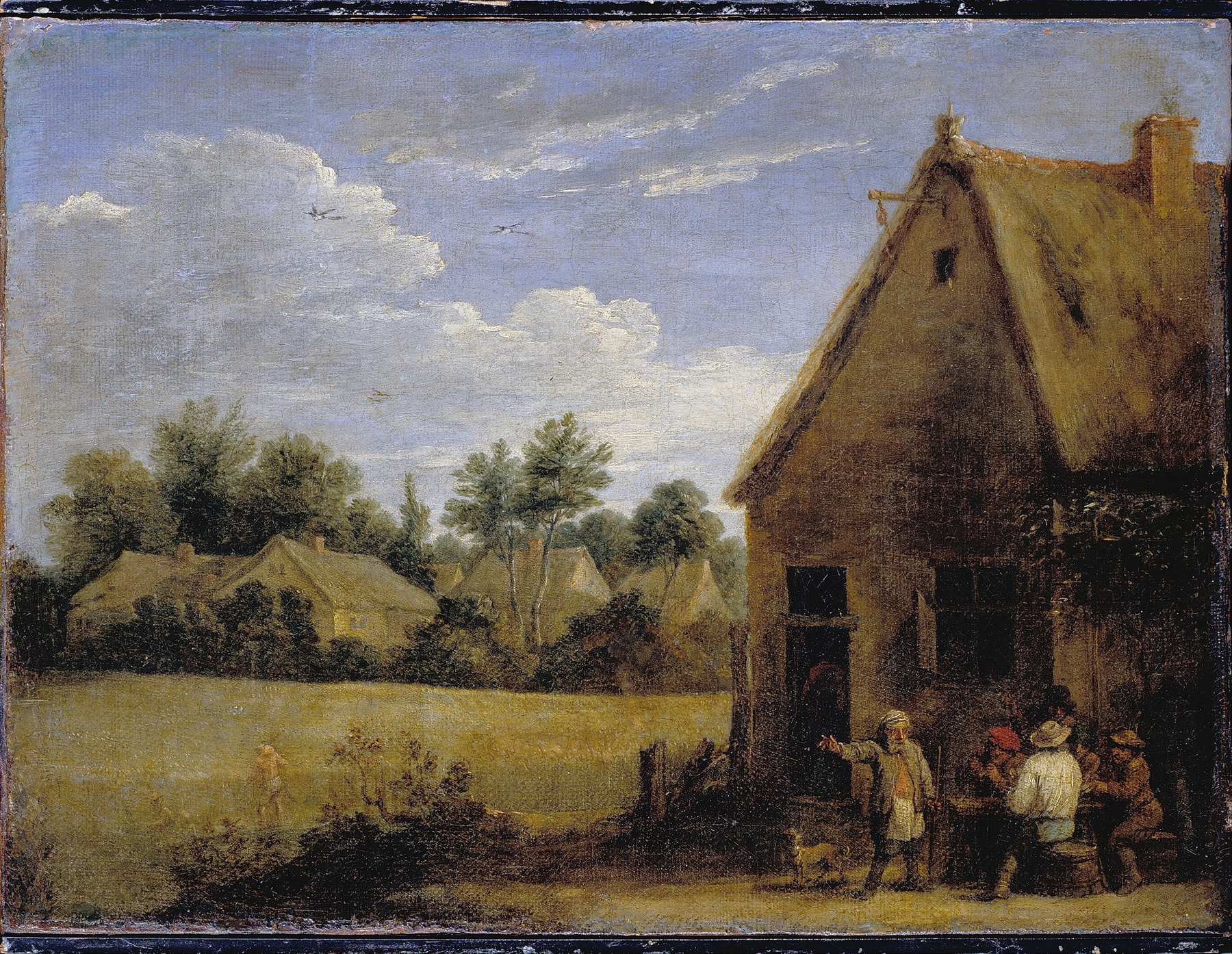
Can beauty exist without sorrow? In Landscape with Milkmaid and Shepherd, a delicate balance emerges, showcasing the harmony of rural life amidst its inherent struggles. Look to the left at the idyllic scene unfolding beneath a vast, blue sky, where a milkmaid pours fresh milk into a rustic vessel. Notice the warm, earthy tones of the landscape that cradle the figures, softening the stark boundaries between their existence and nature's embrace.
The gentle play of sunlight illuminates the milkmaid's serene expression, while shadows dance across the ground, hinting at the labor that sustains their idyllic life. Amidst the tranquil setting, hints of tension linger in the composition. The shepherd gazes into the distance, perhaps contemplating the uncertainties of a life tethered to the whims of nature. The juxtaposition of the milkmaid’s calm demeanor against the shepherd’s somber contemplation evokes a poignant reminder: joy and sorrow often coexist.
The lush fields surrounding them thrive, yet they serve as a backdrop for the unyielding toil of rural existence, suggesting beauty can often be intertwined with the weight of responsibility. David Teniers the Younger created this work around 1646, a time when he was deeply influenced by his surroundings in Antwerp. The Flemish baroque artist gained recognition for his ability to infuse everyday moments with a sense of life and vibrancy, reflecting both the joys and hardships of peasant life. This painting exemplifies his mastery during a period rich with artistic innovation and the burgeoning interest in genre scenes, capturing a world where beauty and labor coexist in a delicate balance.