
Landscape with Shepherds — History & Facts
A winding path draws the eye into the heart of Landscape with Shepherds, where the drama of daily life quietly unfolds beneath a sky brushed with gold and blue. The scene is alive with movement: a caravan of travelers and their animals emerge from the shadowy woods, while shepherds tend their flocks in the valley below. A ruined tower, perched on a distant hill, anchors the landscape and hints at stories long past.
Sunlight touches the figures and the foliage at the painting’s edge, inviting the viewer to step into the cool shade of the trees before wandering out toward the open, sunlit countryside. Every gesture—a child at play, a dog alert to its master, a shepherd’s staff—serves as a signpost, guiding us through a world where human presence feels both fleeting and eternal. Painted by Adriaen Frans Boudewijns between 1674 and 1717, this work belongs to a period when such landscapes were prized for their power to transport viewers beyond the city and into the imagined peace of the countryside. In the late seventeenth century, collectors across Europe sought out these Arcadian visions, which blended northern naturalism with echoes of Italianate light and ruins.
Boudewijns, like many of his contemporaries, responded to this demand with scenes that balance observation and idealization, offering a vision of rural life that is orderly, harmonious, and touched by nostalgia. Today, Landscape with Shepherds forms part of the Museo del Prado’s collection—a quiet testament to an era when the landscape itself was a stage for both memory and longing. Let your eye wander: every detail here is an invitation to linger.
More Artworks by Adriaen Frans Boudewijns
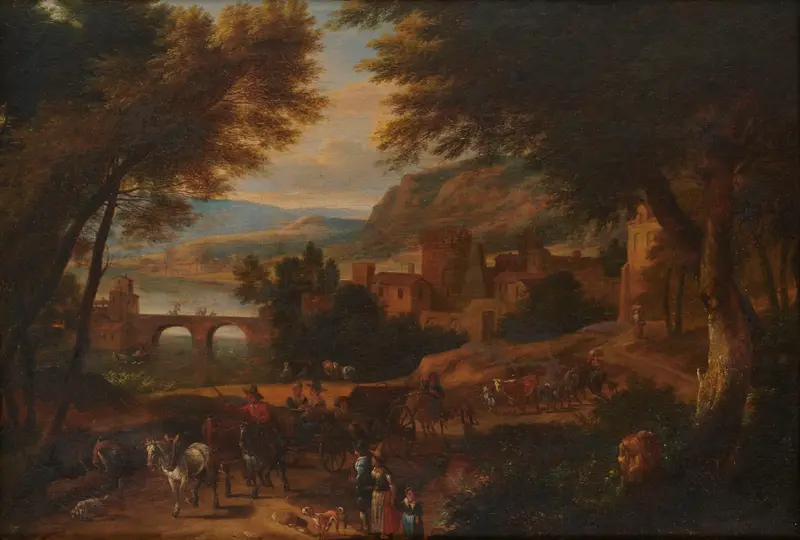
Landscape
Adriaen Frans Boudewijns
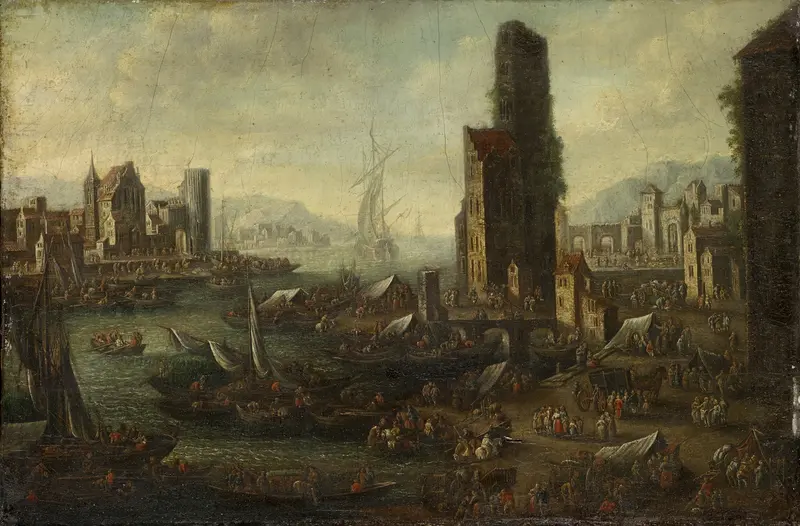
Seaport
Adriaen Frans Boudewijns
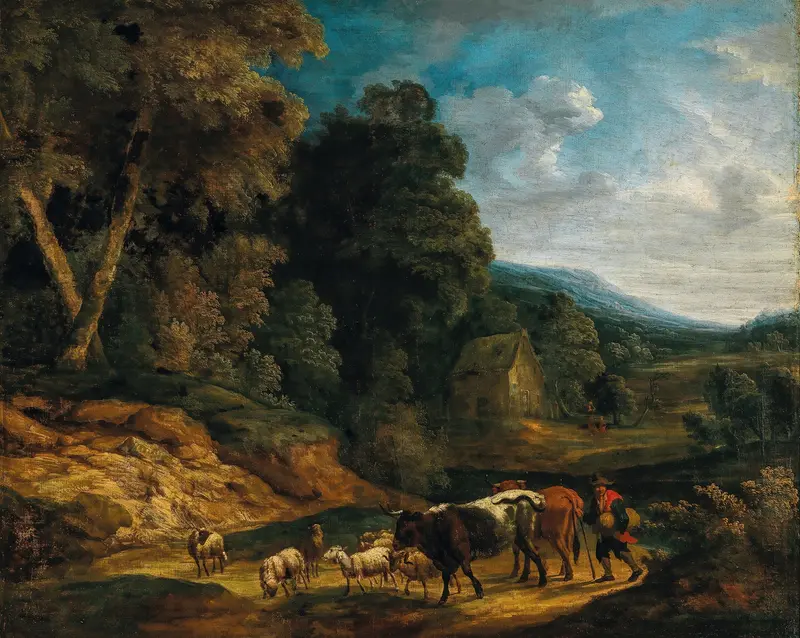
A southern landscape with herdsmen and their flock
Adriaen Frans Boudewijns
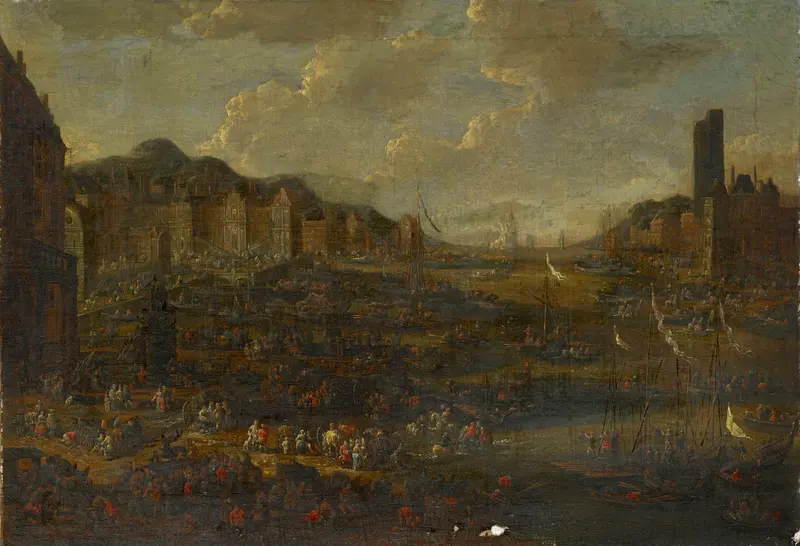
Seaport II
Adriaen Frans Boudewijns
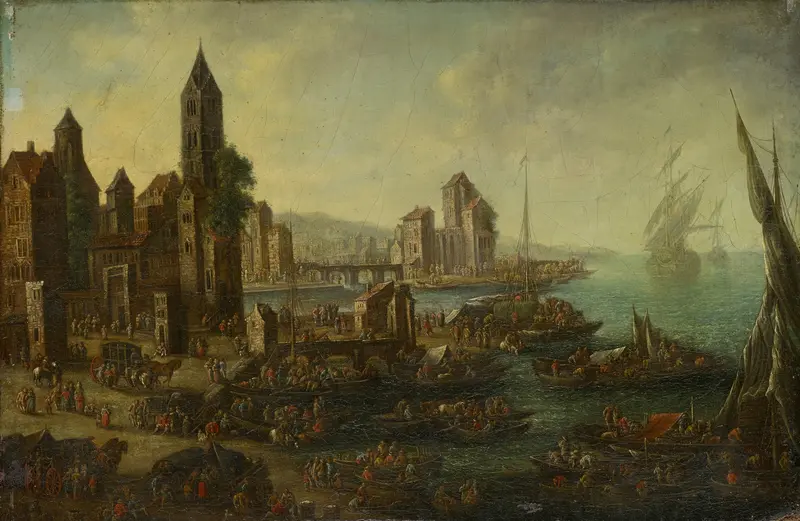
Seaport III
Adriaen Frans Boudewijns
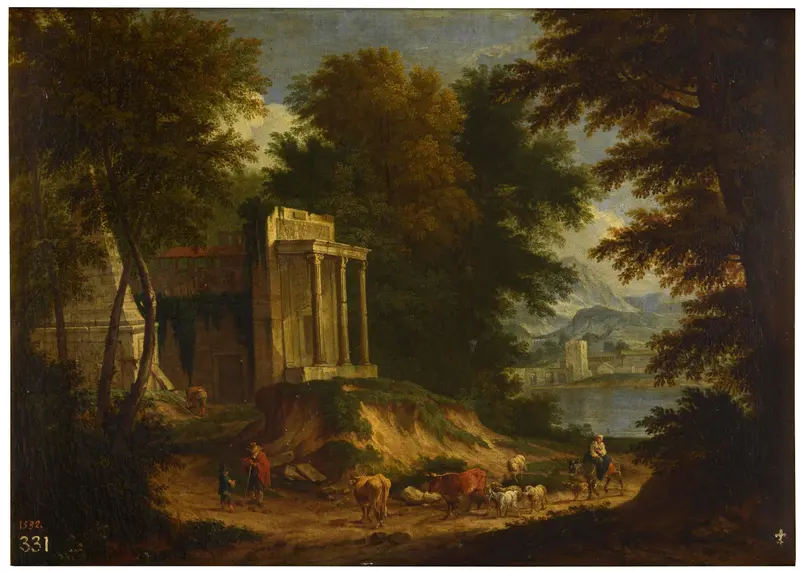
Landscape with ruins
Adriaen Frans Boudewijns
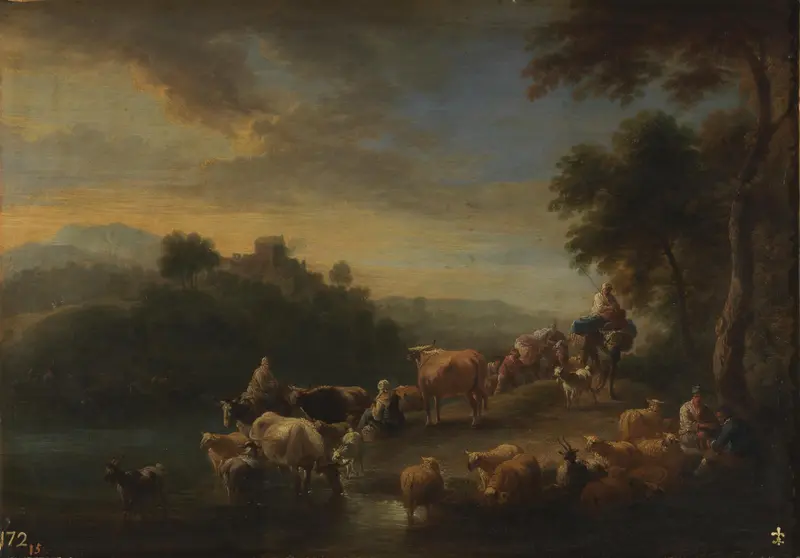
Landscape with the Cattle
Adriaen Frans Boudewijns
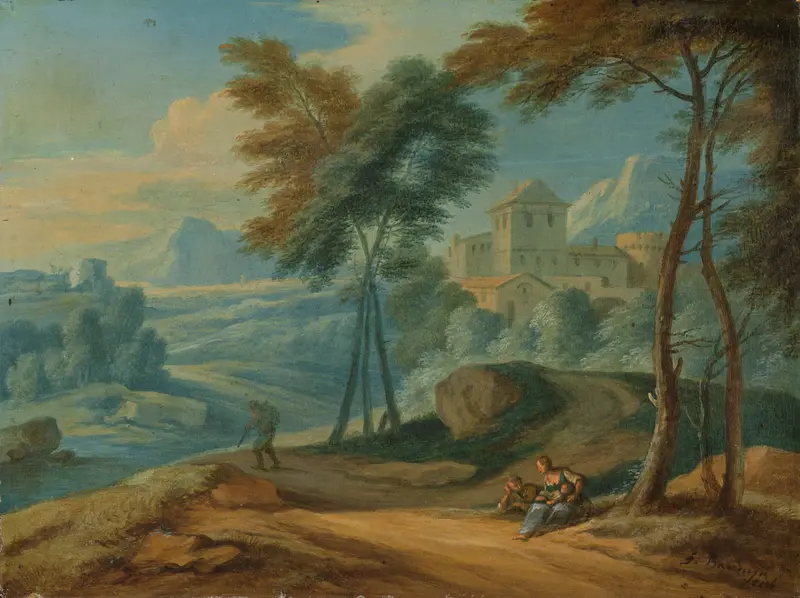
Mountainous landscape
Adriaen Frans Boudewijns
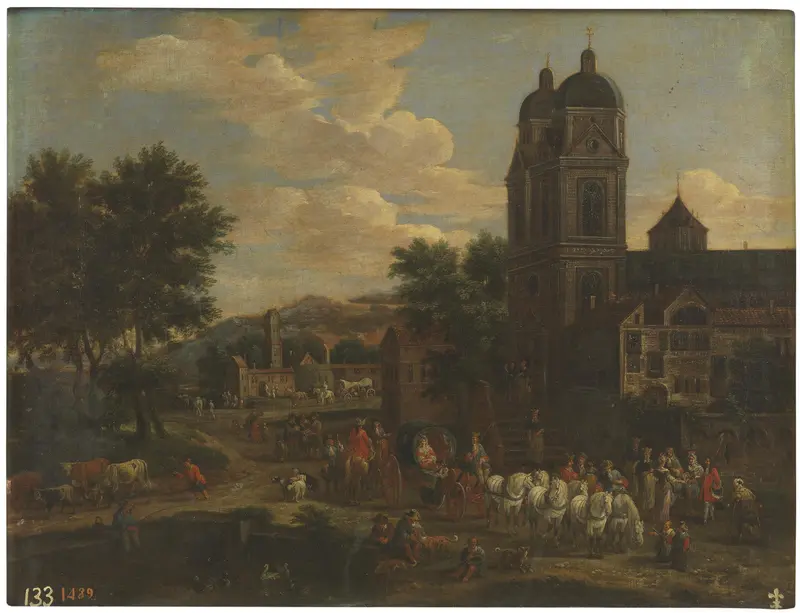
A sanctuary
Adriaen Frans Boudewijns
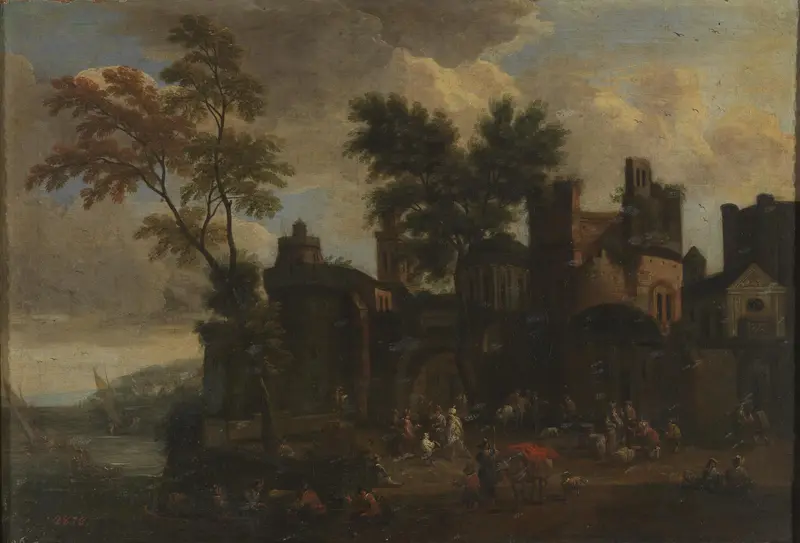
Port
Adriaen Frans Boudewijns
More Landscape Art

The Starry Night
Vincent van Gogh

View of Delft
Johannes Vermeer

Water Lilies
Claude Monet

The Grand Canal, Venice, looking north-west from the Ca' Corner to the Ca' Contarini degli Scrigni, with the campanile of Santa Maria della Carità
Canaletto

Windsor Castle
Canaletto

The Grand Canal looking North-East from the Palazzo Dolfin-Manin to the Rialto Bridge
Canaletto