
Landscape with shepherds and cattle — History & Facts
A single tree, massive and dark, commands the foreground, its branches filtering the last golden light before evening. The viewer’s gaze is drawn down a winding path, where a group of shepherds and their cattle emerge from the shadowed woods and descend toward a tranquil river. The landscape opens out in layers: first the earthy track, then the lush green of distant hills, and finally the luminous sky, where clouds gather and birds wheel.
Every figure and animal seems to be on a journey, their movement echoed by the gentle curves of the land and the soft, directional light that guides the eye from left to right. The palette, rich with greens and ochres, creates a mood of quiet industry and rural peace, while the careful placement of figures and animals suggests a world where human life and nature are deeply entwined. Painted by Adriaen Frans Boudewijns between 1674 and 1717, Landscape with shepherds and cattle belongs to a tradition that flourished in the Low Countries, where artists crafted expansive, idealized views of the countryside for an urban clientele hungry for scenes of rural calm. These landscapes were more than decoration: they offered city dwellers a vision of order and harmony, a reminder of the land’s bounty and the rhythms of country life.
Boudewijns, active in the late seventeenth century, was known for his ability to balance grand vistas with intimate detail, and here he places the human story—travelers, herders, cattle—within a carefully composed natural world. Today, the painting resides in the Museo del Prado, its origins and early history largely unrecorded, but its quiet drama and gentle light invite viewers to step into its imagined countryside again and again.
More Artworks by Adriaen Frans Boudewijns
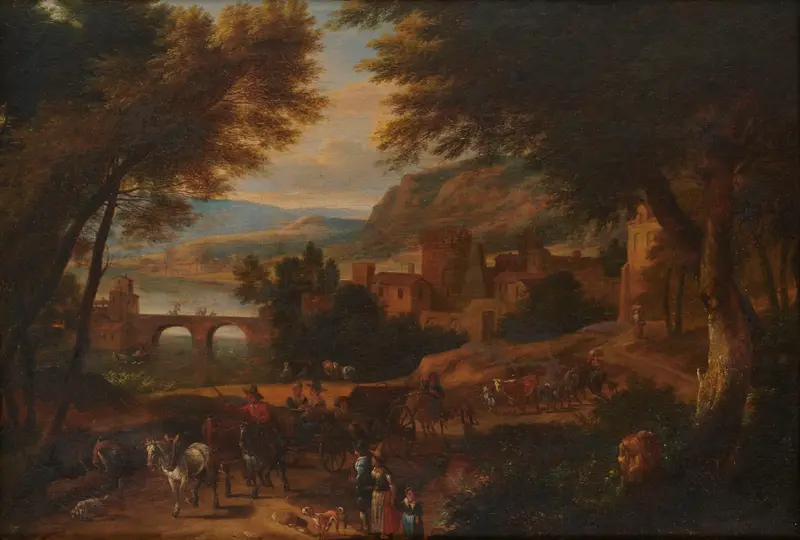
Landscape
Adriaen Frans Boudewijns
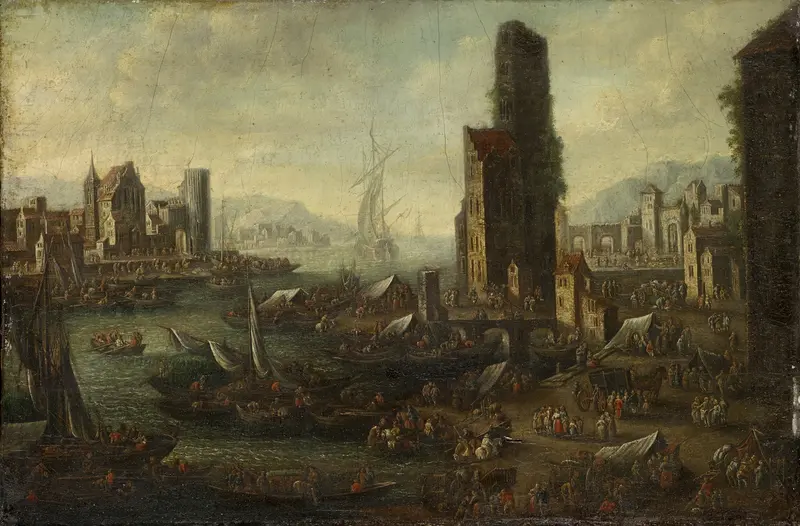
Seaport
Adriaen Frans Boudewijns
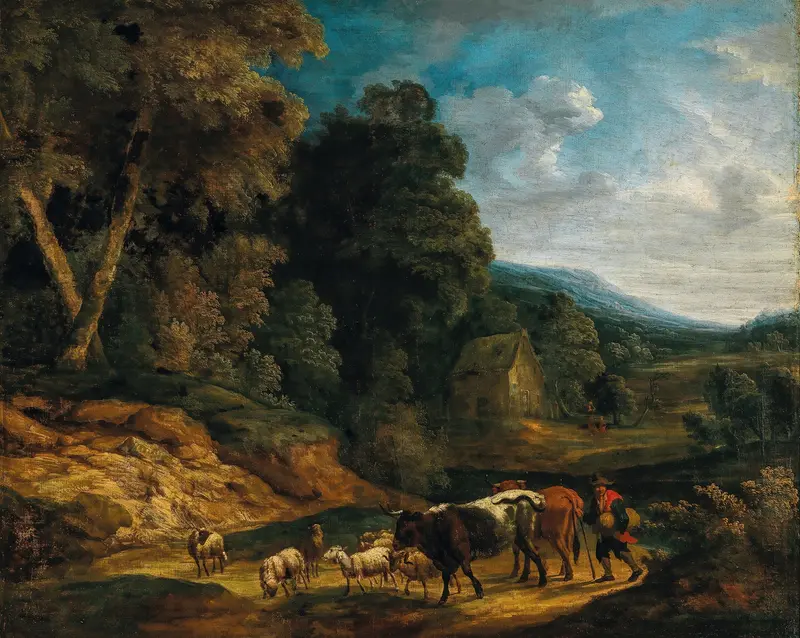
A southern landscape with herdsmen and their flock
Adriaen Frans Boudewijns
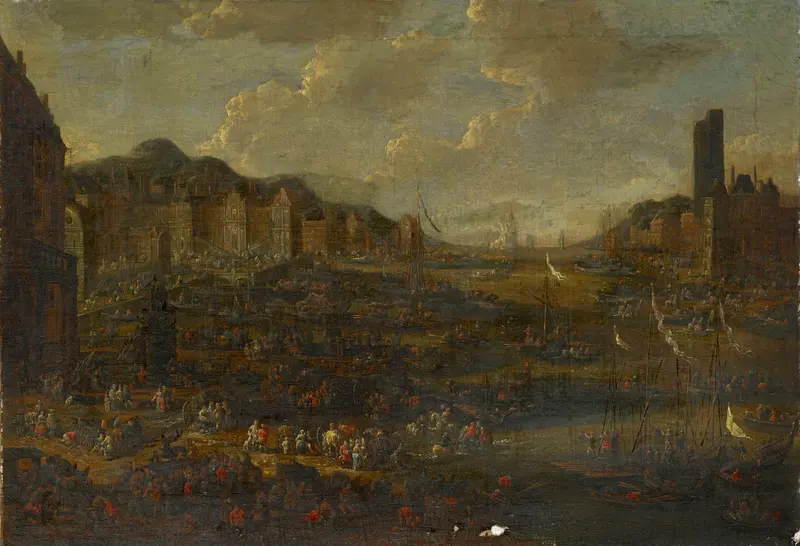
Seaport II
Adriaen Frans Boudewijns
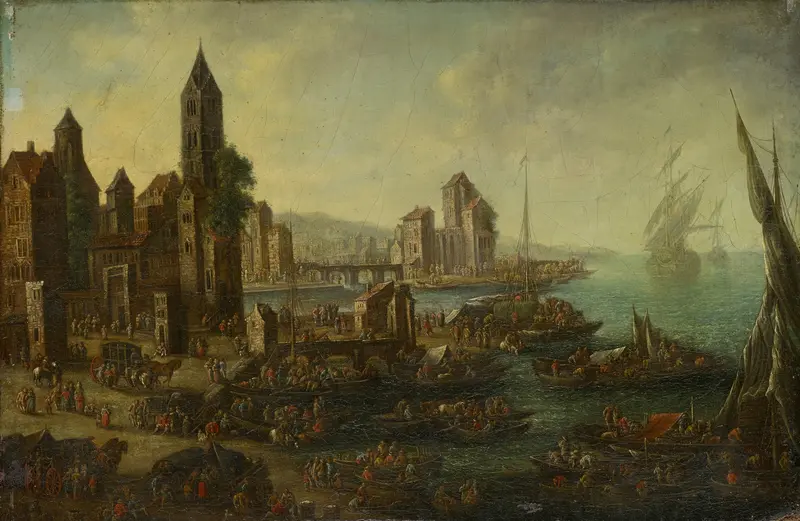
Seaport III
Adriaen Frans Boudewijns
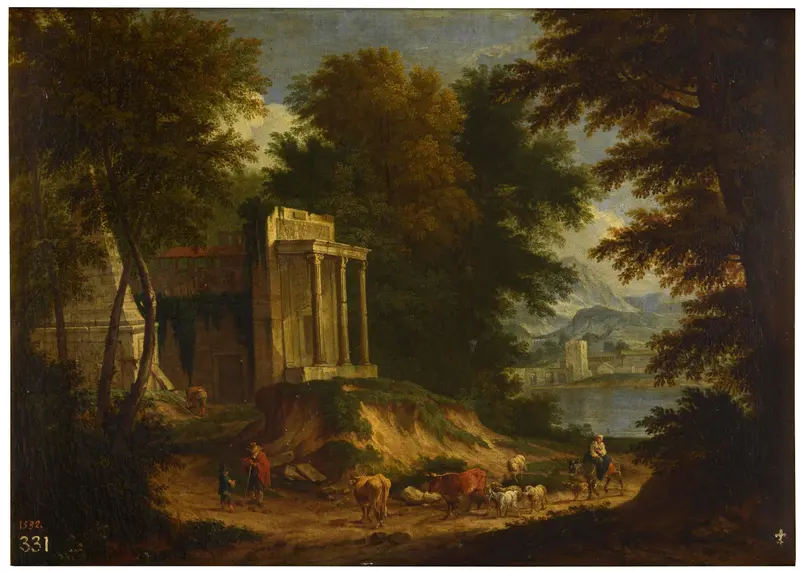
Landscape with ruins
Adriaen Frans Boudewijns
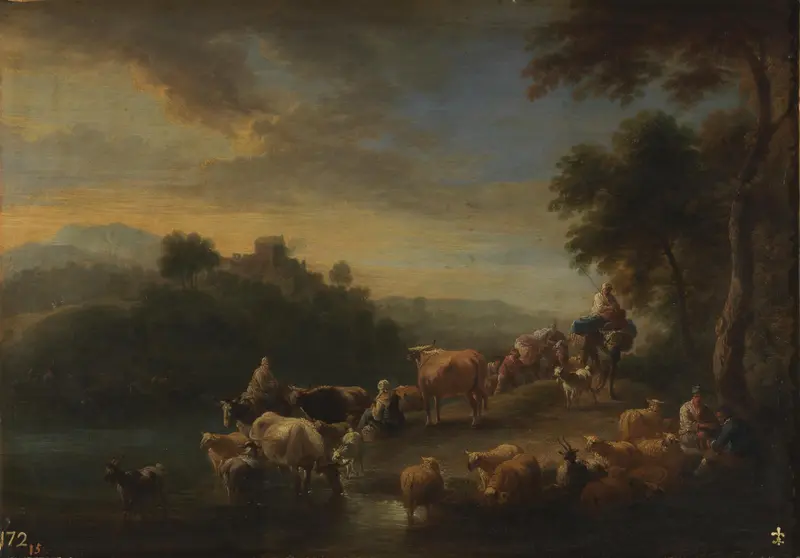
Landscape with the Cattle
Adriaen Frans Boudewijns
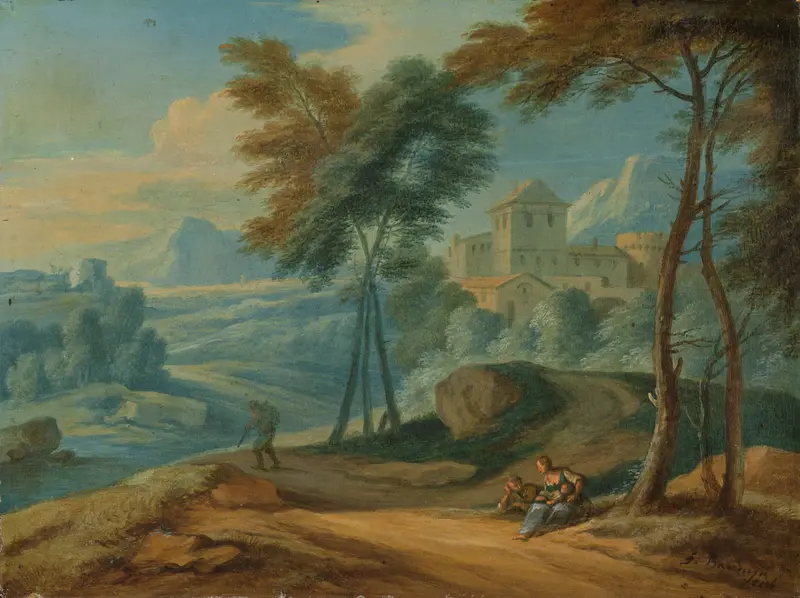
Mountainous landscape
Adriaen Frans Boudewijns
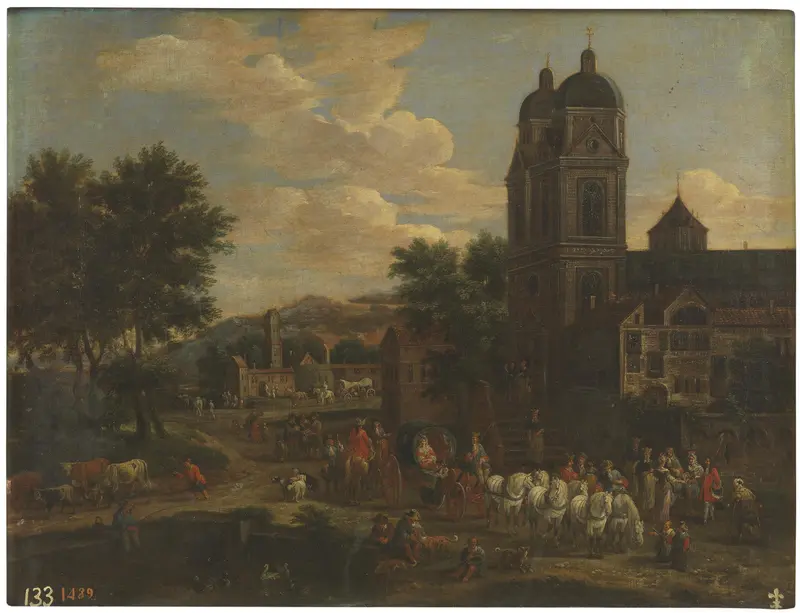
A sanctuary
Adriaen Frans Boudewijns
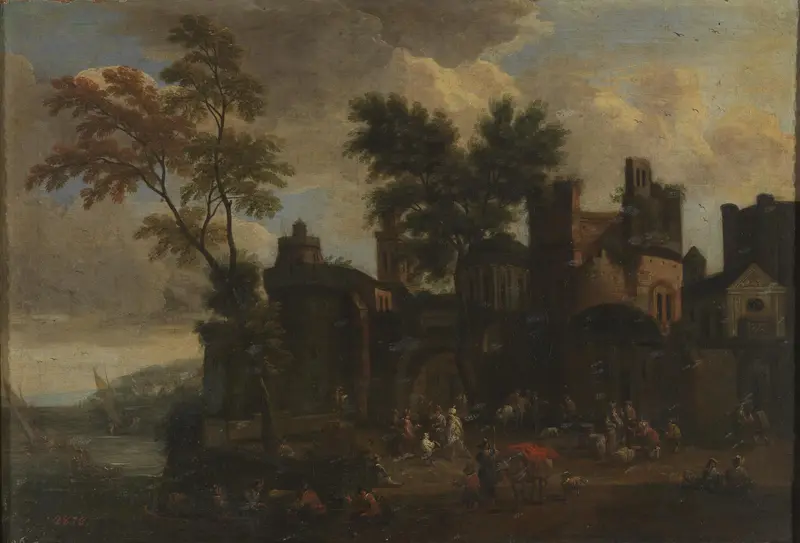
Port
Adriaen Frans Boudewijns
More Landscape Art

The Starry Night
Vincent van Gogh

View of Delft
Johannes Vermeer

Water Lilies
Claude Monet

The Grand Canal, Venice, looking north-west from the Ca' Corner to the Ca' Contarini degli Scrigni, with the campanile of Santa Maria della Carità
Canaletto

Windsor Castle
Canaletto

The Grand Canal looking North-East from the Palazzo Dolfin-Manin to the Rialto Bridge
Canaletto