
Landscape with the Temptation of Christ — History & Facts
A wild, wind-tossed tree arcs overhead, its branches twisting like the drama unfolding beneath. In Landscape with the Temptation of Christ, Alessandro Magnasco chooses not the moment of triumph or despair, but the uneasy pause—a Christ seated on a rock, his body slack with exhaustion, while the tempter, sinewy and urgent, leans in from a higher perch. The eye is drawn first to the sharp contrast of flesh and fabric: Christ’s pale robe glows against the earthy gloom, while the tempter’s taut form is half-swallowed by shadow.
Everything in the landscape seems unsettled; the rocks jut at odd angles, the foliage whirls, as if the very earth is caught in the struggle. This is a vision born of early eighteenth-century Italy, when artists like Magnasco infused religious stories with a restless energy and psychological tension. Around 1715, painters were no longer content with serene, balanced scenes; instead, they conjured up wild places and turbulent skies to mirror the inner battles of their figures. Such works were often commissioned for private devotion, meant to stir the soul and provoke contemplation.
Today, this painting resides in the collection at LACMA, a restless fragment of its era—inviting us to step closer, to read the landscape as a stage for temptation and resolve.
More Artworks by Alessandro Magnasco

The Synagogue
Alessandro Magnasco
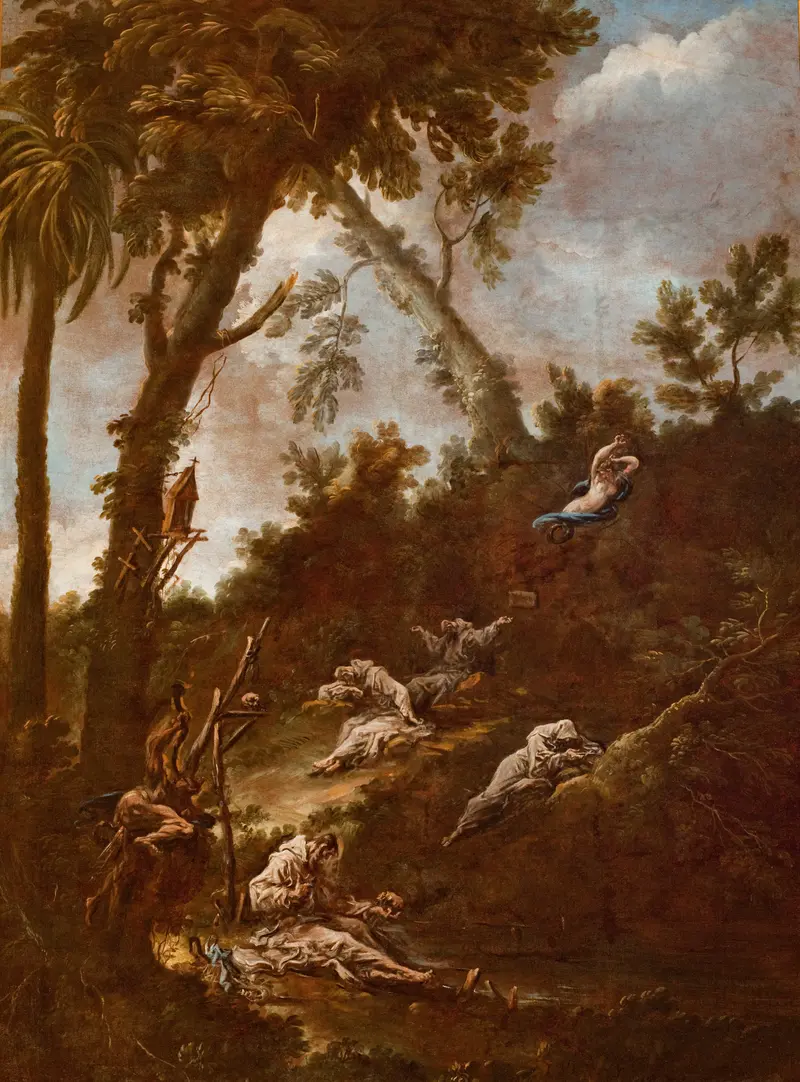
Hermits (Anachorets)
Alessandro Magnasco
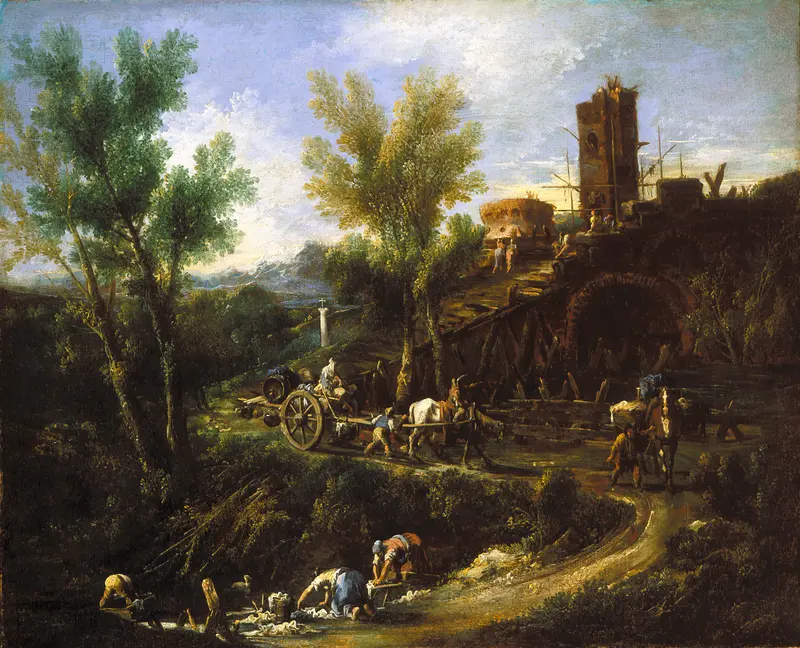
Landscape with Gypsies and Washerwomen
Alessandro Magnasco
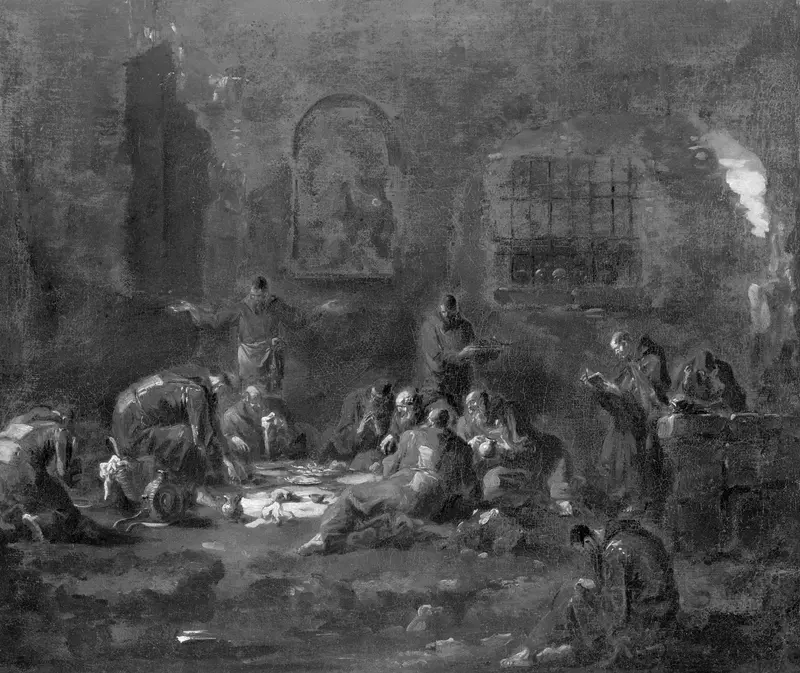
Monks at Supper
Alessandro Magnasco
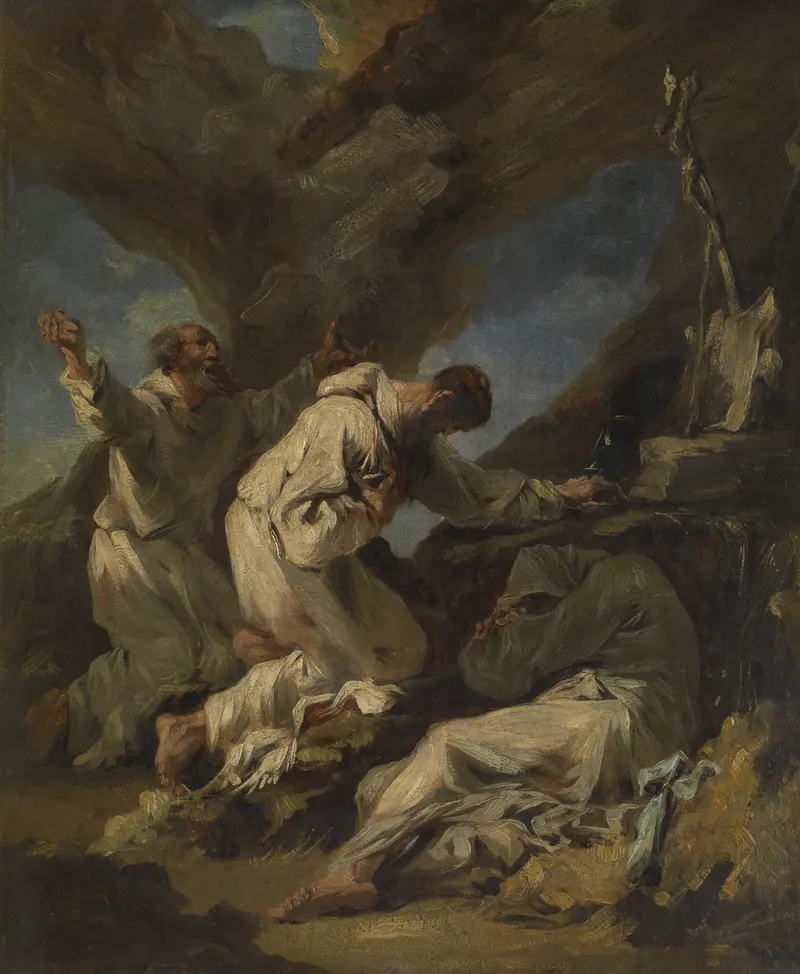
Praying Monks
Alessandro Magnasco
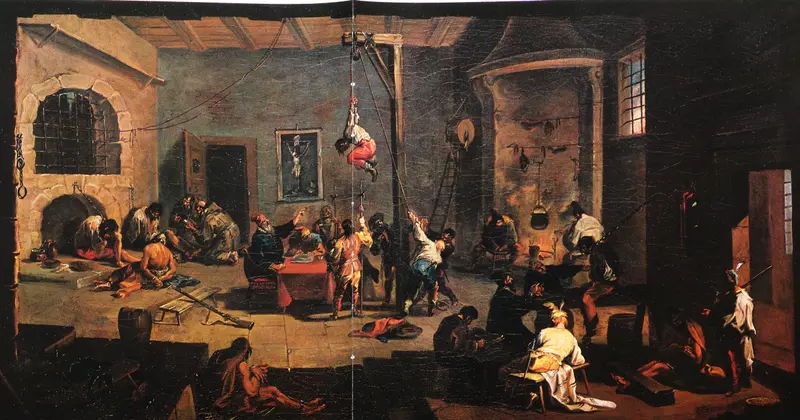
Torture Scene
Alessandro Magnasco
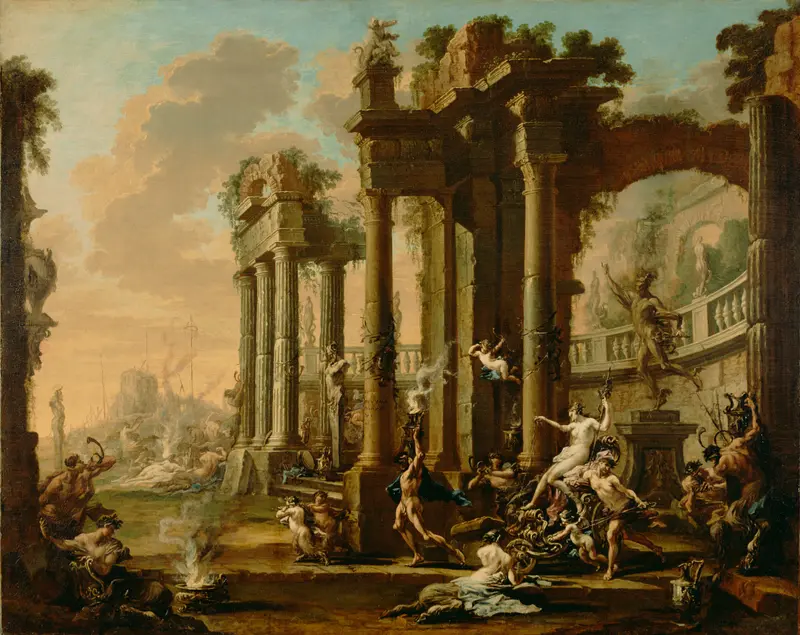
The Triumph of Venus
Alessandro Magnasco
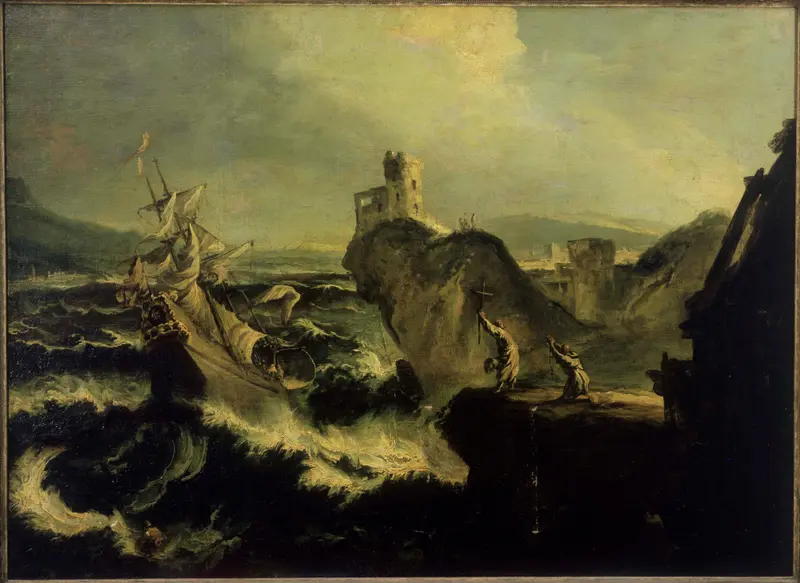
The Shipwreck
Alessandro Magnasco
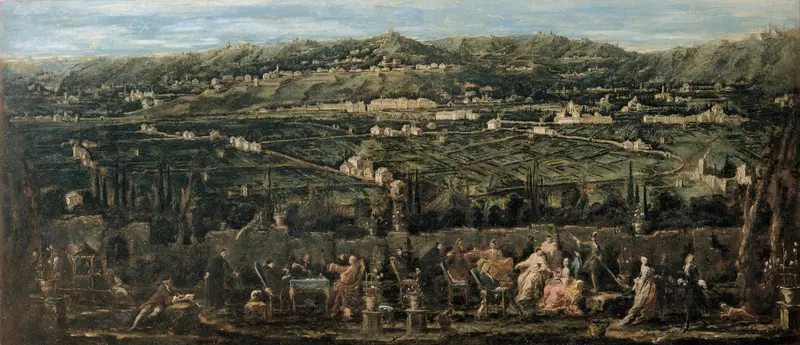
Garden Party in Albaro
Alessandro Magnasco
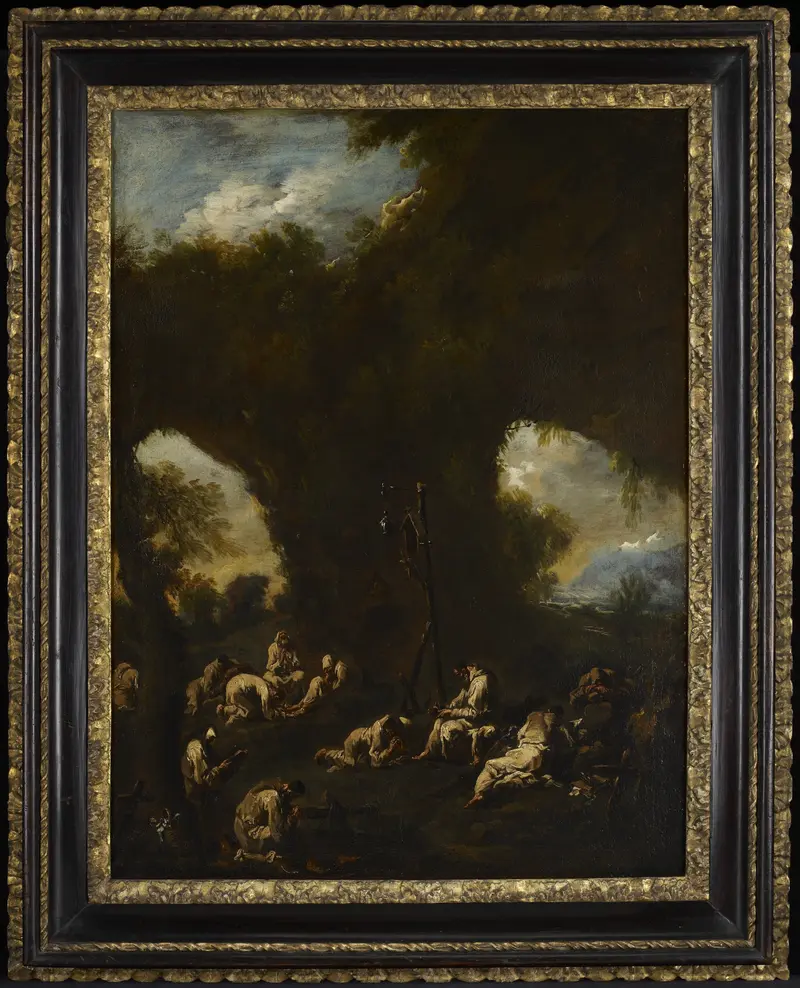
Monks Praying in a Grotto
Alessandro Magnasco





