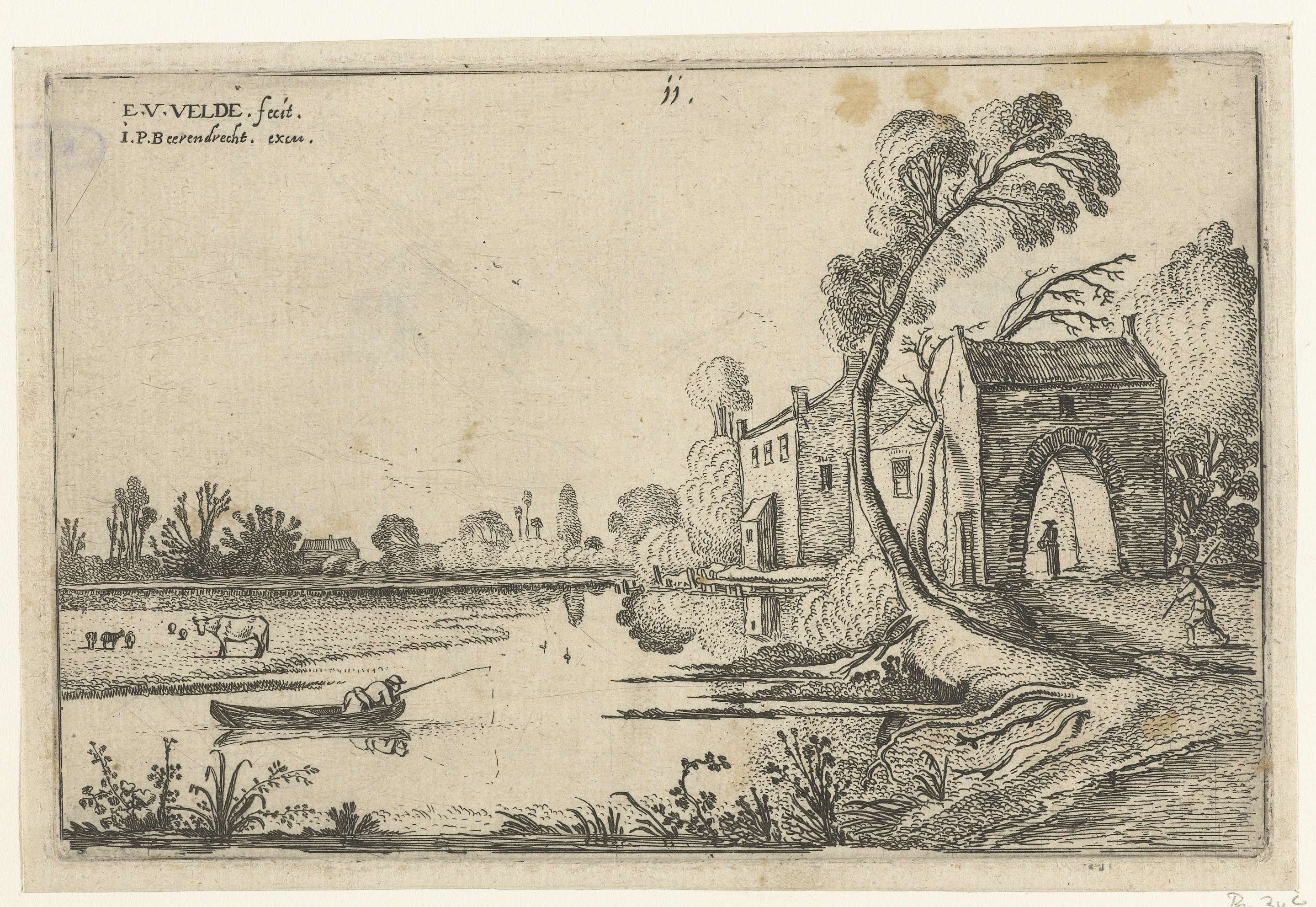
Landschap met een brouwerij — History & Analysis
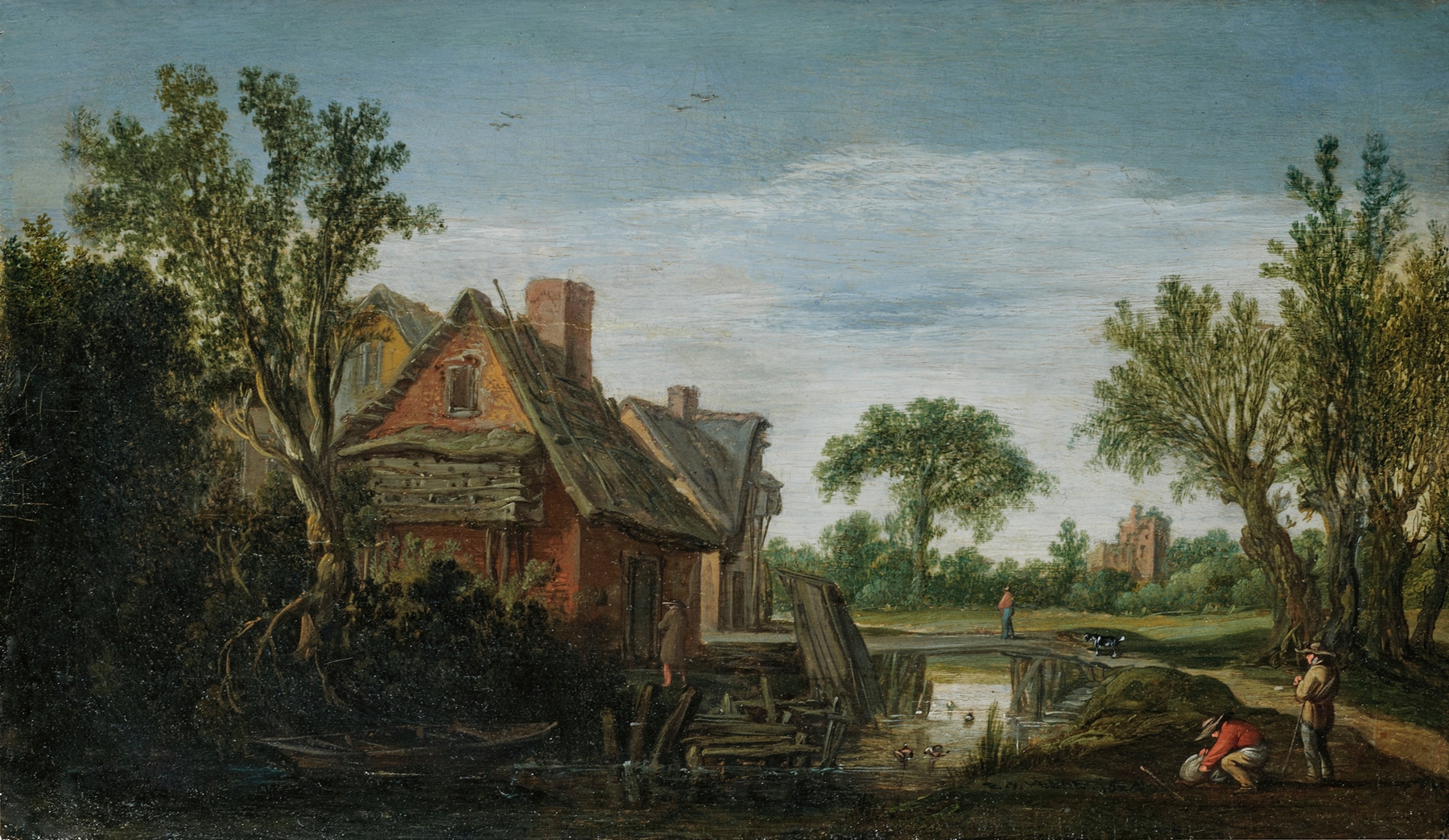
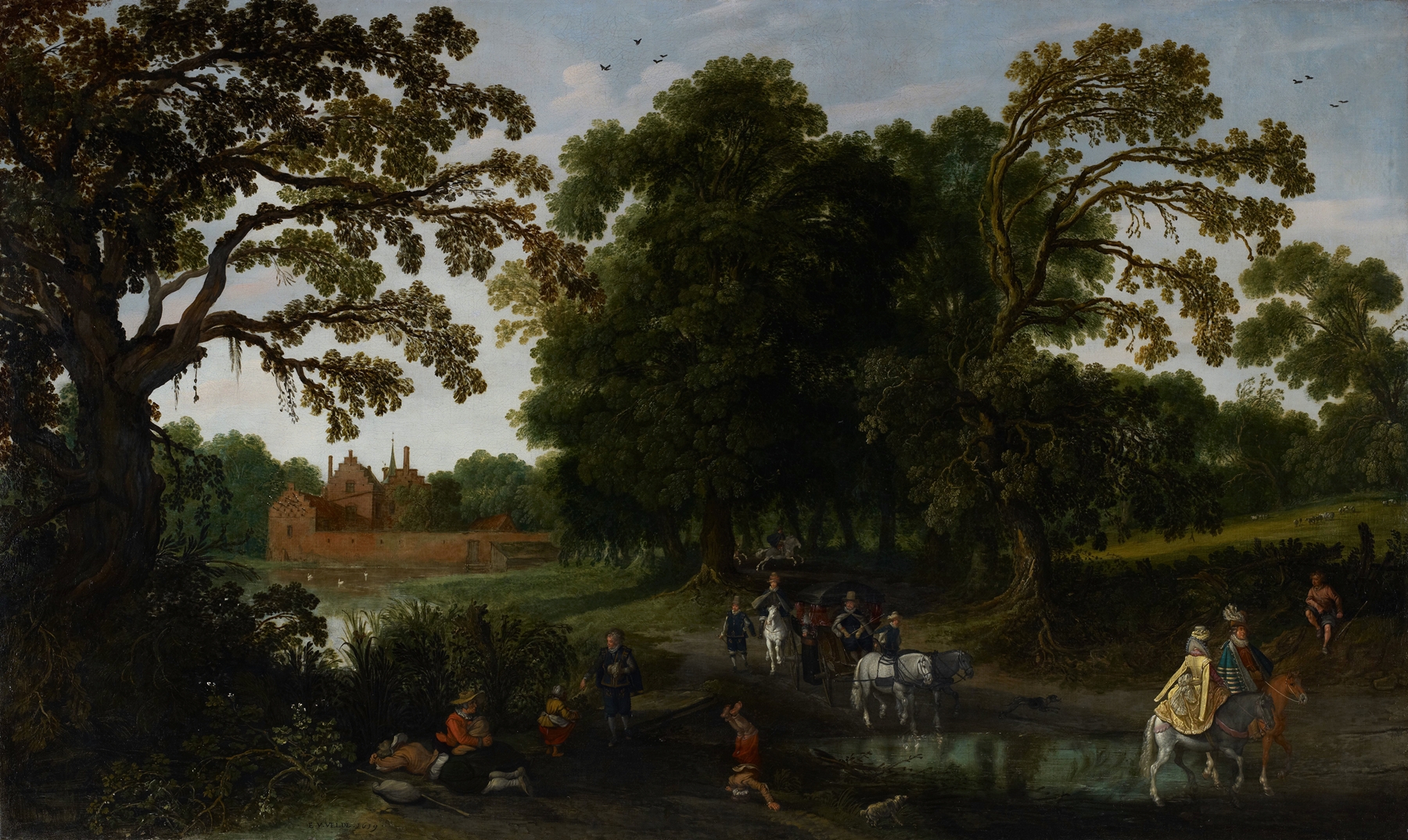
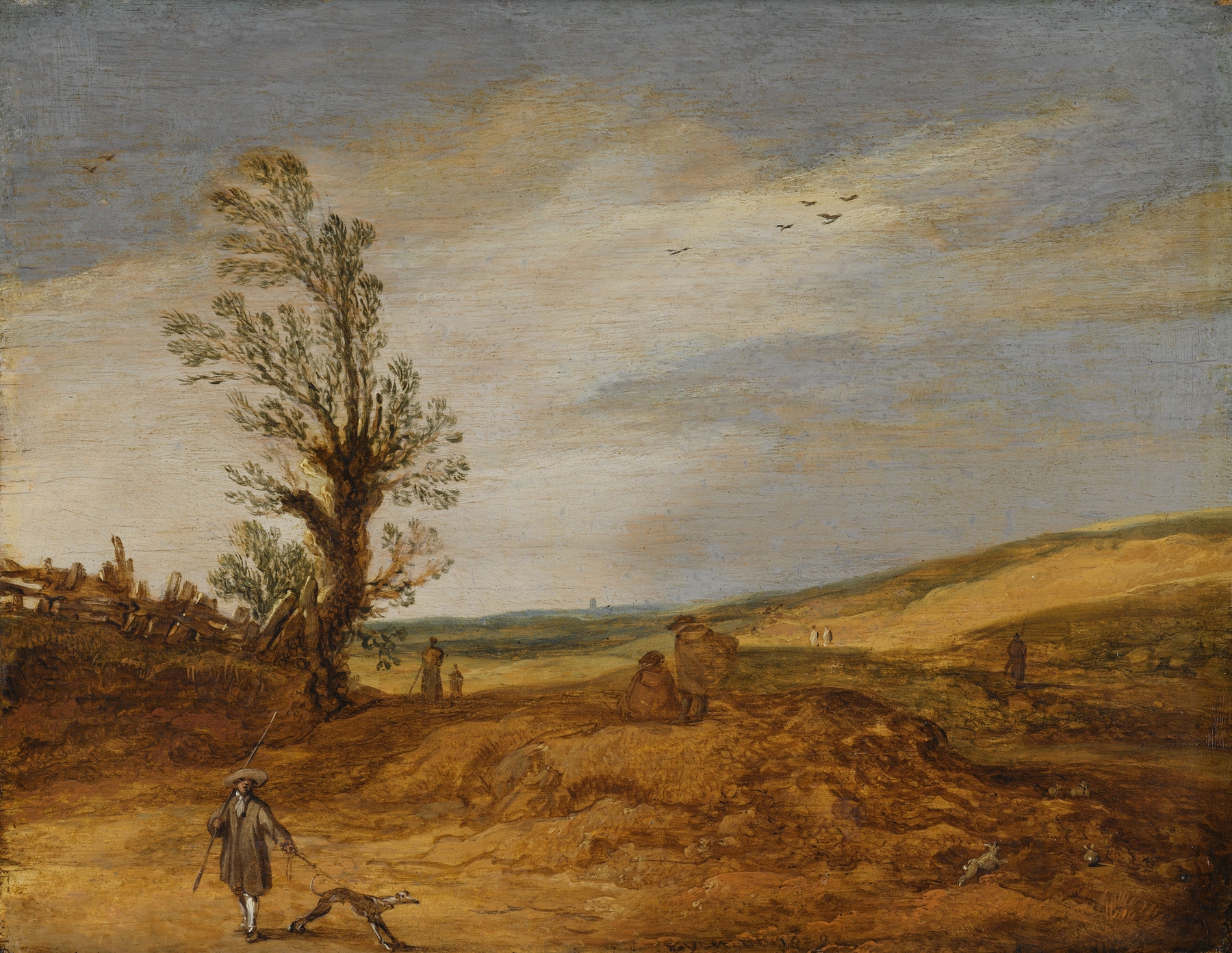
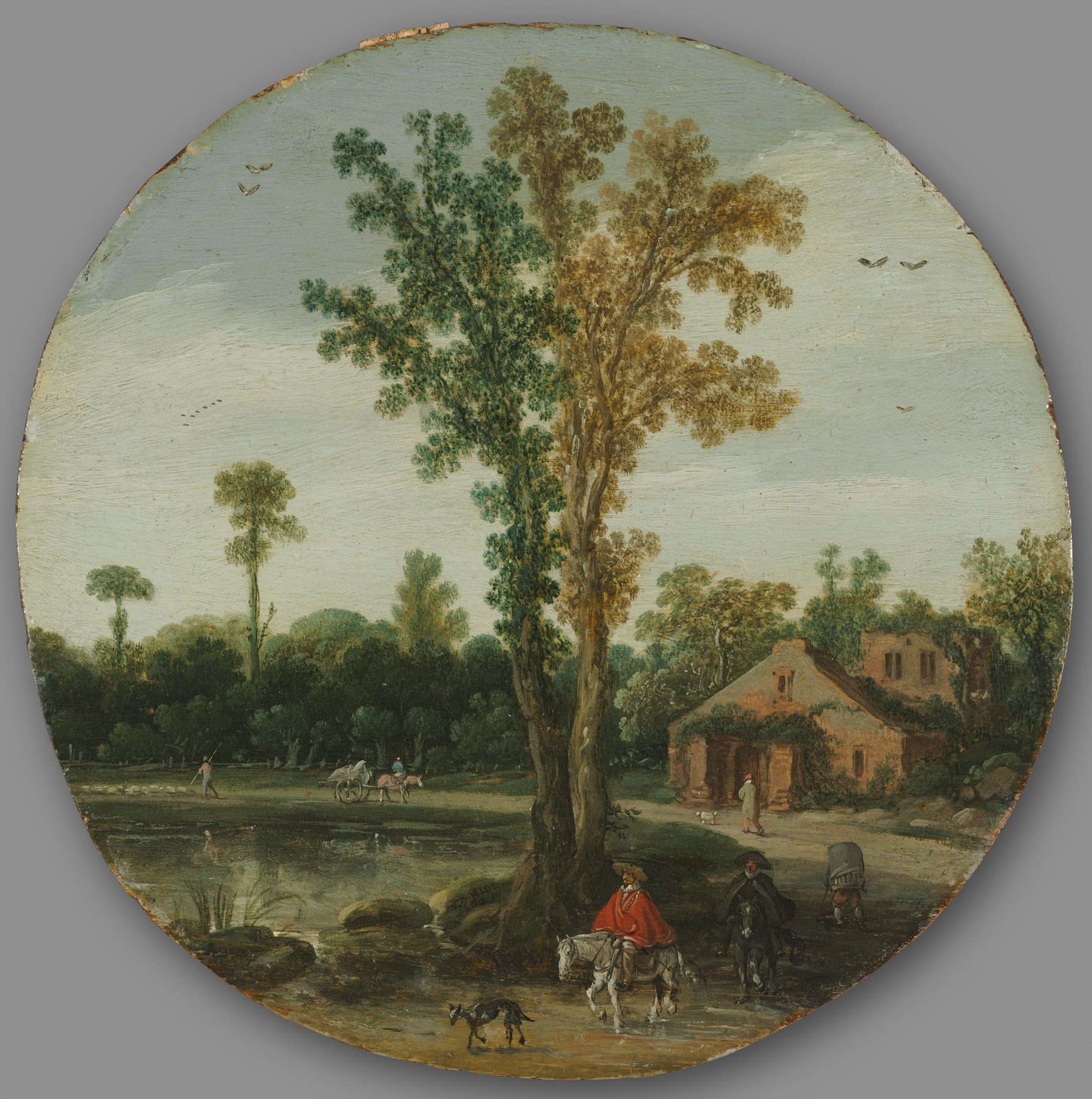
What if silence could speak through light? In the serene landscape of Landschap met een brouwerij, the soft hues whisper of awakening tranquility, drawing the eye into a world where nature and human endeavor coexist harmoniously. Look to the left at the gently rolling hills, bathed in warm golden tones that suggest the dawn of a new day. The beer brewery, nestled comfortably among the vibrant greenery, becomes a focal point where activity and calm converge. Notice the meticulous brushwork, which captures the delicate interplay of light and shadow, lending depth and dimension to the scene.
The use of earthy colors creates a soothing atmosphere, quietly inviting viewers to linger and absorb the simplicity of rural life. Beneath the picturesque surface lies a dialogue between industry and nature. The brewery symbolizes human ambition, yet it harmonizes with the landscape rather than imposing upon it. The distant figures engaged in daily activities remind us of the intimate connection between the labor of life and the serene backdrop that supports it.
This tranquil setting speaks to a collective awakening, urging us to appreciate the simplicity found in everyday moments. Esaias van de Velde painted this work between 1615 and 1616, during a period when Dutch landscape painting was evolving, moving toward a more personal, intimate portrayal of nature. Living in Haarlem, he was influenced by the burgeoning art scene and the shifting values of society, where the depiction of everyday life began to gain prominence. This painting reflects his mastery in capturing not just the physical landscape but also the deep sense of peace that accompanies a new dawn.