
Landschap met jachtpartij — History & Facts
A single tree commands the foreground, its trunk twisting as if to gesture outward, inviting the viewer to cross from the craggy, ochre slopes into the cool, distant valley beyond. The eye is drawn first to the drama of the rocky cliffs on the left, where tiny figures—hunters, perhaps—descend a golden path, their presence nearly lost amid the grandeur of the landscape. Below, water tumbles quietly through the rocks, while the middle ground opens into a lush, green expanse dotted with white animals and lively human figures.
The composition is a study in contrasts: the wild, vertical energy of the cliffs gives way to the ordered calm of the valley, and the palette shifts from earthy browns to serene blues and greens, guiding the viewer from the immediacy of the hunt to the tranquility of the distant fields. Painted by Abel Grimmer between 1575 and 1599, this landscape belongs to a moment when Flemish artists were redefining the purpose of such scenes. No longer mere backdrops for biblical or mythological tales, landscapes like this became prized for their own sake—celebrations of nature’s variety, and, perhaps, subtle reflections on humanity’s place within it. In the late sixteenth century, collectors in the Low Countries sought out these views for their homes, drawn by both their decorative appeal and their capacity to suggest a world beyond the city walls.
This work, now in the collection of Rijksmuseum Twenthe, is a testament to that shift: history has kept few traces of its early journey, but its invitation to wander and wonder remains as clear as ever.
More Artworks by Abel Grimmer

Flemish proverbs
Abel Grimmer
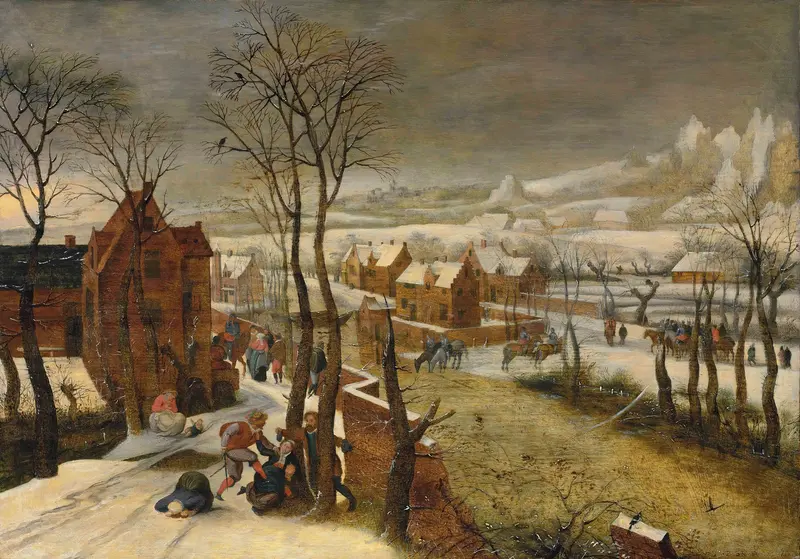
A Village Landscape In Winter With The Massacre Of The Innocents
Abel Grimmer
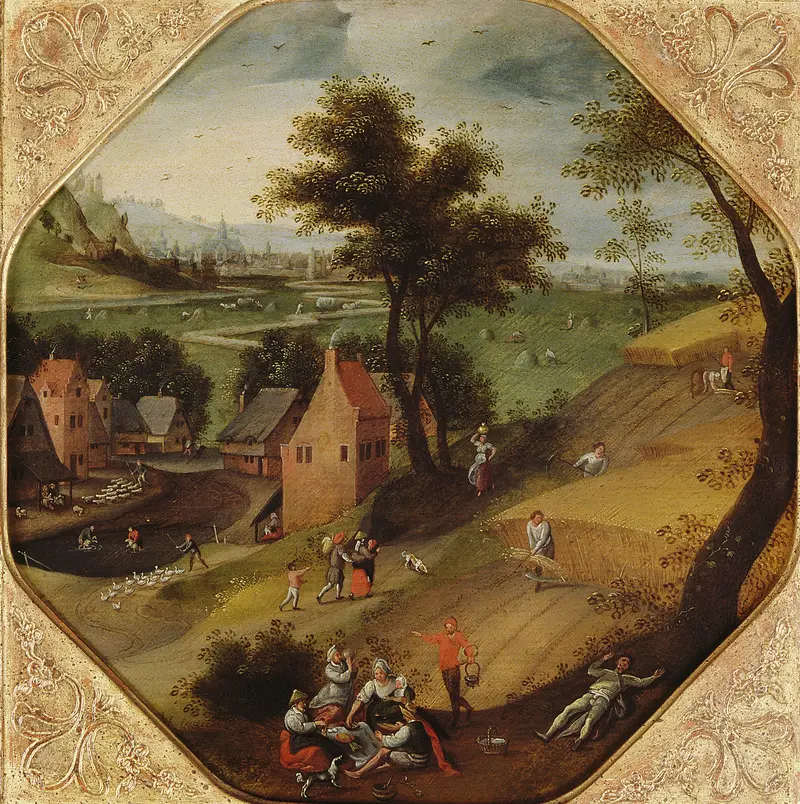
De Zomer
Abel Grimmer
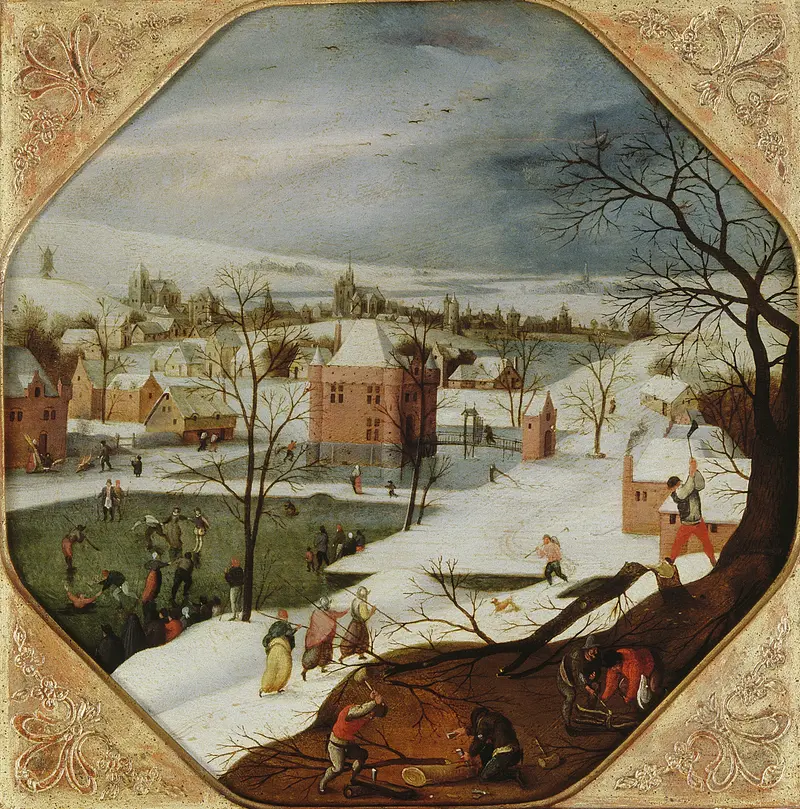
De Winter
Abel Grimmer
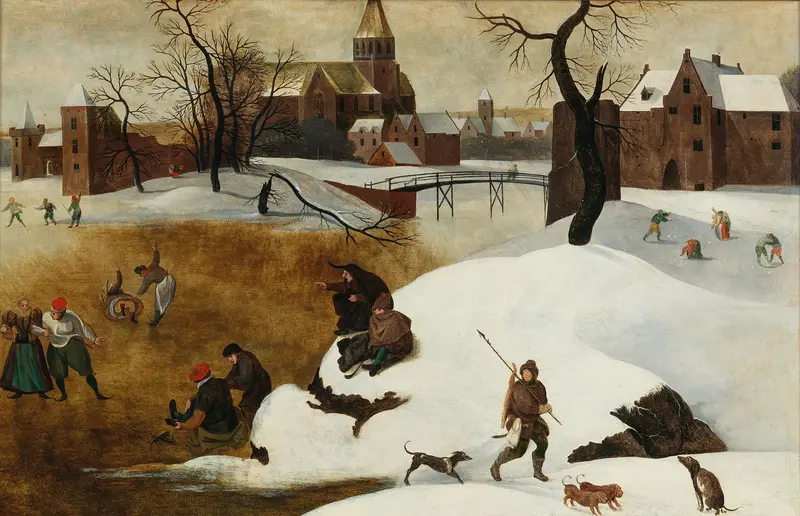
winter landscape with skaters
Abel Grimmer
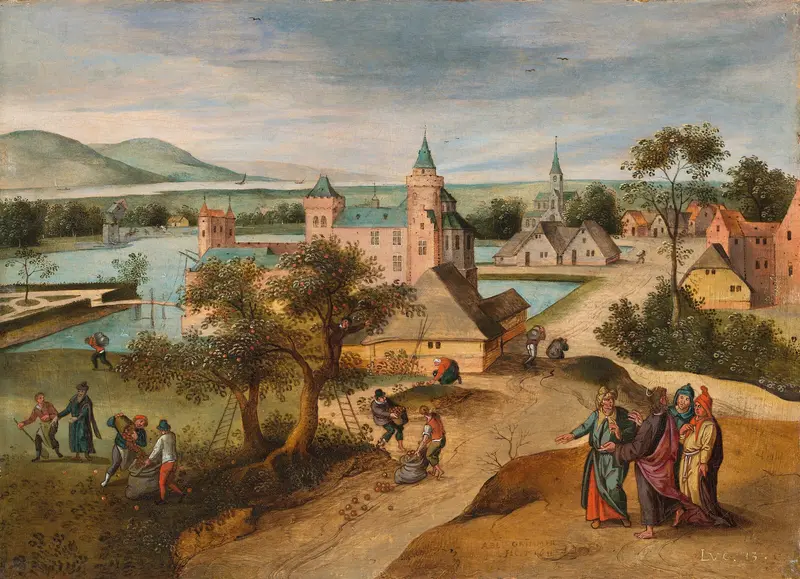
September – The Parable of the Barren Fig Tree
Abel Grimmer
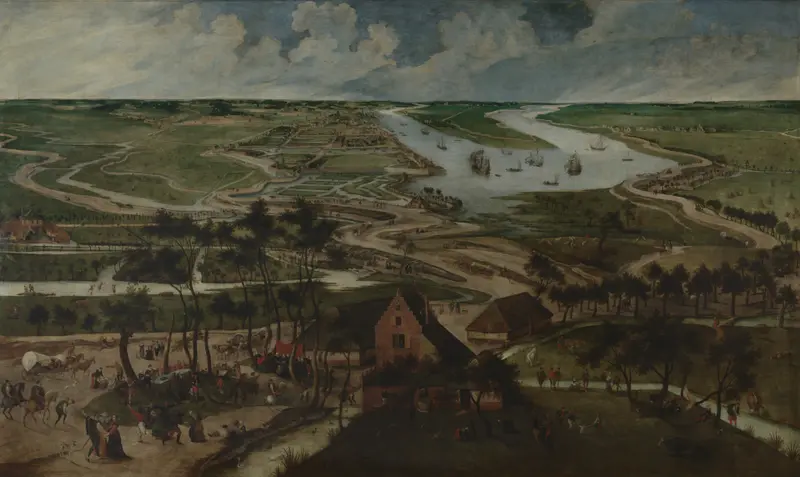
The Eel Huts in the Antwerp Polder outside the Lillo or Slijk Gate
Abel Grimmer
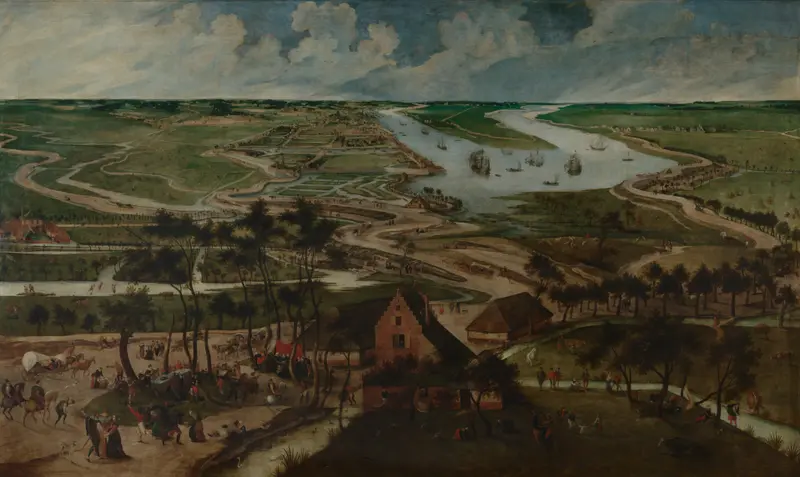
De Antwerpse polder en de Palinghuizen buiten de Slijk- of Lillopoort
Abel Grimmer
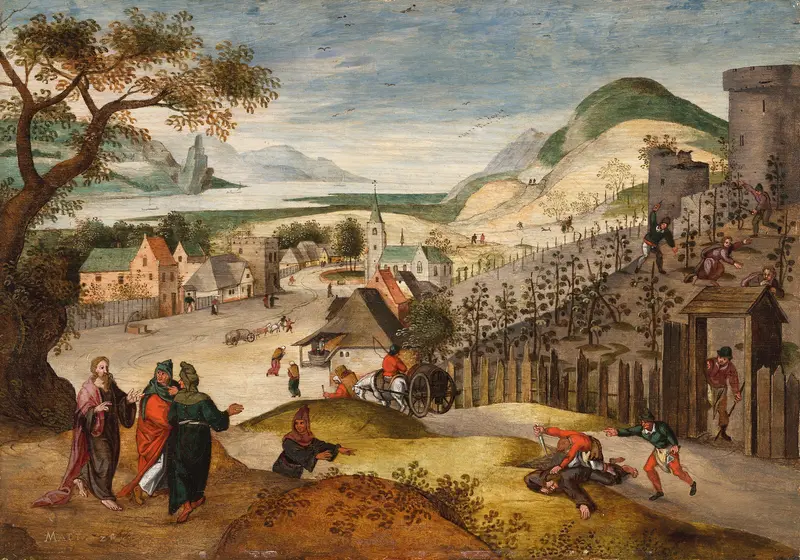
October – The Parable of the Vineyard
Abel Grimmer
The Marketplace in Bergen op Zoom
Abel Grimmer
More Landscape Art

The Starry Night
Vincent van Gogh

View of Delft
Johannes Vermeer

Water Lilies
Claude Monet

The Grand Canal, Venice, looking north-west from the Ca' Corner to the Ca' Contarini degli Scrigni, with the campanile of Santa Maria della Carità
Canaletto

Windsor Castle
Canaletto

The Grand Canal looking North-East from the Palazzo Dolfin-Manin to the Rialto Bridge
Canaletto