Landschap met ruiter en wandelaar op een weg bij Hillegom — History & Analysis
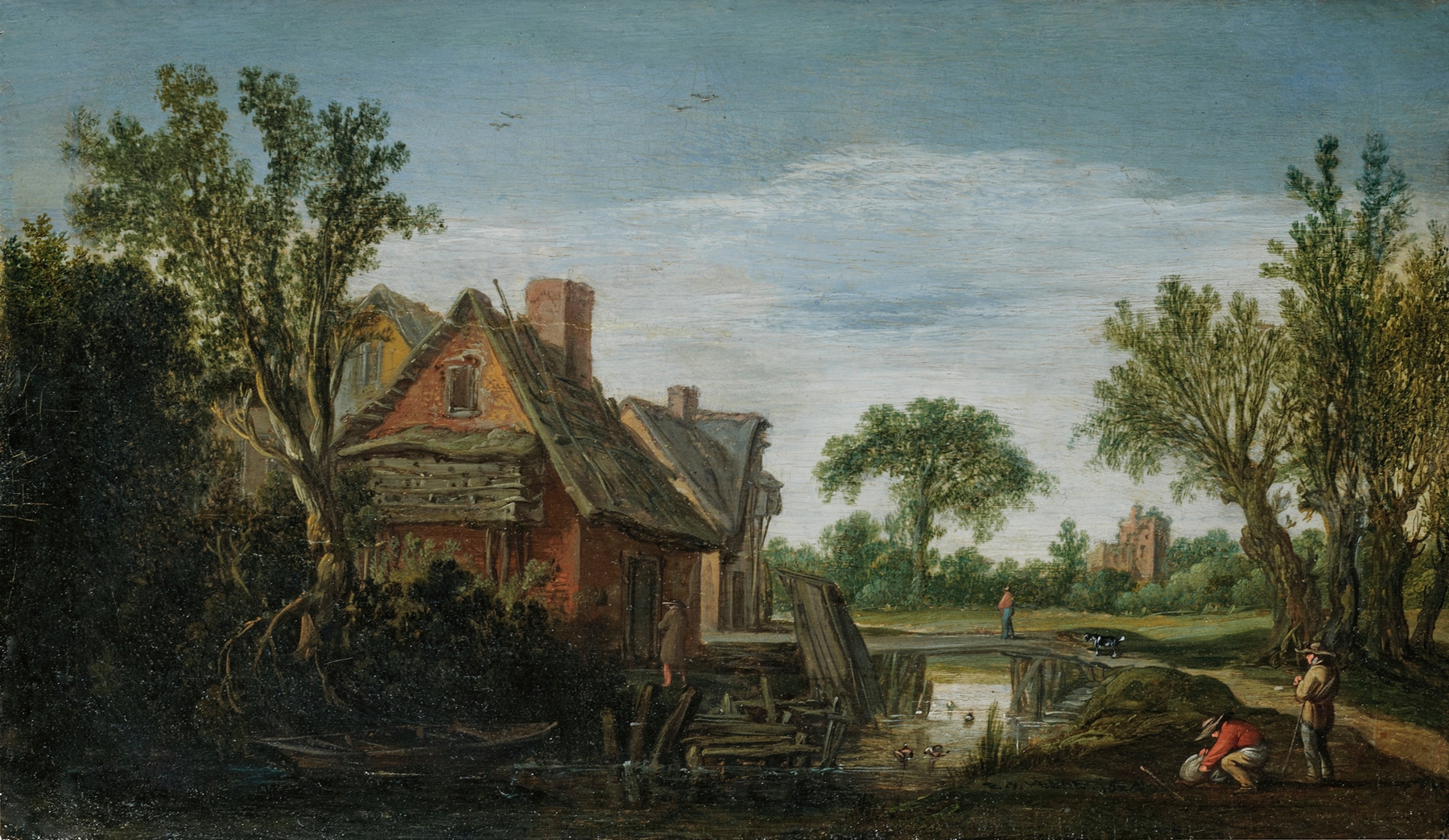
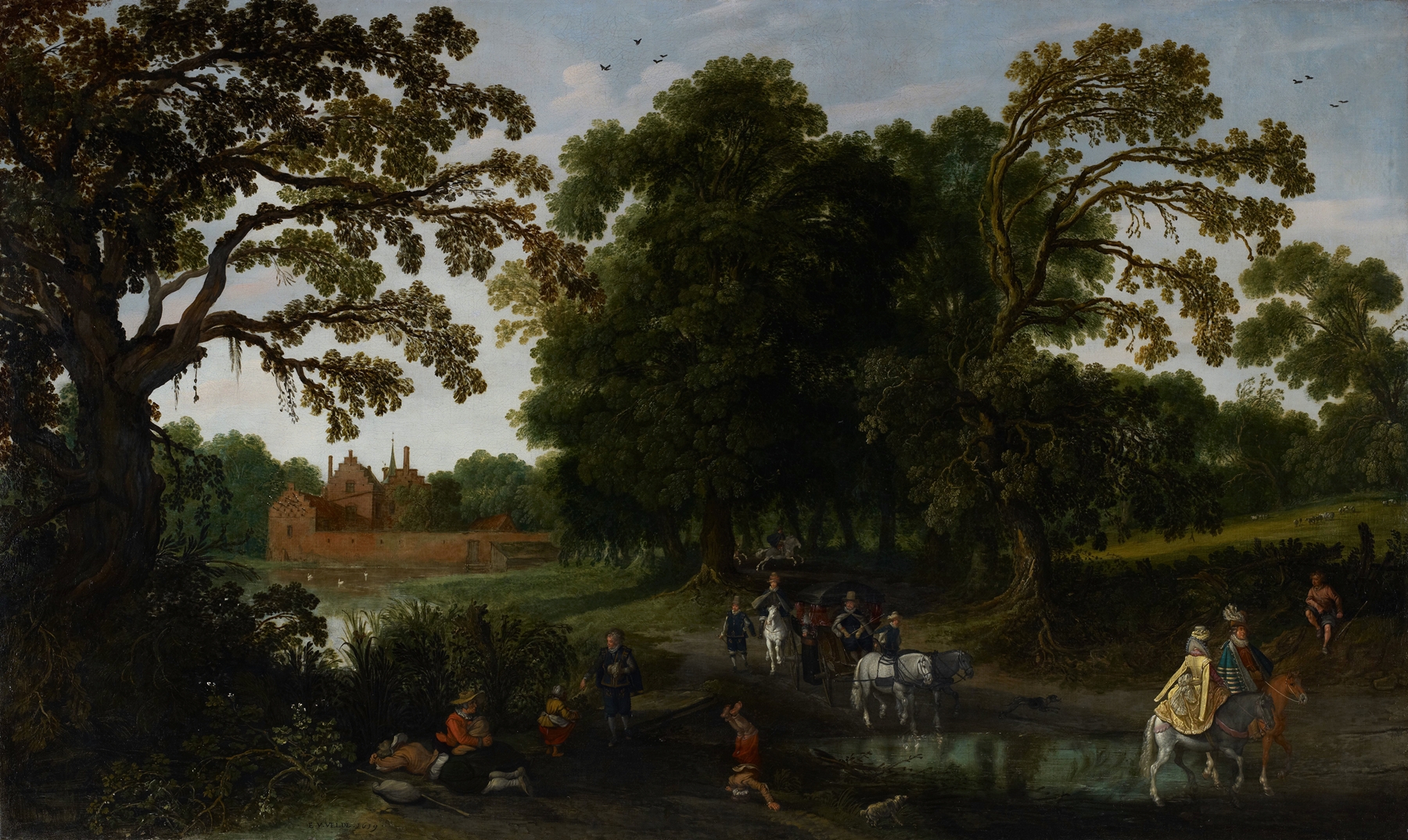
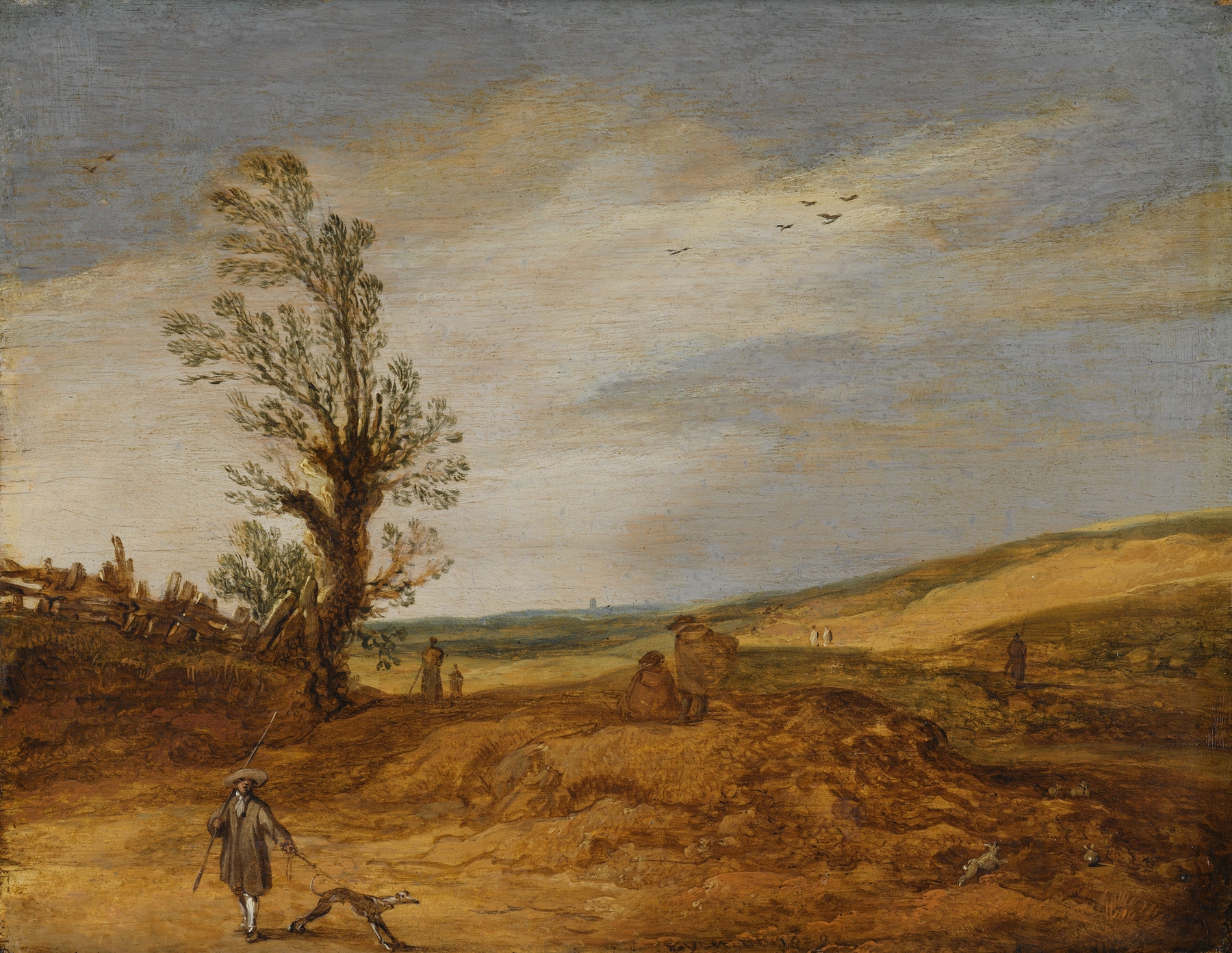
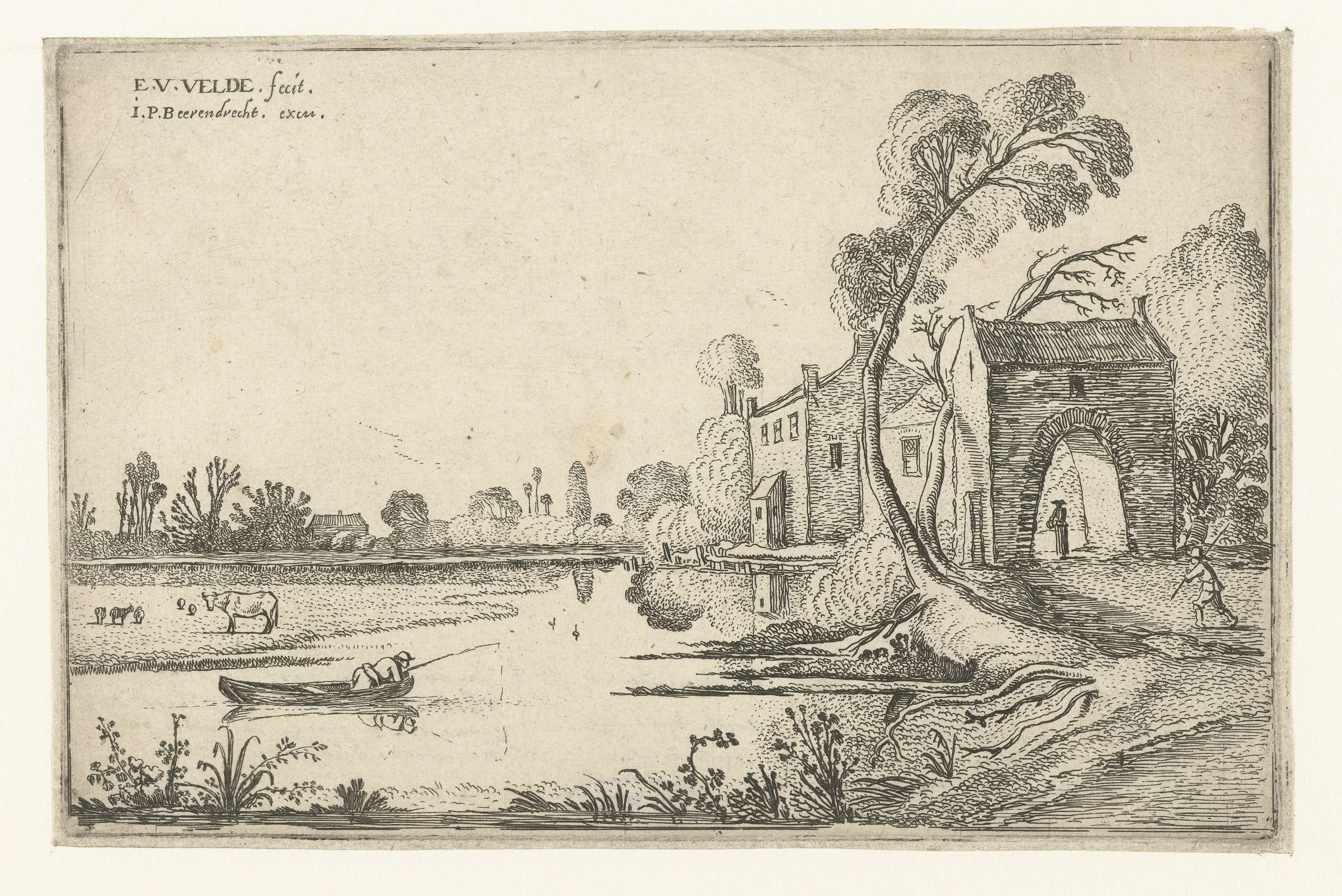
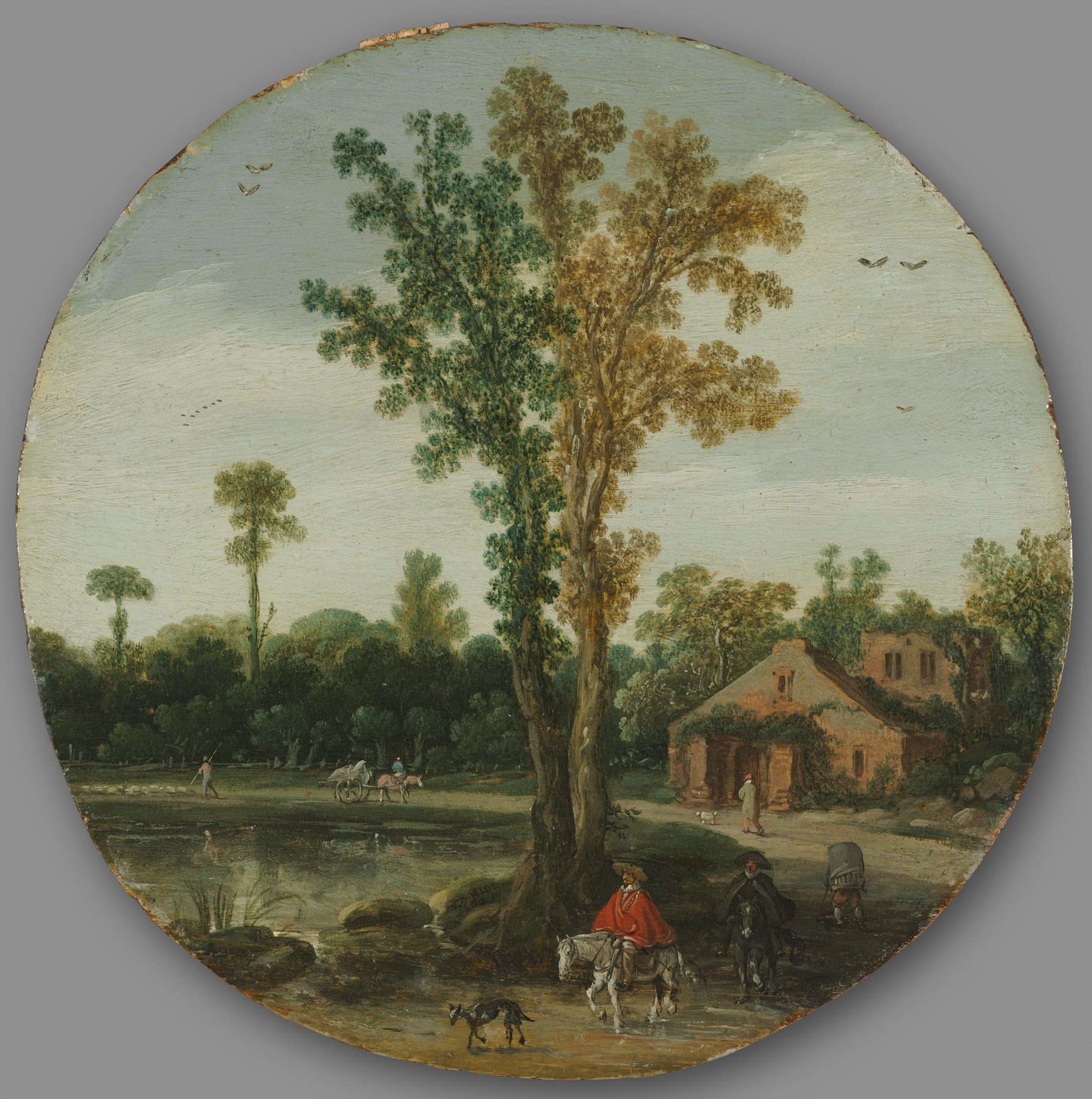
“Under the brush, chaos becomes grace.” Each stroke has the potential to transform the mundane into a vision, where the weary traveler can find solace in nature's embrace. In the stillness of this landscape, we glimpse the cyclical nature of life and rebirth. Focus on the far right, where the path emerges from a soft haze, inviting the viewer to follow. The gentle curves of the road lead the eye into the verdant depths of a blossoming spring, a vibrant palette of greens interspersed with blooming wildflowers.
Notice how the play of light dances upon the leaves, creating a sense of movement that contrasts with the stillness of the figures—a solitary rider and an approaching walker—who embody the quiet journey of life. Delve deeper to uncover the emotional tensions woven within this tranquil scene. The juxtaposition of the rider on horseback, a symbol of nobility and progress, against the pedestrian wanderer evokes a dialogue between privilege and the everyman. Additionally, the lush foliage surrounding them hints at rebirth, suggesting that every journey taken is part of a larger cycle, one that both nurtures and transforms.
In 1645, Esaias van de Velde captured this serene moment while living in Holland, a time marked by the Dutch Golden Age. The burgeoning art scene emphasized landscape painting as a significant genre, allowing the artist to explore themes of nature and human existence. His works often reflected contemporary ideals of harmony between humanity and the natural world, a sentiment poignantly encapsulated in this piece.